▲ 곽인옥 ©브레이크뉴스 |
 ▲ 곽인옥 ©브레이크뉴스 |
 ▲그림해설(상-중-하) : 이 그림은 아파트 한 동이 하층의 소매·골목시장, 중층의 가내수공업 생산, 상층의 도매·중개로 분화된 입체적 생존경제 구조임을 보여준다. 생활의 입구에서 시작된 거래는 집 안에서 가공되고, 최종적으로 상층의 도매 네트워크로 연결된다. 즉, 북한의 시장은 거리보다 아파트 내부에서 위계적으로 조직된다. ©브레이크뉴스 |
이 글은 평양의 아파트 한 동을 분석 단위로 삼아, 북한의 비공식 산업과 통치가 어떻게 생활 공간 내부에서 수직적으로 조직되는지를 보여준다. 거대한 공장이나 장마당이 아니라, 인민반 아파트라는 미시적 공간이 체제를 실제로 떠받치는 핵심 단위라는 점이 이 글의 출발점이다.
아파트의 하층부에는 외부와 직접 맞닿는 기능이 집중된다. 의류장사, 음식장사, 매점, 운수 관련 활동처럼 사람과 물자가 잦게 오가는 **접점형 경제(contact economy)**가 이곳에 모인다. 접근성이 높은 공간일수록 거래 빈도는 높아지고, 생활의 입구가 곧 시장의 입구가 된다. 이 하층부는 외부 수요를 가장 먼저 감지하는 감각 기관이다.
중층부로 올라가면 성격이 달라진다. 수학·피아노 과외 같은 교육 서비스와 의류·잡화 가내수공업이 결합한다. 이 구간에서 집은 더 이상 사적인 공간이 아니다. 교실이자 작업장이며, **생산형 생활경제(productive household economy)**가 작동하는 영역이다. 노동과 생활의 경계는 이미 사라졌다.
상층부에는 담배장사, 양복점, 생선·식자재 취급 등 도매·중개 성격의 활동이 나타난다. 겉으로는 소규모 영업처럼 보이지만, 실제로는 지역 단위 유통망과 연결된 물주·돈주 기능을 수행한다. 이는 **중개·축적형 경제(accumulative brokerage)**로, 소매의 얼굴을 한 도매가 이 층에 위치한다.
이 세 층위의 활동은 무질서하게 흩어져 있지 않다. 인민반이라는 생활 단위 안에서 암묵적으로 조정된다. 누가 무엇을 하는지, 어디까지 허용되는지, 문제가 생기면 어떻게 조정할지는 법 조문보다 관계와 필요에 의해 결정된다. 국가는 직접 생산하지 않는다. 대신 묵인과 관리로 질서를 유지한다. 통치는 억압이 아니라 비용을 최소화하는 관리 기술로 작동한다.
이 구조의 핵심은 단순하다. 국가는 책임을 내려놓았고, 생활이 그 자리를 메웠다. 집은 공장이 되었고, 아파트 한 동은 하나의 산업 지도가 되었다. 공장이 멈춰도 생산은 멈추지 않는다. 장소를 바꿔 이어질 뿐이다. 생활공간 자체가 산업 인프라로 전환된 것이다.
이 그림이 보여주는 것은 북한 비공식 경제의 본질이다. 그것은 무질서한 탈법이 아니라, 생활공간을 산업공간으로 전환한 체계적 생존 구조다. 체제는 거대한 계획으로 유지되지 않는다. 이런 아파트 한 동, 인민반 하나가 모여 체제를 떠받친다.
이러한 인민반 아파트 중심의 구조는, **국가가 생존을 직접 제공하지 못할 때 사회가 생활 단위에서 산업과 통치 기능을 동시에 발명하는 평양 하이브리드 생존경제(PHSE)**의 핵심 작동 방식이다.
북한을 움직이는 힘은 위에 있지 않다. 보이지 않는 생활의 산업화 속에 있다.
이러한 인민반 아파트 중심의 생활 산업화는 중국·쿠바·베트남의 사회주의 전환 경험과 중요한 차이를 보인다. 중국과 베트남의 경우, 개혁·개방 이후 비공식 경제는 점차 제도권 시장과 공식 기업으로 흡수·전환되었다. 가내수공업과 개인영업은 결국 등록·과세·법인화의 경로를 밟았다.
쿠바 역시 최근에는 소규모 자영업(cuentapropistas)을 제도 안으로 편입하는 방향을 택하고 있다. 반면 북한의 경우, 사적 공간의 산업화는 제도화로 이동하지 않는다. 오히려 제도 밖에 머문 채 통치 기능과 결합한다. 국가는 이를 합법화하지도, 완전히 억압하지도 않으며, 생활 단위에 통치 비용을 이전하는 방식으로 관리한다.
그 결과 북한의 생존경제는 시장화로 수렴하지 않고, **생활·산업·통치가 결합된 하이브리드 구조(PHSE)**로 고착된다. 이 점에서 북한은 ‘개혁 이전 단계’가 아니라, 국가 역량 축소 상황에서 사회가 통치 기능까지 내재화한 독자적 경로를 보여주는 사례라 할 수 있다.
■ 핵심요약 (Analytical Summary)
Analytical Essays : The People Who Keep the System Running ⑯
집 한 동이 체제를 지탱한다. : 평양 인민반 아파트에 숨겨진 산업 지도
1. 핵심 질문 (Core Question)
북한에서 국가가 생존과 산업을 직접 제공하지 못하는 상황에서, 아파트 한 동·인민반 같은 생활공간은 어떻게 산업과 통치의 기능을 동시에 수행하며 체제를 지탱하는가?
2. 주요 발견 (Key Findings)
평양 인민반 아파트 한 동은 단순한 주거 공간이 아니라, 수직적으로 조직된 ‘생활 기반 산업 지도’다.
아파트 내부는 기능별로 분화된다.
하층부: 외부 수요와 맞닿은 소매·서비스 중심의 접점형 경제(contact economy)
중층부: 가내수공업·과외·가정 생산이 결합된 생산형 생활경제(productive household economy)
상층부: 도매·중개·자금 축적이 이루어지는 중개·축적형 경제(accumulative brokerage)
이 구조는 무질서한 탈법이 아니라, 인민반 단위에서 암묵적으로 조정·관리되는 체계적 생존 구조다.
국가는 직접 생산하지 않지만, 묵인과 관리를 통해 통치 비용을 생활 단위로 이전한다.
3. 비교적 발견 (Comparative Insight)
중국·베트남·쿠바의 비공식 경제는 제도화·합법화·법인화 경로로 수렴해 왔다.
반면 북한의 경우, 사적 공간의 산업화는 제도 안으로 흡수되지 않고 생활·산업·통치가 결합된 상태로 제도 밖에 고착된다.
이는 북한이 ‘개혁 이전 단계’가 아니라, 국가 역량 축소 상황에서 사회가 통치 기능까지 내재화한 독자적 경로임을 보여준다.
4. 이론적 함의 (Theoretical Implications)
인민반 아파트는 감시 장치가 아니라, 생존·산업·통치가 결합된 하이브리드 거버넌스의 최소 단위다.
이는 『평양 하이브리드 생존경제(PHSE)』 이론이 제시하는 핵심 메커니즘으로,
국가가 생존을 제공하지 못할 때
사회가 생활공간 내부에서 산업과 통치를 동시에 발명·유지하는 방식을 설명한다.
북한 사례는 국가 역량이 약화된 사회를 분석하는 비교 이론적 틀로 확장 가능하다.
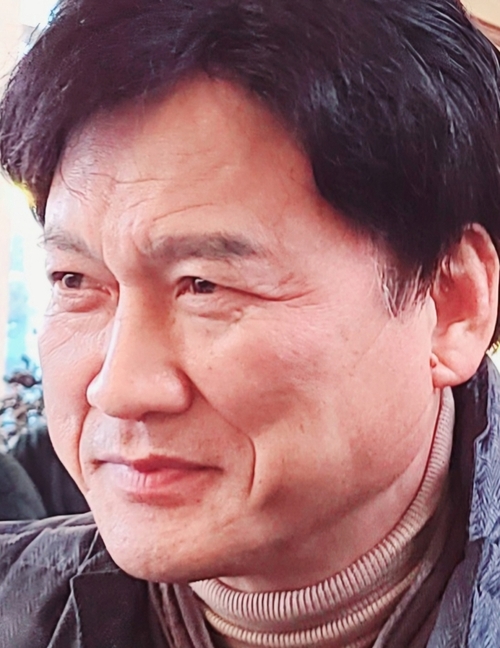
 ▲필자/ 곽인옥 교수. ©브레이크뉴스 |
5. 한 문장 요약 (One-Sentence Summary)
평양 인민반 아파트 한 동은, 국가가 비운 생존과 산업의 자리를 생활이 대신 채우며 통치 기능까지 흡수한 평양 하이브리드 생존경제(PHSE)의 가장 압축된 현장이다.
▶ 『Kwak’s Law of Hybrid Survival (PHSE) When the state cannot provide survival, society invents a hybrid economy to keep the system alive.』
<본 글은 필자의 【평양 하이브리드 생존경제 (PHSE)】 연구의 일부로, 장기간 현장 연구와 축적된 자료에 기반한 분석이다. 본문에 제시된 개념과 구조는 필자의 연구 성과임을 밝힌다.>
*필자/곽인옥 교수
*아래는 위 기사를 '구글 번역'으로 번역한 영문 기사의 [전문]입니다. '구글번역'은 이해도 높이기를 위해 노력하고 있습니다. 영문 번역에 오류가 있을 수 있음을 전제로 합니다.<*The following is [the full text] of the English article translated by 'Google Translate'. 'Google Translate' is working hard to improve understanding. It is assumed that there may be errors in the English translation.>
North Korea, Those Who Move the System - ⑯... "A House Supports the System!"
-Professor Kwak In-ok
Figure Description: This figure shows a three-dimensional survival economy structure within an apartment building, divided into retail and alley markets on the lower floors, home-based handicraft production on the middle floors, and wholesale and brokerage on the upper floors. Transactions that begin at the entrance to the living space are processed within the home and ultimately connected to the wholesale network on the upper floors. In other words, markets in North Korea are organized hierarchically within apartments rather than on the streets.
This article uses a single apartment building in Pyongyang as the unit of analysis to demonstrate how North Korea's informal industry and governance are vertically organized within living spaces. This article begins by noting that massive factories or marketplaces, but rather microscopic spaces like inminban apartments, are the core units that actually support the system.
The lower levels of apartments are where functions directly connected to the outside world are concentrated. These are where the "contact economy"—where people and goods frequently move—congregate, such as clothing and food vendors, convenience stores, and transportation-related activities. The more accessible a space is, the more frequent the transactions, and the entrance to everyday life becomes the market entrance. This lower level is the sensory organ that first detects external demand.
As you ascend to the middle levels, the character changes. Educational services like math and piano lessons combine with home-based industries like clothing and miscellaneous goods. In this section, the home is no longer a private space; it becomes a classroom and a workplace, a space where the "productive household economy" operates. The boundary between labor and daily life has already disappeared.
At the top, activities of a wholesale and brokerage nature emerge, such as tobacco sales, tailoring, and fish and food handling. While seemingly small-scale operations, they actually function as suppliers and moneylenders, connected to local distribution networks. This is an "accumulative brokerage economy," with wholesalers, disguised as retailers, occupying this tier.
The activities at these three levels are not scattered haphazardly. They are implicitly coordinated within the neighborhood unit known as the people's unit. Who does what, what is permitted, and how problems are resolved are determined by relationships and needs, rather than by legal text. The state does not directly produce. Instead, it maintains order through tacit approval and management. Governance operates not through oppression but through cost-minimizing management techniques.
The essence of this structure is simple: the state has abdicated its responsibility, and daily life has taken its place. Houses have become factories, and apartment buildings have become industrial maps. Even when factories cease operations, production continues, simply moving to a different location. Living spaces themselves have been transformed into industrial infrastructure.
This image reveals the essence of North Korea's informal economy. It is not a chaotic evasion of the law, but a systematic survival structure that transforms living spaces into industrial spaces. The system is not maintained by grand plans. Each apartment building, each neighborhood unit, supports the system.
This neighborhood unit-centered structure is the core operating mechanism of the Pyongyang Hybrid Survival Economy (PHSE), where society simultaneously invents industrial and governance functions within the living unit when the state cannot directly provide for survival.
The driving force in North Korea does not lie above. It lies in the invisible industrialization of daily life.
This neighborhood unit-centered industrialization of daily life differs significantly from the experiences of China, Cuba, and Vietnam during their socialist transitions. In China and Vietnam, after reform and opening, the informal economy was gradually absorbed and transformed into institutional markets and formal enterprises. Home-based handicrafts and individual businesses ultimately followed the path of registration, taxation, and incorporation.
Cuba has also recently adopted the path of incorporating small businesses (cuentapropistas) into its institutions. In contrast, in North Korea, the industrialization of private space does not move toward institutionalization. Rather, it remains outside the system, intertwined with governance functions. The state neither legalizes nor completely suppresses this, managing it by shifting the costs of governance to the individual living unit.
As a result, North Korea's subsistence economy does not converge on marketization, but rather remains fixed as a hybrid structure combining livelihood, industry, and governance (PHSE). In this respect, North Korea is not a "pre-reform" state, but rather a case study demonstrating a unique path in which society internalized governance functions amidst a decline in state capacity.
■ Key Summary (Analytical Summary)
Analytical Essays: The People Who Keep the System Running ⑯
A single house sustains the system. : A Hidden Industrial Map in Pyongyang's Inminban Apartments
1. Core Question
In North Korea, where the state cannot directly provide for survival and industry, how do living spaces like apartments and inminbans simultaneously fulfill the functions of industry and governance, sustaining the system?
2. Key Findings
A Pyongyang inminban apartment is not simply a residential space; it is a vertically organized "industrial map based on life."
The interior of an apartment is differentiated by function.
Lower tier: A contact economy centered on retail and services, directly connected to external demand.
Middle tier: A productive household economy combining home-based handicrafts, tutoring, and home production.
Upper tier: An accumulative brokerage economy involving wholesale, brokerage, and capital accumulation.
This structure is not a chaotic evasion of the law, but a systematic survival structure implicitly coordinated and managed at the inminban level. The state does not directly produce, but transfers the costs of governance to living units through tacit approval and management.
3. Comparative Insight
The informal economies of China, Vietnam, and Cuba have converged on a path of institutionalization, legalization, and incorporation.
In contrast, in North Korea, the industrialization of private space is not incorporated into the system, but rather remains entrenched outside the system, intertwined with living, industry, and governance.
This demonstrates that North Korea is not in a "pre-reform phase," but rather, is on an independent path where society internalizes governance functions amidst a decline in state capacity.
4. Theoretical Implications
People's Unit (PMIN) apartments are not surveillance devices, but rather the smallest unit of hybrid governance that combines survival, industry, and governance.
This is a core mechanism proposed by the theory of the "Pyongyang Hybrid Survival Economy (PHSE)," which explains how:
When the state fails to provide survival,
society simultaneously invents and maintains industry and governance within living spaces. The North Korean case can be expanded into a comparative theoretical framework for analyzing societies with weakened state capacity.
5. One-Sentence Summary
A single apartment building in a Pyongyang inminban (People's Unit) is the most condensed example of the Pyongyang Hybrid Survival Economy (PHSE), where everyday life has filled the void left by the state for survival and industry, even absorbing the functions of governance.
▶ 『Kwak's Law of Hybrid Survival (PHSE) When the state cannot provide survival, society invents a hybrid economy to keep the system alive.』
<This article is part of the author's research on the Pyongyang Hybrid Survival Economy (PHSE), an analysis based on long-term fieldwork and accumulated data. The concepts and structures presented in this text are the author's own research findings.>
*Author: Professor Kwak In-ok