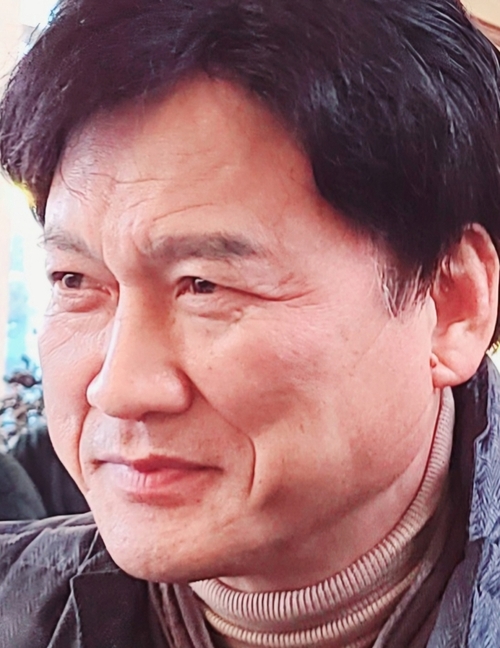
▲필자/곽태환 박사, 전 통일연구원 원장/한반도미래전략연구원 이사장. ©브레이크뉴스 |
최근 전개된 미국과 이스라엘의 대(對)이란 무력행사는 단순한 지역 분쟁을 넘어 국제법 질서와 유엔 헌장의 근간을 심각하게 훼손하는 중대한 사건으로 평가된다. 특히 미국이 핵확산금지조약(NPT) 체제의 수호자를 자임해 온 초강대국임에도 불구하고, ‘질서 유지’라는 명목 아래 선제적 무력행사를 감행한 것은 국제사회가 오랜 기간 축적해 온 규범적 기반을 약화시키는 결과를 초래하였다.
이러한 사태는 중동 지역의 안보 불안정성을 넘어 국제정치•세계경제•글로벌 안보 환경 전반에 구조적 충격을 가하고 있으며, 한반도 역시 그 영향권에서 자유로울 수 없다. 본 칼럼은 미•이-이란 전쟁의 국제법적•국제정치적 함의를 분석하고, 그 파급효과가 한반도 안보와 미래전략에 미치는 영향을 평가하며, 한국이 취해야 할 정책적 대응 방향을 제시하는 데 목적을 둔다.
국제법적•국제정치적 평가
1. 유엔 헌장과 불법적 무력행사 문제
유엔 헌장 제2조 제4항은 무력 사용과 무력 위협을 명시적으로 금지하고 있으며, 예외는 안보리의 승인 또는 명백한 자위권 행사로 제한된다. 그러나 미국과 이스라엘의 대이란 공격은 안보리 승인 없이 이루어졌으며, ‘예방적 자위’라는 명분 역시 국제법적으로 정당성을 인정받기 어렵다. 이는 국제법적 기준에서 볼 때 불법적 무력행사에 해당하며, 국제법 질서의 안정성을 심각하게 훼손하는 사례로 평가된다. 초강대국이 국제법을 준수하지 않을 경우, 국제사회는 규범적 억지력을 상실하게 되고, 이는 중소국•약소국의 안보 불안을 심화시키는 결과를 초래한다.
2. 구조적 현실주의와 미국 패권의 오만
국제정치이론의 관점에서 볼 때, 트럼프 2기 행정부의 대외정책은 공격적 현실주의가 강조하는 ‘힘의 정치’에 기반하고 있다. 무정부적 국제체제에서 강대국은 자신의 안보와 이익을 위해 군사력을 적극적으로 활용할 수 있다는 현실주의적 논리가 이번 전쟁에서도 확인되었다. 그러나 초강대국의 일방적 무력행사는 국제질서의 안정성을 해치고, 미국이 스스로 강조해 온 민주주의•법치•인권의 가치와 도덕적 정당성을 스스로 훼손하는 결과를 낳았다. 미국의 오만한 패권적 행태는 국제사회의 신뢰를 약화시키며, 규범 기반 국제질서의 붕괴를 가속화하였다.
 ▲이란 하메네이 사망 후 장례장면. ©브레이크뉴스 |
미•이-이란 전쟁의 글로벌 파급효과와 한반도에 대한 함의
1. 국제규범 약화와 한반도 위기관리의 취약성
국제법 질서가 약화될 경우, 한반도에서 군사적 긴장이 고조될 때 국제사회의 중재•억지 기능도 약화된다. 이는 남북 간 군사적 오판 가능성을 높이고, 한반도 위기관리 체제의 안정성을 저해한다. 특히 북한은 미국의 선제적 무력 사용을 사례로 삼아 핵•미사일 능력 강화의 명분을 확보할 가능성이 있다.
2. 미국의 힘 중심 전략과 대북정책의 군사화 위험
중동에서의 선제적 무력행사는 대북정책에서도 군사적 옵션을 다시 부상시키는 위험을 내포한다. 트럼프 행정부가 ‘힘을 통한 평화’를 강조할 경우, 북한은 체제안보를 위해 핵전력 고도화를 가속화할 가능성이 있으며, 이는 한반도 안보 딜레마를 심화시킨다.
3. 글로벌 경제•에너지 충격과 한국 경제의 취약성
중동전쟁이 장기화될 경우 유가 급등, 공급망 불안, 글로벌 경기 침체가 현실화될 수 있으며, 이는 에너지 수입 의존도가 높은 한국 경제에 직접적인 부담으로 작용하게 된다. 경제적 불안정은 안보•통일정책의 정책적 여유 공간을 축소시키는 결과를 초래할 것이다.
4. 동맹 압박 강화와 한국 외교의 전략적 공간 축소
미국이 전쟁을 계기로 동맹국에 대한 군사•외교적 동원을 강화할 경우, 한국은 미•중 경쟁뿐 아니라 중동 전략에서도 선택을 강요받을 수 있다. 이는 한국 외교의 자율성을 제한하고, 한반도 평화전략의 공간을 축소시킬 것이다.
정책제언: 규범 기반 국제질서 회복과 한반도 미래전략
1. 미국의 국제법적 책임성과 반성 촉구
미국은 NPT 체제의 수호자를 자임해 온 초강대국으로서, ‘질서 유지’라는 명목 아래 이란을 무력으로 공격한 행위가 국제법적•도덕적 책임을 심각하게 훼손했음을 직시해야 한다. 초강대국의 오만은 국제질서의 안정성을 해치는 결과를 낳으며, 미국은 이번 사태를 계기로 스스로의 역할과 책임을 성찰해야 할 것이다.
2. 이란의 무력사용이 초래한 글로벌 불안정성에 대한 미국의 전략적 이해 요구
트럼프 행정부는 이란의 부적절한 무력사용이 중동을 넘어 국제정치•세계경제•글로벌 안보에 미칠 연쇄적 충격을 보다 심층적으로 이해해야 한다. 강대국의 군사적 대응은 단순한 보복을 넘어 국제질서 전반의 안정성을 좌우하는 중대한 결정임을 명심해야 한다.
3. 미국 의회의 War Powers Act에 따른 헌정적 견제 강화
미국 의회는 헌정질서의 수호자이자 전쟁 권한의 최종적 견제자로서, War Powers Act가 규정한 ‘60일 이후 무력 사용 제한’을 엄격히 적용해야 한다. 이는 특정 행정부의 일방적 군사행동을 제어하고, 국제법적 정당성을 회복하며, 미국 스스로가 강조해 온 민주주의적 통제 원칙을 지키는 최소한의 장치이다
.
4. 한국의 미래전략: 원칙 있는 동맹과 평화체제 구축
한국은 동맹을 유지하되 국제법•규범 준수라는 원칙을 분명히 하는 ‘원칙 있는 동맹’을 지향해야 할 것이다. 미•중 전략 경쟁 속에서도 한반도 평화•안정을 위한 외교적 공간을 확보하고, 군사억지력과 평화체제 구축을 병행하는 투 트랙 전략을 추진해야 한다. 또한 중견국 외교를 통해 규범 기반 국제질서 회복에 기여함으로써 한반도 문제를 강대국 경쟁의 부속물이 아닌 독자적 의제로 부상시키는 노력이 필요하다.
마지막으로 미•이-이란 전쟁은 국제법 질서의 위기이자 한반도에 새로운 평화 전략을 모색할 계기가 된 것이다. 강대국의 오만과 무력 중심의 접근이 가져오는 파국적 결과를 목도한 지금, 대한민국은 법과 규범에 기반한 평화 전략을 통해 한반도의 미래를 스스로 설계해야 할 것이다. 국제법적 정당성, 중견국 외교, 한반도의 평화공존체제 구축이라는 세 가지 축을 중심으로 한반도의 미래전략을 재정립하는 것이 요구된다.
*필자/곽태환 박사
전 통일연구원 원장/한반도미래전략연구원 이사장. 미 Claremont 대학원 대학교 국제관계학 박사. 전 미 Eastern Kentucky 대학교 국제정치학 교수; 전 경남대 극동문제연구소 소장/교수; 6대 통일연구원 원장. 현재 미국 이스턴 켄터키 대 명예교수, 경남대 초빙 석좌교수, 한반도미래전략연구원 이사장 등, 통일뉴스 특별 공로상 수상 (2021), 경남대 명예 정치학 박사 수여(2019), 글로벌평화재단(GPF)의 혁신 학술 연구 분야 평화상 수상(2012). 36권의 저서, 공저 및 편저; 칼럼, 시론, 학술논문 등 600편 이상 출판; 주요 저서: 『한반도 평화, 비핵화 그리고 통일: 어떻게 이룰 것인가?』 (통일뉴스, 2019), 공저: 『한반도 문제 해법: 새로운 모색』(학술정보, 2024), 『한반도 비핵•평화 체제의 모색』(매봉, 2023) 등; 영문 책 Editor/co-editor: One Korea: Visions of Korean Unification (Routledge, 2017); 등. 이 메일: thkwak38@hotmail.com
*아래는 위 기사를 '구글 번역'으로 번역한 영문 기사의 [전문]입니다. '구글번역'은 이해도 높이기를 위해 노력하고 있습니다. 영문 번역에 오류가 있을 수 있음을 전제로 합니다.<*The following is [the full text] of the English article translated by 'Google Translate'. 'Google Translate' is working hard to improve understanding. It is assumed that there may be errors in the English translation.>
The US-Iran War and the Crisis of the International Legal Order... "Reestablishing Middle Power Diplomacy on the Korean Peninsula"
- Kwak Tae-hwan, Former President of the Korea Institute for National Unification
The recent military actions by the US and Israel against Iran are considered to be a significant incident that goes beyond a mere regional conflict and seriously undermines the foundations of the international legal order and the UN Charter. In particular, the US, a superpower that has long claimed to be the guardian of the Treaty on the Non-Proliferation of Nuclear Weapons (NPT), has undermined the normative foundations of the international community by preemptively using force under the pretext of "maintaining order." This development is not only causing instability in the Middle East, but is also having a structural impact on international politics, the world economy, and the overall global security environment. The Korean Peninsula is also not immune to its impact. This column analyzes the international legal and political implications of the US-Iran War, assesses its ramifications on the security and future strategies of the Korean Peninsula, and suggests policy responses that South Korea should adopt.
International Legal and International Political Assessment
1. The UN Charter and the Issue of the Unlawful Use of Force
Article 2, Paragraph 4 of the UN Charter explicitly prohibits the use or threat of force, with exceptions limited to Security Council authorization or the explicit exercise of the right of self-defense. However, the US and Israel's attack on Iran was conducted without Security Council authorization, and the justification of "preventive self-defense" is difficult to justify under international law. This constitutes an unlawful use of force under international law standards and is considered an example that seriously undermines the stability of the international legal order. When a superpower fails to comply with international law, the international community loses its normative deterrence, which exacerbates the security instability of small, medium, and weaker countries.
2. Structural Realism and the Arrogance of American Hegemony
From the perspective of international political theory, the foreign policy of the second Trump administration is based on the "politics of power" emphasized by offensive realism. This war also confirmed the realistic logic that in an anarchic international system, great powers can actively utilize military force for their own security and interests. However, the unilateral use of force by a superpower undermines the stability of the international order and undermines the moral legitimacy and values of democracy, rule of law, and human rights that the United States has long emphasized. The United States' arrogant hegemonic behavior has eroded international trust and accelerated the collapse of the rules-based international order.
The Global Repercussions of the US-Iran War and Implications for the Korean Peninsula
1. Weakening International Norms and the Vulnerability of Crisis Management on the Korean Peninsula
A weakening of the international legal order weakens the international community's mediation and deterrence functions when military tensions rise on the Korean Peninsula. This increases the likelihood of military miscalculation between the two Koreas and undermines the stability of the crisis management system on the Korean Peninsula. In particular, North Korea may use the US's preemptive use of force as a justification for strengthening its nuclear and missile capabilities. 2. The US's Power-Based Strategy and the Risk of Militarizing North Korea Policy
Preemptive military action in the Middle East carries the risk of resurfacing military options in North Korea policy. If the Trump administration emphasizes "peace through strength," North Korea could accelerate the advancement of its nuclear arsenal to secure its regime, deepening the security dilemma on the Korean Peninsula.
3. Global Economic and Energy Shocks and the Vulnerability of the South Korean Economy
A prolonged Middle East war could lead to soaring oil prices, supply chain instability, and a global economic downturn. These could directly burden the South Korean economy, which is highly dependent on energy imports. Economic instability would result in a reduction in policy leeway for security and unification policies.
4. Intensifying Alliance Pressure and Reducing Strategic Space for South Korean Diplomacy
If the United States uses war as an opportunity to strengthen its military and diplomatic mobilization of its allies, South Korea could be forced to make choices not only in the US-China competition but also in its Middle East strategy. This would limit the autonomy of South Korea's diplomacy and narrow the scope for a peace strategy on the Korean Peninsula.
Policy Recommendations: Restoring a Norms-Based International Order and a Future Strategy for the Korean Peninsula
1. Call for the US to Responsibly and Reflect on International Law
As a superpower that has proclaimed itself the guardian of the NPT regime, the United States must recognize that its military attack on Iran under the pretext of "maintaining order" has seriously undermined its international legal and moral responsibilities. The arrogance of a superpower undermines the stability of the international order, and the United States must use this incident as an opportunity to reflect on its own role and responsibilities.
2. Call for a US Strategic Understanding of the Global Instability Caused by Iran's Use of Force
The Trump administration must deeply understand the cascading impact of Iran's inappropriate use of force beyond the Middle East, on international politics, the world economy, and global security. A major power's military response must be borne in mind not only as a simple act of retaliation but also as a crucial decision that determines the stability of the entire international order. 3. Strengthening Constitutional Checks and Balances under the War Powers Act of the US Congress
As the guardian of constitutional order and the ultimate check on war powers, the US Congress must strictly enforce the "60-day limit on the use of force" stipulated in the War Powers Act. This is the minimum mechanism to curb unilateral military actions by a specific administration, restore legitimacy under international law, and uphold the principles of democratic control that the US has emphasized.
4. Korea's Future Strategy: Establishing a Principled Alliance and Peace Regime
South Korea should pursue a "principled alliance" that maintains alliances while clearly adhering to the principles of compliance with international law and norms. Amidst the US-China strategic competition, South Korea should secure diplomatic space for peace and stability on the Korean Peninsula and pursue a two-track strategy that simultaneously pursues military deterrence and the establishment of a peace regime. Furthermore, efforts should be made to contribute to the restoration of a rules-based international order through middle power diplomacy, thereby elevating the Korean Peninsula issue to an independent agenda, rather than an appendage to great power competition.
Finally, the US-Iran war represents a crisis in the international legal order and an opportunity to explore a new peace strategy for the Korean Peninsula. Having witnessed the catastrophic consequences of the arrogance and military-centric approach of major powers, South Korea must design the future of the Korean Peninsula through a peace strategy based on law and norms. A re-establishment of the Korean Peninsula's future strategy is required, centering on three pillars: international legal legitimacy, middle power diplomacy, and the establishment of a peaceful coexistence system on the Korean Peninsula. /End/
About the Author
▲ Author/Dr. Kwak Tae-hwan. ©Break News
*Author/Dr. Kwak Tae-hwan, Former President of the Korea Institute for National Unification and Chairman of the Board of Directors of the Korea Institute for Future Strategy.
Ph.D. in International Relations, Claremont Graduate University. Former Professor of International Politics, Eastern Kentucky University. Former Director/Professor, Institute for Far Eastern Studies, Kyungnam University. 6th President of the Korea Institute for National Unification. He is currently Professor Emeritus at Eastern Kentucky University, a Visiting Professor at Kyungnam University, and Chairman of the Korean Peninsula Future Strategy Institute. He received the Special Achievement Award from Tongil News (2021), an Honorary Doctorate in Political Science from Kyungnam University (2019), and the Peace Award for Innovative Academic Research from the Global Peace Foundation (GPF) (2012). He has authored, co-authored, and edited 36 books; has published over 600 columns, opinion pieces, and academic papers; and is the author of "Peace, Denuclearization, and Unification on the Korean Peninsula: How to Achieve It?" (Tongil News, 2019), co-authored "Solution to the Korean Peninsula Problem: A New Exploration" (Haksul Information, 2024), and "Search for a Denuclearized and Peaceful Korean Peninsula Regime" (Maebong, 2023). His English publications include "One Korea: Visions of Korean Unification" (Routledge, 2017), "Editor/co-editor." Email: thkwak38@hotmail.com