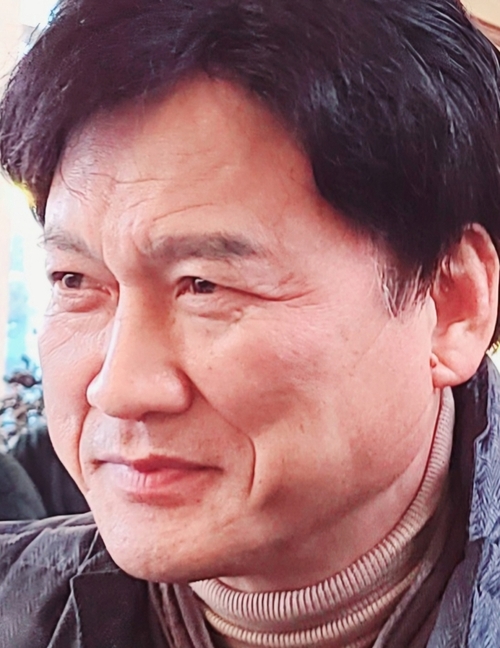
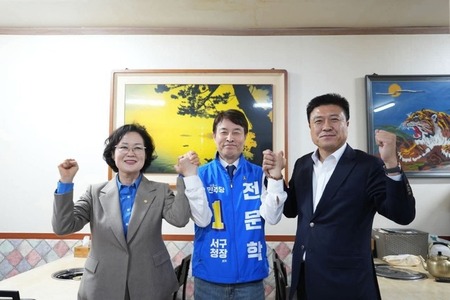
▲ 박용선 포항시장 후보자 ©박용선 |
포항시장 경선 이후 국민의힘 내부에서 이어지고 있는 갈등은 이미 단순한 충돌을 넘어 섰다. 경선에서 탈락한 박승호, 김병욱 두 예비후보는 박용선 후보를 향해 ‘사법 리스크’를 집중 제기하며 공천 과정 전반에 대한 문제를 제기하고 있다. 이들의 문제 제기는 분명 가볍게 넘길 사안이 아니다.
공천은 단순한 당내 절차가 아니라 유권자에 대한 책임이자 신뢰의 약속이다. 당선 가능성은 물론 도덕성과 안정성까지 종합적으로 검증하는 과정이어야 한다는 점에서, 예견 가능한 리스크를 충분히 걸러내지 못했다는 지적은 새겨들어야 할만하다.
다만, 정치에서 정당성은 ‘무엇을 말하느냐’만큼 ‘어떻게 말하느냐’에 의해 좌우되기도 한다. 최근 탈락 후보들의 발언은 검증 요구를 넘어 감정적이고 강한 표현을 동반하면서, 논의의 초점을 ‘공천의 적절성’이 아닌 ‘내부 갈등’으로 옮겨놓는 양상을 보이고 있다. 일각에서는 '의혹'이라는 이름의 무차별적인 마타도어로 민-민간 갈등을 조장하고 있다는 말까지 들린다.
중앙당의 판단에 대한 문제 제기가 자칫 특정 후보 개인에 대한 마타도어로 비쳐지는 순간, 메시지의 설득력은 오히려 약화 될 수밖에 없다. 더욱이 ‘비상한 결심’, ‘모든 가능성’과 같은 표현은 대단한 정치적 함의를 지닌다. 이러한 언급이 실제 행동으로 이어질 경우 선거 구도는 단순한 경쟁을 넘어 분열의 국면으로 급격히 바뀔 수도 있다. 지지층의 분산은 어느 정당에도 치명적이다.
특히 포항의 경우 더불어민주당이 일정한 고정 지지층을 유지하고 있다는 점을 감안하면, 내부 균열이 외부에 유리한 환경을 조성할 가능성 또한 결코 적지않다. 그렇다고 내부 비판 자체를 부정적으로만 볼 수는 없다. 건강한 정치 조직이라면 스스로를 점검하고, 필요할 경우 내부에서 문제를 제기할 수 있어야 한다. 중요한 것은 그 비판이 공동체의 이익에 부합하느냐, 아니면 되레 기반을 약화시키는 결과로 이어지느냐다. 그 경계는 생각보다 얇지만 결과는 엄중할 때가 있음을 우리는 지금까지의 경험으로 알고있다.
결국 지금 포항에서 필요한 것은 목소리의 크기가 아니라 판단의 신중함이다. 사법 리스크에 대한 검증 요구는 분명 의미 있는 문제 제기다. 그러나 그것이 어떤 방식으로 표출되고, 어떤 결과로 이어질지는 또 다른 문제다.
정치는 언제나 명분과 결과가 함께 평가된다고들 한다. 박승호, 김병욱 두 예비후보의 문제 제기가 원칙을 환기하는 계기가 될지, 아니면 의도치 않게 또 다른 결과를 낳게 될지는 누구도 알 수 없다. 그럼에도 분명한 것은 싫든 좋든 그 선택의 결과는 결국 포항 시민들의 몫으로 돌아 온다는 사실이다.
<구글 번역으로 번역한 영문 기사의 전문 입니다. 번역에 오류가 있을 수 있음을 밝힙니다.>
The conflict continuing within the People Power Party following the Pohang mayoral primary goes beyond a mere clash and raises questions about the fundamentals of politics. The two eliminated preliminary candidates, Park Seung-ho and Kim Byung-wook, are focusing on raising "legal risks" regarding candidate Park Yong-sun and questioning the entire nomination process. Their concerns are clearly not matters to be taken lightly.
Nomination is not merely an internal party procedure; it is a responsibility to voters and a promise of trust. Given that it must be a process that comprehensively verifies not only electability but also morality and stability, the criticism that foreseeable risks were not sufficiently filtered out is worth taking to heart. However, in politics, legitimacy is often determined not only by "what is said" but also by "how it is said." The recent remarks by the eliminated candidates have gone beyond mere demands for verification and have been accompanied by emotional and strong language, shifting the focus of the discussion from the "appropriateness of the nomination" to "internal conflict."
The moment a challenge to the central party’s judgment is perceived as smear tactics against a specific individual candidate, the persuasiveness of the message is bound to weaken. Moreover, expressions such as “extraordinary determination” and “all possibilities” carry significant political implications. If such remarks lead to actual actions, the electoral landscape could rapidly shift from a mere competition into a phase of division. The fragmentation of a support base is fatal to any political party.
In particular, given that the Democratic Party of Korea maintains a certain level of core support in Pohang, the possibility that internal rifts could create an environment favorable to the outside is by no means insignificant. However, internal criticism itself cannot be viewed solely negatively. A healthy political organization must self-examine and, if necessary, be able to raise issues from within. What matters is whether that criticism aligns with the interests of the community or leads to a weakening of its foundation. That boundary is thinner than one might think, but the consequences can be severe.
Ultimately, what is needed in Pohang right now is not the volume of the voice, but prudence in judgment. The demand for verification regarding legal risks is clearly a meaningful challenge. However, how it manifests and what results it leads to is another matter.
It is often said that in politics, justification and results are always evaluated together. No one knows whether the issues raised by the two preliminary candidates, Park Seung-ho and Kim Byung-wook, will serve as an opportunity to remind us of principles or unintentionally lead to yet another outcome. What is clear, however, is that whether we like it or not, the consequences of that choice will ultimately fall back on the citizens of Pohang.
원본 기사 보기:브레이크뉴스 대구경북