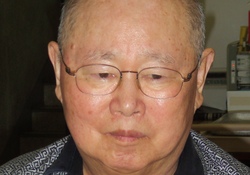
▲ 정길선 박사 ©브레이크뉴스 |
현재 태국에 분포하고 있는 화교는 약 700만 명으로 인도네시아, 말레이시아와 더불어 화교가 가장 많은 3국으로 불린다. 태국의 화교들은 방콕, 치앙마이, 핫야이 등 도시에 몰려 있다. 태국 화교의 80%는 본적이 광동(廣東)이며, 이 중 조산(潮汕) 지역 출신이 가장 많다.
조산 화교는 ‘왕실 화교’로 불릴 정도로 태국에서 대우를 받아왔다. 때문에 다양한 분야에서 성공을 이룬 이들이 많다. 나머지 20% 화교들은 해남(海南), 복건(福建), 운남(雲南) 지역 출신들이다. 태국에 화교들이 처음 들어온 것은 명(明)나라 영락제 당시 환관 정화(鄭和)가 이끄는 원정 선단이 들어온게 시초였다.
소주(蘇州)에서 출발한 정화의 함대는 참파(지금의 베트남 중부)와 수마트라를 거쳐 팔렘방, 말라카, 실론(지금의 스리랑카) 등의 항로를 거쳐 1407년 초쯤 인도 캘리컷(Calicut, 지금의 코지코드)에 도달했다. 함대의 목적은 항해하여 도착하는 나라에 대하여 명나라에게 조공을 요구하는 일과 남방 지역의 문물 등을 가지고 돌아오는 일이었다. 이 항해를 통해 명나라와 교류가 없던 동남아시아의 여러 나라가 차례로 명나라에 조공을 바치게 되었던 셈이다.
1407년 9월 귀국한 정화는 얼마 뒤 재출발 명령을 받아 연말에 제2차 원정을 떠나게 되었다. 항로는 전과 같았지만 이번에는 시암(태국)과 자바 섬 등을 거쳐 캘리컷에 도착하는 일정이었다. 2차 원정 당시 태국 아유타야에 상륙한 정화는 아유타야 왕에게서 막대한 선물과 더불어 상당한 양의 특산물을 가지고 돌아왔다.
이후에 해당 루트를 따라 교류를 위해 많은 명나라 사람들이 건너왔다. 정화가 머물렀던 각지의 항에서도 정화에 대한 평판은 높아 자바와 수마트라, 태국 방콕과 아유타야에서는 삼보묘가 건립되어 그에 대한 제사가 치러지기도 한다. 왜 삼보묘라는 명칭이냐면 정화의 본명이 마삼보(馬三寶)였기 때문에 붙여진 이름이기 때문이다. 그와 같이 정화의 길은 곧 화교들의 교역로가 되었다.
동남아시아 각지에 화교들이 살게 되었으며 청나라에 의해 명나라가 멸망하자 청나라의 지배를 거부한 명나라 한족들이 대거 동남아시아 지역으로 이주하는 현상도 벌어졌기 때문에 생겨난 일이다. 이들 명나라의 유민들인 한족은 청나라의 간섭을 피해 그들이 들어간 각지에서 한족만의 공동체와 마을을 만들게 되었는데 이것이 바로 "차이나타운"의 기원이다.
이후 아유타야 특유의 외국인 기용제도와 개방적인 문화 등과 아울러 태국과 한족 혼혈들이 생기게 되었고 1767년 아유타야의 두 번째 몰락 이후 점령한 버마군에 맞서 시암을 해방시킨 위대한 지도자인 탁신 대왕과 짜끄리 왕조의 시조인 라마 1세 또한 이런 태국과 한족, 혹은 광동 조산인들의 혼혈이었다. 짜끄리 왕조는 현재까지 지속되고 있는데 짜끄리 왕조의 시조인 라마 1세의 모친이 바로 중국계, 한족 출신이라고 한다.
이들의 선조들은 1644년 이자성에 의해 멸망한 명나라 사람들이 광동, 복건, 광서 지역을 중심으로 남명(南明) 정권을 세웠던 사람들인데 조산(潮汕) 지역 사람들로써 광동인들이었다. 이들을 두고 조산화교(潮汕華僑)라 하여 짜끄리 왕조를 세웠던 라마 1세의 모계 혈통이 조산화교(潮汕華僑)에 있기 때문에 이들은 "왕실화교"로 대우를 받아온 것이다. 즉, 이와 같이 현 태국 왕실이 광동 화교와 혈통이기 때문에 이들은 중국이나 중국 정부와 상관없이 중국계 태국인으로 살 수 있었다.
태국인들은 안정과 포용을 소중히 여기고 있는 풍습이 존재한다. 때문에 화교들에 대해서도 따뜻하게 대해주었고 또한 왕실도 화교혈통이기 때문에 거부감이 없었다. 또 태국 정부의 동화 정책으로 화교들은 쉽게 태국 국적 획득과 정치 참여 등을 자유롭게 할 수 있었다. 태국의 화교들은 정치, 경제, 사회 분야에서 원주민인 타이족과 동등한 권리를 얻게 되었으며, 그만큼 현지 사회에 빠르게 침투하여 자리잡았다.
많은 화교들은 태국인과 혼인하여 태국 사회에 완전 적응해 들어갔고 그들 중 상당수가 태국 이름으로 개명했다. 동남아시아에서 태국 화교들은 원주민인 타이족들과 가장 잘 동화되고 각종 소요사태 및 범죄와 같은 문제성 일들이 적기로 소문 나 있다. 특히 제2차 세계대전 이후 태국 화교들은 정치적으로 아주 빠르게 현지 사회에서 인정을 받았고 문화적인 탈바꿈이라 할 정도로 변신했다. 그리고 이는 같은 화교 군 출신이자 군부 독재자인 피분 송크람의 적극적인 지원도 있었다.
많은 화교들은 태국에 안착할 수 있었으며 태국은 어떤 사업이든 성공이 보장되어 있는 곳이었다. 태국 화교들의 정치 참여와 활약은 기타 국가의 화교들과 비교할 수 없을 정도로 높은 비율과 그 효율성 또한 대단한 것으로 알려져 있다. 그리고 태국의 정치 지도자들은 자신들이 화교라는 사실을 감추지 않으며 오히려 자신들이 중국계라는 것을 자랑스러워 하고 있다. 일부 화교 유명인들은 태국 정부의 중용을 받았고, 작위도 받았던 것으로 알려지고 있다.
더불어 화교들이 국회의원으로 선출되고, 장관으로 발탁되었으며 또한 총리까지 맡는 일이 늘어나고 있다. 태국은1932~1990년간 화교 출신 총리가 총 8명이나 된다. 1990년 이후에도 6명의 화교 총리가 배출됐다. 현재 잉락 친나왓 총리의 조상도 광동 출신이다. 1991년 태국 의원 357명 중 화교가 거의 100명에 달했으며, 당시 44명으로 구성된 정부 내각에도 중국 혈통이 반 이상을 차지했다. 2005년 탁신 총리가 연임에 성공한 후 구성한 35명 내각 중 70%가 화교였을 정도로 태국은 화교 없이는 나라가 제대로 돌아가지 않을 지경이라고 한다.
내가 해외를 돌아다니며 매우 아쉬웠던 부분은 우리 한국계와 교민계가 현지와 동화가 쉽지 않다는 것에 있다. 태국의 화교는 그들만의 사회라는 폐쇄적인 것에서 벗어나 모두 현지와 원만한 관계를 유지하고 현지인과 섞이기를 주저하지 않는다. 이런 개방적인 상황으로 인해 중국계들은 태국의 주요 자리들을 맡고 있으며 실질적인 영향력도 행사하고 있다. 그런 것으로 볼 때 우리는 아직 영향력이 매우 미흡하다.
우리 자체의 폐쇄적인 것에서 벗어나 현지인과 소통하고 그들과 관계를 돈독히 하여 정계와 경제계 등지에 진출하여 영향력을 행사할 수 있는 위치가 되었음 좋겠다는 소망을 한다. 그러나 같은 한국 사람끼리 사기치고 범죄도 저지르며 분란을 일삼기 때문에 서로 간에 불신이 깊은 교민 사회에서 그런 기적 같은 일이 생성될 수 있을까? 우리부터 자성할 수 있는 부분이 있다 생각된다.
*필자/ 정길선.
노바토포스 회원, 역사학자, 고고인류학자, 칼럼니스트, 러시아 과학아카데미 유라시아 고고인류학연구소 연구교수.
*아래는 위 기사를 '구글 번역'으로 번역한 영문 기사의 [전문]입니다. '구글번역'은 이해도 높이기를 위해 노력하고 있습니다. 영문 번역에 오류가 있을 수 있음을 전제로 합니다.<*The following is [the full text] of the English article translated by 'Google Translate'. 'Google Translate' is working hard to improve understanding. It is assumed that there may be errors in the English translation.>
The Story of the Thai Royal Family and Chinese Chinese
columnist Jeong Gil-sun
Currently, there are about 7 million overseas Chinese distributed in Thailand, and they are called the three countries with the largest number of overseas Chinese along with Indonesia and Malaysia. Overseas Chinese in Thailand are concentrated in cities such as Bangkok, Chiang Mai, and Hot Yai. 80% of the overseas Chinese in Thailand are based in Guangdong, and the largest number of them are from premature birth (潮汕).
Overseas Chinese in midwifery have been treated in Thailand to the extent that they are called "royal overseas Chinese." As a result, many have succeeded in various fields. The remaining 20 percent of overseas Chinese are from Haenam, Fujian, and Yunnan. The first time overseas Chinese came to Thailand was when an expeditionary team led by Jeonghwa, a hwanguan, entered during the Ming Dynasty's Yeongnakje.
Jeonghwa's fleet, which departed from Soju (now central Vietnam) and Sumatra, passed through Palembang, Malacca, and Ceylon (now Sri Lanka), and reached Calicut, India, in early 1407. The purpose of the fleet was to demand tribute from the Ming Dynasty to the country that sailed and arrived, and to return with the culture of the southern region. Through this voyage, several Southeast Asian countries, which had no exchange with the Ming Dynasty, offered tributes to the Ming Dynasty one after another.
Jeonghwa was ordered to restart shortly after returning to Korea in September 1407, and went on her second expedition at the end of the year. The route was the same as before, but this time, she was scheduled to arrive in Calcut via Siam (Thailand) and Java islands. Jeonghwa returned with a sizable amount of specialties along with a huge gift from King Ayutthaya after landing in Ayutthaya, Thailand during the second expedition.
Later, many people from the Ming Dynasty came to exchange along the route. In the ports of various places where Jeonghwa stayed, the reputation of Jeonghwa is high, and sambomyo were built and rituals were held in Java, Sumatra, Bangkok and Ayutthaya, Thailand. The name "Sambomyo" is because Jeonghwa's real name was Ma Sambo. Likewise, Jeonghwa's path soon became a trade route for overseas Chinese.
It happened because overseas Chinese lived in all parts of Southeast Asia, and when the Ming Dynasty was destroyed by the Qing Dynasty, a large number of Han Chinese from the Ming Dynasty, who refused to rule the Qing Dynasty, migrated to Southeast Asia. The Han Chinese, the refugees of these Ming Dynasty, escaped the interference of the Qing Dynasty and created their own communities and villages in various places where they entered, which is the origin of "Chinatown."
Thai and Han Chinese mixed with Ayutthaya's unique foreign employment system and open culture were created after that, and Thaksin the Great, the great leader who liberated Siam against the Burmese army that occupied it after Ayutthaya's second fall in 1767, and Lamar I, the founder of the Chakri dynasty, were also a mix of Thai and Han Chinese, or Guangdong midwives. The Chakri dynasty continues to this day, and it is said that the mother of Lamar I, the founder of the Chakri dynasty, is of Chinese descent and Han Chinese descent.
Their ancestors were the people of the Ming Dynasty, who were destroyed by Lee Ja-seong in 1644, who established the Southern Ming regime around Guangdong, Fujian, and Guangxi regions, but they were Cantonese as people in the midwifery (潮汕). They have been treated as "royal Chinese" because the maternal lineage of Lama I, who founded the Chakri Dynasty, called 潮汕 僑, is in 潮汕 僑. In other words, because the current Thai royal family is of Cantonese Chinese descent, they could live as Chinese Thais regardless of China or the Chinese government.
The Thai people have a custom of valuing stability and inclusion. He was warm to the overseas Chinese and had no resistance because the royal family was also an overseas Chinese blood. The assimilation policy of the Thai government also allowed overseas Chinese to easily acquire Thai citizenship and participate in politics. The Thai Chinese gained equal rights to the native Thai people in the political, economic, and social fields, and quickly penetrated and established themselves in the local community.
Many ethnic Chinese married Thai people and fully adapted to Thai society, and many of them changed their names to Thai names. In Southeast Asia, Thai Chinese are known to assimilate best with the native Thai people, and to have the right time for problematic events such as various disturbances and crimes. The Thai Chinese, in particular, quickly gained political recognition in the local community after World War II, and transformed into a cultural transformation. This was also supported by the active support of Pivun Songkram, a former Chinese military officer and military dictator.
Many ethnic Chinese were able to settle in Thailand, where the success of any business was guaranteed. The political participation and performance of Thai overseas Chinese are known to be incomparably higher than those of overseas Chinese in other countries, and their efficiency is also known to be great. And Thailand's political leaders are not hiding the fact that they are overseas Chinese, but rather proud that they are of Chinese descent. Some overseas Chinese celebrities are known to have been appointed and appointed by the Thai government.
In addition, overseas Chinese have been elected as members of the National Assembly, selected as ministers, and served as prime ministers. Between 1932 and 1990, Thailand had a total of eight overseas Chinese prime ministers. Since 1990, six overseas Chinese prime ministers have been produced. Currently, Prime Minister Ying Lok Shinawatra's ancestors are also from Guangdong. In 1991, nearly 100 out of 357 Thai lawmakers were ethnic Chinese, and more than half of the 44-member government cabinet had Chinese ancestry. It is said that Thailand cannot function properly without overseas Chinese, as 70 percent of the 35 cabinet members formed after Prime Minister Thaksin was re-elected in 2005.
What I felt very sorry about while traveling abroad was that it was not easy for our Korean and Korean communities to assimilate with the local area. The overseas Chinese in Thailand do not hesitate to maintain a smooth relationship with the local people and mix them with the local people, away from the closed society of their own. Due to this open situation, Chinese people are in major positions in Thailand and have practical influence. From that point of view, our influence is still very insufficient.
I hope that we can break away from the closed nature of ourselves, communicate with local people, strengthen relationships with them, and enter politics and business circles to exert influence. However, because the same Koreans cheat, commit crimes, and engage in conflict, can such a miracle be created in the Korean community, where there is a deep distrust between each other? I think there is a part where we can reflect on ourselves.