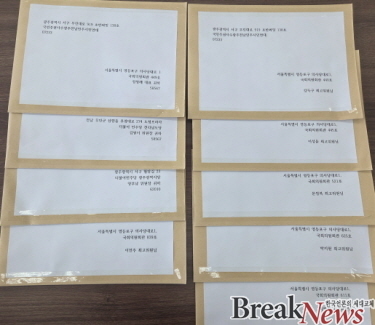
국제앰네스티는 5월 14일, "제21대 대한민국 대통령 선거를 앞두고, 한국에서 시급하게 해결해야 할 10대 인권의제를 더불어민주당, 국민의힘, 개혁신당, 민주노동당 대선후보들에게 전달하고 각 후보자의 입장과 해결 의지를 묻는 서한을 어제(13일) 발송했다"고 밝혔다.
 ▲ 장박가람 국제앰네스티 한국지부 캠페인 본부장은 “12.3 비상계엄 사태 이후 인권을 중심에 둔 리더십이 그 어느 때보다 절실히 요구된다”며, “차기 대통령은 국제인권규범 및 기준에 부합하는 법·제도 개혁과 대응 체계를 수립하고 포괄적인 인권 보호 체계를 구축함으로써, 그 누구도 소외되지 않는 인권 보장을 국정 최우선 과제로 삼아야 할 것”이라고 강조했다. © 김충열 정치전문기자 |
서한발송 기준은 중앙선거관리위원회가 규정한 선거토론회 초청 대상 후보 기준에 따라 선정된 주요 4개 정당의 대통령 후보에게 전달했다.
국제앰네스티가 각 후보자에게 질의하는 10대 인권 의제는 ▲양심과 사상의 자유에 대한 권리 존중 및 증진 ▲여성인권과 젠더 평등 증진, 그리고 온라인 젠더폭력으로부터 자유로울 권리 보장▲성소수자(LGBTI+) 권리 보호 및 차별 종식 ▲차별금지 및 고문금지 ▲기후정의 달성 ▲북한인권 증진 ▲평화적 집회의 자유에 대한 권리 존중 및 증진 ▲표현의 자유에 대한 권리 존중 및 증진 ▲분쟁지역 무기 이전 및 기업의 인권책임 ▲사형제 폐지 등이다.
국제앰네스티는 최근 발표한 <2024 세계인권현황보고서>를 통해 한국의 인권 상황에 대한 다각적 우려를 표명했다. 특히, 2024년 12월 4일 윤석열 당시 대통령이 비상계엄을 선포하면서 집회의 자유를 비롯한 기본권을 제한하고 플라스틱 구속 도구를 사용하는 등 심각한 인권침해 사례가 발생했다고 지적했다.
또한, “2025년 현재까지도 포괄적 차별금지법이 제정되지 않았고, LGBTI+를 포함한 소수자에 대한 혐오와 차별이 지속되고 있으며 디지털 성폭력을 포함한 젠더기반폭력 역시 여전히 개선되지 않고 있다.”며, “정부의 대응은 미흡하며, 집회시위 및 표현의 자유 또한 당국의 자의적인 제한 및 기소 등을 통해 위축되고 있다.”고 밝혔다.
국제앰네스티는 “하마스의 공격 이후 이스라엘이 가자지구에서 팔레스타인 민간인들을 대상으로 한 집단학살을 지속하고 있다”고 지적하며, 한국 정부에 “분쟁 영향을 받는 지역으로의 무기 이전을 금지하고 기업의 인권 실사를 의무화할 것”을 촉구했다. 또한 기후재난과 경제·사회적 불평등, 인공지능 기술 남용에 따른 인권 침해 우려에 대해 정부가 국민들의 권리를 보호하기 위한 적극적 조치를 취할 것을 요구했다.
장박가람 국제앰네스티 한국지부 캠페인 본부장은 “12.3 비상계엄 사태 이후 인권을 중심에 둔 리더십이 그 어느 때보다 절실히 요구된다”며, “차기 대통령은 국제인권규범 및 기준에 부합하는 법·제도 개혁과 대응 체계를 수립하고 포괄적인 인권 보호 체계를 구축함으로써, 그 누구도 소외되지 않는 인권 보장을 국정 최우선 과제로 삼아야 할 것”이라고 강조했다.
각 대선 후보자의 답변은 국제앰네스티 공식 홈페이지 및 소셜미디어 계정을 통해 5월 말 공개될 예정이다. 또한, 각 후보자는 국제앰네스티의 인권의제에 대한 의견 및 추가적인 공약을 자유롭게 제출할 수 있다.
장박가람 본부장은 “이번 캠페인을 통해 각 대선 후보의 구체적인 인권 정책 비전과 이행 의지를 면밀히 검증함으로써, 시민들이 인권 가치에 기반한 정보에 입각하여 신중한 선택을 할 수 있기를 희망한다”고 밝혔다.
이어 “이 캠페인은 차기 대통령의 인권 의제 확립뿐만 아니라, 우리 사회가 안고 있는 주요 인권 과제들을 재조명하고 인권 증진을 위한 사회적 책임에 동참하는 중요한 전환점이 되어야 한다”며, “시민사회가 적극적으로 목소리를 내야 할 때”라고 강조했다.
한편, ‘인권을 묻다: 2025 대통령 후보자에게 보내는 10대 인권의제’ 캠페인에 대한 자세한 사항은 국제앰네스티 한국지부 홈페이지에서 확인할 수 있다. hpf21@naver.com
* 아래는 위 기사를 '구글 번역'으로 번역한 영문 기사의 [전문]입니다. '구글번역'은 이해도 높이기를 위해 노력하고 있습니다. 영문 번역에 오류가 있을 수 있음을 전제로 합니다.
*The following is [the full text] of the English article translated by 'Google Translate'. 'Google Translate' is working hard to improve understanding. It is assumed that there may be errors in the English translation.
Amnesty International “10 Key Human Rights Agenda Issues in Korea, Asking the 21st Presidential Candidates”
Human Rights-Centered Leadership Urgently Needed After the Martial Law Incident on December 3
Amnesty International announced on May 14 that it had sent a letter yesterday (the 13th) to the presidential candidates of the Democratic Party of Korea, the People Power Party, the New Reform Party, and the Democratic Labor Party, conveying the 10 key human rights agenda issues that need to be urgently resolved in Korea ahead of the 21st Presidential Election in Korea, and asking about each candidate’s position and will to resolve them.
The letter was sent to the presidential candidates of the four major parties selected according to the criteria for candidates invited to the election debate set by the National Election Commission.
The 10 human rights agendas that Amnesty International questions each candidate about are ▲Respect and promotion of the right to freedom of conscience and thought ▲Promotion of women’s rights and gender equality, and guaranteeing the right to be free from online gender-based violence ▲Protection of the rights of sexual minorities (LGBTI+) and an end to discrimination ▲Prohibition of discrimination and torture ▲Achieving climate justice ▲Promotion of human rights in North Korea ▲Respect and promotion of the right to freedom of peaceful assembly ▲Respect and promotion of the right to freedom of expression ▲Transfer of arms to conflict zones and corporate human rights accountability ▲Abolition of the death penalty, etc.
Amnesty International expressed multifaceted concerns about the human rights situation in Korea through its recently published <2024 State of Human Rights in the World>. In particular, it pointed out that serious human rights violations occurred when then-President Yoon Seok-yeol declared martial law on December 4, 2024, including restrictions on basic rights including freedom of assembly and the use of plastic restraint devices.
In addition, it stated that “as of 2025, a comprehensive anti-discrimination law has not been enacted, hatred and discrimination against minorities including LGBTI+ continue, and gender-based violence including digital sexual violence has not been improved,” and that “the government’s response is inadequate, and freedom of assembly and expression is also being suppressed through arbitrary restrictions and prosecutions by the authorities.”
Amnesty International pointed out that “after Hamas’ attack, Israel has continued to commit genocide against Palestinian civilians in the Gaza Strip,” and urged the Korean government to “ban arms transfers to conflict-affected areas and make human rights due diligence mandatory for companies.” It also demanded that the government take active measures to protect the rights of its citizens in response to concerns about human rights violations due to climate disasters, economic and social inequality, and the abuse of artificial intelligence technology.
Jang Bak-Ga-Ram, Head of Campaign Headquarters at Amnesty International Korea, emphasized, “After the 12.3 martial law incident, leadership centered on human rights is more urgently needed than ever,” and “The next president should establish a legal and institutional reform and response system that complies with international human rights norms and standards, and establish a comprehensive human rights protection system, thereby making human rights protection that leaves no one behind a top national priority.”
The answers of each presidential candidate will be released on Amnesty International’s official website and social media accounts at the end of May. In addition, each candidate can freely submit their opinions and additional pledges on Amnesty International’s human rights agenda.
Jang Bak-Ga-Ram, Head of Campaign Headquarters, said, “Through this campaign, we hope to closely examine each presidential candidate’s specific human rights policy vision and commitment to implementation, so that citizens can make careful choices based on information based on human rights values.”
He continued, “This campaign should be an important turning point not only for establishing the next president’s human rights agenda, but also for reexamining the major human rights issues facing our society and participating in social responsibility for promoting human rights,” and emphasized, “It is time for civil society to actively speak out.” Meanwhile, details on the ‘Asking Human Rights: 10 Human Rights Agenda for 2025 Presidential Candidates’ campaign can be found on the Amnesty International Korea website. hpf21@naver.com