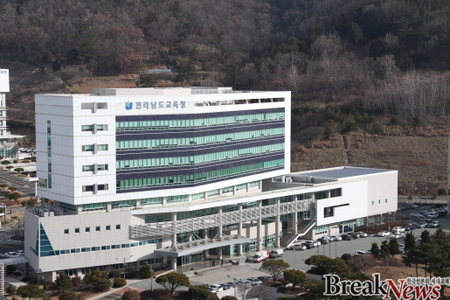
▲ 광양시의 출생아 수가 33개월 만에 다시 세 자릿수 벽을 넘어섰다. 지난 2022년 9월 이후 처음으로 월간 출생아 수가 100명을 넘어서면서 저출산 위기 속에서 이례적인 반등 사례로 주목받고 있다. |
전남 광양시의 출생아 수가 33개월 만에 다시 세 자릿수 벽을 넘어섰다.
지난 2022년 9월 이후 처음으로 월간 출생아 수가 100명을 넘어서면서 저출산 위기 속에서 이례적인 반등 사례로 주목받고 있다.
8일 광양시에 따르면 지난 6월 출생아 수는 100명으로 전년 같은 달보다 61.3% 증가했다. 통상 5월에서 6월로 이어지는 시기는 출생아 수가 감소하는 경향이 있지만, 올해는 이례적으로 증가세로 전환되며 반등세가 더욱 뚜렷해졌다.
시는 이번 결과가 단순한 계절적 변동이 아니라 2024년 7월부터 이어진 12개월 연속 전년 동월 대비 증가세의 연장선상에 있다고 설명했다.
실제로 2025년 상반기 출생아 수는 전년 같은 기간보다 110명(25.1%) 늘어난 548명으로, 전반적인 상승 흐름이 이어지고 있다.
이 같은 변화는 지역 맞춤형 인구정책, 코로나19 이후 사회 전반의 안정감 회복, 혼인율 증가, 결혼 적령기 인구 유입 등이 복합적으로 작용한 결과로 분석된다. 단기적 반등이 아닌 구조적 변화라는 점에서 의미가 크다는 평가다.
광양시는 출생아 수 증가와 더불어 합계출산율도 개선되는 등 인구지표 전반이 회복세를 보이고 있다고 밝혔다.
시의 합계출산율은 2022년 1.06명에서 2023년 0.99명으로 떨어졌으나, 2024년에는 1.09명으로 반등했다.
이에 따라 전국 78개 시 단위 자치단체 중 합계출산율 순위는 2023년 9위에서 2024년 5위로 상승했다. 이러한 수치는 단기적인 수치 변동을 넘어 지속 가능한 인구 회복의 신호로 해석되고 있다.
◇ “청년이 행복한 도시를 위한 정책 강화”
이 같은 변화의 배경에는 청년층의 정착과 주거 안정을 뒷받침한 인구·복지 정책이 있다. 특히 2024년 6월 광양시의 이차전지산업 기회발전특구 지정과 함께 그동안 추진해 온 청년 일자리 및 정주 여건 지원 정책이 시너지 효과를 내며 인구 증가에 힘을 보탰다는 분석이다.
광양시는 ‘청년이 행복한 도시’를 목표로 일자리부터 결혼·임신·출산·보육·교육·정주까지 생애 전 주기를 아우르는 통합 인구정책을 전략적으로 추진 중이다. 이를 통해 ‘평생 살고 싶은 도시’로의 도약을 모색하고 있다.
대표적으로 ▲광양시 스마트 구인구직 플랫폼 ‘굿잡광양’ 개설(2024년 9월) ▲포스코 맞춤형 취업교육 운영(2022~2025년, 누적 947명 취업) ▲청년농업인 대상 광양형 스마트팜 준공(2개 동) 등 청년 일자리 기반 확충에 힘쓰고 있다.
주거 부문에서도 ▲청년주택자금 대출이자 지원 확대(연 최대 200만~300만 원) ▲전남 최초 전세사기 피해자 이자 지원(월 최대 40만 원, 1년간) ▲광양 행복타운 고급형 청년임대주택 건립(2026년 1월 착공 예정) ▲청년 취업자 주거비 지원(월 최대 20만 원, 최대 12개월) ▲산업단지 근로자 기숙사 임차 지원(월 최대 30만 원) 등등 실질적 정책을 펼치고 있다.
특히 인근 도시보다 저렴한 신축 아파트가 많아, 신혼부부와 청년층의 전입이 꾸준히 이어지고 있다는 점도 광양시의 인구 유입에 긍정적 영향을 미치고 있다.
◇ “기쁨은 출산에서, 행복은 육아에서, 해답은 광양에서!”
광양시는 청년 중심 정책과 더불어 임신·출산·양육 전반에 걸쳐 지원을 강화하며 출산율 반등을 뒷받침하고 있다. 시는 365일 운영되는 ‘달빛어린이 병원’을 통해 영유아 야간·공휴일 진료 공백을 해소하고 있으며 올해 안으로 전남공공산후조리원 6호점 개원을 앞두고 있다.
또 아동 중증질환자의 관외 진료 시 교통비를 지원(비수도권 7만 원, 수도권 10만 원, 연 최대 50만 원)하는 등 의료 접근성 개선에도 나서고 있다.
아이를 갖고자 하는 난임가정과 출산가정의 경제적 부담을 줄이기 위한 정책도 다각적으로 추진 중이다. ▲난임부부 교통비 (시술 차수당 최대 20만 원) ▲난임부부 시술비(정부 지원 제외 본인부담금 최대 100만 원 지원, 출산당 25회 한도) ▲임신 축하지원금(100만 원) ▲고령임부 의료비 플러스 (35세 이상 임부 최대 50만 원) ▲산후조리비(일반산모 80만 원→100만 원) ▲출생축하금(거주요건 1년→6개월 완화) ▲출산가정 건강관리 사업 ▲어린이보육재단과 육아종합지원센터 운영 등 시는 임신·출산·양육에 부족함이 없도록 든든하게 지원하고 있다.
특히 “최소 두 아이는 문제없이 키울 수 있다”는 말이 나올 정도로, 광양시만의 생애주기별 복지정책을 담은 ‘생애복지플랫폼’은 출산과 양육을 뒷받침하는 탄탄한 기반이 되고 있다.
시는 태아기부터 노년기까지 전 생애를 아우르는 약 370개의 복지사업을 운영 중이며, 올해 400개 이상으로 확대해 복지 사각지대를 최소화할 방침이다.
이러한 적극적인 인구정책과 복지정책을 기반으로 광양시는 2022년 1,637명, 2023년 498명, 2024년 2,026명이 증가하며 전남 22개 시군 가운데 유일하게 3년 연속 인구 증가를 기록했다. 2025년에도 6월 말 기준 전년 말 대비 628명이 늘며 4년 연속으로 인구 증가세를 이어가고 있다.
황영숙 광양시 출생보건과장은 “출생률 감소와 지역 소멸에 대한 우려가 컸던 상황에서 6월 출생아 수가 100명을 넘어선 것은 ‘세 자릿수 돌파’라는 상징적 의미를 지닌다”며 “지역사회와 광양시의 인구정책 모두에 자신감을 불어넣는 기준선이 됐다”고 말했다.
이어 “이 흐름이 일시적인 상승세에 그치지 않도록 시민과 지속적으로 소통하겠다”며 “임신·출산·양육이 부담이 아닌 기쁨과 행복으로 받아들여질 수 있도록 가족친화적 분위기를 조성하고 더 촘촘하고 실효성 있는 인구정책을 계속 이어가겠다”고 밝혔다.
[아래는 구글로 번역한 영문기사 전문입니다. 영문번역에 오류가 있을 수 있음을 전제로 합니다. Below is the full English article translated by Google. It is assumed that there may be errors in the English translation.]Breaking through the “three digits” in 33 months… Gwangyang City, June births jump by 100...Last year, there were 438 births in the first half of the year, and this year, there were 548, an increase of 110 (25.1%)... Continuing the trend of population growth for 4 consecutive years... Total population increased by 628 compared to the first half of the previous year...Reporter Kim Doo-hwan
The number of newborns in Gwangyang-si, Jeollanam-do, has surpassed the triple-digit mark again after 33 months.
As the number of monthly newborns has exceeded 100 for the first time since September 2022, it is drawing attention as an unusual rebound case amid the low birth rate crisis.
According to Gwangyang-si on the 8th, the number of newborns in June was 100, a 61.3% increase from the same month last year. Usually, the number of newborns tends to decrease from May to June, but this year, it has unusually turned to an increase, making the rebound more evident.
The city explained that this result is not a simple seasonal fluctuation, but an extension of the 12 consecutive months of year-on-year increase since July 2024.
In fact, the number of newborns in the first half of 2025 increased by 110 (25.1%) from the same period last year to 548, continuing the overall upward trend.
This change is analyzed as a result of a combination of factors such as regional customized population policies, the restoration of stability in society as a whole after COVID-19, an increase in the marriage rate, and an influx of people of marriageable age. It is evaluated as significant in that it is a structural change rather than a short-term rebound.
Gwangyang City announced that the overall population indicators are recovering, including an increase in the number of births and an improvement in the total fertility rate.
The city's total fertility rate fell from 1.06 in 2022 to 0.99 in 2023, but rebounded to 1.09 in 2024.
Accordingly, the total fertility rate ranking among 78 city-level local governments nationwide rose from 9th in 2023 to 5th in 2024. These figures are being interpreted as a sign of sustainable population recovery beyond short-term fluctuations in figures.
◇ "Strengthening policies for a city where young people are happy"
Behind this change are population and welfare policies that support the settlement and housing stability of the young generation. In particular, it is analyzed that the youth employment and settlement support policies that have been promoted so far along with the designation of Gwangyang City as a secondary battery industry development special zone in June 2024 have had a synergistic effect and contributed to population growth.
Gwangyang City is strategically promoting an integrated population policy that covers the entire life cycle from employment to marriage, pregnancy, childbirth, childcare, education, and settlement, with the goal of becoming a ‘city where young people are happy.’ Through this, it is seeking to leap forward as a ‘city where people want to live their whole lives.’
Representative examples include ▲Opening of Gwangyang City’s smart job search platform ‘Good Job Gwangyang’ (September 2024) ▲Operation of POSCO’s customized job training (947 people employed in 2022-2025, cumulative employment) ▲Completion of Gwangyang-type smart farms for young farmers (2 buildings), etc., and is working to expand the youth employment base.
In the housing sector, ▲Expansion of youth housing fund loan interest support (up to 2-3 million won per year) ▲Interest support for Jeonnam’s first jeonse fraud victims (up to 400,000 won per month, for 1 year) ▲Construction of high-end youth rental housing in Gwangyang Happy Town (scheduled to begin construction in January 2026) ▲Housing cost support for young employed people (up to 200,000 won per month, for up to 12 months) ▲Industrial complex worker dormitory rental support (up to 300,000 won per month) etc. are being implemented with practical policies.
In particular, since there are many new apartments that are cheaper than those in neighboring cities, the steady influx of newlyweds and young people is also having a positive effect on the population inflow to Gwangyang City.
◇ “Joy comes from childbirth, happiness comes from childrearing, the answer is in Gwangyang!”
Gwangyang City is supporting the rebound in the birth rate by strengthening support across the entire spectrum of pregnancy, childbirth, and childrearing along with youth-centered policies. The city is resolving the gap in night and holiday treatment for infants and toddlers through the ‘Moonlight Children’s Hospital’ that operates 365 days a year, and is planning to open the 6th Jeonnam Public Postpartum Care Center within this year.
It is also working to improve accessibility to medical care by supporting transportation costs for out-of-town treatment for children with severe diseases (70,000 won for non-metropolitan areas, 100,000 won for metropolitan areas, up to 500,000 won per year).
It is also pursuing policies in various ways to reduce the financial burden of infertile families and families who are giving birth. ▲Transportation expenses for infertile couples (up to 200,000 won per procedure) ▲Treatment expenses for infertile couples (up to 1 million won in self-payment excluding government support, 25 times per birth) ▲Pregnancy congratulations support (1 million won) ▲Medical expenses plus for elderly pregnant women (up to 500,000 won for pregnant women aged 35 or older) ▲Postpartum care expenses (800,000 won → 1 million won for general mothers) ▲Birth congratulations (relaxation of residency requirement from 1 year to 6 months) ▲Health management project for families giving birth ▲Operation of the Childcare Foundation and Childcare Comprehensive Support Center, etc. The city is providing solid support so that there are no shortcomings in pregnancy, childbirth, and childrearing.
In particular, the ‘Life Welfare Platform’, which contains Gwangyang City’s own life cycle welfare policies, is becoming a solid foundation for supporting childbirth and childrearing, to the point that people say, “You can raise at least two children without any problems.”
The city is currently operating about 370 welfare projects covering the entire life from fetal to old age, and plans to expand to more than 400 this year to minimize blind spots in welfare.
Based on these active population and welfare policies, Gwangyang City is the only city among 22 cities and counties in Jeollanam-do to record population growth for three consecutive years, with an increase of 1,637 in 2022, 498 in 2023, and 2,026 in 2024. As of the end of June 2025, the population is expected to increase by 628 compared to the end of the previous year, continuing the population growth trend for the fourth consecutive year.
Hwang Young-sook, head of the Birth and Health Division of Gwangyang City, said, “In a situation where there were great concerns about declining birth rates and regional extinction, the fact that the number of births in June exceeded 100 has a symbolic meaning of ‘breaking the triple digits,’” adding, “It has become a baseline that instills confidence in both the local community and Gwangyang City’s population policy.”
He continued, “We will continue to communicate with citizens to ensure that this trend does not end as a temporary upward trend,” and “We will create a family-friendly atmosphere so that pregnancy, childbirth, and childrearing can be accepted as joy and happiness rather than a burden, and we will continue to pursue more detailed and effective population policies.”
원본 기사 보기:브레이크뉴스전남동부