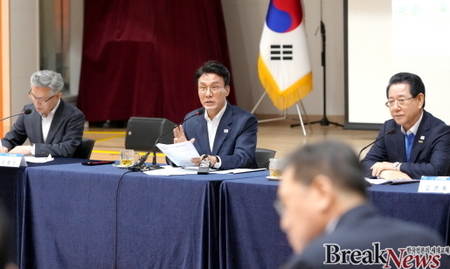
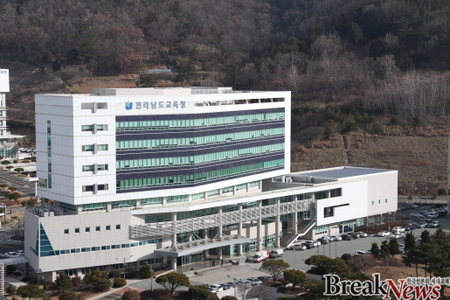
▲ 경남도는 4일 김해, 양산, 밀양을 포함한 동부경남을 대한민국 미래산업을 선도할 첨단산업 중심지로 육성하기 위한 본격적인 전략을 추진한다고 밝혔다. |
[브레이크뉴스=이성용 기자] 경상남도는 김해, 양산, 밀양을 포함한 동부경남을 대한민국 미래산업을 선도할 첨단산업 중심지로 육성하기 위한 본격적인 전략을 추진한다.
2034년까지 6대 분야 112개 사업에 총 5조 7천억 원을 투입해, 동부경제권의 GRDP를 41조 원대로 확대하고 20개 이상의 앵커기업을 추가로 육성·유치한다.또 기술기반 벤처기업을 1,000개 육성하여 청년이 머무는 산업 생태계를 구축할 계획이다.
동부권은 경남 인구의 31.1%인 103만 명이 거주하며, '21년 기준 지역내총생산의 26.4%를 차지하는 핵심 경제권역이다. 그러나 창원·부산·울산 등 대도시에 인접한 지리적 특성으로 인해 그간 자체적 산업 경쟁력 강화와 독립적 성장동력 확보에 어려움을 겪어 왔다.
이에 경남도는 도 차원의 체계적인 산업 육성을 위해 ‘동부경남 산업발전협의회’를 구성했다. 지난해 6월부터 3개 시, 경남테크노파크, 경남연구원, 산업연구원 등과 약 1년간 협업해 지역 내 산업구조를 고도화하고 지역경제 자립을 실현할 ‘동부경남 첨단산업 육성 전략’을 마련했다.
동부경남은 트라이포트 기반의 지리적 우위와 풍부한 인적자원·혁신역량을 바탕으로, 글로벌 경쟁력을 갖춘 첨단산업 중심지로 성장할 잠재력을 보유했다.
이러한 강점을 활용해 자동차·물류 등 기존 산업에는 가상 모형(디지털 트윈), 인공지능(AI) 기술 등을 적용하고 바이오메디컬·수소·나노융합 등 신산업을 육성해, ‘AI 융복합 첨단산업의 거점’으로 만들어 경남의 경제성장을 견인할 계획이다.
유사한 산업구조를 가진 동부경남의 산업 발전을 위해서는 개별 지자체 간 경쟁보다 강점을 지닌 지역을 중심으로 연계·협력하는 전략이 중요한 만큼, 공통적인 6대 분야를 선정하고, 15대 핵심과제를 선정했다.
▲자동차 산업의 패러다임이 기존 탄소 중심 내연기관차에서 전기차·수소차·자율주행차 등 미래자동차 중심으로 급변하고 있다. 동부경남에는 부울경 완성차 업계에 공급하는 자동차 부품기업이 밀집해 있으나, 중소기업 자체 역량만으로는 미래차 전환에 어려움이 많으므로 기술지원 인프라를 조성해 자동차 부품기업의 업종전환과 성장을 지원한다.
▲공항·항만·철도 트라이포트 조성에 맞춰 동북아 물류 플랫폼 기능을 수행하기 위해서는 자동화된 물류시스템 구축이 필요하나, 대부분 외산 부품에 의존하고 있다. △김해 물류·로봇·반도체 융합 허브 조성을 통해 로봇 시스템통합(SI)기업 중심의 디지털 물류장비와 기술을 개발하고, △양산 내륙컨테이너기지(ICD) 내 UN국제물류센터 유치 △밀양 농식품 글로벌 수출 허브 구축을 통해 다양한 분야로 성장 기반을 확장한다.
▲양산 바이오메디컬산업 혁신거점 △김해 의생명·의료기기 클러스터를 조성해 바이오헬스 스타트업 육성과 제조기업의 의료기기 업종전환을 지원한다.
고령화 시대로 헬스케어 시장이 성장함에 따라 바이오메디컬 산업의 전망은 밝으나, 의료 분야는 낮은 접근성, 복잡한 규제, 임상, 인허가 등으로 신규 진입에 어려움이 많다. 이에 양산부산대병원, 인제대 백병원과 함께 의료현장에서 필요한 기술을 대학에서 개발, 병원에서 임상실증, 기업에서 생산하는 완결형 생태계를 구축한다.
▲밀양 수소특화단지 지정 △김해 액화수소 클러스터 조성을 통해 생산·저장·운송·활용 전 주기에 걸친 수소 기자재 기업을 육성하고, 글로벌 청정수소 시장을 선점한다.
정부는 수소경제 활성화를 위해 2030년까지 수소전문기업 600개, 글로벌 수소기업 30개를 육성하겠다고 밝혔다. 이에 발맞춰 창원 소재 선도(앵커)기업, 국책연구기관과 연계해 밀양, 김해로 수소 산업 기반을 확대한다.
▲나노소재 산업은 우주항공, 방위산업, 미래모빌리티, 수소 등 다양한 산업에 적용돼 부가가치를 창출하고 첨단산업의 경쟁력을 강화한다. △밀양 첨단나노복합소재 상용화 허브 구축, △ 양산 우주항공·방산용 실란트 소재 기술개발 및 실증사업을 통해 지역 내 소재·부품기업의 사업 다각화를 지원, 수요-공급망 산업생태계를 구축하며, 나아가 소재 국산화를 통해 세계 시장에 진출할 계획이다.
▲창업기업의 성장을 위해 공간, 자금, 인력 등 지원 기반을 확대한다. 2023년 12월 권역별 창업 핵심거점 중 첫 번째로 동부권에 △양산 G-스페이스 동부를 개소 운영 중이며, 지역 전략산업과 미래 신산업에 투자하는 △벤처투자 펀드를 신규 조성 △교육발전특구 및 글로컬대학 및 지역혁신대학 지원을 통한 첨단산업 정주인재를 양성한다.
▲1,225개 자동차 부품기업이 소재한 김해시는 지역경제에서 자동차 산업이 차지하는 비중이 크다. 미래자동차 부품개발 기술지원 인프라 공급을 위해 2022년부터 명동일반산업단지에 미래자동차 클러스터를 단계별로 조성하고 있다. 가장 먼저 금년 4월 ‘미래자동차 버추얼센터’를 개소했고, 현재 ‘열관리시스템 모듈 성능평가지원센터’와 ‘가상모형 기반 주행플랫폼 개발·평가지원센터’를 건립 중이다. 향후 ‘미래모빌리티 실증센터’ 등 확장현실(XR) 기반의 미래차 부품제조 전주기 지원 기반 구축을 통해 클러스터 단지를 고도화할 계획이다.
▲양산시는 부산대양산캠퍼스, 양산부산대병원, 경남테크노파크 에너지바이오본부, 한국광기술원 등 바이오메디컬 분야의 교육·의료·연구 혁신 기반 인프라를 보유하고 있다. 우수한 인프라와 연계해 관내 의료기기 제조기업을 지원할 수 있도록 종합지원 거점을 조성한다. 부산대학교 양산캠퍼스 첨단산학단지 내 ‘바이오메디컬 이노베이션 센터’를 구축해 병원 인프라를 연계한 기술개발 협력체계를 마련하고 바이오 스타트업 창업·성장을 통합 지원할 수 있도록 내년도 국비 확보에 총력을 기울이고 있다.
▲국내 유일의 ‘나노융합 국가산업단지’는 올해 3월 공사를 완료하고 준공인가 절차가 진행 중이다. 밀양시는 산업단지 경쟁력 강화를 위해 에너지 관련 인프라 구축에도 적극적으로 나서 준공 전 아시아 최대 규모의 에너지저장장치(ESS)와 수소충전소를 설치했다. 현재 ‘나노소재·제품안전성평가지원센터’와 ‘수소환경 소재·부품 기업지원센터’를 건립 중이며, 지난 4월에는 ‘수소상용차용 액화수소 활용 지원센터’ 공모사업에 선정되는 등 수소 산업 생태계가 착착 조성되고 있다. 도는 밀양시가 수소특화단지에 지정되도록 새 정부 국정과제 반영을 체계적으로 대응하고 있다.
김명주 경제부지사는 “동부경남 첨단산업 육성 전략을 통해 동부경남이 동남권 미래성장의 주도권을 확보하고, 대한민국 균형발전에 기여할 수 있도록 최선을 다하겠다”고 밝혔다.
*아래는 위 기사를 '구글 번역'으로 번역한 영문 기사의 [전문]입니다. '구글번역'은 이해도 높이기를 위해 노력하고 있습니다. 영문 번역에 오류가 있을 수 있음을 전제로 합니다.
*Below is the [full text] of the English article translated using ‘Google Translate’.‘Google Translate’ is working to increase understanding.It is assumed that there may be errors in the English translation.
Eastern Gyeongnam Promotes 112 Projects in 6 Key Sectors, Investing a Total of KRW 5.7 Trillion
Emerging as a Hub for Artificial Intelligence (AI) Convergence, Future Mobility, Biomedical, and Hydrogen Advanced Industries
Gyeongsangnam-do Province is launching a full-fledged strategy to foster Eastern Gyeongnam, including Gimhae, Yangsan, and Miryang, as a cutting-edge industrial hub that will lead Korea's future industries.
By 2034, a total of KRW 5.7 trillion will be invested in 112 projects in six key sectors. This will increase the eastern economic zone's GRDP to KRW 41 trillion and foster and attract more than 20 additional anchor companies. Furthermore, the province plans to foster 1,000 technology-based venture companies to build an industrial ecosystem that attracts young people.
The eastern region is home to 1.03 million people, or 31.1% of Gyeongnam's population, and is a key economic region, accounting for 26.4% of the region's GDP as of 2021. However, due to its geographical proximity to major cities like Changwon, Busan, and Ulsan, Gyeongnam Province has struggled to strengthen its own industrial competitiveness and secure independent growth engines.
In response, Gyeongnam Province established the "Eastern Gyeongnam Industrial Development Council" to systematically foster industry at the provincial level. Beginning in June of last year, the council worked with three cities, Gyeongnam Technopark, the Gyeongnam Research Institute, and the Korea Institute for Industrial Economics and Trade for approximately one year to develop the "Eastern Gyeongnam Advanced Industry Development Strategy," which aims to advance the region's industrial structure and achieve regional economic self-sufficiency.
Leveraging its geographical advantage as a tri-port region, coupled with its abundant human resources and innovative capabilities, Eastern Gyeongnam possesses the potential to grow into a globally competitive advanced industry hub.
Leveraging these strengths, the province plans to apply virtual models (digital twins) and artificial intelligence (AI) technologies to existing industries like automobiles and logistics, while fostering new industries like biomedical, hydrogen, and nano-convergence. This will create a "hub of AI-converged advanced industries" and drive Gyeongnam's economic growth.
For the industrial development of Eastern Gyeongnam, which has a similar industrial structure, a strategy of cooperation and collaboration centered on regions with strengths is more important than competition among individual local governments. Therefore, six common areas were selected and 15 key tasks were identified.
▲The automotive industry's paradigm is rapidly shifting from the existing carbon-focused internal combustion engine vehicle to future vehicles such as electric vehicles, hydrogen vehicles, and autonomous vehicles. Eastern Gyeongnam is home to a high concentration of auto parts companies supplying the Busan, Ulsan, and Gyeongnam auto industry. However, SMEs alone face challenges in transitioning to future vehicles. Therefore, a technology support infrastructure will be established to support the industry transformation and growth of auto parts companies.
▲To function as a Northeast Asian logistics platform in line with the development of the airport, port, and railway triport, an automated logistics system is necessary. However, most of the region relies on imported parts. △The Gimhae Logistics, Robotics, and Semiconductor Convergence Hub will be established to develop digital logistics equipment and technologies centered on robotic system integration (SI) companies. △The UN International Logistics Center will be located within the Yangsan Inland Container Depot (ICD). △The Miryang Agricultural and Food Global Export Hub will be established to expand the foundation for growth across diverse sectors.
△The Yangsan Biomedical Industry Innovation Hub and the Gimhae Biomedical and Medical Device Cluster will be established to foster biohealth startups and support the transition of manufacturing companies to the medical device industry.
With the aging population and the growing healthcare market, the biomedical industry has a bright future. However, the medical sector presents challenges due to limited accessibility, complex regulations, clinical trials, and licensing procedures. Therefore, in collaboration with Yangsan Pusan National University Hospital and Inje University Paik Hospital, a complete ecosystem will be established where universities develop technologies necessary for medical practices, hospitals conduct clinical trials, and companies produce them.
▲The Miryang Hydrogen Specialized Complex will be designated and the Gimhae Liquid Hydrogen Cluster will be established to foster hydrogen equipment companies across the entire cycle of production, storage, transportation, and utilization, thereby securing a leading position in the global clean hydrogen market.
To revitalize the hydrogen economy, the government announced its goal of fostering 600 hydrogen-specialized companies and 30 global hydrogen companies by 2030. In line with this, the government will collaborate with leading (anchor) companies and national research institutes in Changwon to expand the hydrogen industry base in Miryang and Gimhae.
▲The nanomaterials industry will be applied to diverse industries, including aerospace, defense, future mobility, and hydrogen, creating added value and strengthening the competitiveness of advanced industries. ▲The Miryang Advanced Nanocomposite Materials Commercialization Hub will be established, and ▲technology development and demonstration projects for mass-produced aerospace and defense sealant materials will be supported to support the business diversification of local materials and components companies, establishing a demand-supply chain industrial ecosystem. Furthermore, the government plans to domestically produce materials to enter the global market.
▲To support the growth of startups, we will expand our support base, including space, funding, and human resources. The first regional startup hub, Yangsan G-Space East, will open in the eastern region in December 2023. We will also establish a new venture investment fund to invest in regional strategic industries and future new industries. We will also foster established talent in advanced industries through support for education development special zones, glocal universities, and regional innovation universities.
▲With 1,225 auto parts companies located in Gimhae City, the automotive industry plays a significant role in the local economy. To provide infrastructure to support the development of future auto parts, a future auto cluster is being developed in stages in the Myeongdong General Industrial Complex starting in 2022. The "Future Auto Virtual Center" opened in April of this year, and the "Thermal Management System Module Performance Evaluation Support Center" and the "Virtual Model-Based Driving Platform Development and Evaluation Support Center" are currently under construction. Going forward, the city plans to enhance the cluster complex by establishing a full-cycle support base for future vehicle parts manufacturing based on extended reality (XR), including a "Future Mobility Demonstration Center."
▲Yangsan City possesses a robust infrastructure for education, healthcare, and research innovation in the biomedical field, including the Pusan National University Yangsan Campus, Pusan National University Yangsan Hospital, Gyeongnam Technopark Energy and Bio Headquarters, and the Korea Photonics Technology Institute. By leveraging this excellent infrastructure, the city will establish a comprehensive support base to support local medical device manufacturers. The city is also making every effort to secure national funding next year to establish a "Biomedical Innovation Center" within the Pusan National University Yangsan Campus' Advanced Industry-Academic Complex, which will link hospital infrastructure to establish a collaborative technology development system. This will also provide integrated support for the creation and growth of bio startups.
▲Korea's only "Nano-Convergence National Industrial Complex" completed construction in March of this year and is currently undergoing the completion approval process. Miryang City has been actively developing energy-related infrastructure to strengthen the competitiveness of its industrial complex. Prior to completion, it installed Asia's largest energy storage system (ESS) and hydrogen charging station. Currently, the "Nanomaterials and Product Safety Assessment Support Center" and the "Hydrogen Environmental Materials and Components Enterprise Support Center" are under construction. Furthermore, in April, the city was selected for the "Liquid Hydrogen Utilization Support Center for Hydrogen Commercial Vehicles" competition, demonstrating the steady development of a hydrogen industry ecosystem. The province is systematically responding to the new administration's national agenda to ensure Miryang City's designation as a hydrogen-specialized complex.
Deputy Governor for Economic Affairs Kim Myung-joo stated, "Through the Eastern Gyeongnam Advanced Industry Development Strategy, we will do our utmost to ensure that Eastern Gyeongnam secures a leading role in the future growth of the southeastern region and contributes to the balanced development of the Republic of Korea."
원본 기사 보기:브레이크뉴스경남