사회적기업은 고용 취약계층 보호, 지역문제 해결, 돌봄·환경 등 공익서비스를 제공하며 사회의 지속가능성을 떠받치는 핵심 주체다.
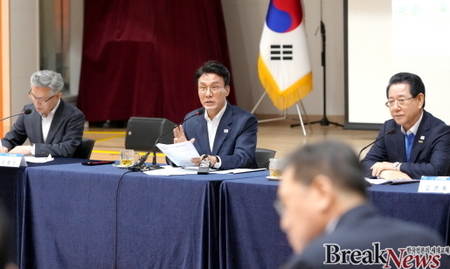
 ▲ 사진=박정 국회의원 |
그러나 현재 사회적기업은 개별 사업장 단위로 분절되어 있어 정책 건의나 협업, 공동사업 추진 등에서 집합적 영향력과 협상력이 매우 제한적인 실정이다.
정부 역시 사회적기업을 ‘지원의 대상’으로만 바라보는 경향이 강해 자율적 거버넌스 기반이 취약하다는 지적이 제기된다.
이로 인해 정책 설계 단계에서 현장의 목소리가 충분히 반영되지 못하고, 위기 상황에서는 개별기업이 고립되어 도산이나 사업 축소로 이어지는 악순환이 반복되고 있다.
사회적금융이나 공공조달 등 연계사업 참여율이 낮은 것도 이러한 제도적 한계의 결과로 꼽힌다.
국회 기후에너지환경노동위원회 박정 의원(경기 파주을)은 30일 고용노동부 국정감사에서 “지금의 사회적기업은 ‘정책의 객체’로 머물러 있다”며 “이제는 스스로 정책을 제안하고 실행할 수 있는 집합적 대표성과 실행력의 틀을 만들어야 한다”고 강조했다.
박 의원은 사회적기업의 재정적·운영적 위험에 대응하기 위한 ‘사회적기업 공제회’ 설립 필요성을 제시했다.
공제회는 구성원 간 위험을 분산하고, 경영위기나 재해·실직 등 위기 상황에서 상호 지원이 가능한 민간형 사회안전망이다.
아울러 회원기업이 출자한 기금을 사회적금융이나 사회혁신펀드로 재투자한다면 자금의 선순환 구조를 통해 사회적경제 전체의 지속가능성을 높일 수 있다고 설명했다.
그는 “협의회와 공제회는 단순한 조직이 아니라 사회적경제의 자생력과 복원력을 높이는 제도적 인프라”라며 “협의회를 통해 현장의 목소리를 정책에 반영하고, 공제회를 통해 위험을 함께 나누는 상호부조 체계를 마련해야 한다”고 말했다.
이어 “지금까지 사회적기업 정책은 정부 보조 중심의 단기 지원에 머물러 왔다”며 “이제는 지원에서 자립으로, 개별에서 집합으로, 단기보조에서 지속가능한 순환체계로 전환해야 한다”고 덧붙였다.
박정 의원은 “사회적기업이 스스로 협력하고 자원을 모으는 힘을 갖출 때 비로소 지속가능한 사회적경제가 가능하다”며 “노동부가 협의회와 공제회 제도화를 적극 검토해야 한다”고 촉구했다.
*아래는 위 기사를 '구글 번역'으로 번역한 영문 기사의 [전문]입니다. '구글번역'은 이해도 높이기를 위해 노력하고 있습니다. 영문 번역에 오류가 있을 수 있음을 전제로 합니다.<*The following is [the full text] of the English article translated by 'Google Translate'. 'Google Translate' is working hard to improve understanding. It is assumed that there may be errors in the English translation.>
Social enterprises are key players in supporting social sustainability by providing public services such as protecting the vulnerable, resolving local issues, and providing care and environmental services.
However, social enterprises are currently fragmented into individual workplaces, severely limiting their collective influence and negotiating power in policy proposals, collaborations, and joint projects.
The government also tends to view social enterprises solely as "objects of support," leading to criticism that their foundation for autonomous governance is weak.
This has led to insufficient reflection of field voices in policy design, and in times of crisis, individual enterprises become isolated, leading to a vicious cycle of bankruptcy or business downsizing.
The low participation rate in linked projects such as social finance and public procurement is also attributed to these institutional limitations.
Representative Park Jeong (Paju B, Gyeonggi Province), a member of the National Assembly's Climate, Energy, Environment, and Labor Committee, emphasized during the Ministry of Employment and Labor audit on the 30th, "Currently, social enterprises remain 'objects of policy.'" He added, "We must now create a framework for collective representation and implementation that empowers them to propose and implement policies independently."
Representative Park proposed the establishment of a "Social Enterprise Mutual Aid Association" to address the financial and operational risks of social enterprises.
A mutual aid association is a private social safety net that distributes risks among members and provides mutual support in times of crisis, such as management crises, disasters, or unemployment.
He further explained that reinvesting member companies' contributions into social finance or social innovation funds can enhance the sustainability of the entire social economy through a virtuous cycle of funds.
He stated, "The council and the mutual aid association are not mere organizations; they are institutional infrastructure that enhances the self-sufficiency and resilience of the social economy." He added, "Through the council, we must reflect the voices of the field in policymaking, and through the mutual aid association, we must establish a mutual aid system that shares risks."
He continued, "So far, social enterprise policies have focused on short-term support centered on government subsidies. We must now transition from support to self-reliance, from individual to collective, and from short-term assistance to a sustainable, circular system."
Rep. Park Jeong said, “A sustainable social economy is only possible when social enterprises have the power to cooperate and pool resources on their own,” and urged, “The Ministry of Labor should actively consider institutionalizing councils and mutual aid associations.”
원본 기사 보기:브레이크뉴스 경기서부