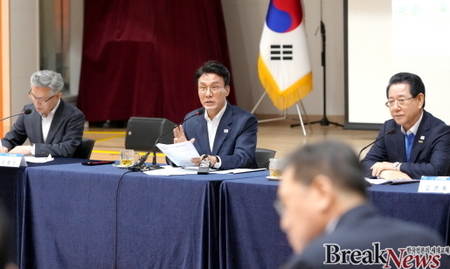
▲ 국회 국토교통위원회 복기왕 의원(더불어민주당, 아산시갑) © 복기왕 국회의원실 제공 |
공공건축물의 에너지 성능 개선을 제도적으로 끌어올리고, 민간 부문 참여를 촉진하기 위한 법 개정이 국회에서 추진된다. 국회 국토교통위원회 소속 복기왕 의원(더불어민주당·충남 아산갑)은 공공부문 그린리모델링을 의무화하고 지원 수단을 다각화하는 내용을 담은 '녹색건축물 조성 지원법 일부개정법률안'을 대표발의했다.
현행 제도는 국가와 지방자치단체가 그린리모델링에 필요한 재정 지원을 할 수 있도록 규정하고 있으나, 공공건축물에 대한 의무 조항이 없어 사업 추진 속도가 더디다는 지적이 이어져 왔다. 민간 영역 역시 이자 지원 중심의 제한적 지원에 머물러, 에너지 효율 개선을 체계적으로 확산시키기에는 한계가 뚜렷하다는 평가가 많았다.
개정안은 이러한 구조적 제약을 보완하는 데 초점을 맞췄다. 우선 ‘그린리모델링’의 법적 개념을 명확히 해 기존 건축물의 단열·창호·환기 등 에너지 관련 요소를 개선하거나 보강함으로써 성능을 높이는 행위로 규정했다. 이를 통해 정책 적용 범위를 분명히 하고, 사업 추진의 일관성을 확보하겠다는 취지다.
또 국토교통부 장관이 에너지 효율 개선이 시급한 공공건축물을 지정해 그린리모델링을 의무적으로 추진하도록 하는 절차를 신설했다. 지정 통보를 받은 시설의 관리 주체는 국방·군사시설 등 특별한 사유가 없는 한 사업계획을 수립해 승인 절차를 거쳐 이행해야 한다. 공공부문이 선도적으로 나서도록 법적 장치를 마련한 셈이다.
지원 방식 역시 확장된다. 보조금에 국한됐던 기존 틀에서 벗어나 융자, 이자 감면, 전문 컨설팅 제공 등 다양한 수단을 활용할 수 있도록 근거를 뒀다. 특히 기초생활수급자, 차상위계층, 장애인 등 취약계층 소유 건축물은 우선 지원 대상으로 명시해 에너지 비용 부담 완화와 주거 환경 개선을 함께 도모하도록 했다. 민간 영역에서는 우수 사례 발굴과 확산, 홍보 사업 등을 통해 참여를 유도하는 조항도 포함됐다.
건물 부문은 국내 전체 에너지 소비의 약 20%를 차지하는 것으로 알려져 있다. 기존 건축물의 성능 개선 없이는 탄소중립 목표 달성이 어렵다는 점에서, 이번 개정안은 단순한 지원 확대를 넘어 정책의 실행력을 높이는 전환점이 될 수 있다는 평가가 나온다. 공공의 의무 이행을 출발점으로 삼아 민간까지 확산시키는 구조를 갖췄다는 점에서, 녹색건축 정책의 실효성을 끌어올릴 제도적 기반으로 주목된다.
*아래는 위 기사를 '구글 번역'으로 번역한 영문 기사의 [전문]입니다. '구글번역'은 이해도를 높이기를 위해 노력하고 있습니다. 영문 번역에 오류가 있을 수 있음을 전제로 합니다.<*The following is [the full text] of the English article translated by 'Google Translate'. 'Google Translate' is working hard to improve understanding. It is assumed that there may be errors in the English translation.>
The National Assembly is pursuing legal revisions to institutionalize energy performance improvements in public buildings and encourage private sector participation. Representative Bok Gi-wang (Democratic Party of Korea, Asan A, South Chungcheong Province), a member of the National Assembly's Land, Infrastructure, and Transport Committee, has sponsored a bill to partially amend the Green Building Construction Support Act, which mandates green remodeling in the public sector and diversifies support measures.
The current system allows the central and local governments to provide financial support for green remodeling projects. However, the lack of mandatory provisions for public buildings has led to criticism that this has slowed the project's progress. The private sector's support, too, remains limited, focusing on interest subsidies, and has been widely criticized as limiting the systematic expansion of energy efficiency improvements.
The amendment focuses on addressing these structural limitations. First, it clarifies the legal definition of "green remodeling" to define it as the act of improving or reinforcing energy-related elements such as insulation, windows, and ventilation in existing buildings to enhance their performance. This aims to clarify the scope of policy application and ensure consistency in project implementation.
Furthermore, a new procedure has been established whereby the Minister of Land, Infrastructure and Transport designates public buildings in urgent need of energy efficiency improvements and mandates green remodeling. The management entity of a designated facility must develop a project plan and implement it through an approval process, unless there are special circumstances, such as national defense or military facilities. This legal framework effectively encourages the public sector to take the lead.
Support methods have also been expanded. Moving beyond the existing framework of subsidies, the new system allows for a wider range of tools, including loans, interest reductions, and professional consulting. In particular, buildings owned by vulnerable groups, such as those receiving basic livelihood security, the near-poor, and people with disabilities, will be given priority for support, aiming to alleviate energy costs and improve living environments. Provisions have also been included to encourage private sector participation through the discovery, dissemination, and promotion of best practices.
The building sector is known to account for approximately 20% of total domestic energy consumption. Given that achieving carbon neutrality goals is difficult without improving the performance of existing buildings, this amendment is seen as a turning point, going beyond simple expansion of support and enhancing the policy's effectiveness. Its structure, which begins with public obligations and expands to the private sector, is attracting attention as an institutional foundation for enhancing the effectiveness of green building policies.
원본 기사 보기:브레이크뉴스대전세종충청