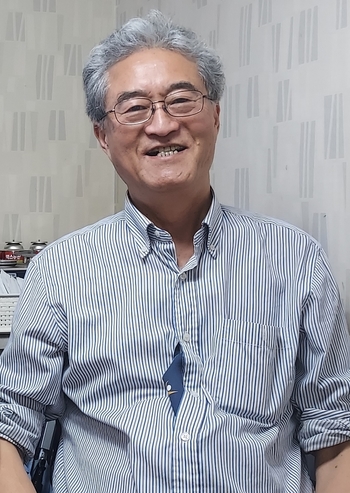
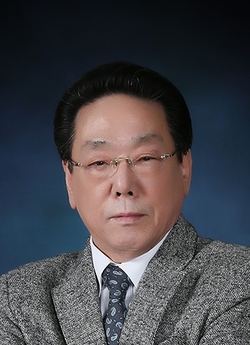
▲필자/ 민병홍 칼럼니스트 ©브레이크뉴스 |
정당모임을 제외한 동창회나 친목회모임의 금기사항이 정치에 관한 발언이다. 경상도와 국민의힘은 정통, 호남과 민주당은 빨갱이라는 정서. 묻지도 따지지도 않고 상대를 폄하하고 인정하지 않는 정서가 고착화된 이유 때문이다. 심지어 소모임을 결성할 때도 주도자의 정치성향에 따라 구성원이 결정된다. 이러한 모임에서의 정치적 발언은 결론을 서로가 확인하는 절차적 대화일 뿐이다.
상대가 잘하는 것도 아전인수로 해석하고 작으마한 틈새를 공략하는 정당의 특성적 주장을 묻지도 따지지도 않고 부화뇌동한다. 그러면서 “정치는 나쁘다“ 로 결론을 지어버리고 심지어 혐오한다.
필자는 이러한 편견을 가지게 된 이유로 다음 세대와 공익을 위하는 정치가(政治家)가 아닌 다음 선거와 사익만을 위하는 정치인(政治人)의 그릇된 주장을 검증하지 않는 것을 꼽는다. 혈연, 학연, 지연, 안보에 함몰되어 있는 정당의 주장 때문이기도 하다. 특히 당대표의 주장을 검증 없이 그대로 받아들이는 자세 때문이라 결론 짓는다. 정치인(政治人)이 나쁘고 싫은 것을 정치가 나쁘다. 싫다하고 심지어 혐오하고 있다.
정치는 나라를 다스리는 의미이며 오직 국민의 안정적인 삶과 행복을 위하는 것이다. 나라의 주인인 국민의 입장에서는 정치는 생활필수품과 같다. 오히려 이해하고 존중하여야 하는데 나라를 다스리는 방식에 있어서 정당의 이익과 권력만을 생각하는 정치인(政治人)을 싫어하는 마음에서 “정치는 나쁜 것”이라 결론을 내리고 있는 것이다.
우리(국민)는 우리의 안정적 삶과 행복을 위하여 폴리스와 아고라를 통해 찾고 이를 실현해줄 지도자(대통령. 국회의원, 단체장)를 선출하고 있는 것이다.
고로, 정치는 우리가 하는 것이다. 우리에 의한 우리의 정치, 바로 민주주의 정치이다. 이를 필자는 “민주주의는 국민의 정치인식도에 의해 만들어 진다”고 주장한다.
우리의 끝없는 대화와 토론이 우리의 안정적 삶과 행복이기 때문이다. 정치는 나쁘다며 대화와 토론을 거부하는 것이 올바른 우리의 자세인지 돌아보아야 한다.
이제 본격적인 선거 시즌이 돌아왔다. 누가, 우리가 원하는 우리의 안정적 삶과 행복을 제대로 가져다 줄 사람인지, 다음 세대와 공익만을 추구하는 정치가(政治家)인지를 파악하여 그 사람을 선출하는 시간이 돌아온 것이다. 임기란 한시적인 기간을 정해 놓고 잘하면 다시 시키고 잘 못하면 바꾸기 위하여 만들어 놓은 제도이다.
올곶은 사람을 파악하는 것은 어렵지 않다. 200여년 전 최한기 학자께서 말하고 선거관리위원회 앞에 세워놓은 세상의 괴로움과 즐거움은 선거에 달려있는 천하우락재선거(天下憂樂在選擧). 위에 올 곶은 사람을 세우면 아래가 올 곶아 진다는 거직조제왕 능사왕자직(擧直措諸枉 能使枉者直)에 부합하는 사람을 선택하면 되는 일이다.
다시한번 강조하건데 다음 선거와 사익만을 추구하는 정치인(政治人)이 나쁘다는 것을 정치가 나쁘다고 섣부르게 판단하여서는 민주주의가 정착되지 않는다. 정치는 우리가 우리의 안정적 삶과 행복을 위하는 우리의 생활필수품이기에 끝없는 대화와 토론를 통한 합의가 우리가 할 일이다.
*필자/민병홍 칼럼니스트
*아래는 위 기사를 '구글 번역'으로 번역한 영문 기사의 [전문]입니다. '구글번역'은 이해도 높이기를 위해 노력하고 있습니다. 영문 번역에 오류가 있을 수 있음을 전제로 합니다.<*The following is [the full text] of the English article translated by 'Google Translate'. 'Google Translate' is working hard to improve understanding. It is assumed that there may be errors in the English translation.>
Why has politics become a target of hatred?
- Columnist Min Byeong-hong
Except for political gatherings, political discussions are taboo at alumni and social gatherings. The sentiment is that Gyeongsang Province and the People Power Party are orthodox, while Honam and the Democratic Party are communists. This is because the mindset of disparaging and refusing to acknowledge others without question or inquiry has become entrenched. Even when forming small groups, members are determined by the leader's political leanings. Political statements in these gatherings are merely procedural dialogues where everyone confirms their conclusions.
They interpret the other party's strengths as self-serving, and they blindly follow the party's characteristic arguments for exploiting small niches. In the process, they conclude, "Politics is bad," and even despise it.
The author attributes this bias to the failure to verify the flawed claims of politicians, who prioritize the next election and personal gain over those who prioritize the next generation and the public interest. This bias stems from political parties steeped in nepotism, school ties, regionalism, and national security. In particular, he concludes, it stems from the unverified acceptance of the party leader's claims. He concludes that politics is bad because politicians are bad and unpalatable. He dislikes and even loathes politicians.
Politics is about governing a nation and solely serves the stable lives and happiness of its citizens. From the perspective of the citizens, the masters of the nation, politics is a necessity. Rather, it should be understood and respected. Instead, he concludes that "politics is bad" because he dislikes politicians who only consider party interests and power in governing the nation.
We (the people) seek our stable lives and happiness through the polis and the agora, and we elect leaders (presidents, members of the National Assembly, heads of local governments) who will realize them.
Therefore, politics is something we do. It is our politics, by us, and it is democratic politics. This author argues that "democracy is shaped by the people's political awareness."
This is because our endless dialogue and debate are the foundation of our stable lives and happiness. We must reflect on whether rejecting dialogue and debate, claiming that politics is bad, is the right attitude.
The full-fledged election season has now returned. It is time to identify and elect the person who will truly deliver the stable lives and happiness we desire, the politician who only pursues the public interest and the next generation. A term of office is a system designed to be renewed if successful and replaced if not.
It is not difficult to identify a person. Over 200 years ago, scholar Choi Han-gi spoke of the world's suffering and joys, which he placed before the National Election Commission. "The world's sorrows and joys depend on elections," he said. "If you appoint the right person to the top, the rest will follow suit." We simply need to select those who align with the principle of "Geojikjojewangneungsawangjajik" (擧直措諸枉 能使枉者直).
Let me emphasize once again: democracy cannot be established if we hastily judge politicians (政治人) who pursue only the next election and self-interest to be bad, simply because politics is bad. Politics is a necessity for our lives, a necessity that ensures our stability and happiness. Therefore, our role is to reach agreement through endless dialogue and discussion.
*Columnist Min Byeong-hong