(사)하늘문화세계평화광복(이하 HWPL)는 3월2일치 보도자료에서 “마셜제도 핵 유산이 기후 변화와 결합해 심각한 인권 위기로 확산하고 있다는 문제아래, 전 세계 전문가들이 국제 웨비나(온라인 세미나)를 통해 공동 대응을 촉구했다”고 알렸다.
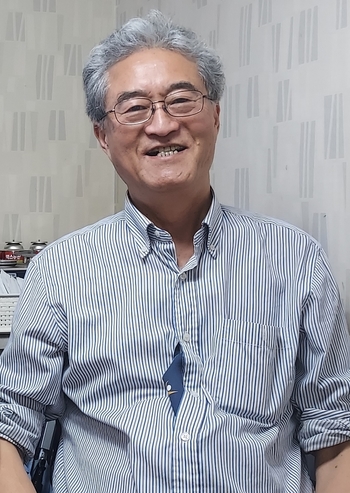
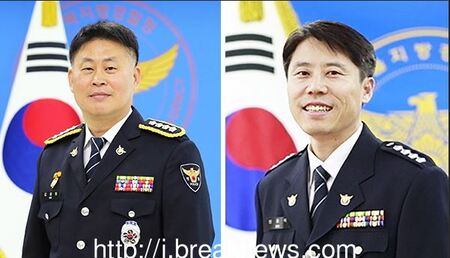
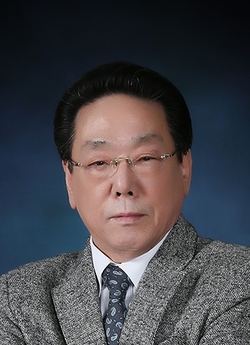
 ▲지난 2월28일 진행된 ‘변화하는 기후 속 핵 유산의 지속적 영향’ 국제 웨비나 발제자 프로필 ©브레이크뉴스 |
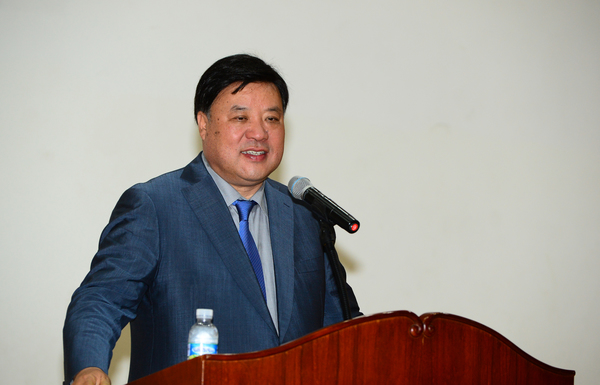
 ▲지난 2월28일 진행된 ‘변화하는 기후 속 핵 유산의 지속적 영향’ 국제 웨비나에서 마셜교육이니셔티드(MEI) 사무총장 베네틱 카부아 메디슨이 발제를 진행 중이다. ©브레이크뉴스 |
 ▲지난 2월28일 진행된 ‘변화하는 기후 속 핵 유산의 지속적 영향’ 국제 웨비나에서 피지공화국 사법부 고등법원 판사 투샤라 라자싱헤(Thushara Rajasinghe)가 발제를 진행 중이다.[사진 제공 = HWPL] ©브레이크뉴스 |
이 자료에 따르면, 국제 평화 NGO (사)하늘문화세계평화광복이 마셜제도 ‘핵 희생자 및 생존자 추모의 날’을 앞두고 핵 유산과 기후 위기가 결합한 인권위기를 주제로 국제 웨비나를 개최했다는 것. 이 논의는 마셜제도 국가 기념일인 ‘핵 희생자 및 생존자 추모의 날(Nuclear Victims and Survivors Remembrance Day)’을 하루 앞두고 열렸다. 이 행사는 마셜제도 핵 오염 문제가 더 이상 지역적 사안에 그치지 않고 전 지구적 환경•보건•안보 의제로 부상하고 있음을 확인하는 자리로 마련됐다.
(사)하늘문화세계평화광복측은 “매년 3월 1일은 지난 1954년 비키니 환초에서 이뤄진 수소폭탄 실험 ‘캐슬 브라보(Castle Bravo)’의 피해를 기리는 날이다. 참가자들은 핵실험 피해가 과거에만 머무르지 않고 ▲방사능 오염 ▲강제 이주 ▲생계 파괴 ▲조상 대대로 이어온 토지 접근권 상실 등 구조적•세대 간 인권 문제로 이어지고 있다고 지적했다. 여기에 해수면 상승, 기상이변 등 기후 위기가 피해를 증폭시키며 ‘중첩된 인권 위기’를 만들고 있다는 점이 핵심 의제로 다뤄졌다.”고 전하고 “마셜제도에서는 지난 1946년부터 1958년까지 총 67차례 핵실험이 진행됐다. 최근 태평양 해수면 상승은 에네웨탁 환초(Enewetak Atoll)의 ‘루닛 돔(Runit Dome)’을 비롯한 오염 지역의 안전을 위협하고 있다는 우려를 낳고 있다. 매립된 방사성 폐기물이 해양 생태계로 재유입 될 경우 지역 공동체 건강과 생존 기반은 물론 주변 해역 전반에 장기적 영향을 줄 수 있다는 지적도 제기 된다”고 소개했다.
또한 “이번 웨비나는 태평양, 유럽, 아시아 등을 잇는 디지털 플랫폼을 통해 국제 연대의 목소리를 모았다. 웨비나는 히로시 비투스 야마무라(Hiroshi Vitus Yamamura) 전 마셜제도 공공사업부 장관(현 국회의원)이 축사에 나섰다.”고 설명했다. 발제자들은 유럽 시민사회, 국제 인권•환경법, 피해 지역 현장 경험 관점에서 핵 유산과 기후 위기의 교차 문제를 짚었다. EU 기후협약(European Climate Pact) 홍보대사인 랄릿 부살(Lalit Bhusal•네덜란드)은 “핵 유산 의제는 국제 기후 정의 논의에서 주변으로 밀리기 쉽다”며 “시민사회가 지속적으로 공론화해 국제 협력 접점을 넓혀야 한다”고 말했다. 앤디 베르모트(Andy Vermaut•벨기에)도 “피해 공동체 목소리를 기후 의제 중심으로 끌어올리는 노력이 필요하다”고 강조했다.
마셜교육이니셔티드(MEI) 사무총장 베네틱 카부아 메디슨(Benetick Kabua Maddison)은 “세계는 지금 ‘이중의 비극’을 실시간으로 목도하고 있다”며 “마셜제도의 미해결 핵 오염과 기후 위기의 결합은 전 지구적 안보 사안이며 국제사회는 더 이상 외면해서는 안 된다”고 말했다.
투샤라 라자싱헤(Thushara Rajasinghe) 피지공화국 사법부 고등법원 판사는 법적 책임을 화두로 던졌다. 그는 “환경 피해에 대한 국가 책임은 시간이 지나도 소멸하지 않는다”며 “기후 변화로 재부각되는 핵 위험에 대응하려면 책임성을 명확히 하고 예방적 보호를 담보할 실효적 법적 프레임워크를 구축•이행해야 한다”고 촉구했다.
HWPL측은 “이번 웨비나는 ‘평화와 전쟁종식 선언(DPCW)’의 원칙에 기반해 예방적 접근, 국제사회의 공동 책임을 강조하는 인권 중심 논의로 기획됐다. 특히 핵 유산과 기후 취약성을 상호 연결된 인권 위기로 조명해 마셜제도에 대한 국제사회의 관심과 책임 있는 지원을 촉구하는 데 목적을 뒀다”고 강조했다.
HWPL 관계자는 “마셜제도 핵실험 80주년을 맞아 핵 유산 문제가 과거에 머무른 사안이 아니라 현재까지 지속되는 구조적•세대 간 인권 문제임을 국제사회에 환기하고자 했다”며 “기후 변화로 기존 피해가 심화하는 만큼 책임 있는 국제 협력과 실질적 해결책 논의가 필요하다”고 말했다. 이어 이 관계자는 “웨비나를 일회성으로 끝내지 않고 정례화할 계획이며 4월에도 후속 웨비나를 열어 핵 유산과 기후 정의, 국제 인권 보호 체계 역할을 더 구체적으로 논의할 예정이다”고 덧붙였다.
*아래는 위 기사를 '구글 번역'으로 번역한 영문 기사의 [전문]입니다. '구글번역'은 이해도 높이기를 위해 노력하고 있습니다. 영문 번역에 오류가 있을 수 있음을 전제로 합니다.<*The following is [the full text] of the English article translated by 'Google Translate'. 'Google Translate' is working hard to improve understanding. It is assumed that there may be errors in the English translation.>
HWPL Holds International Webinar on Nuclear Legacy and Climate Crisis… “Digital Platform for International Solidarity”
Marshall Islands Nuclear Legacy Issue Revisited as an “Ongoing Issue”… Discussion Linking It with the Climate Crisis
- Reporter Park Jeong-dae
Heavenly Culture, World Peace, Restoration of Light (HWPL) announced in a press release on March 2nd, “Global experts called for a joint response through an international webinar (online seminar) amid concerns that the Marshall Islands’ nuclear legacy, combined with climate change, is escalating into a serious human rights crisis.”
According to the release, the international peace NGO HWPL held an international webinar on the topic of the human rights crisis posed by nuclear legacy and the climate crisis, ahead of the Marshall Islands’ “Nuclear Victims and Survivors Remembrance Day.” The discussion took place a day before the Marshall Islands’ national observance of “Nuclear Victims and Survivors Remembrance Day.” This event was designed to confirm that the Marshall Islands nuclear contamination issue is no longer a regional issue but is emerging as a global environmental, health, and security agenda. The Heavenly Culture World Peace Restoration of Light organization stated, “March 1st of every year is a day to commemorate the damage caused by the 1954 hydrogen bomb test ‘Castle Bravo’ in Bikini Atoll. Participants pointed out that the damage caused by nuclear tests is not limited to the past, but continues to lead to structural and intergenerational human rights issues such as ▲radioactive contamination ▲forced relocation ▲destruction of livelihoods ▲loss of access to ancestral lands. Furthermore, the climate crisis, including sea level rise and extreme weather events, is amplifying the damage and creating a ‘overlapping human rights crisis,’ which was addressed as a key agenda.” They added, “A total of 67 nuclear tests were conducted in the Marshall Islands from 1946 to 1958. Recent sea level rise in the Pacific Ocean has raised concerns that it threatens the safety of contaminated areas, including ‘Runit Dome’ in Enewetak Atoll. If buried radioactive waste is reintroduced into the marine ecosystem, it could threaten the safety of local communities.” It was also pointed out that this could have long-term impacts not only on health and livelihoods but also on the surrounding seas as a whole.”
He also explained, “This webinar brought together voices of international solidarity through a digital platform connecting the Pacific, Europe, and Asia. The webinar featured a congratulatory address by Hiroshi Vitus Yamamura, former Minister of Public Works (now a Member of Parliament) of the Marshall Islands.” The speakers addressed the intersection of nuclear heritage and the climate crisis from the perspectives of European civil society, international human rights and environmental law, and on-the-ground experiences in affected areas. Lalit Bhusal (Netherlands), Goodwill Ambassador for the European Climate Pact, stated, “The nuclear heritage agenda is often marginalized in international climate justice discussions. Civil society must continue to raise public awareness and expand contact points for international cooperation.” Andy Vermaut (Belgium) emphasized, “Efforts are needed to bring the voices of affected communities to the center of the climate agenda.”
“The world is witnessing a ‘double tragedy’ in real time,” said Marshall Education Initiative (MEI) Executive Director Benetick Kabua Maddison. “The combination of unresolved nuclear contamination in the Marshall Islands and the climate crisis is a global security issue, and the international community can no longer ignore it.”
Judge Thushara Rajasinghe of the High Court of Justice of the Republic of Fiji brought up the issue of legal responsibility. He stated, “State responsibility for environmental damage does not lapse with time. To address the nuclear risks resurfacing due to climate change, we must establish and implement an effective legal framework that clearly establishes accountability and ensures preventative protection.”
HWPL emphasized, "This webinar was designed as a human rights-centered discussion, emphasizing a preventative approach and the shared responsibility of the international community, based on the principles of the Declaration of Peace and Cessation of War (DPCW). In particular, it aimed to highlight nuclear heritage and climate vulnerability as interconnected human rights crises, urging the international community to pay attention to and provide responsible support for the Marshall Islands."
An HWPL representative stated, "In commemoration of the 80th anniversary of the Marshall Islands nuclear test, we sought to remind the international community that the nuclear heritage issue is not a matter of the past, but rather a structural and intergenerational human rights issue that persists today. As climate change exacerbates existing damage, responsible international cooperation and discussions on practical solutions are essential." The representative added, "This webinar will not be a one-time event but will become a regular event. A follow-up webinar in April will further discuss nuclear heritage, climate justice, and the role of the international human rights protection system."