|
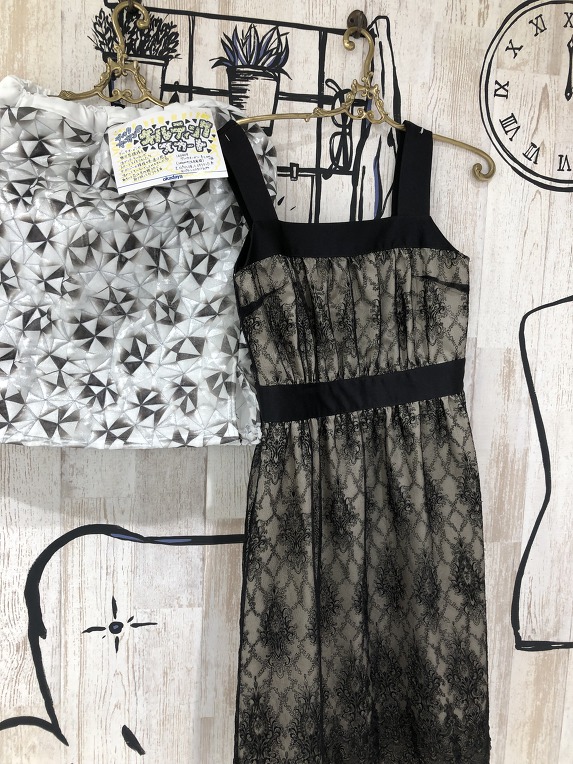
DIY란 예를 들려고(전문업자가 아닌 사람)가 무언가를 만들거나 수선하는 것 DIY is the act of making and repairing something on one's own by someone who is not a specialist English abbreviation Do It Yourself (Douit Youself). In the past in Japan, it was not unusual for a non-professional craftsman or a non- carpenter to make the tools necessary for living or living, or to repair homes, huts or sheds. Some of the products and tools made in this way can still be seen in museums and other places today. After World War II, many people used tools purchased at wood stores to build housing and other infrastructure, and to construct Sunday carpentry as a hobby. DIYとは、しろうと(専門業者でない人)が、何かを自分で作ったり修繕したりすること 英語のDo It Yourself(ドゥ イット ユアセルフ)の略語で、「自身でやる」の意。「D.I.Y.」とも。 かつての日本において、専門の職人や大工ではない庶民が、生活や生業に必要な用具を自作したり、自宅や小屋・納屋を修繕したりすることは、特に農山漁村においては珍しくなかった。こうして作られたものやその道具の一部は現在でも、民具として博物館などで見ることができる。第二次世界大戦後は、戦災からの復興や高度経済成長に伴い、金物・金具店などで購入した道具を使い、住居建築など生活基盤の整備や、趣味としての日曜大工を行う人は多くいた。
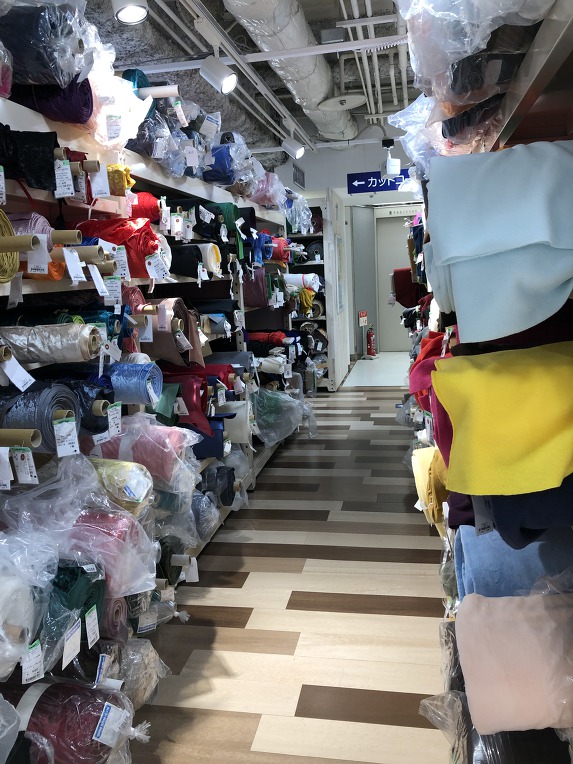
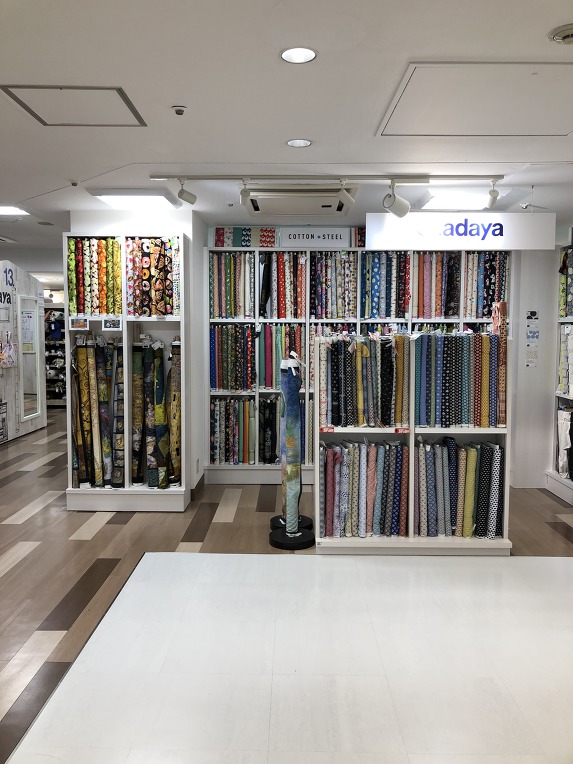
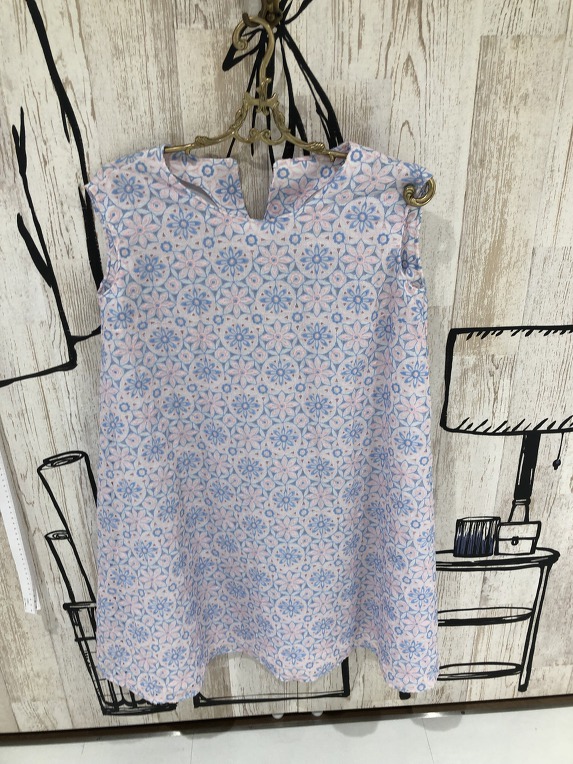
일본은 여전히 아나로그 시스템처럼 재봉틀을 이용하는 사람이 꽤 있다. There are still quite a few people in Japan who use sewing machines like the analog system. 日本はまだアナログシステムのようにミシンを使う人がかなりいる。
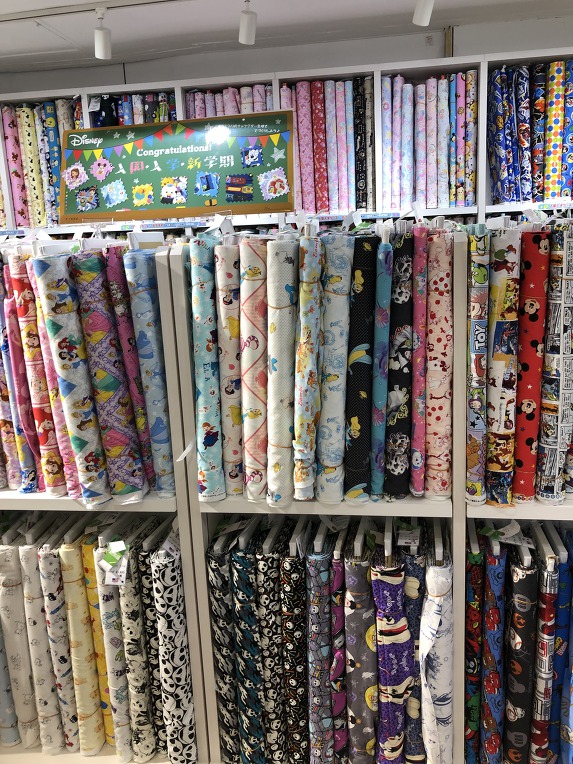
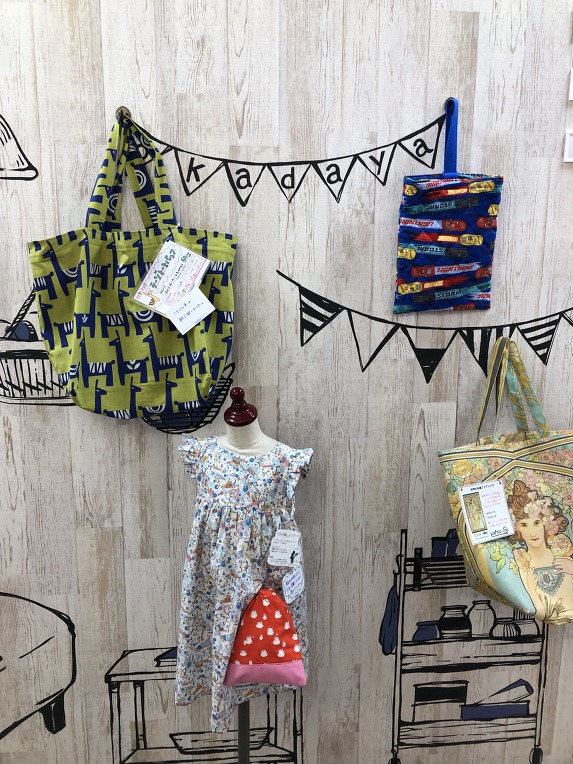
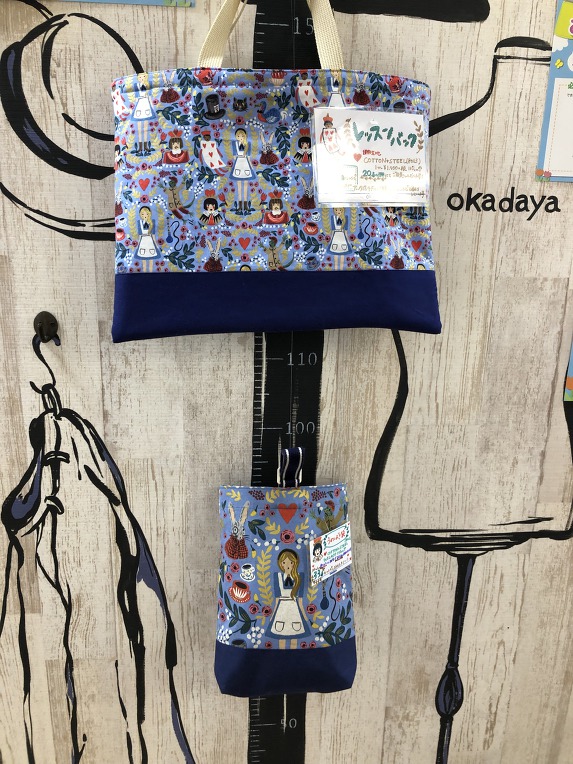
자녀의. 유치원. 초등학교 입학에 사용하는 보조 가방, 신발주머니 등 만드는 사람이 있다. There are people who make auxiliary bags and shoes bag for children's kindergarten, elementary school entrance. 子どもの幼稚園 小学校入学に使用する補助カバン,靴袋などを作る人がいる。
편리한 시대에 불편함을 즐기는 사람들 In a convenient time 便利な時代に不便を楽しむ人々
|