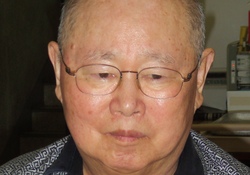
▲ 정길선 박사 ©브레이크뉴스 |
100년만에 열리는 파리 올림픽, 오늘 26일에 개막했다. 사실 이렇게 관심이 없는 올림픽은 역대급이며 대회 시작 전부터 이렇게 말많고 탈 많은 올림픽 또한 역대급인듯 싶다. 이번 파리 올림픽에서는 전 세계에서 약 10,500명의 선수가 참가할 예정이며, 파리 올림픽 조직 위원회는 친환경 건축, 재생 가능 에너지 사용, 낮은 탄소 발자국을 목표로 하고 있는데 이것이 문제가 되고 있다. 애초부터 프랑스는 원자력과 재생에너지의 조화에 기반한 입법과 그로 인한 계획을 포함하는 체계적인 탄소 중립 정책을 수립하여 기후 위기에 대응하고 있는 실정이다.
따라서 저탄소 국가전략, 에너지 다년 프로그램, 생태계획, 기후에너지 전략 등의 계획을 수립하여 탄소 중립 정책을 구체화하고 있으며, 이를 법적으로 뒷받침하기 위한 에너지 기후법, 기후 회복법, 녹색 산업법, 재생 에너지 생산 촉진법을 잇달아 제정하게 된다. 프랑스는 온실가스의 감축과 더불어 태양광 및 육상 풍력 중심의 재생에너지 비중 강화, 시민 주도 입법 등을 수행하였으나 에너지 전환 속도의 개선, 무탄소 에너지원으로서의 원자력의 역할 재정립 등, 여러 한계를 고민하고 있는 실정이다.
2023년 9월에는 마크롱 대통령에 의해 발표된 프랑스의 생태 계획(Planification écologique)은 프랑스의 온실가스 감축을 위한 로드맵 성격이 강한 프로젝트였다. 이 프로젝트는 국민들이 참여할 수 있는 구체적인 행동과 계획들을 수립하고 이를 단계적인 온실가스 감축을 목표로 했다.
프랑스 정부는 이 프로젝트들을 통해 프랑스의 온실가스 배출량을 1990년 4억 3,000만 톤에서 현재 4억 톤으로 줄이면서, 2030년에는 34년 전 보다 6배 많은 2억 7,000만 톤을 감축하고 2050년에는 탄소중립을 달성한다는 목표를 구체화했다. 그 일환으로 2024년 파리 올림픽에도 예외없이 그대로 이 프로잭트를 실행했다.
이 마크롱이 승인한 프랑스 생태 계획(Planification écologique) 프로젝트가 파리 올림픽 내에서도 친환경 올림픽이라는 기치 아래 그대로 실행된 것이다. 그런데 이러한 프로젝트임에도 무색하게 선수단 내에서 불만이 터져 나오고 있다. 선수촌과 경기장을 왕래하는 셔틀버스들은 에어컨을 틀지 않고 운행하고 있다.
매우 더운 날씨에 에어컨을 틀지 않는 가운데 테러 위협에 대비하여 창문도 열리지 않도록 해놓았다. 그로 인해 셔틀버스 내부는 사우나나 마찬가지인 상황이다. 밖의 기온보다 버스가 더 더워지는 상황이 발생하고 선수들이 빽빽히 타면서 오히려 선수들의 컨디션을 저하시키는 요인이 되고 있다. 버스 뿐만이 아니다.
올림픽에 참가한 영국 선수단이 선수촌 음식에 불만을 터뜨리면서 이 또한 문제가 되고 있다. 파리올림픽 조직위원회는 탄소 발자국을 줄이기 위해 선수촌 식당 메뉴의 채식 비중을 높이기 위한 방책이라 했다. 계란, 닭고기, 특정 탄수화물 등이 충분치 않고 선수에게 생고기가 제공되는 등 음식 품질 문제가 생겼다면서 음식을 외부 식당에서 아예 포장해 가기도 했다.
이 정도면 친환경 올림픽이 아니라 선수들의 컨디션을 저하시키는 최악의 올림픽이다. 지난 도쿄올림픽의 수준도 역대 올림픽 중 최악이었는데 이번 파리 올림픽의 수준은 도쿄올림픽의 악명을 넘어섰다.
그리고 이러한 마크롱 정부의 그린 에너지 정책은 진정한 의미에서 친환경 에너지 정책으로 볼 수 없다는 비판의 목소리 역시 거세게 나타나고 있다. 친환경, 지속가능 경제, 그린 에너지 등 탄소 중립 사회 실현에 관한 논의는 프랑스 및 EU 국가 경제 전반에서 첨예한 의견 대립을 이루고 있다.
특히 이번 파리 올림픽이 지나고 나면 원자력 에너지를 비롯한 에너지 정책들이 프랑스 정계에서 주요 이슈 중 하나로 나타날 공산이 크다. 이것이 누구를 위한 올림픽인지, 평화의 대제전다운 모습을 전혀 보여주지 않은 채, 시작한 올림픽이 과연 성공적으로 끝날지는 미지수이다. 특히 탈원전, 탄소 중립을 외치는 한국의 몇몇 지식인들은 이번 파리 올림픽을 보며 무슨 생각이 들까?
*필자/ 정길선.
노바토포스 회원, 역사학자, 고고인류학자, 칼럼니스트, 러시아 과학아카데미 유라시아 고고인류학연구소 연구교수.
*아래는 위 기사를 '구글 번역'으로 번역한 영문 기사의 [전문]입니다. '구글번역'은 이해도 높이기를 위해 노력하고 있습니다. 영문 번역에 오류가 있을 수 있음을 전제로 합니다.<*The following is [the full text] of the English article translated by 'Google Translate'. 'Google Translate' is working hard to improve understanding. It is assumed that there may be errors in the English translation.>
Will the Paris Olympics in France become a festival of peace?
Columnist Jeong Gil-seon
The Paris Olympics, held for the first time in 100 years, opened today, the 26th. In fact, the Olympics with such little interest are unprecedented, and the Olympics with so much talk and trouble even before the start of the competition are also unprecedented. Approximately 10,500 athletes from around the world are expected to participate in the upcoming Paris Olympics, and the Paris Olympic Organizing Committee is aiming for eco-friendly architecture, renewable energy use, and a low carbon footprint, but this is becoming a problem. From the beginning, France has been responding to the climate crisis by establishing a systematic carbon neutral policy that includes legislation based on the harmony of nuclear power and renewable energy and plans based on it.
Therefore, plans such as the low-carbon national strategy, energy multi-year program, ecosystem plan, and climate energy strategy are being established to specify the carbon neutral policy, and the Energy Climate Act, Climate Recovery Act, Green Industry Act, and Renewable Energy Production Promotion Act are being enacted in succession to legally support this. France has implemented measures to reduce greenhouse gases, increase the proportion of renewable energy centered on solar and onshore wind power, and legislate with citizens, but is currently struggling with various limitations such as improving the speed of energy transition and reestablishing the role of nuclear power as a carbon-free energy source.
In September 2023, the French Ecological Plan (Planification écologique) announced by President Macron was a project with a strong roadmap character for reducing greenhouse gases in France. This project established specific actions and plans in which citizens could participate and aimed to reduce greenhouse gases in stages.
Through these projects, the French government has set specific goals of reducing France's greenhouse gas emissions from 430 million tons in 1990 to the current 400 million tons, reducing 270 million tons by 2030, six times more than 34 years ago, and achieving carbon neutrality by 2050. As part of this, this project was implemented without exception for the 2024 Paris Olympics.
This French eco-planning project approved by Macron was also implemented under the banner of an eco-friendly Olympics at the Paris Olympics. However, despite this project, complaints are being raised within the athletes. The shuttle buses that travel between the athletes’ village and the stadium are not operating with air conditioning.
In extremely hot weather, the air conditioning is not on, and the windows are not opened to prevent terrorist threats. As a result, the inside of the shuttle buses is like a sauna. The buses are hotter than the outside temperature, and the athletes are packed tightly, which is actually a factor in lowering their condition. It is not just the buses.
This is also becoming a problem as the British athletes who participated in the Olympics are expressing complaints about the food in the athletes’ village. The Paris Olympic Organizing Committee said that this was a measure to increase the proportion of vegetarian food in the athletes’ village restaurant menu in order to reduce the carbon footprint. They even ordered food to-go from outside restaurants, saying that there were problems with the quality of the food, such as insufficient eggs, chicken, and certain carbohydrates, and raw meat being served to the athletes.
At this level, it is not an eco-friendly Olympics, but the worst Olympics that lower the condition of the athletes. The level of the previous Tokyo Olympics was the worst of all Olympics, and the level of this Paris Olympics has surpassed the infamy of the Tokyo Olympics.
In addition, there are strong voices of criticism that the Macron government's green energy policy cannot be considered an eco-friendly energy policy in the true sense. Discussions on realizing a carbon-neutral society, such as an eco-friendly, sustainable economy, and green energy, are causing sharp conflicts of opinion throughout the French and EU economies.
In particular, after this Paris Olympics, energy policies, including nuclear energy, are likely to emerge as one of the major issues in French politics. It is uncertain who this Olympics is for, and whether the Olympics, which started without showing any sign of a grand festival of peace, will end successfully. In particular, what will some Korean intellectuals who call for nuclear phase-out and carbon neutrality think when they see this Paris Olympics?