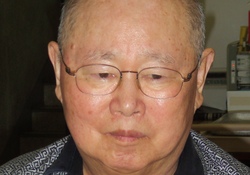
▲ 필자/권기환 박사. ©브레이크뉴스 |
‘한국의 철학’은 과연 무엇인가? ‘한국의 철학’을 연구하는 사람이라면 누구든 한 번쯤 생각해 볼 만한 질문이다. 그런데 이 물음에 관한 선뜻 답하기는 어렵다. 그 까닭은 ‘한국의 철학’의 의미가 불투명하기 때문이다. 일부 사람들은 ‘한국의 철학’이니까 한국철학, 한국의 고유한 철학사상에 한정해서 생각하기도 한다. 이러한 입장은 한국의 고유한 철학사상이 무엇인지가 전제되어야 한다. 한국의 고유한 철학사상이라고 하면 불교, 유교, 도교도 모두 중국철학이기 때문에, 단군신화나 화랑도 같은 사상만이 사실상 해당할 수 있다. 그러나 이러한 입장은 한국의 고유한 철학사상의 범위를 지나치게 축소해서 편협한 국수주의로 귀결될 수 있다. 물론 이러한 주장이 나오게 된 배경은 한국의 고유한 철학으로서 한국철학이 없다는 일본 식민주의적 관점에 대응 차원에서 보면 이해되지 못할 바가 아니다. 식민주의적 관점에 대한 대응방식이 한국의 고유한 철학사상만을 한국철학으로 귀결하는 것은 한국의 고유한 철학사상이 불교, 유교, 도교를 통해 역사적 축적과정을 걸쳐 한국철학의 범주로 들어온 사실을 간과하고, 이것들보다는 우위에 있다는 뜻이 포함되어 있다. 따라서 이것은 한국의 고유한 순수한 철학사상만이 한국을 대표하는 철학으로 간주하고, 한국철학의 범주로 들어온 철학사상일지라도 외래사상으로 단언해 버리고, 이를 배제해 버리는 지극히 폐쇄된 국수주의일 뿐이다.
일부 사람들은 ‘한국의 철학’을 한국이라는 특수한 공간에서 논의된 모든 철학이라고도 생각한다. 그런데 이러한 입장은 얼핏 보면 정당한 듯하지만, 삶과 경험 및 사유체계가 각각 서로 다른데, 이를 무시하고 천편일률적으로 한국에서 논의된 철학이라면 모두 ‘한국의 철학’이라고 한다면, 이것은 일종에 어불성설(語不成說)이다. 그 까닭은 이 경우에 한국인의 삶과 사유체계와 무관한 철학이 ‘한국의 철학’이 될 수 없기 때문이다. 물론 이러한 관점은 ‘한국의 철학’이 한국의 전통적 사유체계 붕괴에 따라, 이를 대체할 만한 한국 철학사상의 부재로 인해 불가피한 측면도 존재한다. 그러나 이러한 관점은 ‘한국의 철학’을 동양철학도 아니고 서양철학도 아닌 모호한 상태로 만들어 버린다. 그것은 ‘한국의 철학’이 한국의 특수한 공간에서 아무런 현실적 대응 논리 없이 그저 추상적 담론에만 매몰된 채 허공을 떠도는 유령과 같은 신세를 면하지 못할 것이다.
필자는 ‘한국의 철학’이 폐쇄된 경직된 국수주의로 가서도 안 되고, 한국인의 삶과 사유체계와 무관한 것이 되어서도 안 된다고 본다. 또 어떤 철학이든지 그저 어떤 특정한 철학자의 한국이 아니라, 한국의 어떤 철학으로 프레임을 바꾸어야 한다. 이를 위해서는 첫째 한갓 특정한 철학의 수용이나 문자적 해석이 아니라, 어떤 철학이든 한국에 들어와서 어느 정도 시간이 지나면, 뭔가 다른 한국만의 독특한 특징으로 기존의 국가들과 구별되는 특징이 표명될 때, 이러한 방식으로 드러난 철학은 ‘한국의 철학’이 될 것이다. 둘째, 어떤 철학이든 한국인의 삶에 기초해서 이를 발전시키고 개선하는 도구가 될 때 비로소 ‘한국의 철학’이 규정될 수 있다. 그렇게만 된다면 어떤 철학인가가 중요하기보다는 ‘한국의 철학’의 목적에 부합하는 철학이 중요하게 될 것이다.
그러나 지난 시간을 돌이켜 보면 두 가지 모두 현실적으로 아직 갈 길이 한참 멀다. 그 까닭은 간략하게 말하면 한국에서 철학의 현실대응 논리가 결핍되어 있다는 점이다. 다시 말해 ‘한국의 철학’이 한국의 현실에 기초해서 문제에 유연하게 대응하기보다 기존의 특정한 이념 혹은 개념에 사로잡혀서 정저지와(井底之蛙)에 안주하고 있기 때문이다. 대표적인 실례가 특정한 철학에 관한 문자적 이해에만 치중한 나머지 스스로 주체적으로 사유하지 못하는 조건에 놓여 있다는 점이다. 그와 같은 상황은 어떤 특정한 철학자의 개념에 우리 자신의 주체적 사유를 가두고, 우리 자신이 스스로 철학을 하는 방식을 방해한다. 그렇게 되면 사실 우리 자신은 철학을 하는 것이 아니라 특정한 철학자의 사상 혹은 개념을 소개하는 방식이 철학을 하는 것이며, 그것이 철학자라고 생각하기 마련이다. 그러나 이것은 철학적 지식을 획득하는 수준에 그칠 뿐, 철학자의 철학하기(Philosophieren)는 아니다. 한국에서 항간에 철학자라고 지칭되는 사람이 엄밀히 말해 철학 연구자이지 철학자라고 할 수는 없다.
더욱이 이러한 상황은 한국에서 철학의 현실대응 논리가 사장되어 버리고, 공허한 추상적 담론만이 무차별적으로 양산된다. 철학이 시대의 아들이고, 시대를 넘어서는 철학이란 철학사에서 확인할 수 있듯이 존재한 적이 결단코 없었다. 철학의 출발점이 바로 궁핍한 시대에 대한 현실대응의 논리로 구체화하기 위한 철학자의 노력에서 성립한다. 그러나 ‘한국의 철학’은 어떤 철학이든지 한국의 토양에 녹아들어 한국인의 삶에 필요한 현실대응의 논리를 발전시키지 못했다. 동양철학이 한국의 토양에 녹아 들어가는 데에는 어느 정도 성취한 부분이 있다. 그러나 한국에서 동양철학은 현실대응에 필요한 논리를 개별적으로 유연하게 발전시키지 못했다. 고전에 대한 훈고학적 해석의 틀에 갇혀 있거나, 과도한 민족주의에 함몰된 복고주의는 한국에 필요한 현실대응의 논리와 무관하게 만들었다. 이와 반대로 서양철학은 현실대응 논리에 공헌한 부분이 있지만, 한국인의 삶을 발전시키는 방향이 아니라 서양의 합리적인 사유체계가 이식되어 서양의 사유체계에 종속되는 결과로 이어졌다. 둘 다 모두 한국에서 철학이 현실대응에 필요한 적합한 논리를 발전시키지 못했다. 그러면 이제 어떻게 해야 하는가?
필자는 우선 ‘한국의 철학’을 한국인의 삶과 사유에 기초해서 규정하는 것이 중요하다고 생각한다. 이를 위해서는 철학이 철학자 소개로부터 문제 중심으로 바꿀 필요가 있을 것이다. 철학적 화두에 대해 과연 어떤 철학이 합당한 논리와 근거를 갖고 답변하게 될 수 있는지가 중요할 것이다. 아무리 탁월한 철학이더라도 이에 관해 아무것도 제공할 수 없다면, 그것은 적어도 한국에서 굳이 필요한 철학이라고 보기 어렵다. 이와 반대로 잘 알려지지 않은 철학일지라도 한국인의 삶과 사유를 발전시키는데 이에 합당한 논리와 근거가 있다면, 한국에서 필요한 철학으로 자리매김할 것이다. 다음으로 ‘한국의 철학’이 대중에게 더 가까이 다가가야 한다. 이를 위해 철학이 한국의 현실로부터 도피하는 통로가 되기보다 문제 해결과 그 대안을 모색하는 적극적으로 역할을 해야 한다. 이를 위해서는 철학이 연구자들만의 리그에서 논의되는 수준을 넘어서서 한국인의 삶을 주체적으로 변화시킬 수 있는 대안과 방법을 모색해야 한다.
철학은 현실이나 시대를 벗어날 수 없는데, 한국에서 철학은 왜 추상적 학문으로 인식되는가? 그것은 한국에서 철학이 추상적 개념들로 도배된 사유체계에 머물러 있으면서 고정된 채 특정한 철학에 경도된 학문적 풍토 탓이 어느 정도 영향을 끼치고 있기 때문이다. 거기에는 철학이 현실적 문제를 다루지 않다는 선입견도 강하게 작동한다. 또 한국에서 철학 연구자들이 지나치게 이론화되는 경향으로 인해 철저한 비판과 검증 없이 맹목적으로 특정한 철학을 따라가다 보니 그 이론을 현실에 적용하거나 실현하거나 실천적으로 나아가지 못했다. 어떤 철학이든지 그 탄생 배경을 지니지 않은 것은 없다. 이를 무시하고 철학을 연구한다는 것은 그야말로 추상적이고 단편화된 몇몇 개념을 갖고, 공허한 놀이를 하는 것에 지나지 않는다. 이러한 상황은 오히려 무분별한 개념들에 대한 이해만이 난무하고, 생산적 논의보다 하등 쓸모없는 소모적인 논쟁만이 있을 뿐이다. 따라서 이러한 방식은 철학을 현실과 무관하게 만들고, 철학의 확장성을 저지한다.
‘한국의 철학’, 이것은 개별적으로 유연하게 현실에 당면한 문제에 대응 논리가 작동할 때 비로소 추상적 담론이 아니라 구체적이고 생동감 있게 한국적 현실에서 한국의 삶과 사유체계를 발전시키는 학문이 될 것이다. 이것이 ‘한국의 철학’이 나아갈 방향이다. jgfichte@naver.com
*필자/권기환
철학박사. 동국대에서 석사학위를, 독일 지겐대 제 1학부(역사-철학과)에서 철학박사학위(Dr. phil.)를 취득했다. 경희대, 경기대, 명지대, 상명대, 강남대, 홍익대 등에서 강의를 했다. 현재는 가천대에서 강의를 하고 있다. 주요 관심사는 독일 관념론, 독일 초기 낭만주의, 프랑스 현상학, 해석학, 동서 비교 철학 등이다. 한국 헤겔학회, 한국칸트학회, 한국해석학회, 한국 현상학회(전 정보이사), 서양 근대철학회 등에서 활동하고 있다.
*아래는 위 기사를 '구글 번역'으로 번역한 영문 기사의 [전문]입니다. '구글번역'은 이해도 높이기를 위해 노력하고 있습니다. 영문 번역에 오류가 있을 수 있음을 전제로 합니다.<*The following is [the full text] of the English article translated by 'Google Translate'. 'Google Translate' is working hard to improve understanding. It is assumed that there may be errors in the English translation.>
Korean Philosophy, Logic That Responds to Reality is Required!
- Kwon Ki-hwan, Columnist
What exactly is ‘Korean philosophy’? This is a question that anyone studying ‘Korean philosophy’ should think about at least once. However, it is difficult to give a ready answer to this question. The reason is that the meaning of ‘Korean philosophy’ is unclear. Some people think of ‘Korean philosophy’ as limited to Korean philosophy and Korea’s unique philosophical thought. This position must presuppose what Korea’s unique philosophical thought is. If we talk about Korea’s unique philosophical thought, Buddhism, Confucianism, and Taoism are all Chinese philosophies, so in reality, only thoughts like the Dangun myth and Hwarangdo can be included. However, this position can excessively narrow the scope of Korea’s unique philosophical thought and end up in narrow-minded nationalism. Of course, the background of this claim is understandable when we consider it as a response to the Japanese colonialist view that there is no Korean philosophy as a unique Korean philosophy. The way to respond to the colonial perspective is to conclude that only Korea’s unique philosophical thought is Korean philosophy, which ignores the fact that Korea’s unique philosophical thought entered the category of Korean philosophy through a historical accumulation process through Buddhism, Confucianism, and Taoism, and implies that it is superior to them. Therefore, this is an extremely closed nationalism that regards only Korea’s unique pure philosophical thought as the philosophy that represents Korea, and even if it enters the category of Korean philosophy, it asserts it as a foreign thought and excludes it. Some people think that ‘Korean philosophy’ is all the philosophy discussed in the special space called Korea. However, this position seems justified at first glance, but if we ignore the fact that each person’s life, experience, and thought system are different and uniformly call all the philosophy discussed in Korea ‘Korean philosophy,’ this is a kind of nonsense. The reason is that in this case, a philosophy unrelated to the life and thought system of Koreans cannot be ‘Korean philosophy.’ Of course, this perspective has an inevitable aspect due to the collapse of Korea’s traditional thought system and the absence of Korean philosophical thought that can replace it. However, this perspective leaves ‘Korean philosophy’ in an ambiguous state that is neither Eastern nor Western philosophy. That means that ‘Korean philosophy’ will not be able to avoid the fate of a ghost floating in the air, buried in abstract discourse without any realistic corresponding logic in Korea’s special space.
I believe that ‘Korean philosophy’ should not become a closed, rigid nationalism, nor should it become something unrelated to the lives and thought systems of Koreans. Also, no matter what philosophy, it should not be simply the Korea of a certain philosopher, but a certain philosophy of Korea. To do this, first of all, it should not be a mere acceptance or literal interpretation of a specific philosophy, but rather, when any philosophy enters Korea and, after a certain period of time, it expresses unique characteristics that are different from those of existing countries, the philosophy revealed in this way will become ‘Korean philosophy. ’ Second, any philosophy can be defined as ‘Korean philosophy’ only when it becomes a tool for developing and improving it based on the lives of Koreans. If that happens, the philosophy that fits the purpose of ‘Korean philosophy’ will be more important than the type of philosophy. However, looking back on the past, both of these things still have a long way to go in reality. The reason for this is, simply put, that the logic of philosophy responding to reality in Korea is lacking. In other words, ‘Korean philosophy’ is not responding flexibly to problems based on the reality of Korea, but is fixated on existing specific ideologies or concepts and is content with being a frog in the well. A typical example is that we are in a condition where we cannot think subjectively because we focus only on the literal understanding of a specific philosophy. Such a situation confines our own subjective thinking to the concepts of a specific philosopher and interferes with the way we do philosophy ourselves. In that case, we are not doing philosophy ourselves, but rather we are doing philosophy by introducing the ideas or concepts of a specific philosopher, and we tend to think that this is what it means to be a philosopher. However, this is only at the level of acquiring philosophical knowledge, not the philosopher's philosophizing (Philosophieren). In Korea, people who are commonly referred to as philosophers are strictly speaking philosophy researchers, not philosophers.
Furthermore, this situation has led to the disappearance of the logic of philosophy's response to reality in Korea, and only empty abstract discourses are indiscriminately mass-produced. As can be seen in the history of philosophy, philosophy is the son of the times, and there has never been a philosophy that transcends the times. The starting point of philosophy is established in the efforts of philosophers to concretize the logic of response to reality in a time of poverty. However, 'Korean philosophy', no matter what kind of philosophy, has not been able to develop the logic of response to reality necessary for the lives of Koreans by being absorbed into Korean soil. There is a certain degree of achievement in the absorption of Eastern philosophy into Korean soil. However, Eastern philosophy in Korea has not been able to develop the logic necessary for response to reality in an individual and flexible manner. Being stuck in the framework of the exegetical interpretation of the classics or being immersed in excessive nationalism has made Korea irrelevant to the logic of responding to reality. On the other hand, Western philosophy has contributed to the logic of responding to reality, but rather than developing the lives of Koreans, it has transplanted Western rational thought systems and resulted in its subordination to Western thought systems. In both cases, philosophy has failed to develop the appropriate logic necessary for responding to reality in Korea. So what should we do now?
I think that it is important to first define ‘Korean philosophy’ based on the lives and thoughts of Koreans. To do this, philosophy needs to change from introducing philosophers to focusing on problems. It will be important to see which philosophy can answer philosophical questions with appropriate logic and basis. No matter how excellent a philosophy is, if it cannot provide anything about this, it is difficult to see it as a philosophy that is necessary in Korea. On the other hand, even if it is not well known, if it has appropriate logic and basis for developing the lives and thoughts of Koreans, it will establish itself as a philosophy that is necessary in Korea. Next, ‘Korean philosophy’ needs to become closer to the public. To this end, philosophy should play an active role in solving problems and seeking alternatives, rather than being a means of escaping from the reality of Korea. To this end, philosophy should go beyond the level of being discussed in the league of researchers and seek alternatives and methods that can actively change the lives of Koreans.
Philosophy cannot escape reality or the times, so why is philosophy perceived as an abstract discipline in Korea? This is because philosophy in Korea remains a system of thought covered in abstract concepts, and the academic atmosphere that is fixed and focused on a specific philosophy has had some influence. The prejudice that philosophy does not address real-world issues also plays a strong role. In addition, because philosophy researchers in Korea tend to be overly theorized, they blindly follow a specific philosophy without thorough criticism and verification, and as a result, they have not been able to apply, realize, or practice that theory in reality. No philosophy is without its own background. Ignoring this and studying philosophy is nothing more than playing an empty game with a few abstract and fragmented concepts. In this situation, only the understanding of indiscriminate concepts is rampant, and there are only useless and wasteful arguments rather than productive discussions. Therefore, this method makes philosophy irrelevant to reality and hinders the expansion of philosophy.
‘Korean philosophy’, when the logic of responding to problems faced in reality individually and flexibly operates, will become an academic discipline that develops Korean life and thought systems in a concrete and vivid Korean reality, not an abstract discourse. This is the direction in which ‘Korean philosophy’ should move forward. jgfichte@naver.com
*Author/Kwon Ki-hwan
Doctor of Philosophy. He received his master’s degree from Dongguk University and his doctorate in philosophy (Dr. phil.) from the first department (history-philosophy) of the University of Siegen in Germany. He has lectured at Kyunghee University, Kyonggi University, Myongji University, Sangmyung University, Kangnam University, and Hongik University. He is currently a lecturer at Gachon University. His main interests include German idealism, early German Romanticism, French phenomenology, hermeneutics, and Eastern-Western comparative philosophy. He is active in the Korean Hegel Society, the Korean Kant Society, the Korean Society for Hermeneutics, the Korean Phenomenology Society (former director of information), and the Western Modern Philosophy Society.