삼면이 바다인 대한민국이 한국형핵추진잠수함 확보가 필수적이라는데는 이견이 없는 것 같다. 그 렇다면 그 정책적 대안은 무엇이고 어떻게 하면 시행착오없이 추잔할 수 있을까?
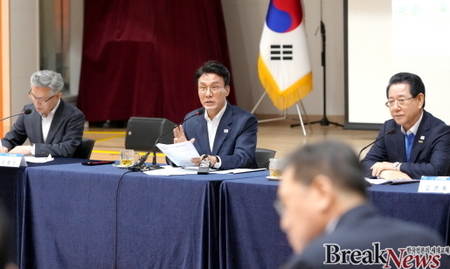
 ▲ 유용원 의원은 "북한의 핵무기 보유 및 북의 SLBM(잠수함 발사 탄도 미사일)에 대응하기 위해선 한국형 핵추진 잠수함 확보가 필수 전략 과제”라고 강조했다. © 김충열 정치전문기자 |
국민의힘 유용원 의원은 "북한의 핵무기 보유 및 북의 SLBM(잠수함 발사 탄도 미사일)에 대응하기 위해선 한국형 핵추진 잠수함 확보가 필수 전략 과제”라고 강조했다.
유 의원은 2월 12일 오후, 국회 의원회관 제2소회의실에서 ‘트럼프 2.0 한국형 핵추진 잠수함 도입전략과 비전’을 주제로 개최한 토론회에서 이렇게 말했다.
유 의원은 “핵추진 잠수함 확보는 군사적 필요성뿐만 아니라, 대한민국의 경제·산업 경쟁력 강화와도 직결된 문제”라며 “핵추진 잠수함 개발을 위한 기술력과 산업 역량을 강화하는 것은 단순한 국방력 확충을 넘어, 방산·원자력 산업의 국제 경쟁력을 높이고 첨단 기술 주도권을 확보하는 데 중요한 역할을 하게 될 것”이라고 강조했다.
그는 “대한민국은 이미 소형 원자로 제작 기술을 확보하고 있으며, 이를 핵추진 잠수함에 실용화할 경우 해양 방위력 강화뿐만 아니라, 원자력 기술의 상업적 활용 가능성도 높아질 것으로 기대된다”고 말했다.
노무현 정부 시절 핵추진 잠수함 사업(362사업) 단장을 맡았던 해군 잠수함 함장 출신인 문근식 한양대 특임교수는 주제발표에서 “이제는 비닉(대외비) 사업으로 묶여 있는 핵추진 잠수함 개발을 국책사업으로 전환하고, 비밀 아닌 공개 국책사업으로 추진해야 한다”며, “정부 차원 체계적인 연구개발과 정책 추진 필요하다”고 강조했다.
문 교수는 “핵추진 잠수함 도입은 군사력 증강을 넘어, 신산업 발전과 경제 활성화, 확보된 소형 원자로 기술의 실용화, 국제 방산 경쟁력 확보 등 대한민국의 미래 성장 동력을 확보하는 국가 전략 과제”라며 “외교적 채널을 활용해 핵연료의 안정적 수급 방안을 마련할 필요가 있다”고 역설했다.
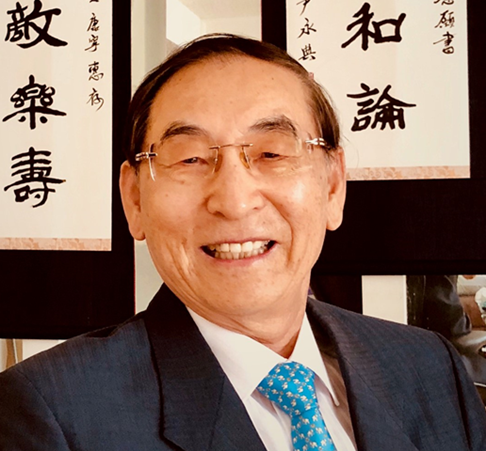
 ▲ 문근식 한양대 특임교수는 주제발표에서 “이제는 비닉(대외비) 사업으로 묶여 있는 핵추진 잠수함 개발을 국책사업으로 전환하고, 비밀 아닌 공개 국책사업으로 추진해야 한다”며, “정부 차원 체계적인 연구개발과 정책 추진 필요하다”고 강조했다. © 김충열 정치전문기자 |
이어 AUKUS(호주·영국·미국 안보 협력체제)배경, 핵잠수함 추진실태 및 한국협력방안을 주제로 발표한 송승종 대전대 군사학과 교수는 “AUKUS 사례를 통해 핵추진 잠수함 기술의 국제적 협력이 가능함을 확인할 수 있지만, 대한민국이 이를 어떻게 외교적·군사적으로 접근할 것인지에 대한 신중한 전략적 판단이 필요하다”고 말했다.
핵추진잠수함관련 국내 최초 박사학위를 받은 조성국 박사(한국핵안보전략포럼연구위원)는 국가별 핵추진잠수함 개발전략을 주제로 ‘분석모델 툴’을 최초로 정형화하여 선보였다.
조성국 박사는 “핵추진잠수함 개발 사업은 10년 이상 소요된다는 점에서 가장 빠른 기간내에 착수해야 한다”며, “핵추진잠수함은 논쟁을 할 사항이 아니다. 핵추진잠수함을 확보하더라도 핵무기가 없으면 북핵 억지력에 한계가 있다. 장기적인 목표로 SSBN(탄도미사일 잠수함(ballistic missile submarines)을 고려해야 한다”고 주장했다.
토론에 나선 이정익 교수(카이스트, 핵공학 박사)는 “핵추진잠수함은 원자로 설계에서부터 고온 고압환경에서 장시간 운전할 수 있는 기기제작기술이 뒷받침해야 한다”며, “소형 원자로 기술과 핵추진에 필요한 동력변환기술 특히 저소음화 기술 등을 확보하는 것이 필수이다”고 밝혔다.
정승균 한화오션 부사장(해외사업단장/전 해군 잠수함 사령관)은 “국방력 강화와 신뢰구축을 위해 AUKUS 2에 가입해야 한다”며, “핵추진잠수함 추진은 대 중국 및 북한 핵잠수함이 태평양으로 진출하기 전에 포착하여 한미간 정보교류는 필요하다”고 역설했다.
끝으로 윤동빈 TV조선 기자는 “향후 트럼프 행정부와의 협상을 통해 무엇보다 지도자의 의지, 국제규범, 핵연료 확보 등이 필요하다”며, “원자력협정 개정, 저농축우라늄 자체 확보가 중요하다”고 역설했다. hpf21@naver.com
* 아래는 위 기사를 '구글 번역'으로 번역한 영문 기사의 [전문]입니다. '구글번역'은 이해도 높이기를 위해 노력하고 있습니다. 영문 번역에 오류가 있을 수 있음을 전제로 합니다.
*The following is [the full text] of the English article translated by 'Google Translate'. 'Google Translate' is working hard to improve understanding. It is assumed that there may be errors in the English translation.
Rep. Yoo Yong-won: "North Korea's Nuclear Weapons and SLBM Response...Securing Korean-type Nuclear-powered Submarines is an Essential Task"
Development of Nuclear-powered Submarines, Not a Binik Project, Should Be Promoted as a National Project
There seems to be no disagreement that securing Korean-type Nuclear-powered Submarines is essential for the Republic of Korea, which is surrounded by the sea on three sides. If so, what are the policy alternatives and how can we do it without trial and error?
People Power Party lawmaker Yoo Yong-won emphasized, “In order to respond to North Korea’s possession of nuclear weapons and its SLBMs (submarine-launched ballistic missiles), securing a Korean-type nuclear-powered submarine is an essential strategic task.”
On the afternoon of February 12, Rep. Yoo made this statement at a discussion held in the 2nd small conference room of the National Assembly Members’ Hall on the topic of “Trump 2.0 Korean-type nuclear-powered submarine introduction strategy and vision.”
Rep. Yoo emphasized, “Securing a nuclear-powered submarine is not only a military necessity, but also a matter directly related to strengthening South Korea’s economic and industrial competitiveness.” He added, “Strengthening the technological prowess and industrial capacity for developing a nuclear-powered submarine will go beyond simply expanding national defense capabilities and will play an important role in increasing the international competitiveness of the defense and nuclear power industries and securing leadership in advanced technologies.”
He said, “South Korea has already secured the technology to manufacture small nuclear reactors, and if this is put to practical use in nuclear-powered submarines, it is expected to not only strengthen maritime defense capabilities but also increase the possibility of commercially utilizing nuclear power technology.”
During the Roh Moo-hyun administration Moon Geun-sik, a special professor at Hanyang University and former naval submarine captain who served as the head of the nuclear-powered submarine project (Project 362), emphasized in his keynote speech, “We must now convert the development of nuclear-powered submarines, which is currently a confidential project, into a national project and promote it as an open national project, not a secret,” and “We need systematic research and development and policy promotion at the government level.”
Professor Moon emphasized, “The introduction of nuclear-powered submarines is a national strategic task that secures future growth engines for the Republic of Korea, beyond strengthening military power, such as the development of new industries, economic activation, practical application of secured small nuclear reactor technology, and securing international defense industry competitiveness,” and “We need to establish a stable supply and demand plan for nuclear fuel by utilizing diplomatic channels.”
Next, Professor Song Seung-jong of the Department of Military Science at Daejeon University, who presented on the background of the AUKUS (Australia-United Kingdom-United States Security Cooperation System), the current status of nuclear submarine promotion, and Korea’s cooperation plan, said, “Through the AUKUS case, we can confirm that international cooperation in nuclear-powered submarine technology is possible, but we need to consider how the Republic of Korea will approach this diplomatically and militarily. “A careful strategic judgment is needed.”
Dr. Cho Seong-guk (Research Fellow, Korea Nuclear Security Strategy Forum), the first domestic doctoral recipient in the field of nuclear-powered submarines, presented the first formalized ‘analysis model tool’ on the topic of nuclear-powered submarine development strategies by country.
Dr. Cho Seong-guk said, “Since the nuclear-powered submarine development project takes more than 10 years, it should be initiated as soon as possible.” He added, “Nuclear-powered submarines are not a matter for debate. Even if we secure nuclear-powered submarines, there are limits to our deterrence of North Korea’s nuclear weapons without nuclear weapons. He argued that SSBN (ballistic missile submarines) should be considered as a long-term goal.
Professor Lee Jeong-ik (KAIST, Ph.D. in Nuclear Engineering), who participated in the discussion, said, “Nuclear-powered submarines should be supported by the technology to manufacture equipment that can operate in high temperature and high pressure environments for long periods of time, starting with the design of the reactor,” and “It is essential to secure small reactor technology and power conversion technology necessary for nuclear propulsion, especially low-noise technology.”
Vice President Jeong Seung-gyun of Hanwha Ocean (Director of Overseas Business Division/Former Navy Submarine Commander) emphasized, “We should join AUKUS 2 to strengthen our national defense capabilities and build trust,” and “We need to detect Chinese and North Korean nuclear submarines before they advance into the Pacific Ocean, and information exchange between Korea and the U.S. is necessary for the promotion of nuclear-powered submarines.”
Finally, TV Chosun reporter Yoon Dong-bin said, “Through future negotiations with the Trump administration, the will of the leader, international norms, and securing nuclear fuel are necessary above all else,” and “Revising the nuclear agreement, He emphasized that “securing low-enriched uranium on its own is important.” hpf21@naver.com