트럼프의 관세 압박에 밀려 검증되지 않은 GMO감자를 절차적 정당성을 뒤로하고 수입하는 것을 어느 정도까지 허용해야 한가? 권력 공백기의 과도기적 전환기에 GMO 감자수입을 앞두고 우리의 먹거리 안전 불감증이 우려되고 있다.
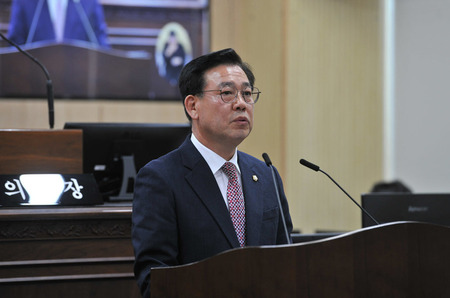
 ▲ 송옥주 의원은 “올 2월 병해충 관리를 조건으로 감자의 수입허용 지역을 연거푸 확대한 것도 모자라 종자독점과 안전성 논란이 그치지 않는 GMO감자를 서둘러 우리 식탁에 올려야 할 이유는 없다”고 밝혔다. © 김충열 정치전문기자 |
정부가 미국의 유전자변형감자 수입 승인을 위한 작물재배 위해성 심사를 7년만에 마무리한 것과 때를 같이해, 조건부 감자 수입 허용지역을 추가하면서 세계 최대 감자기업‘심플롯’이 수혜자로 지목받고 있다.
국회 농림축산식품해양수산위원회 소속 송옥주 의원(더불어민주당, 경기 화성갑)에 따르면 2019년 12월 병충해 발생지역임에도 가공된 감자에 한해 조건부 수입이 허용된 아이다호주, 워싱턴주, 오리건주는 심플롯사의 발원지이자 가공공장, 그리고 농업경영 컨설팅 및 농자재 판매점인 농업인솔루션(Simplot Grower Solution)이 즐비한 핵심 거점이다.
2019년 12월 미국의 3개주 사례를 근거로, 올 2월 24일 병충해 관리를 조건으로 미국산 감자 수입이 사실상 추가로 허용된 11개주에는 심플롯 가공공장이 위치한 노스다코다주, 그리고 미국에서 가장 많은 17곳의 SGS가 자리잡은 캘리포니아주 등이 포함돼 있다. 앞서 조건부 수입이 허용된 3개주를 비롯한 미국산 감자의 조건부 수입 추가 허용지역 14개주 가운데 10개주에 심플롯사 가공공장과 SGS가 설치돼 있다.
수입허용을 위한 8단계중 핵심과정인 5단계인 병해충 위험관리방안 마련이 완료됐다. 앞으로 수입검역요건 초안 작성, 수입금지 제외기준 입안 예고, 고시 등의 행정절차를 남겨뒀다. 농림축산검역본부는 양국간 협의를 마무리짓는 단계로, 11개주에서 발아억제제를 쓰고 세척해서 일정 요건을 충족하는 감자 수입이 가능하도록 고시할 예정이다.
 ▲ 수입허용을 위한 8단계중 핵심과정인 5단계인 병해충 위험관리방안 마련이 완료됐다. 앞으로 수입검역요건 초안 작성, 수입금지 제외기준 입안 예고, 고시 등의 행정절차를 남겨뒀다. 농림축산검역본부는 양국간 협의를 마무리짓는 단계로, 11개주에서 발아억제제를 쓰고 세척해서 일정 요건을 충족하는 감자 수입이 가능하도록 고시할 예정이다. © 김충열 정치전문기자 |
공교롭게도 미국산 감자의 조건부 허용지역 추가 협상과 GMO감자 작물재배 위해성 심사가 마무리된 시기는 안덕근 산업통상자원부 장관이 2월 26일부터 28일까지 미국을 방문해서 하워드 러트닉 상무부 장관을 비롯한 트럼프 행정부 관계자들을 만나 상호관세를 비롯한 통상문제에 대해 협의한 때와 맞물린다.
무관세가 적용되는 할당관세 물량 확대 요구와 80%를 넘게 차지해 온 수미감자의 쇠퇴로 인한 국내 생산량 감소가 맞물려 심플롯사의 GMO감자 수입이 증가할 수 있다,
현재 가공감자엔 12월부터 4월까지 무관세, 5월부터 11월까지 38% 관세가 부과된다. 통(생)감자의 경우 4406톤에 한해 저율 할당관세, 초과분에는 고율관세 304%가 적용돼 연평균 수입량 2만톤 내외를 유지해 왔다.
한국농촌경제연구원에 따르면 지난 감자수입량은 16만톤으로, 2014년부터 2023년간 연평균 4.8% 늘었다. 1인당 소비량은 15.8㎏로 전년보다 5% 증가했다. 올해 감자생산량은 이상기후에 따른 수미감자의 생산성 저하와 같은 이유로 7% 줄어든 54만톤, 작년보다 2034년 감자생산량은 17% 감소한 49만톤, 수입량은 11.5% 증가한 26만톤으로 추정됐다.
한국식품유통학회는 미국산 통(생)감자가 2025년부터 무관세로 수입되면 2039년 9만8,200톤으로 기준전망치(6만 3,100톤)보다 56% 급증할 것이라며 국내 감자생산액은 기준전망치(8,367억원)보다 9% 줄고, 농가수취값은 6% 감소할 것으로 내다봤다.
송옥주 의원은 “지난 2월말 GMO감자 수입 승인을 위한 농촌진흥청의 작물재배 환경 위해성 심사 적합 판정과 때를 같이해, 미국산 감자 조건부 수입 허용지역을 2019년말 3개주에 더해 14개주로 늘리는 수입관리방안이 마련됐다”며,“고삐 풀린 심플롯 GMO감자가 이상기후와 할당관세 확대에 힘입어 차츰 우리 입맛을 길들이며 국산 감자를 밀어내고, 독점권을 행사하는 일이 벌어지지 않는다고 속단할 수 없다”고 우려를 표명했다.
송 의원은 “올 2월 병해충 관리를 조건으로 감자의 수입허용 지역을 연거푸 확대한 것도 모자라 종자독점과 안전성 논란이 그치지 않는 GMO감자를 서둘러 우리 식탁에 올려야 할 이유는 없다”고 밝혔다.
또한 “최근 GMO가 안전하지 않다는 과학적인 근거를 담은 논문을 찾기 힘들다는 얘기가 사실인양 부풀려지곤 한다”면서,“2001년 사무엘 앱스타인 일리노이의대 교수의 산유촉진 GM성장호르몬의 발암실험 결과 공개, 2018년 GMO감자의 위험성 경고한 카이어스 로멘스 박사의‘최악의 GMO, 판도라의 감자’, 그리고 성균관대 의과대학을 비롯한 국내 의대 교수들이 2009년부터 12년간 꾸준하게 GMO단백질의 알레르기 유발 사실을 확인하고, 원인 규명을 촉구한 복수의 보고서에 이르기까지 GMO의 안전성을 문제삼은 국내외 연구결과들이 적잖았다는 점을 간과해선 안된다”고 지적했다. hpf21@naver.com
* 아래는 위 기사를 '구글 번역'으로 번역한 영문 기사의 [전문]입니다. '구글번역'은 이해도 높이기를 위해 노력하고 있습니다. 영문 번역에 오류가 있을 수 있음을 전제로 합니다.
*The following is [the full text] of the English article translated by 'Google Translate'. 'Google Translate' is working hard to improve understanding. It is assumed that there may be errors in the English translation.
Rep. Song Ok-joo: “Simpleplot GMO potatoes, aggressively targeting domestic market”
At the end of February, the Ministry of Agriculture, Food and Rural Affairs passed the hazard assessment and conditional approval negotiations
To what extent should we allow unverified GMO potatoes to be imported while neglecting procedural legitimacy due to Trump’s tariff pressure? Concerns are being raised about our insensitivity to food safety ahead of the import of GMO potatoes during the transitional period of the power vacuum.
At the same time that the government completed the hazard assessment for crop cultivation for approval of importing genetically modified potatoes from the United States after 7 years, the world’s largest potato company, Simpleplot, is being pointed out as a beneficiary by adding a conditional potato import approval region.
According to Rep. Song Ok-joo (Democratic Party of Korea, Gyeonggi Hwaseong Gap) of the National Assembly Agriculture, Food, Rural Affairs, Oceans and Fisheries Committee, Idaho, Washington, and Oregon, which were allowed to conditionally import processed potatoes in December 2019 despite being areas with pests and diseases, are key bases where Simplot's origins, processing plants, and agricultural management consulting and agricultural supplies sales outlet Simplot Grower Solutions are located.
Based on the cases of three U.S. states in December 2019, the 11 states that effectively allowed the import of U.S. potatoes on the condition of pest control as of February 24 include North Dakota, where the Simplot processing plant is located, and California, which has the largest number of SGSs in the U.S. with 17. Among the 14 additional states that have conditionally permitted imports of U.S. potatoes, including the three states that previously permitted conditional imports, 10 states have Simplot processing plants and SGS.
The fifth step, which is the core process of the eight steps for import approval, is the establishment of a pest risk management plan. Administrative procedures such as drafting import quarantine requirements, announcing the establishment of import ban exclusion criteria, and public notice remain. The Animal and Plant Quarantine Agency is in the final stages of negotiations between the two countries and plans to announce that potatoes that meet certain requirements by using a sprouting inhibitor and washing them will be allowed to be imported from 11 states.
Coincidentally, the additional negotiations for conditional acceptance of US potatoes and the completion of the risk assessment for GMO potato crop cultivation coincide with the time when Minister of Trade, Industry and Energy Ahn Deok-geun visited the US from February 26 to 28 and met with Commerce Secretary Howard Rutnick and other Trump administration officials to discuss trade issues including reciprocal tariffs.
The demand for an increase in the quota tariff volume subject to tariff-free application and the decrease in domestic production due to the decline of Sumie potatoes, which accounted for over 80%, may increase imports of Simplot's GMO potatoes.
Currently, processed potatoes are subject to tariff-free from December to April and a 38% tariff from May to November. In the case of whole (raw) potatoes, a low-rate quota tariff is applied to 4,406 tons, and a high-rate tariff of 304% is applied to the excess, maintaining an annual average import volume of around 20,000 tons.
According to the Korea Rural Economic Institute, potato imports last year amounted to 160,000 tons, increasing by an annual average of 4.8% from 2014 to 2023. Per capita consumption was 15.8 kg, up 5% from the previous year. This year’s potato production is estimated to have decreased by 7% to 540,000 tons due to reasons such as decreased productivity of sweet potatoes caused by abnormal weather, and potato production in 2034 is estimated to have decreased by 17% to 490,000 tons compared to last year, while imports are estimated to have increased by 11.5% to 260,000 tons.
The Korean Society of Food Distribution predicted that if whole (raw) potatoes from the United States are imported duty-free starting in 2025, they will increase by 56% to 98,200 tons in 2039 compared to the baseline forecast (63,100 tons), and domestic potato production will decrease by 9% compared to the baseline forecast (KRW 836.7 billion) and farm income will decrease by 6%.
Rep. Song Ok-joo expressed concern, saying, “At the same time as the Rural Development Administration’s crop cultivation environment hazard assessment for approval of GMO potato imports in late February, an import management plan was prepared to expand the conditional import allowance areas for US potatoes from three states to 14 states by the end of 2019,” and “We cannot hastily conclude that the unbridled Simplot GMO potatoes will gradually tame our taste buds due to abnormal weather and expanded tariff quotas, pushing out domestic potatoes and exercising their monopoly.”
Rep. Song stated, “There is no reason to rush to put GMO potatoes on our tables, which are not only subject to continuous controversies over seed monopoly and safety, but also to expand the import allowance areas for potatoes under the condition of pest control in February.”
Also, while saying, “It is often exaggerated to say that it is difficult to find scientific evidence that GMOs are unsafe these days,” he pointed out, “We must not overlook the fact that there have been many domestic and international research results that have questioned the safety of GMOs, including the 2001 disclosure of the carcinogenicity experiment results of GM growth hormone that promotes milk production by Professor Samuel Epstein of the University of Illinois Medical School, the 2018 warning of the dangers of GMO potatoes in ‘The Worst GMO, Pandora’s Potatoes’ by Dr. Caius Romans, and multiple reports by domestic medical school professors, including those at Sungkyunkwan University School of Medicine, that have consistently confirmed the fact that GMO proteins cause allergies for 12 years since 2009 and urged the identification of the cause.” hpf21@naver.com