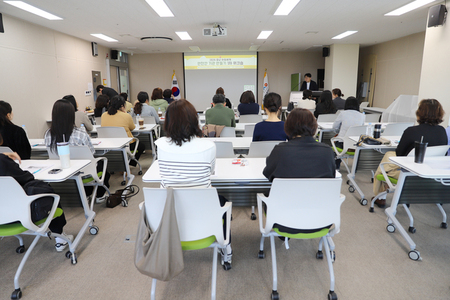
▲ 5월 1일(목) 오후 3시, 국회의원회관 제1세미나실에서 검찰·경찰·군·국정원 등 4대 권력기관의 민주적 통제 강화를 위한 긴급토론회가 개최된다. 이번 토론회는 추미애, 황운하, 박선원, 박은정, 이성윤 의원실과 국회 검찰개혁포럼이 공동주최하고, 정책네트워크 광개토포럼이 주관한다. *김충열 정치전문기자 |
(검찰) 검찰 폐지하고, 공소청․수사청 신설, 검찰개혁은 로드맵과 집행조직이 관건
(경찰) 경찰국 폐지로 개혁 시작, 자치경찰 실질화, 국가경찰위원회 강화해야, 경찰개혁은 경찰 아닌 정부와 국회가 주도해야
(군대) 계엄은 군 엘리트 파벌주의가 낳은 내란, 삼군 사관학교 통합하고 군 주요 지휘관 국회 인사청문회 도입해야
(국정원) 국정원 개혁 위해 정보기능 분리, 정보기관간 협조 강화, 한국형 국가정보국장(K-DNI) 신설, 직원 계급 정년 폐지 등 혁신방안 제시
5월 1일(목) 오후 3시, 국회의원회관 제1세미나실에서 검찰·경찰·군·국정원 등 4대 권력기관의 민주적 통제 강화를 위한 긴급토론회가 개최된다. 이번 토론회는 추미애, 황운하, 박선원, 박은정, 이성윤 의원실과 국회 검찰개혁포럼이 공동주최하고, 정책네트워크 광개토포럼이 주관한다.
정해구 광개토포럼 대표(前 대통령직속 정책기회기획위원장)는 개회사를 통해 “권력기관의 권력은 국민의 인권과 생명을 지키기 위해 주어진 것이지만, 일부는 내란 세력의 사적 이해를 위해 권력을 불법적으로 동원했다”며, “차기 정부는 내란 세력의 책임을 엄중히 묻고, 재발 방지를 위해 권력기관의 민주적 통제를 강화해야 한다”고 강조했다.
공동주최 의원을 대표해 추미애 의원은 “군·경찰·검찰·국정원 등 권력기관의 민주적 통제는 4기 민주정부의 핵심 과제”라며, “견제 받지 않는 권력은 부패하며, 과거의 국가폭력은 현재와 미래에 경계해야 할 교훈”이라고 밝혔다. 또한 “검찰개혁과 권력기관 카르텔 해체를 통해 민주주의를 지켜야 하며, 수사권·기소권 분리와 군·경찰·국정원 전면 개혁이 필요하다”고 강조했다.
김남준 변호사 “검찰은 공소청으로, 수사는 별도기관...권력기관 개혁, 로드맵과 집행조직이 관건”
김 변호사는 “대한민국 검찰은 수사, 기소, 영장청구 등 형사사법 전반의 권한을 독점하며 비대한 권력을 행사해 왔다”며, “검찰 국가를 탈피하기 위해 다음 정부는 수사·기소 분리를 통하여 검찰을 공소청으로 만들고, 수사는 검찰조직으로부터 분리된 중대범죄수사청과 경찰이 수행해야 한다”고 강조했다. 특히 “수사절차법 제정, 공수처 강화 등도 주요한 개혁과제이고, 검찰개혁을 전체 권력기관개혁의 관점에서 진행하여야하면 각 개혁과제를 로드맵으로 구체화하고, 이를 정권 초기에 실행할 집행조직을 설치해 일관되게 개혁을 추진해야 권력기관개혁의 성공을 담보할 수 있다”고 밝혔다.
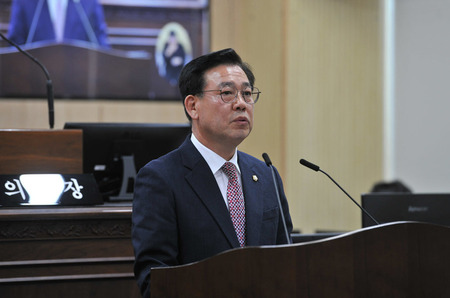
 ▲ 공동주최 의원을 대표해 추미애 의원은 “군·경찰·검찰·국정원 등 권력기관의 민주적 통제는 4기 민주정부의 핵심 과제”라며, “견제 받지 않는 권력은 부패하며, 과거의 국가폭력은 현재와 미래에 경계해야 할 교훈”이라고 밝혔다. 또한 “검찰개혁과 권력기관 카르텔 해체를 통해 민주주의를 지켜야 하며, 수사권·기소권 분리와 군·경찰·국정원 전면 개혁이 필요하다”고 강조했다. *김충열 정치전문기자 |
박은정 “검찰청 폐지하고 공소청·수사청 신설…검찰을 인권수호 기관으로 재탄생해야”
박은정 의원은 “1949년 12월 20일 제정되고 시행되어 온 검찰제도를 폐지하고, 공소청과 중대범죄수사청을 신설해 수사와 기소를 완전히 분리해야 한다”라며 “검찰을 인권수호와 공소유지에 충실한 기관으로 재건축해야 한다”라고 강조했다. 또한 “검찰의 직무를 공소제기 및 공소유지, 그리고 사법경찰 수사에 대한 적법성 통제 역할로 명확히 하여 검찰의 탈정치화․탈권력기관화를 반드시 이룰 것”이라고 덧붙였다.
이성윤 “‘정치검찰’청산하고 공소청·수사청 도입…제2의 검찰 되지 않도록 권한 조율 필요”
이성윤 의원은 “윤석열 정권과 결탁한‘정치검찰’을 청산함과 동시에, 국민에게 안도감과 믿음을 주는 검찰이 되어야 한다”며, “검찰 수사․기소권 분리를 뒷받침하는 기관으로 공소청과 중대범죄수사청을 설치하는 한편, 두 기관이 이름만 바뀐 제2의 검찰이 되지 않도록 기관 간 권한범위 등을 명확히 조율해야 한다”고 밝혔다.
황문규 교수 “경찰국 폐지로 개혁 시작… 자치경찰 실질화와 국가경찰위원회 강화해야”
중부대 황문규 교수는 “지난 검찰국가에서 경찰은 정권을 위한 치안에 앞장섰다”며, “경찰개혁은 검찰국가에서 경찰 장악의 도구로 기능한 행안부 경찰국을 최우선적으로 폐지하는 것에서부터 시작하여, 민주적 통제 역할을 하도록 국가경찰위원회를 실질화함은 물론, 국가수사본부의 독립성 및 경찰수사의 책임성(역량)을 강화하고, 지역주민이 필요로 하는 치안서비스를 제공할 수 있도록 자치경찰제를 실질화하는 데까지 나아가야 한다”고 강조했다.
황운하 “시행령 쿠데타로 탄생한 경찰국 즉각 폐지…국가경찰위원회 실질화로 정치적 중립 확보”
황운하 조국혁신당 원내대표는 “윤석열 정부는 시행령 쿠데타를 통해 경찰국을 설치하여 경찰권을 장악하고 경찰을 정권의 하수인으로 만들려고 했다”며, “새정부 출범 직후 경찰국을 폐지하여 윤석열 정부의 내란을 진압하여야 한다”고 말했다. 황 원내대표는 “그 동안 유명무실 했던 국가경찰위원회를 실질화하여 경찰의 정치적 중립성을 보장하여야 한다”고 말했다.
유주성 교수 “경찰개혁은 공정성과 책임성 강화로…자율에 맡기지 말고 정부·국회가 주도해야”
유주성 창원대 교수는 “현대 민주사회에서 경찰은 시민을 위한 공권력이어야 한다”며, “경찰개혁은 경찰의 민주적 정당성과 시민의 신뢰를 회복하기 위해 공정성, 책임성, 근접성을 강화하는 방향으로 추진되어야 하며, 이를 위해 국가 수사본부의 독립성 확보, 자치경찰제 실질화, 민주적 통제 강화가 필요하다”고 밝혔다. 특히 “개혁은 경찰조직의 자율에 맡기지 말고 정부․국회 주도로 체계적인 로드맵을 수립해 추진해야 한다”고 강조했다.
김종대 전 의원 “12·3 계엄 사태, 군 엘리트 파벌주의가 낳은 내란… 국방 체계 전면 개혁 시급”
국방 개혁 분야 발표를 맡은 김종대 전 의원은 “12·3 사태는 북한 도발에 대한 대응을 빌미로 군사 엘리트들이 권력 구조를 장악하려 한 시도였다”며, “이는 대한민국 안보체계가 군내 파벌주의, 비선 정치, 대통령 중심주의에 얼마나 취약한지를 드러낸 사건”이라고 진단했다. 김 전 의원은 “군 엘리트 파벌주의 해소를 위해 육사 중심 구조를 해체하고, 삼군 사관학교 통합하고, 군 통수권의 제도적 재정립을 위해 대통령 통수권을 절대화하지 않고, 합법적·집단적 통제 원칙을 확립하는 한편 군 주요 지휘관 인사에 국회 청문회 도입”을 제안했다. 또, 계엄 제도를 전면 개정하여‘국회 사전 동의 및 사후 승인 절차 명문화’하고, ‘대통령 근위조직 해체하고 수방사의 수도군단 전환’도 필요하다고 밝혔다. 그는 “이번 사태에서 일부 장교들의 태업과 항명은 단순한 불복종이 아니라 군의 민주적 본능이 살아있음을 보여준 증거”라며, “차기 정부는 단순한 인적 교체를 넘어서 구조적 개혁과 통합, 법치, 균형을 실현할 국방 개혁을 실행해야 한다”고 강조했다.
정한범 한국국제정치학회 차기회장 “군 문민통제의 불완전성과 구조적 문제 진단”
정 교수는 “한국 군(軍)의 문민통제가 여전히 불완전하며, 법적·제도적 장치의 미비, 국방장관의 예비역 중심 임명 관행, 군 내부의 저항 문화, 특정 정치세력의 정치적 이용, 사회적 신뢰 부족, 그리고 복잡한 안보 환경 등 다양한 구조적 문제를 지적”했다. 특히 “국방장관이 육군 출신에 치우치는 관행과 군 최고위 장성들의 위상 약화, 육군 중심의 편제와 인사, 방첩사령부 등 직할부대의 비정상적 운영, 시대에 뒤처진 군 교육 체계 등이 군의 민주적 통제와 효율적 운영에 장애가 되고 있다”고 진단했다. 마지막으로 정 교수는 “이번 내란 사태를 계기로 군이 위축되거나 처벌의 대상이 되기보다는, 국민 신뢰 회복과 미래지향적 개혁의 계기로 삼아야 한다”며, “문민통제의 실질적 강화와 군의 구조적 쇄신이 21세기 안보환경에 부합하는 국방개혁의 핵심”임을 강조했다.
여석주 前 국방정책실장 “군은 더 이상 권력기관 아니다… 통제는 헌법에 기반해야”
군 개혁 토론자로 나선 여석주 前 국방부 국방정책실장은 “군이 권력기관으로 불리는 것 자체가 민주주의 시스템의 이상을 의미한다”며, 군에 대한 통제를‘문민통제’가 아닌‘헌법적 통제’또는‘선출 권력에 의한 통제’로 명확히 해야 한다고 주장했다.
여 전 실장은 “통합 사관학교 설치안 등 일부 방안은 오히려 파벌주의를 악화시킬 우려가 있다”는 점도 지적했다. 그는 단기 대책으로 ▲12·3 사태에 대한 철저한 진상조사 및 엄정한 처벌 ▲국정원법 제4조를 통한 방첩 기능 재정립을 제안했다. 마지막으로“‘문민 국방부장관’보다는‘국방 전문가 임명’이 국민 눈높이에 부합한다”고 강조했다.
김유은 교수 “국정원 개혁 위해 정보기능 분리 및 민주적 통제 강화 필요”
한양대학교 김유은 교수는 발표를 통해 “민주주의 국가에서 정보기관은 헌법질서 수호와 국가안보를 위한 감시자이자 방패 역할을 수행해야 한다”며, 한국 국가정보원의 개혁 필요성을 강조했다.
김 교수는 “국정원의 정치 개입과 권한 남용은 국민의 불신을 초래했고, 이로 인해 정보기관 본연의 역할 수행에 큰 제약을 받게 됐다”며, “과거 정권의 불법 사찰, 여론 조작, 공작금 유용 등의 사례는 정보기관의 정치적 중립성에 심각한 타격을 줬다”고 지적했다.
김 교수는 국정원 개혁의 두 축으로 ▲정보기능의 조직 분리 ▲민주적 통제 제도 강화를 제안했다. 특히 국정원을 해외정보 중심의 정보기관으로 재편하고, 방첩·대공수사 등 국내정보 기능은 별도 독립기구인 ‘국가안보국’(가칭)으로 분리할 것을 제시했다. 그는“기능 분리형 모델은 권력의 분산과 민주적 통제에 부합하며, 미국·영국 등 선진국 대부분이 이 모델을 채택하고 있다”고 설명했다.
또한 김 교수는 국정원에 대한 통제 강화 방안으로 대통령 직속 정보자문위원회 설치와 함께 감사관실(Inspector General) 도입을 제안했다. 국회 역시 정보위원회의 전문성과 감시력을 높이기 위해 전문위원실 설치, 예산·활동 보고 강화, 기밀 누설 처벌 강화 등의 제도 개선이 필요하다고 주장했다.
마지막으로 김 교수는 “정보기관의 비대화는 민주주의를 위협할 수 있는 만큼, 민주적 감시 장치를 통해 정보기관이 본연의 임무에 충실하도록 해야 한다”며, “정보기관 개혁은 단순한 구조조정이 아닌 민주주의의 기본을 지키기 위한 핵심 과제”라고 강조했다.
홍상진 교수 “정보기관간 협조 강화, 한국형 국가정보국장(K-DNI) 신설, 직원 계급 정년 폐지 등 혁신방안 제시”
토론자로 나선 홍상진 이화여대 교수는 “12․3 내란 당시 국정원이 방첩사와 정보사 등 군 정보기관의 내란 동원을 막지 못했다”며, “정보기관간 협조를 강화하고 정치중립을 보장하기 위해 한국형 국가정보국장(K-DNI) 신설, 국정원장 임기 보장, 직원 계급정년 폐지 등 혁신방안”을 제시했다. 또한 홍 교수는 “해외공작 등 합법과 탈법의 경계에서 정보활동을 수행하는 국정원 정보요원의 신분을 법적․제도적으로 보장하여 과감한 정보활동에 나설 수 있도록 해야 한다”고 역설했다. hpf21@naver.com
* 아래는 위 기사를 '구글 번역'으로 번역한 영문 기사의 [전문]입니다. '구글번역'은 이해도 높이기를 위해 노력하고 있습니다. 영문 번역에 오류가 있을 수 있음을 전제로 합니다.
*The following is [the full text] of the English article translated by 'Google Translate'. 'Google Translate' is working hard to improve understanding. It is assumed that there may be errors in the English translation.
Next government holds emergency discussion on “Strengthening democratic control of the four major power agencies (prosecution, police, military, and National Intelligence Service)”
Suggesting the direction of reform for the prosecution, police, military, and National Intelligence Service
(Prosecution) Abolish the prosecution, establish the Public Prosecution Service and the Investigation Service, the key to prosecution reform is the roadmap and the execution organization
(Police) Begin reform by abolishing the National Police Agency, actualize the autonomous police, strengthen the National Police Commission, police reform should be led by the government and the National Assembly, not the police
(Military) Martial law is a civil war caused by military elite factionalism, the three military academies should be integrated, and a National Assembly personnel hearing for major military commanders should be introduced
(NIS) Presenting innovative measures such as separating the intelligence function, strengthening cooperation between intelligence agencies, establishing a Korean-style Director of the National Intelligence Service (K-DNI), and abolishing retirement age for staff ranks to reform the NIS
May 1 (Thursday) 3:00 PM, National Assembly Members’ Hall 1st Seminar Room, Prosecution, police, military, NIS, etc. An emergency discussion is being held to strengthen democratic control of the four major power organizations. This discussion is co-hosted by the offices of Reps. Choo Mi-ae, Hwang Un-ha, Park Seon-won, Park Eun-jung, and Lee Seong-yoon, and the National Assembly Prosecution Reform Forum, and organized by the policy network Gwanggaeto Forum.
In his opening remarks, Gwanggaeto Forum representative Jeong Hae-gu (former chairman of the Presidential Policy Opportunity Planning Committee) emphasized, “The power of the power organizations was given to protect the human rights and lives of the people, but some illegally mobilized power for the private interests of the internal rebellion forces,” and “The next government must strictly hold the internal rebellion forces accountable and strengthen democratic control of the power organizations to prevent recurrence.”
On behalf of the co-hosting members, Rep. Choo Mi-ae stated, “Democratic control of the power organizations such as the military, police, prosecution, and National Intelligence Service is a key task for the fourth democratic government,” and “Unchecked power corrupts, and past state violence is a lesson that we must be wary of in the present and the future.” He also emphasized that “democracy must be protected through prosecution reform and dismantling cartels of power organizations, and separation of investigative and prosecutorial powers and comprehensive reform of the military, police, and National Intelligence Service are necessary.”
Regarding the direction of prosecution reform in the first session, Attorney Nam-Joon Kim stated that “the prosecution should be a public prosecution office, and investigations should be a separate organization,” and that “the key to reforming power organizations is a roadmap and an enforcement organization.”
Attorney Kim emphasized that “the prosecution of the Republic of Korea has monopolized the authority of the entire criminal justice system, including investigations, indictments, and warrant requests, and has exercised excessive power.” He added that “in order to escape from a prosecution state, the next government should separate investigations and indictments to make the prosecution a public prosecution office, and investigations should be carried out by the Serious Crimes Investigation Office and the police, which are separated from the prosecution organization.” In particular, “Enacting the Investigation Procedure Act and strengthening the Public Prosecutor’s Office are also major reform tasks, and if the prosecution reform is to be carried out from the perspective of the entire power agency reform, each reform task should be specified as a roadmap, and an execution organization should be established to implement it in the early days of the administration to consistently promote reform in order to guarantee the success of the power agency reform,” he stated.
Park Eun-jung “Abolish the Prosecutor’s Office and establish the Public Prosecution Service and the Investigation Service… The prosecution should be reborn as an institution that protects human rights”
Rep. Park Eun-jung emphasized, “The prosecution system that was enacted and implemented on December 20, 1949 should be abolished, and the Public Prosecution Service and the Serious Crimes Investigation Service should be established to completely separate investigation and prosecution,” and “The prosecution should be rebuilt as an institution that is faithful to the protection of human rights and the maintenance of public prosecutions.” She also added, “We will definitely achieve the depoliticization and deauthorization of the prosecution by clearly defining the prosecution’s duties as the filing and maintenance of public prosecutions and the role of controlling the legitimacy of judicial police investigations.”
Lee Seong-yoon: “Political prosecution should be liquidated and public prosecution and investigation agencies should be introduced…Need to coordinate authority to prevent the prosecution from becoming a second prosecution”
Representative Lee Seong-yoon stated, “We should liquidate the ‘political prosecution’ that colluded with the Yoon Seok-yeol administration, and at the same time, we should become a prosecution that gives the people a sense of relief and trust,” and “While establishing the Public Prosecution and Indictment Agency and the Serious Crimes Investigation Agency as institutions that support the separation of the prosecution’s investigation and prosecution powers, we should clearly coordinate the scope of authority between the two institutions so that they do not become a second prosecution with only a different name.”
Professor Hwang Moon-gyu: “Reform begins with abolishing the National Police Agency… Local police must be substantiated and the National Police Commission must be strengthened”
Professor Hwang Moon-gyu of Joongbu University emphasized, “In the past prosecution state, the police took the lead in public security for the regime,” and “Police reform should begin with abolishing the National Police Agency of the Ministry of Public Administration and Security, which functioned as a tool for controlling the police in the prosecution state, and substantiating the National Police Commission to play a role in democratic control, as well as strengthening the independence of the National Investigation Headquarters and the accountability (capacity) of police investigations, and substantiating the local police system so that local residents can provide the public security services they need.”
Hwang Un-ha: “The National Police Agency, which was created through a coup d’état by executive order, should be immediately abolished… The National Police Commission should be made real to secure political neutrality”
Hwang Un-ha, floor leader of the Democratic Party of Korea, said, “The Yoon Seok-yeol government attempted to seize police power and turn the police into a puppet of the regime by establishing the National Police Agency through a coup d’état by executive order,” and “The National Police Agency should be abolished immediately after the new government takes office to suppress the Yoon Seok-yeol government’s internal strife.” Floor leader Hwang said, “The National Police Commission, which has been ineffective so far, should be made real to ensure the political neutrality of the police.”
Professor Yoo Joo-seong: “Police reform should be about strengthening fairness and accountability… not leaving it to autonomy, but the government and the National Assembly should take the lead”
Professor Yoo Joo-seong of Changwon National University stated, “In a modern democratic society, the police should be a public authority for the citizens,” and “Police reform should be promoted in the direction of strengthening fairness, accountability, and accessibility in order to restore the democratic legitimacy of the police and the trust of the citizens. To this end, securing the independence of the National Investigation Headquarters, realizing the autonomous police system, and strengthening democratic control are necessary.” In particular, he emphasized, “Reform should not be left to the autonomy of the police organization, but should be promoted by establishing a systematic roadmap led by the government and the National Assembly.”
Regarding the direction of military reform in the second session, former lawmaker Kim Jong-dae said, “The 12/3 martial law incident was a civil war caused by military elite factionalism… Comprehensive reform of the national defense system is urgent.”
Former lawmaker Kim Jong-dae, who was in charge of the defense reform section, diagnosed, “The 12/3 incident was an attempt by military elites to seize control of the power structure under the pretext of responding to North Korean provocations,” and “This incident revealed how vulnerable the security system of the Republic of Korea is to factionalism, fringe politics, and presidential centeredness within the military.” Former lawmaker Kim proposed, “In order to resolve military elite factionalism, dismantle the structure centered on the Korea Military Academy, integrate the three military academies, and establish the principle of legal and collective control without making the presidential command authority absolute in order to institutionally reestablish the military command authority, while introducing a National Assembly hearing for the appointment of key military commanders.” He also stated that it is necessary to comprehensively revise the martial law system to “stipulate the National Assembly’s prior consent and post-approval procedures,” and “dismantle the presidential guard organization and convert the Capital Defense Command into the Capital Corps.” He emphasized that “the slowdown and defiance of some officers in this incident are not simple disobedience, but evidence that the democratic instinct of the military is alive,” and that “the next government must go beyond simple personnel replacement and implement defense reform that will realize structural reform, integration, rule of law, and balance.”
Jeong Han-beom, the next president of the Korean Association of International Studies, “Diagnosis of the incompleteness and structural problems of civilian control of the military”
Professor Jeong pointed out various structural problems such as “the incompleteness of civilian control of the Korean military, the lack of legal and institutional mechanisms, the practice of appointing the Minister of National Defense mainly from the reserves, the culture of resistance within the military, political exploitation by certain political forces, lack of social trust, and the complex security environment.” In particular, he diagnosed that “the practice of the Minister of National Defense being biased toward those from the Army, the weakening of the status of the highest-ranking military generals, the Army-centered organization and personnel, the abnormal operation of direct units such as the Counterintelligence Command, and the outdated military education system are obstacles to the democratic control and efficient operation of the military.” Finally, Professor Jeong emphasized that “rather than allowing the military to become discouraged or subject to punishment due to this internal rebellion, it should be used as an opportunity to restore public trust and pursue future-oriented reform,” and that “the substantial strengthening of civilian control and structural renewal of the military are the core of defense reform that is in line with the 21st century security environment.”
Former Defense Policy Office Director Yeo Seok-ju: “The military is no longer a power organization… Control must be based on the Constitution.”
Former Defense Policy Office Director Yeo Seok-ju, who participated in the discussion on military reform, argued that “the fact that the military is called a power organization itself signifies the ideal of a democratic system,” and that control over the military should be clearly defined as “constitutional control” or “control by elected power” rather than “civilian control.”
Former Director Yeo also pointed out that “some measures, such as the plan to establish an integrated military academy, could actually worsen factionalism.” As short-term measures, he proposed ▲a thorough investigation into the truth of the 12/3 Incident and strict punishment ▲reestablishment of the counterintelligence function through Article 4 of the National Intelligence Service Act. Lastly, he emphasized that “appointing a ‘defense expert’ is more in line with the public’s expectations than ‘a civilian Minister of National Defense.’”
Professor Kim Yu-eun: “In order to reform the National Intelligence Service, separation of intelligence functions and strengthening of democratic control are necessary.”
Professor Kim Yu-eun of Hanyang University emphasized the need for reform of the National Intelligence Service of Korea in her presentation, saying, “In a democratic country, intelligence agencies must serve as watchdogs and shields for the protection of constitutional order and national security.”
Professor Kim pointed out that “the National Intelligence Service’s political intervention and abuse of authority have led to public distrust, which has greatly restricted the intelligence agency from carrying out its original role.” He also pointed out that “the illegal surveillance, manipulation of public opinion, and misappropriation of operational funds by the past regime have seriously damaged the political neutrality of intelligence agencies.”
Professor Kim proposed the following two axes for reforming the National Intelligence Service: ▲separation of the intelligence function organization and ▲strengthening of democratic control systems. In particular, he proposed reorganizing the National Intelligence Service into an intelligence agency focused on overseas intelligence, and separating domestic intelligence functions such as counterintelligence and counterespionage investigations into a separate independent organization called the National Security Agency (tentative name). He explained, “The functional separation model is in line with the decentralization of power and democratic control, and most advanced countries such as the US and the UK have adopted this model.”
In addition, Professor Kim proposed the establishment of the Presidential Intelligence Advisory Committee and the introduction of the Office of the Inspector General as a measure to strengthen control over the National Intelligence Service. The National Assembly also argued that institutional improvements such as the establishment of a specialized committee office, strengthening budget and activity reporting, and strengthening punishment for leaking confidential information are necessary to enhance the expertise and oversight of the Intelligence Committee.
Finally, Professor Kim emphasized, “Since the expansion of intelligence agencies can threaten democracy, we must ensure that intelligence agencies are faithful to their original missions through democratic oversight mechanisms,” and “Intelligence agency reform is not a simple restructuring, but a core task for protecting the fundamentals of democracy.”