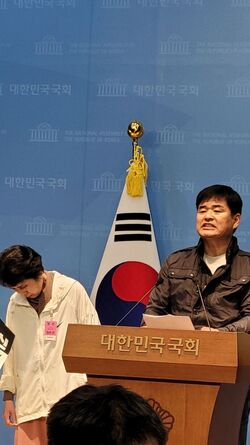
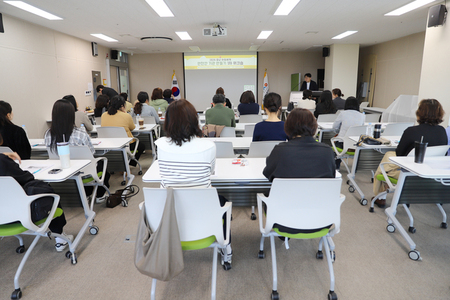
경제정의실천시민연합(이하 경실련)은 13일, 경실련 강당에서 이재명 후보 개혁과제 공약화 중간점검 기자회견을 개최했다.
 ▲ 경실련은 “이재명 후보가 진정한 개혁 후보로 평가받기 위해서는, 과거의 개혁적 기조를 되찾고 국민 앞에 책임 있는 개혁 공약을 다시 내놓아야 한다.”며, “이번 대선은 비상계엄과 대통령 탄핵으로 치러지는 조기 대선이다. 때문에 환경·복지·세제·연금 등 지속가능한 사회를 위한 구조개혁 청사진을 제출할 것”을 이재명 후보에게 공약 전환을 강력히 촉구했다. (사진, 경실련 제공) *김충열 정치전문기자 |
경실련은 “이번 제 21대 대통령선거는 비상계엄 사태로 붕괴된 헌정질서를 복원하고, 권력 남용과 독주를 막을 새로운 시스템을 마련할 역사적 기회이다.“며, ”대통령 한 사람을 바꾸는 데 그치는 선거가 아니라, 제왕적 대통령제, 재벌 중심 경제구조, 불평등한 사회구조를 개혁할 전환점이어야 한다.“고 밝혔다.
이어 “이재명 후보를 둘러싼 사법 리스크, 국민의힘의 단일화 갈등 속에서 제대로 된 정책 논의가 실종되고 있다. 지난 정부에서 반복됐던 인기 영합적 공약을 답습하거나 지원·산업 육성에만 집중되고, 정작 민주주의의 뼈대와 구조를 바꿀 핵심 개혁 과제들은 철저히 외면되고 있다.”며, “자칫하면 탄핵 국면을 거친 뒤 치러지는 조기 대선도 개혁 실종 선거로 끝날 수 있다.”고 우려를 표명했다.
제21대 대통령선거에 출마한 더불어민주당 이재명 후보의 공약화를 평가한 결과, “핵심적인 사회경제 구조개혁 과제가 대부분 공약에서 배제되었으며, 과거보다 한층 더 시장친화적인 방향으로 정책 노선이 전환되고 있다“고 판단했다.
경실련은 “이재명 후보는 최근 청년, 노인, 환경, 노동, 남북관계 등 분야별 공약을 잇달아 발표하였으나, 권력구조 개편, 재벌개혁, 선거제도 개혁, 부동산 공공성 회복, 건강보험 및 연금 개혁 등 경실련이 요구해온 핵심 구조개혁 공약은 거의 찾아볼 수 없었다.”며, “오히려 개발, 규제 완화, 대기업 중심의 산업육성에 치중한 정책이 늘어나며, 과거 후보가 제시했던 ‘기본주택’등 공공성 강화 방향에서 상당히 후퇴한 것으로 평가된다.”고 지적했다.
이어 정치개혁 측면에서는 “대통령 권력 분산, 국회 동의제 및 감사원·헌재·선관위 독립성 강화 등 권력구조 개편 공약이 전무했고, 선거제도 개혁 역시 대표성·비례성을 강화하기 위한 연동형 비례대표제 도입, 위성정당 금지 등의 핵심 개혁 방향이 완전히 누락되었다.”며, “이재명 후보는 과거 더불어민주당 당 대표로써 비례연합정당 구성에 실질적으로 참여한 적이 있기에 민주주의 후퇴에 앞장서고 있다는 비판을 피하기 어렵기 때문에 이에 대한 뚜렷한 입장 표명이 필요하다.”고 밝혔다.
경제 분야에서도 “금산분리 강화, 출자구조 개혁, 기술탈취 방지, 금융감독 체계 개편 등 재벌 중심 경제구조에 대한 근본적 개혁은 전혀 반영되지 않았으며, 반도체 특별법, R&D 세액공제, MSCI 편입 등 대기업 중심 산업육성 공약은 늘어났다.”며, “세제 영역에서도 상속·증여세 개혁, 법인세 정상화, 데이터세 신설 등 조세 정의 실현을 위한 정책은 빠진 채, 실질적인 부자 감세 기조를 수용하는 듯한 입장도 확인되었다.”고지적했다.
부동산 공약에서는 “공공택지 민간 매각 중단, 후분양제, LH 개혁, 토지공개념 강화 등은 모두 제외된 반면, 1기 신도시 재건축 및 4기 신도시 개발 준비, GTX 확장, 재건축 규제 완화 등 개발과 민간시장 확대 중심의 공약이 주를 이루며 정책 방향이 ‘우클릭’된 것으로 보인다.”며, “부동산 세제와 관련해서도 종합부동산세·재산세 정상화 등에 대한 의지는 확인되지 않았고, 기존 공시가 현실화율 정상화나 다주택자 과세 강화 공약도 빠져 있다.”고 비판했다.
복지 부문에서도 “건강보험 지출 효율화, 비급여 통제, 보험료 부과체계 개편, 퇴직연금 기금화, 공공의대 확충, 의료사고 공적 배상체계 등 구조개혁 과제들은 공약에서 제외되었으며, 일부 대상별 복지 공약(청년·노인 월세지원, 주치의제 등)은 제시되었지만 통합적이고 지속가능한 재정개혁 청사진은 제시되지 않았다.”고 날선 비판을 했다.
환경 분야에서도 “RE100, 재생에너지 확대, 탄소중립 산업단지 조성 등의 산업육성 공약은 제시되었으나, 그린벨트 절대보존, 기후세 도입, 수도권 개발 억제 등은 공약에서 빠져 근본적인 기후위기 대응 전략은 미흡하다”는 평가를 내놓았다.
경실련은 “이재명 후보가 과거 공약했던 사회구조 개혁 의제를 대부분 후퇴시켰으며, 공약 전반에서 원칙과 방향이 실종되고 있다. 특히 지역 산업·SOC 관련 공약(예: 가덕도 신공항, 대구경북 통합공항 등), 반도체 특별법, 세제 혜택, MSCI 선진국 지수 편입 등 대기업·첨단산업 지원 공약, 신규 GTX, 교통망 확충, 첨단산업·은퇴단지 개발 공약 등은 단기적인 표심만을 겨냥한 공약으로, 사회 양극화 심화와 지방 공동화를 부추길 수 있다.”고 비판했다.
이에 경실련은 이재명 후보에게 “대통령 권력 분산과 국회 견제력 강화를 위한 구조개혁 공약을 제시할 것과 선거제도 개혁과 위성정당 방지 공약을 명확히 할 것”을 촉구했다.
이어 “법인세 상속세 등 세재개편 공약을 명확히 할 것과 산업공동화 방지 공약, 부동산 공공성 회복을 위한 기본주택, 장기공공주택 확대 등의 공약을 복원할 것”을 거듭 촉구했다.
경실련은 “이재명 후보가 진정한 개혁 후보로 평가받기 위해서는, 과거의 개혁적 기조를 되찾고 국민 앞에 책임 있는 개혁 공약을 다시 내놓아야 한다.”며, “이번 대선은 비상계엄과 대통령 탄핵으로 치러지는 조기 대선이다. 때문에 환경·복지·세제·연금 등 지속가능한 사회를 위한 구조개혁 청사진을 제출할 것”을 이재명 후보에게 공약 전환을 강력히 촉구했다. hpf21@naver.com
* 아래는 위 기사를 '구글 번역'으로 번역한 영문 기사의 [전문]입니다. '구글번역'은 이해도 높이기를 위해 노력하고 있습니다. 영문 번역에 오류가 있을 수 있음을 전제로 합니다.
*The following is [the full text] of the English article translated by 'Google Translate'. 'Google Translate' is working hard to improve understanding. It is assumed that there may be errors in the English translation.
Citizens' Coalition for Economic Justice: "Candidate Lee Jae-myung's presidential policy is right-clicking, structural reform is missing... Overall pledges need to be reorganized"
Candidate Lee Jae-myung must present responsible reform pledges to the public
On the 13th, the Citizens' Coalition for Economic Justice (hereinafter referred to as the Citizens' Coalition for Economic Justice) held a press conference at the Citizens' Coalition for Economic Justice auditorium to review candidate Lee Jae-myung's reform tasks and pledges.
The Citizens' Coalition for Economic Justice stated, "This 21st presidential election is a historic opportunity to restore the constitutional order that collapsed due to martial law and establish a new system to prevent abuse of power and monopolization." It added, "This should not be an election that ends with changing one president, but a turning point to reform the imperial presidency, the economic structure centered on conglomerates, and the unequal social structure."
He continued, “Amid the judicial risks surrounding candidate Lee Jae-myung and the conflict over the unification of the People Power Party, proper policy discussions are disappearing. They are repeating the populist pledges of the previous administration or focusing only on support and industry development, and are thoroughly ignoring the core reform tasks that will change the framework and structure of democracy.” He expressed concern, saying, “If we are not careful, the early presidential election held after the impeachment phase could end up as an election without reform.”
As a result of evaluating the pledges of Democratic Party candidate Lee Jae-myung, who is running in the 21st presidential election, it was determined that “most of the core socioeconomic structural reform tasks have been excluded from the pledges, and the policy line is shifting in a more market-friendly direction than in the past.”
The Citizens' Coalition for Economic Justice pointed out that, "Candidate Lee Jae-myung has recently announced a series of pledges in various fields, including youth, senior citizens, environment, labor, and inter-Korean relations, but the core structural reform pledges that the Citizens' Coalition has been demanding, such as restructuring the power structure, reforming conglomerates, reforming the election system, restoring the public nature of real estate, and reforming health insurance and pensions, are almost nowhere to be found." "Rather, policies that focus on development, deregulation, and fostering industries centered on large corporations are increasing, and it is evaluated that this is a significant retreat from the direction of strengthening the public nature, such as 'basic housing', that the candidate had proposed in the past." In terms of political reform, he said, “There were no promises to reorganize the power structure, such as decentralizing presidential power, strengthening the National Assembly’s consent system, and strengthening the independence of the Board of Audit and Inspection, the Constitutional Court, and the National Election Commission. In terms of electoral reform, key reform directions, such as introducing a linked proportional representation system to strengthen representation and proportionality and banning satellite parties, were completely omitted.” He also said, “Candidate Lee Jae-myung, as the former leader of the Democratic Party of Korea, has actually participated in forming a proportional representation coalition party, so it will be difficult to avoid criticism that he is leading the way in the regression of democracy. Therefore, he needs to clearly state his position on this.” In the economic sector, he pointed out that “fundamental reforms to the economic structure centered on conglomerates, such as strengthening the separation of finance and industry, reforming the investment structure, preventing technology theft, and reorganizing the financial supervision system, were not reflected at all, and pledges to foster industries centered on large corporations, such as the semiconductor special law, R&D tax credits, and MSCI inclusion, increased.” He also said, “In the tax sector, policies to realize tax justice, such as inheritance and gift tax reform, normalization of corporate tax, and introduction of a data tax, were omitted, and it was confirmed that the stance of accepting the practical tax cut policy for the rich was confirmed.” In the real estate pledges, “all of the public land private sale suspension, post-sale system, LH reform, and strengthening of the concept of public land were excluded, while the policy direction seems to have shifted to the right, with the main focus being on development and private market expansion, such as reconstruction of the 1st and 4th new cities, preparation for GTX expansion, and easing of reconstruction regulations,” and “regarding the real estate tax system, there was no confirmation of the will to normalize the comprehensive real estate tax and property tax, and the pledges to normalize the existing public announcement rate and strengthen taxation of multiple homeowners were also omitted.”
In the welfare sector, “structural reform tasks such as improving the efficiency of health insurance spending, controlling non-coverage, reorganizing the insurance premium imposition system, converting retirement pension funds into funds, expanding public medical schools, and a public compensation system for medical accidents were excluded from the pledges, and although some target-specific welfare pledges (rent support for youth and the elderly, primary care physician system, etc.) were presented, no comprehensive and sustainable blueprint for fiscal reform was presented.”
In the environmental sector, “RE100, expansion of renewable energy, and establishment of carbon-neutral industrial complexes were presented as industrial development pledges, but absolute preservation of the green belt, introduction of climate tax, and suppression of development in the metropolitan area were omitted from the pledges, so the fundamental climate crisis response strategy is insufficient.”
The Korea Center for International Finance criticized, “Candidate Lee Jae-myung has mostly backed down from his past social structural reform agendas, and principles and directions are disappearing from his pledges. In particular, pledges related to regional industries and SOCs (e.g., Gadeokdo New Airport, Daegu-Gyeongbuk Integrated Airport, etc.), semiconductor special laws, tax benefits, and support for large corporations and cutting-edge industries such as inclusion in the MSCI advanced country index, new GTX, expansion of transportation networks, and development of cutting-edge industries and retirement complexes are pledges that only target short-term votes, and could incite deepening social polarization and hollowing out of local areas.”
Accordingly, the Citizens' Coalition for Economic Justice urged Lee Jae-myung to "present structural reform pledges to decentralize presidential power and strengthen the National Assembly's checks and balances, and to clearly state pledges to reform the election system and prevent satellite parties."
It then repeatedly urged Lee Jae-myung to "clarify pledges to reform the tax system, including corporate tax and inheritance tax, and to restore pledges to prevent industrial depopulation and expand basic housing and long-term public housing to restore the public nature of real estate."
The Citizens' Coalition for Economic Justice strongly urged Lee Jae-myung to change his pledges, saying, "In order for Lee Jae-myung to be evaluated as a true reform candidate, he must regain his past reformist tone and present responsible reform pledges to the public again." "This presidential election is an early election held under martial law and the impeachment of the president. Therefore, he must submit a blueprint for structural reform for a sustainable society, including the environment, welfare, taxation, and pension." hpf21@naver.com