▲ 제주 4·3 평화공원을 방문하여 희생자 비석앞에서 카토 도키코 가수 출처: 아사히 신문 © 이일영 칼럼니스트 |
시대의 양심을 외면하지 않은 일본의 여성 가수 가토 토키코(加藤登紀子)는 한 사람의 예술가이자 기억의 증언자로 오래도록 이야기되어야 할 삶을 살아온 인물이다. 가수는 음악이라는 이름 아래 국경과 언어를 넘어 한국과도 깊은 정서적 연대를 이어왔다.
올해 82세의 가수는 지난 3월 31일 제주를 찾아 4월 1일 제주 4.3평화공원을 방문했다. 이어 2일 제주아트센터에서 열린 제주4·3사건 전야제에 참석하여 우리의 가곡 ‘봉선화’와 가수의 노래 ‘홀로 잠드는 자장가(ひとり寝の子守唄)’에 이어 1987년 자신이 리메이크한 ‘백만 송이 장미(百万本のバラ)’ 등을 불렀다.
참고로 ‘백만 송이 장미’는 1981년 발해만의 작은 나라 라트비아 방송국 가요제에서 ‘아이야 쿠쿨레’라는 가수가 라트비아 신화 속 이야기를 노래하면서 처음 알려진 노래다. 다음 해 1982년 러시아 유명 여가수 ‘알라 푸가초바’가 러시아 시인 안드레이 보즈네센스키의 시를 가사로 리메이크하면서 오늘날 ‘백만 송이 장미’로 전해졌다. 이후 1987년 아시아 가수로는 최초로 일본의 카토 토키코 가수가 리메이크하였으며 1996년 우리나라 임주리 가수와 1997년 심수봉 가수가 리메이크하여 널리 알려진 노래다.
살펴 갈 내용이 있다. 우리나라는 광복 이후 1998년 10월 일본 대중문화 제1차 개방까지 일본 대중가수의 국내 공연 규제가 엄격하였다. 특히 일본어로 부르는 공연은 모두 불허하였다. 이후 1999년 9월 2차 개방을 통하여 2.000석 이하 실내 공연이 최초로 허용되었다.
이러한 역사에서 카토 토키코 가수는 1990년 12월 9일 서울 롯데호텔에서 장애인을 위한 자선공연을 열었다. 당시 엄격한 일본어 노래 금지에 따라 문화부는 토키코 가수의 영어와 한국어 노래만을 허용하는 조건으로 공연을 허가하였다. 가수는 영어와 한국어 공연을 서약한 규정을 벗어나 자신의 노래 10여 곡을 일본어로 부르고 가곡 봉선화와 한국가요 남진의 ‘가슴 아프게’와 조용필의 ‘돌아와요 부산항에’는 한국어로 부르는 공연을 감행하였다.
그날의 무대는, 광복 이후 닫혀 있던 일본어 노래 공연의 금기를 조용히 그러나 의도적으로 넘어서는 순간이었다. 결국 언론의 질타가 쏟아져 이후 1998년 1차 개방까지 일본 음악 공연이 일체 불허되었던 역사의 장본인이기도 하다.
필자는 1990년대에 여러 차례 일본을 오가던 시기 지인의 소개로 양 어머님의 인연을 맺은 분이 계셨다. 한국인 2세로 일본에서 태어나 꽃꽂이와 다도를 가르치시던 수선화 같은 분이었다. 당시 어머님의 안내로 가수의 콘서트를 직접 관람한 적이 있었다.
기억하는 내용이 2번째 뉴욕 카네기 홀 공연을 앞두고 있다는 내용으로 당시 50대 초반 가수는 고운 모습이었다. 이후 오랫동안 가수의 노래를 살펴온 입장에서 베트남 가수 칸 리의 이야기를 쓰다가 연관된 내용이 있어 마지막 정리 글로 남겨두었던 가수의 이야기가 쏟아지면서 많은 글이 생겨났다.
 ▲ 가토 토키코(加藤登紀子) 공연 모습 출처: 가토 토키코 사이트 © 이일영 칼럼니스트 |
특히 가수의 1997년에 발매된 특별한 앨범 ‘토키코의 울음, 아름다운 옛날(TOKIKO CRY 美しい昔)’에 수록된 12곡 ‘울음의 노래’들은 식민과 전쟁, 혁명과 추방, 핵과 평화에 대한 근현대사의 통증을 노래로 껴안은 기록이었다. 이와 같은 12곡 ‘울음의 노래’를 독립된 이야기로 소개하려 한다.
‘토키코의 울음’은 단순한 감정의 표현이 아닌 시대를 마주한 노래가 흘린 눈물의 결이다. 앞으로 헤아려 갈 글은 단순한 음반 해설이 아닌, 시대의 아픔과 양심을 노래해 온 가토 토키코 가수에게 바치는 작은 헌정의 마음이기도 하다. 음악이 기억을 건너는 방식은 때로 말보다 더 조용하지만, 그 울림은 깊고 오래 간다. 그 울음의 노래들을 하나하나 따라가며 시대를 통과한 목소리의 흔적을 기록하여 헌정하려 한다.
부족한 글이지만, 단 한 사람이라도 이야기의 행간을 조용히 헤아려 준다면 그것만으로도 충분히 감사할 일이다. artwww@naver.com
필자: 이일영
한국미술센터 관장. 칼럼니스트. 시인
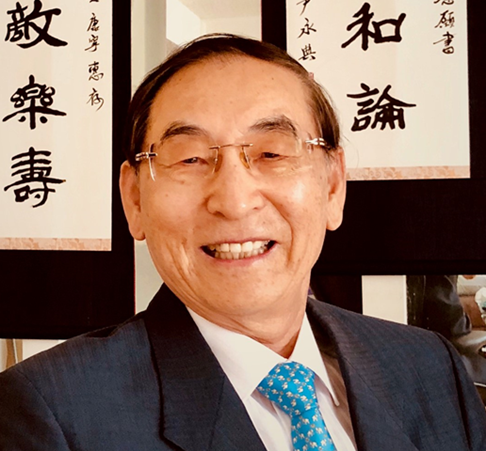
 ▲ 필자: 이일영 ©이일영 칼럼니스트 |
▲ Visiting the Jeju 4.3 Peace Park, singer Tokiko Kato in front of the victims’ monument Source: Asahi Shimbun © Columnist Il-young Lee
*아래는 위 기사를 '구글 번역'으로 번역한 영문 기사의 [전문]입니다. '구글번역'은 이해도 높이기를 위해 노력하고 있습니다. 영문 번역에 오류가 있을 수 있음을 전제로 합니다.<*The following is [the full text] of the English article translated by 'Google Translate'. 'Google Translate' is working hard to improve understanding. It is assumed that there may be errors in the English translation.>
『Dedication Preface』 Songs Cry Beyond Borders - Tokiko Kato’s 12 Songs of Conscience
- Columnist Il-young Lee
Japanese female singer Tokiko Kato, who did not turn away from the conscience of the times, is a person who lived a life that should be talked about for a long time as an artist and a witness of memory. Under the name of music, the singer has maintained a deep emotional solidarity with Korea, transcending borders and languages.
The 82-year-old singer visited Jeju on March 31 and visited the Jeju 4.3 Peace Park on April 1. On the 2nd, she attended the Jeju 4.3 Incident Eve Festival held at Jeju Arts Center, where she sang our song ‘Balcony Flower’ and the singer’s song ‘Lullaby for Sleeping Alone’, followed by ‘One Million Roses’, which she remade in 1987.
As a side note, ‘One Million Roses’ was first made known in 1981 when a singer named ‘Aiya Kukule’ sang a story from Latvian mythology at a Latvian broadcasting station song festival in the small country of Balhae Bay. The following year, in 1982, famous Russian singer ‘Alla Pugacheva’ remade the song with lyrics based on a poem by Russian poet Andrei Voznesensky, and it became known as ‘One Million Roses’ today. After that, in 1987, Japanese singer Kato Tokiko was the first Asian singer to remake the song, and in 1996, singer Im Ju-ri and in 1997, singer Shim Soo-bong from Korea remade the song, making it widely known.
There is something to look into. From the liberation of Korea to the first opening of Japanese popular culture in October 1998, domestic performance regulations for Japanese popular singers were strict. In particular, performances in Japanese were not permitted. After that, through the second opening in September 1999, indoor performances with less than 2,000 seats were permitted for the first time.
In this history, singer Kato Tokiko held a charity concert for the disabled at the Lotte Hotel in Seoul on December 9, 1990. At that time, due to the strict ban on Japanese songs, the Ministry of Culture permitted the performance on the condition that Tokiko sing only English and Korean songs. The singer broke the rule of performing in English and Korean and sang about 10 of his songs in Japanese, and sang the song Bongseonhwa and the Korean song Namjin’s “Heartbreaking” and Cho Yongpil’s “Back to Busan Port” in Korean.
That day’s stage was a moment of quiet but intentional overcoming of the taboo on performing Japanese songs that had been closed since liberation. It was also the main culprit of the history that eventually led to a barrage of criticism from the media and the subsequent ban on all Japanese music performances until the first opening in 1998.
When I was traveling to Japan several times in the 1990s, I met someone whose mother I had met through an acquaintance. She was a second-generation Korean born in Japan who taught flower arrangement and tea ceremony. At the time, I had been able to see the singer’s concert in person with her mother’s guidance.
I remember that the singer was about to perform at Carnegie Hall in New York for the second time, and at the time, she was in her early 50s and looked beautiful. After that, as I was writing about Vietnamese singer Khanh Ly from the perspective of someone who has been looking at the singer’s songs for a long time, I had related content, so I left the story of the singer as the last summary, and as the story of the singer poured out, many articles were created.
▲ Kato Tokiko (加藤登紀子) performance Source: Kato Tokiko site © Columnist Lee Il-young
In particular, the 12 ‘Crying Songs’ included in the singer’s special album ‘Tokiko’s Cry, Beautiful Old Days (TOKIKO CRY 美しい昔)’ released in 1997 were records that embraced the pain of modern and contemporary history regarding colonization and war, revolution and exile, nuclear weapons and peace. I would like to introduce these 12 ‘Crying Songs’ as independent stories.
‘Tokiko’s Crying’ is not a simple expression of emotion, but rather the tears shed by a song that faced the times. The article that will be considered from now on is not a simple album commentary, but also a small tribute to singer Tokiko Kato, who has sung the pain and conscience of the times. The way music passes through memories is sometimes quieter than words, but its resonance is deep and long-lasting. I will follow each song of those cries and record the traces of the voices that have passed through the times and dedicate it to you.
It is an insufficient article, but if even one person quietly ponders between the lines of the story, that alone will be enough to be grateful. artwww@naver.com
Author: Lee Il-young
Director of the Korean Art Center. Columnist. Poet