우원식 국회의장은 16일 오후 서울 코엑스를 찾아 2025 세계정치학회 서울총회 고위급 라운드테이블 기조연설과 폐막식에 참석했다. 세계정치학회는 1949년 설립된 전 세계 정치학자의 대표적 학술단체로 격년마다 총회를 개최하고 있으며, 이번 제28회 총회는 서울 코엑스에서 7월 12일부터 16일까지 열렸다.
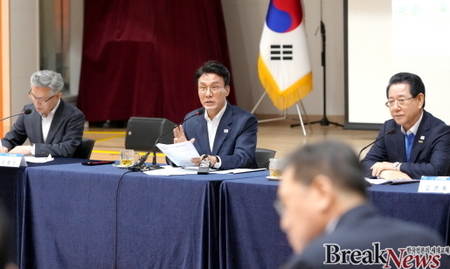
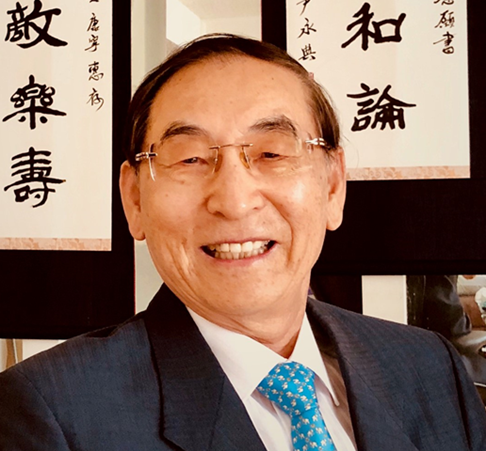
 ▲ 우원식 의장은 "대한민국 민주주의의 힘은 국민주권의 원칙으로부터 나온다"면서 "19세기말 왕조의 부패, 열강의 침략에 맞서며 시작된 국민주권주의는 동학농민혁명, 만민공동회, 대한민국 임시헌장에서 제헌헌법으로 이어졌으며, 4.19혁명, 5.18민주화운동, 6월 항쟁에서 2016년 촛불집회와 2024년 계엄사태 극복까지 국민이 주권자로서 헌법과 민주주의를 지켜 왔다"고 피력했다. (사진, 국회의장실 제공) © 김충열 정치전문기자 |
우 의장은 기조연설에서 "오늘날 민주주의는 많은 국가에서 위협받고 있으며, 한국 역시 비상계엄이라는, 민주주의의 존립 자체가 흔들릴 수 있는 중대한 위기를 겪었다"면서 "대한민국 국회의장으로서, 그리고 민주주의의 힘을 믿는 한 명의 시민으로서 이 자리가 세계 각국이 직면한 위기의 본질을 직시하고 실질적인 해법을 모색하는 출발점이 되길 바란다"고 말했다.
우 의장은 "저출산·고령화, 부족한 일자리, 사회경제적 불평등, 기후위기, 전쟁 등 시민들의 삶을 불안하게 하는 지구적 위기 앞에서 민주주의가 해답을 주지 못하고 있다"며 오늘날 민주주의 위기의 원인으로 '민주주의가 내 삶을 나아지게 하는가?'라는 물음에 쉽게 고개를 끄덕이기 어려운 현실과 더욱 극단적으로 변화하고 있는 정치의 갈등 구조를 꼽았다.
우 의장은 민주주의 위기에 대응하기 위한 국회의 역할로 국민의 삶을 개선하는 현장성 있는 입법 활동, 사회적 대화의 장으로서 국회의 기능 복원, 헌법과 민주주의를 수호하는 최후의 보루로서 국회의 권한과 기능 강화를 강조했다.
우 의장은 "한국의 민주주의가 12.3 계엄사태를 극복한 것은 주권자 시민의 참여와 견제, 국회의 책임있는 역할이 결합되어 민주주의가 더 강력한 힘을 발휘할 수 있었기 때문"이라며, "계엄 선포 직후 수많은 시민과 의원들이 위험을 무릅쓰고 의사당으로 집결했고, 군인들은 불법적인 계엄에 협력하지 않았기 때문에 평화적으로 민주주의를 회복할 수 있었다"고 역설했다.
국민주권주의, 동학농민혁명, 만민공동회, 대한민국 임시헌장, 제헌헌법으로 이어져,
4.19혁명, 5.18민주화운동, 6월 항쟁에서 ‘16년 촛불집회와 ’24년 계엄 극복
우 의장은 이어 "대한민국 민주주의의 힘은 국민주권의 원칙으로부터 나온다"면서 "19세기말 왕조의 부패, 열강의 침략에 맞서며 시작된 국민주권주의는 동학농민혁명, 만민공동회, 대한민국 임시헌장에서 제헌헌법으로 이어졌으며, 4.19혁명, 5.18민주화운동, 6월 항쟁에서 2016년 촛불집회와 2024년 계엄사태 극복까지 국민이 주권자로서 헌법과 민주주의를 지켜 왔다"고 피력했다.
아울러 "불공정, 불평등, 양극화된 사회에서 민주주의가 내 삶을 변화시키고, '정치는 힘이 약한 자들의 가장 강한 무기'라는 사실이 확인될 때 비로소 민주주의는 더 단단하게 공동체에 뿌리내릴 수 있다"며, "대한민국 국회는 사회경제적 민주주의의 확대, 갈등 해소를 위한 사회적 대화 활성화, 권력의 견제와 균형을 강화하는 제도적 개혁 등 민주주의의 빈틈을 실질적으로 메우는 데 앞장서겠다"고 밝혔다.
이어진 폐막식에서 우 의장은 "세계정치학회 총회가 비상계엄 직후 한국에서 치러진 것은 그 자체로 역사적인 일"이라며 "민주주의의 위기와 극복의 현장인 한국에서 가진 학술 교류를 통해 정치학이 인류의 평화·번영, 민주주의 발전에 더욱 기여하는 계기가 되길 바란다"고 말했다.
이날 총회에는 파블로 오나테 세계정치학회장, 김의영 서울총회 수석조직위원장, 이태구 미국정치학회장, 김범수 한국정치학회장, 켄스케 타카야스 일본정치학회장, 다니엘라 이레라 유럽정치학회장 등 세계정치학회 회원들이 참석했으며, 국회에서는 김종민·김영배·박지혜 국회의원, 이관후 입법조사처장, 이원정 정책수석비서관 등이 함께 했다. hpf21@naver.com
* 아래는 위 기사를 '구글 번역'으로 번역한 영문 기사의 [전문]입니다. '구글번역'은 이해도 높이기를 위해 노력하고 있습니다. 영문 번역에 오류가 있을 수 있음을 전제로 합니다.
*The following is [the full text] of the English article translated by 'Google Translate'. 'Google Translate' is working hard to improve understanding. It is assumed that there may be errors in the English translation.
Speaker Woo Won-shik to attend 2025 World Political Science Association Seoul General Assembly
World Political Science Association General Assembly, a historic event held in Korea right after martial law
On the afternoon of the 16th, Speaker Woo Won-shik visited COEX in Seoul to attend the 2025 World Political Science Association Seoul General Assembly High-level Roundtable Keynote Speech and Closing Ceremony. The World Political Science Association, established in 1949, is a representative academic organization of political scientists around the world and holds a general assembly every two years. The 28th General Assembly was held at COEX in Seoul from July 12 to 16.
In his keynote speech, Speaker Woo said, “Today, democracy is under threat in many countries, and Korea has also experienced a serious crisis called martial law, which could shake the very existence of democracy.” He added, “As the Speaker of the National Assembly of the Republic of Korea and as a citizen who believes in the power of democracy, I hope that this event will be a starting point for countries around the world to face the essence of the crisis they are facing and seek practical solutions.”
Speaker Woo said, “Democracy is not providing an answer to the global crisis that is making citizens’ lives unstable, such as low birth rates and aging populations, lack of jobs, socioeconomic inequality, climate crisis, and war,” and cited the reality that makes it difficult to nod one’s head to the question, “Does democracy improve my life?” and the conflict structure of politics that is changing more drastically as the cause of today’s democratic crisis.
Speaker Woo emphasized the role of the National Assembly in responding to the democratic crisis, including on-site legislative activities that improve the lives of the people, restoring the National Assembly’s function as a forum for social dialogue, and strengthening the authority and function of the National Assembly as the last bastion to protect the Constitution and democracy.
Chairman Woo emphasized, “The reason why Korean democracy overcame the 12.3 martial law incident was because the participation and checks of sovereign citizens and the responsible role of the National Assembly combined to make democracy more powerful,” and “Immediately after the declaration of martial law, numerous citizens and lawmakers gathered at the National Assembly building despite their dangers, and the military did not cooperate with the illegal martial law, so democracy was able to be restored peacefully.” National sovereignty, Donghak Peasant Revolution, People's Common Assembly, Provisional Charter of the Republic of Korea, and the Constitutional Court,
From the April 19 Revolution, May 18 Democratization Movement, and the June Struggle to the '16 Candlelight Protests and '24 Martial Law Overcoming
Chairman Woo continued, "The power of democracy in the Republic of Korea comes from the principle of popular sovereignty," and said, "National sovereignty, which began in the late 19th century in the face of the corruption of the dynasty and the invasion of the great powers, continued from the Donghak Peasant Revolution, People's Common Assembly, and the Provisional Charter of the Republic of Korea to the Constitutional Court, and from the April 19 Revolution, May 18 Democratization Movement, and the June Struggle to the 2016 Candlelight Protests and the overcoming of Martial Law in 2024, the people have protected the Constitution and democracy as sovereigns."
In addition, he stated, “In an unfair, unequal, and polarized society, democracy can take root more firmly in the community only when it is confirmed that democracy changes my life and that ‘politics is the strongest weapon of the weak’,” and “The National Assembly of the Republic of Korea will take the lead in practically filling the gaps in democracy, such as expanding socioeconomic democracy, activating social dialogue to resolve conflicts, and institutional reform to strengthen checks and balances on power.”
In the closing ceremony that followed, Chairman Woo said, “It is a historic event in itself that the World Political Science Association General Assembly was held in Korea right after martial law,” and “I hope that the academic exchange held in Korea, the site of the crisis and overcoming of democracy, will serve as an opportunity for political science to further contribute to the peace and prosperity of humanity and the development of democracy.” On this day, the general meeting was attended by members of the World Political Science Association, including Pablo Onate, President of the World Political Science Association; Kim Eui-young, Senior Organizing Committee Chairman of the Seoul General Assembly; Lee Tae-goo, President of the American Political Science Association; Kim Beom-soo, President of the Korean Political Science Association; Kensuke Takayasu, President of the Japanese Political Science Association; and Daniela Irera, President of the European Political Science Association. From the National Assembly, members of the National Assembly Kim Jong-min, Kim Young-bae, and Park Ji-hye, Director of the Legislative Research Office Lee Gwan-hoo, and Senior Secretary for Policy Lee Won-jeong also attended. hpf21@naver.com