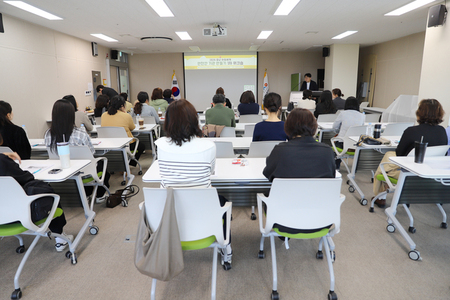
▲ 부산상의 전경 (C) 배종태 기자 |
[브레이크뉴스=배종태 기자] 중소기업에서 중견기업으로의 성장은 자연스러운 발전 경로지만, 정책 혜택 축소와 규제 강화에 대한 우려로 실제 기업들은 진입을 꺼리고 있는 것으로 나타났다. 특히 부산지역 강소기업 다수가 중견기업 도약보다 정책 사각지대에 대한 부담을 더 크게 인식하고 있는 것으로 조사됐다.
■ 부산상의, 중견기업 도약 인식 조사 결과 발표
부산상공회의소(회장 양재생)는 5일(화), 지역 내 중견기업 후보기업 116개사를 대상으로 실시한 ‘부산지역 강소기업의 중견기업 도약 인식 조사’ 결과를 발표했다.
중견기업 후보들은 대부분 독자적인 경쟁력을 바탕으로 20년 이상 장기간에 걸쳐 지속적인 성장을 이뤄 온 강소기업들이 주를 이루고 있지만, 중견기업 진입에 대해서는 응답기업의 63.9%가 여전히 부담을 크게 느끼고 있는 것으로 확인됐다. 이는 정책지원의 사각지대로 향한다는 부정적 인식이 크게 작용하고 있기 때문인 것으로 풀이된다.
업종별 중견기업 진입 매출액 기준은 운수업.정보통신업 1,000억 원, 건설업.도소매업.제조업 1,200억 원, 1차금속.전기장비 등 일부 제조업 1,800억 원 수준이다.
■ 제조업 중심 분포… 건설·유통·운수업 순
중견기업 후보 업종별로는 제조업이 48개사(41.4%)로 가장 많았으며, 도소매업 38개사(32.8%), 건설업 18개사(15.5%), 운수·창고업 8개사(6.9%) 등이 뒤를 이었다. 제조업의 경우 설비 및 자본투자가 집중되는 산업 특성상 기업 규모가 상대적으로 크기 때문으로 분석된다.
■ “성장보다 부담”… 응답기업 64%가 ‘정책 사각지대’ 우려
조사 결과, 응답 기업의 63.9%가 ‘중견기업 진입에 부담을 느낀다’고 답했다. 이는 성장을 통해 중견기업으로 도약하는 것보다, 진입 후 받게 될 정책지원 축소와 각종 규제 강화에 대한 우려가 더 크다는 방증이다.
■ 가장 큰 부담은 ‘세제 혜택 축소’
중견기업 진입 시 느끼는 부담 요인으로는 ▲세제 혜택 축소(57.0%)가 가장 높게 나타났다. 중소기업으로서 누리던 고용·투자·연구개발 관련 세제 감면이 줄어들고, 법인세 최저한세율 등에서도 불리한 기준이 적용된다는 점이 주요 원인이다.
이어 ▲공공조달시장 참여 제한(15.1%), ▲노동·환경·안전 관련 규제 증가(12.8%), ▲정책금융 축소(8.1%), ▲판로지원 축소(4.7%) 등의 순으로 부담이 지적됐다.
■ “세제 확대·전용 자금 등 맞춤형 지원 시급”
중견기업 진입을 유도하기 위한 정책 과제로는 ▲세제 혜택 확대(60.5%) 요구가 가장 많았으며, ▲전용 정책자금 및 금융지원 확대(31.4%), ▲규제 완화(5.8%)가 뒤를 이었다.
부산상공회의소 조사연구팀 관계자는 “기업 입장에선 중견기업이 되면 신뢰도나 자금 조달 면에서 이점이 있지만, 현행 정책 체계에서는 감수해야 할 불이익이 크다”며, “중견기업으로 성장하는 데 20년 이상이 걸리는 만큼 장기적이고 실질적인 맞춤형 지원이 필요하다”고 강조했다.
*아래는 위 기사를 번역한 영문 기사의 [전문]. <*The following is [the full text] of the English article translated >
Policy Gaps Discourage SMEs in Busan from Advancing to Mid-Sized Enterprise Status
Survey Finds 64% of Leading Local Companies Hesitant Due to Reduced Benefits and Increased Regulations
Despite the natural progression from small to mid-sized enterprises, many SMEs in Busan are reluctant to make the transition due to concerns over shrinking policy support and tighter regulations. A recent survey shows that numerous strong-performing SMEs in the region perceive the potential policy vacuum as a more significant risk than the benefits of growth.
Busan Chamber of Commerce Releases SME Transition Perception Survey
The Busan Chamber of Commerce and Industry (Chairman Yang Jae-saeng) announced on Tuesday, August 5, the results of its “Perception Survey on the Transition of Strong SMEs to Mid-Sized Enterprises”, conducted with 116 candidate companies in the region.
The surveyed companies are primarily long-standing, competitive SMEs that have achieved steady growth over more than 20 years, backed by independent technological and market competitiveness. However, 63.9% of respondents expressed significant concerns about transitioning into mid-sized enterprise status.
This hesitation is largely driven by a negative perception that such a transition leads to a policy vacuum, where companies lose access to existing support programs without gaining new benefits.
According to industry standards, the sales revenue thresholds for mid-sized enterprise classification vary by sector: ▲?100 billion for transportation and information & communication ▲?120 billion for construction, wholesale & retail, and general manufacturing ▲?180 billion for certain heavy manufacturing sectors such as primary metals and electrical equipment
These benchmarks illustrate the high barriers to entry, particularly for companies operating in capital-intensive industries.
Manufacturing Leads Among Surveyed Companies
By industry, manufacturing accounted for the largest portion of mid-sized enterprise candidates, with 48 companies (41.4%), followed by wholesale and retail with 38 companies (32.8%), construction with 18 companies (15.5%), and transportation and warehousing with 8 companies (6.9%).
The predominance of manufacturing is attributed to the capital- and equipment-intensive nature of the sector, which naturally leads to larger company sizes and higher revenue scales.
64% Cite "Policy Gaps" as Barrier to Growth
The survey found that 63.9% of respondents feel burdened by the prospect of entering the mid-sized enterprise category.
This reflects a widespread perception that the disadvantages--such as losing policy benefits and facing stricter regulations--outweigh the advantages of growth.
"Top Concern: Loss of Tax Benefits"
When asked about their main concerns, a majority (57.0%) pointed to the reduction in tax incentives.
Many companies worry about losing tax breaks related to employment, investment, and R&D, along with being subject to less favorable corporate tax conditions, such as higher minimum tax rates.
Other notable concerns include: ▲Restricted access to public procurement (15.1%) ▲Increased labor, environmental, and safety regulations (12.8%) ▲Reduction in policy-based financial support (8.1%) ▲Decreased market access support (4.7%)
"Urgent Need for Customized Support Policies"
To encourage more SMEs to pursue mid-sized status, respondents emphasized the need for: ▲Expanded tax benefits (60.5%) ▲Dedicated financial support and policy-based funding (31.4%) ▲Regulatory relief (5.8%)
A representative from the Busan Chamber’s Research and Policy Division stated:
“Becoming a mid-sized enterprise does offer advantages in trust and financing, but the current policy framework imposes significant disadvantages. Since it often takes more than 20 years to reach this stage, long-term and tailored policy support is urgently needed.”
원본 기사 보기:부산브레이크뉴스