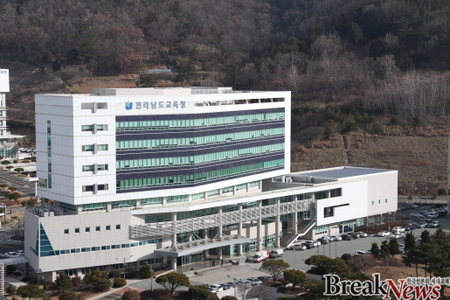
▲ 부여군보건소 전경 © 부여군 제공 |
충남 부여군(군수 박정현)이 치명적인 항생제 내성균 감염증인 ‘CRE 감염증’의 확산을 막기 위해 의료기관을 중심으로 한 대응 체계를 강화하고 있다고 7일 밝혔다.
지역 내 감염 발생이 매년 증가하고 있는 가운데, 군은 실질적인 교육과 협력체계 구축을 통해 감염 차단에 총력을 기울이고 있다.
‘CRE 감염증(카바페넴 내성 장내세균속균 감염증)’은 이른바 ‘슈퍼박테리아’로 불린다. 중증 감염에 사용되는 마지막 수단의 항생제인 카바페넴계에 내성을 가진 장내세균속 균종이 원인으로, 감염 시 치료 가능한 항생제가 매우 제한적이다. 혈류 감염, 요로 감염, 폐렴 등 심각한 합병증을 유발할 수 있으며, 특히 병원 환경에서는 전파 속도가 빠르고 통제가 어려워 철저한 관리가 필요하다.
CRE는 주로 환자 간 직접 접촉, 의료기구나 물품 오염, 병실 환경 표면 등을 매개로 퍼진다. 이로 인해 의료기관 내에서의 감염 확산 가능성이 높아, 병원 차원의 선제적 대응이 중요하게 강조된다.
실제 부여군의 감염 발생 추이를 살펴보면, 2022년 3건, 2023년 6건, 2024년 11건으로 해마다 증가하고 있다. 2025년 들어서도 6월 기준 벌써 8건이 보고돼 그 추세가 지속되고 있다. 2024년과 비교해 전년 대비 66.6%의 증가율을 보이며 지역 보건 당국에 경각심을 불러일으키고 있다.
이 같은 상황에 대응해 부여군보건소는 관내 3개 의료기관과 함께 충남감염병관리지원단, 논산백제종합병원 등과 연계해 의료기관 종사자들을 대상으로 CRE 감염증 예방 및 대응 교육을 실시했다. 이번 교육은 전파 경로 파악부터 접촉주의 수칙, 감염 환자 격리, 환경 소독 등 이론과 실습을 병행해 현장에서 즉시 적용 가능한 내용을 중심으로 구성됐다.
유재정 부여군 보건소장은 “CRE 감염증은 일반 감염병과 달리 확산 속도와 위험성이 높기 때문에 초기 대응이 무엇보다 중요하다”며 “의료기관의 모니터링과 빠른 신고를 통해 균주를 확인하고, 환자 격리 및 접촉자 검사 등 체계적인 관리가 필수적”이라고 강조했다. 이어 “향후에도 지역 의료기관과 긴밀히 협조해 감염병 감시 체계를 강화하고, 현장 대응력을 높여 나가겠다”고 밝혔다.
부여군은 앞으로도 감염병 대응 교육을 정례화하고, 유관기관과의 협업을 통해 의료기관 내 감염병 확산 차단을 위한 역량 강화에 지속적으로 나설 방침이다.
*아래는 위 기사를 '구글 번역'으로 번역한 영문 기사의 [전문]입니다. '구글번역'은 이해도를 높이기를 위해 노력하고 있습니다. 영문 번역에 오류가 있을 수 있음을 전제로 합니다.<*The following is [the full text] of the English article translated by 'Google Translate'. 'Google Translate' is working hard to improve understanding. It is assumed that there may be errors in the English translation.>
Buyeo County, South Chungcheong Province (Governor Park Jeong-hyeon) announced on the 7th that it is strengthening its response system, centered on medical institutions, to prevent the spread of "CRE infection," a potentially lethal antibiotic-resistant bacterial infection.
With the number of infections in the region increasing annually, the county is making every effort to prevent infection through practical education and the establishment of a cooperative system.
CRE infection (carbapenem-resistant Enterobacteriaceae infection) is often referred to as a "superbug." It is caused by Enterobacteriaceae strains resistant to carbapenems, the last-resort antibiotics used for severe infections. Treatment options are very limited. It can cause serious complications such as bloodstream infections, urinary tract infections, and pneumonia. It spreads rapidly and is difficult to control, particularly in hospital settings, requiring thorough management.
CRE is primarily spread through direct patient-to-patient contact, contamination of medical equipment and supplies, and surfaces in patient rooms. This increases the likelihood of infection spreading within medical institutions, highlighting the importance of preemptive response at the hospital level.
Actually, the number of infections in Buyeo County is increasing year by year, with three cases in 2022, six in 2023, and 11 in 2024. This trend continues with eight cases reported in June 2025. This represents a 66.6% year-on-year increase compared to 2024, raising alarm among local health authorities.
In response to this situation, the Buyeo County Public Health Center, along with three medical institutions in the district, collaborated with the Chungnam Infectious Disease Management Support Team and Nonsan Baekje General Hospital to provide training on CRE infection prevention and response for healthcare workers. This training focused on immediately applicable content, combining theory and practice, covering topics such as identifying transmission routes, contact precautions, isolating infected patients, and environmental disinfection.
Yoo Jae-jeong, Director of the Buyeo County Public Health Center, emphasized, "CRE infection spreads faster and is more dangerous than other infectious diseases, so early response is paramount." He added, "Monitoring and prompt reporting by medical institutions are essential for identifying the strain, and systematic management, including patient isolation and contact testing, is essential." He added, "We will continue to work closely with local medical institutions to strengthen our infectious disease surveillance system and enhance our on-site response capabilities."
Buyeo County plans to continue to strengthen its capacity to prevent the spread of infectious diseases within medical institutions by regularly conducting infectious disease response training and collaborating with relevant organizations.
원본 기사 보기:브레이크뉴스대전세종충청