최근 게임회사 넷마블 방준혁 의장이 자회사 코웨이를 통해 과천시 막계동 특별계획구역(약 10만8,333㎡, 32,770평) 개발 사업 투자에 나서려는 움직임이 알려지면서, 코웨이의 여타 대주주 및 소수 투자자들이 강하게 반발하고 있다.
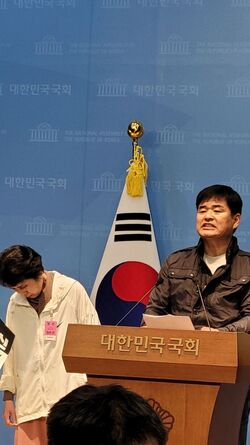
 ▲ 얼라인파트너스(대표 이창환) 측은 “코웨이는 안정적인 렌탈 기반 사업 모델을 통해 꾸준한 현금 흐름을 창출해온 기업으로 방 의장의 개인 실험장이 아니다. 수많은 소액주주들이 믿고 투자한 공적 자산이며, 안정성과 투명성을 기반으로 성장해온 기업이다”며, “과천 부동산 투자는 코웨이의 본질을 훼손하고, 주주가치를 침해하는 위험한 결정이다”고 비판하고 있다. (사진출처, 나무위크) © 김충열 정치전문기자 |
이 특별계획구역 개발 사업은 과천시가 종합병원을 포함한 첨단 의료 및 바이오,헬스케어 산업 중심의 미래형 융·복합 클러스터를 조성하는 것이다.
게임 기반 기업인 넷마블 코웨이가 생소한 부동산 개발에 진출할 경우, 회사와 해당 지역(과천시) 모두에 재정적·정책적 부담이 따를 수 있다.
게임 기반 회사의 부동산 진출 시 잠재적 리스크...사업 전문성 부족
넷마블은 게임 개발·운영에 특화된 회사로, 대규모 복합개발(PF, 도시계획, 시행 등)은 전문 영역 외이다. 복합개발은 인허가·정치·주민 협의·자금 조달 등 복합 리스크 요소가 많고, 경험 없는 기업은 시행착오로 비용과 시간 모두 손실 가능성 클 것으로 전망하고 있다.
재무적 리스크...재무 안정성은 어디로?
넷마블은 이미 위메이드 인수, 투자 자산 손실 등으로 최근 몇 년간 실적 부진을 겪었다. 부동산 개발은 초기 투자금액이 매우 크고 수익 회수까지 5~10년 이상 소요, 실패 시 손실이 심각할 수 있다. 회사가 부담하는 자금 조달(프로젝트 파이낸싱, 대출 등)이 무리할 경우, 신용등급 하락이나 본업(게임) 투자 위축이 우려된다.
넷마블은 2019년 12월 코웨이 인수 이후 재무구조 개선을 위해 배당을 줄이고 현금 유보를 늘려왔다.
그 결과 코웨이 부채비율은 2019년 165%에서 2023년말 83.9%까지 낮아졌다. 그러나 과천 부동산 투자로 인해 대규모 자금이 묶이게 된다면, 그간의 재무 개선 노력은 물거품이 될 수 있다. 특히 부동산 시장의 불확실성과 장기회수 기간을 고려할 때, 이는 안정적 현금 흐름을 위협하는 단초가 될 수 있다.
이와 관련 브레이크뉴스는 넷마블측의 입장을 듣기 위해 홍보팀장, 홍보실장과 수차에 걸쳐 통화를 시도했다. 넷마블측 관계자는 “코웨이는 아직 입찰에 응하지 않고 있다”며, “넷마블 코웨이 자회사인 ‘엔탑자산관리(대표 김민구)’에서 추진하고 있으나 아직 정확한 결정을 한 것은 아니다”라고 밝혔다. 따라서 우선 협상대상자가 되기 전에는 될지 안 될지 모르는 상황에서 지금은 노코멘트라고 밝혔다. 그는 “넷마블에서 코웨이 인수할 때도 반대가 심했다. 하지만 코웨이는 사상 최대 실적을 보이고 있다”고 강조했다.
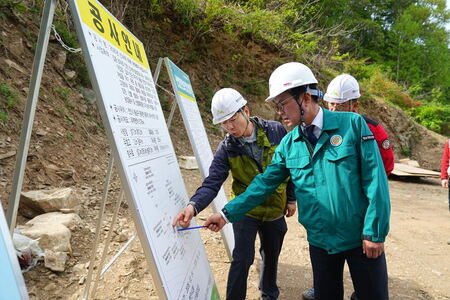
 ▲ 넷마블측 관계자는 “코웨이는 아직 입찰에 응하지 않고 있다”며, “넷마블 코웨이 자회사인 ‘엔탑자산관리(대표 김민구)’에서 추진하고 있으나 아직 정확한 결정을 한 것은 아니다”라고 밝혔다. 따라서 우선 협상대상자가 되기 전에는 될지 안 될지 모르는 상황에서 지금은 노코멘트라고 밝혔다. 그는 “넷마블에서 코웨이 인수할 때도 반대가 심했다. 하지만 코웨이는 사상 최대 실적을 보이고 있다”고 강조했다. (사진, 국토부) © 김충열 정치전문기자 |
과천시 입장에서의 리스크 사업 실패 시 지역 낙후 우려
하지만 개발 파트너가 사업 실패 또는 중도 포기 시 계획 자체가 무산되거나 수년간 지연될 수 있다. 대표적으로 유사 사례는 “용산 국제업무지구 사업(드림허브)”이 있다. 민간 자금 부족으로 전면 백지화, 10년 가까이 방치되고 있다.
과천시 지역 신뢰도 저하
공공기관(과천도시공사)이 민간 파트너 선정을 부적절하게 하면, 주민이나 투자자들로부터 정책 신뢰 하락이 우려된다. 과천시의 장기 도시개발 계획에 차질이 생기고, 향후 타 민간 사업자 유치에도 부정적 영향을 준다는 것.
따라서 정수기 회사 코웨이 지분 25.8%를 보유한 최대주주 넷마블의 투자 결정은 단순한 사업 확장을 넘어, 기업의 지배구조와 주주가치에 대한 근본적인 의문을 제기한다고 전문가들은 지적한다.
넷마블 방준혁 의장의 부동산 개발 투자 결정은 코웨이의 본질적 가치와 주주들의 권리를 정면으로 침해하며, 기업의 재무 건전성과 지배구조를 심각하게 훼손할 수 있다.
소수주주 무시, 기업가치 훼손, 주주가치 외면, 배당축소의 이중성
얼라인파트너스를 비롯한 행동주의 펀드들은 코웨이 경영 방식에 대해 지속적으로 문제를 제기해왔다. 특히 넷마블이 코웨이 인수 이후 배당성향을 80%대에서 20%대 수준으로 급감시킨 점은 주주 환원 정책의 후퇴로 평가된다.
이런 상황에서 과천 부동산 개발 대규모 투자는 주주이익보다 위험을 무시한 방 의장 개인적 비전이나 그룹 확장 욕구를 우선시하는 것으로 지적되고 있다.
2023년 코웨이의 당기순익은 약 5,000억원에 달했지만,배당금은 1,000억원대에 그쳤고, 2024년은 주주 환원 정책 강화 요구에 따라 5,600억원 순익에 배당금은 1,900억원대로 높였다.
그럼에도 불구하고 방 의장은 수 천 억원 규모의 부동산 개발 투자에는 거리낌이 없다. 주주에게는 인색하고, 투자 회수의 장기화에 따른 불확실성 위험이 내포된 비전문분야 부동산투자는 선뜻 결정한데 대해 소액주주들의 반대 목소리가 높다.
 ▲ 안산에 살고 있는 소액주주 김 모씨(60)는 “방 의장은 즉각 이 투자를 철회하고, 주주들과의 진정성 있는 대화에 나서야 한다.”며, “그렇지 않다면 코웨이는 방 의장의 야망에 희생된 또 하나의 기업으로 역사에 기록될지 소액주주들은 걱정하고 있다.”며 법적 투쟁도 불사할 것으로 알려졌다. (사진, 국토부) © 김충열 정치전문기자 |
이사회 독립성은 있는가? 방 의장 최대주주의 거수기인가?
얼라인파트너스 이창환 대표는 집중투표제를 도입해 이사회 독립성을 강화해야한다고 주장한다. 이는 넷마블이 코웨이 이사회에 과도하게 개입하고 있다는 우려에서 비롯된 것이다.
현재 코웨이 이사회는 넷마블 측 인사들로 채워져 있으며, 실적적인 견제 기능을 수행하지 못하고 있다. 과천 투자 건 역시 이사회가 아닌 방 의장의 독단적 결정으로 추진되고 있다는 점에서, 지배구조의 투명성과 책임성에 심각한 의문을 제기한다.
이런 상황에서 최대주주의 불확실한 행보는 코웨이의 안정적 성장에 따른 주가 회복은커녕, 투자자 신뢰를 더욱 떨어뜨릴 수 있다. 방준혁 넷마블 의장은 게임 산업에서 혁신가로 평가받지만, 코웨이 경영에서는 주주와의 소통 부족, 재무 안정성 위협이라는 비판을 피하기 어렵다.
과천시 막계동 부동산 투자는 단순한 사업 확장이 아니라, 주주가치와 기업 지속성 가능성을 시험하는 중대한 갈림길이다.
방준혁 의장은 코웨이를 사유화하지 말아야
얼라인파트너스(대표 이창환) 측은 “코웨이는 안정적인 렌탈 기반 사업 모델을 통해 꾸준한 현금 흐름을 창출해온 기업으로 방 의장의 개인 실험장이 아니다. 수많은 소액주주들이 믿고 투자한 공적 자산이며, 안정성과 투명성을 기반으로 성장해온 기업이다”며, “과천 부동산 투자는 코웨이의 본질을 훼손하고, 주주가치를 침해하는 위험한 결정이다”고 비판하고 있다.
이어 안산에 살고 있는 소액주주 김 모씨(60)는 “방 의장은 즉각 이 투자를 철회하고, 주주들과의 진정성 있는 대화에 나서야 한다.”며, “그렇지 않다면 코웨이는 방 의장의 야망에 희생된 또 하나의 기업으로 역사에 기록될지 소액주주들은 걱정하고 있다.”며 법적 투쟁도 불사할 것으로 알려졌다.
불확실성과 장기 회수 리스크
막계동 특별계획 구역은 아직 인허가 절차가 완료(2027,7,1예상)되지 않은 고위험 지역이다. 오는 8월19일 사업신청서를 최종 접수 받아 동월 중 우선 협상 대상자 선정 절차에 들어간다.
토지매입과 개발에만 막대한 자금이 소요될 것으로 예상되며, 회수 기간은 최소 10년 이상으로 추정된다. 코웨이의 사업 특성과 현금 흐름 구조를 고려할 때, 이런 장기적이고 불확실한 투자 결정은 기업의 재무 안정성과 주주가치를 위협할 수 있다.
지배구조의 투명성과 시장 신뢰회복이 우선
얼라인파트너스 자료에 따르면 코웨이와 비공개 논의(2025.1.6)가 진행되던 중 코웨이는 기존 20%였던 주주 환원율을 40%로 기습 인상했다. 이는 넷마블이 인수 이후 낮은 주주 환월율과 불투명한 거버넌스를 정당화하려 했다.
이에 얼라이언스파트너스는 2025년 1월16일 이사회를 대상으로 공개서한을 발송하여 자본배분, 거버넌스 및 주주간 이해충돌을 공개 질의했으나 여전히 답변이 없다고 한다.
기업이 공개된 위치에서는 시장의 신뢰회복이 우선이다. 기업의 장기적 성장을 위해 주주와의 신뢰회복이 무엇보다 중요하다. 이를 위해서는 투명한 의사결정과 주주가치 중심의 경영이 필요하다.
얼라인파트너(이창환 대표)측은 “게임기반 회사인 넷마블이 비전문분야인 불확실성이 내포된 대규모 부동산 투자를 앞두고 소수주주가 반대하는 이해충돌이 되고 있다."며, ”방 회장이 해당투자를 재고하고, 주주들과의 진정성있는 소통을 통해 기업의 지속 가능한 미래를 함께 모색해야 할 것이다”라고 밝혔다.
결론적으로 넷마블과 코웨이의 비전문 분야 부동산 투자 진출은 좋은 결정이 아닌 독단에 의한 패착이 우려된다.
그 이유는 코웨이의 현재 거버넌스는 모든 주주의 이익을 효과적으로 대변하지 못할 뿐만 아니라, 주주간 이해상충을 방지할 안전장치도 부재하고, 넷마블의 이해관계가 코웨이 소수 주주들의 이익보다 우선시될 위험에 노출되어 있기 때문이다.
또한 다수 주주의 이익이 아닌 제국건설(empire), 특수 관계자 거래 등 특정 주주의 이익을 위해 유용되는 것을 방지하고, 소수 주주의 이익을 보호할 안전장치 역시 존재하지 않은 것으로 지적되고 있다. hpf21@naver.com
* 아래는 위 기사를 '구글 번역'으로 번역한 영문 기사의 [전문]입니다. '구글번역'은 이해도 높이기를 위해 노력하고 있습니다. 영문 번역에 오류가 있을 수 있음을 전제로 합니다.
*The following is [the full text] of the English article translated by 'Google Translate'. 'Google Translate' is working hard to improve understanding. It is assumed that there may be errors in the English translation.
Is it advisable for Netmarble and Coway to invest in the Makgye-dong Special Planning Zone in Gwacheon?
Entop Asset Management wants either Cha Hospital or Ajou University Hospital to participate...
Recently, Netmarble Chairman Bang Jun-hyuk's plan to invest in the development of the Makgye-dong Special Planning Zone (approximately 108,333㎡, 32,770 pyeong) in Gwacheon through his subsidiary Coway has sparked strong opposition from Coway's other major shareholders and minority investors.
This special planning zone development project aims to create a future-oriented convergence cluster centered on cutting-edge medical, bio, and healthcare industries, including a general hospital.
If Netmarble Coway, a gaming company, were to enter the unfamiliar real estate development market, it could result in financial and policy burdens for both the company and the region (Gwacheon City).
Potential Risks for Game-Based Companies Entering the Real Estate Market: Lack of Business Expertise
Netmarble specializes in game development and operations, and large-scale mixed-use development (PF, urban planning, implementation, etc.) is outside its scope. Mixed-use development carries numerous complex risk factors, including permits, politics, community consultation, and financing. Inexperienced companies face significant potential losses in both cost and time due to trial and error.
Financial Risks: Where is Financial Stability?
Netmarble has already experienced poor performance in recent years due to the Wemade acquisition and losses on investment assets. Real estate development requires significant initial investments, often taking 5-10 years or more to recover profits. Failure can result in significant losses. If the company's financing (project financing, loans, etc.) is too demanding, there are concerns that its credit rating may be downgraded or investment in its core business (gaming) may be curtailed.
Since its acquisition of Coway in December 2019, Netmarble has reduced dividends and increased cash reserves to improve its financial structure.
As a result, Coway's debt ratio decreased from 165% in 2019 to 83.9% by the end of 2023. However, if the Gwacheon real estate investment results in a large capital freeze, the company's efforts to improve its financial position could be in vain. Especially considering the uncertainty in the real estate market and the long recovery period, this could threaten its stable cash flow.
In order to hear Netmarble's position on this matter, we attempted to contact the Public Relations Team Manager and Public Relations Office Director several times. A Netmarble representative stated, "Coway has not yet responded to the bid." They added, "Netmarble's Coway subsidiary, Entop Asset Management (CEO Kim Min-goo), is pursuing the acquisition, but no definitive decision has been made yet." Therefore, they stated they were not commenting at this time, as the acquisition's outcome remains uncertain until the company becomes the preferred bidder. The representative emphasized, "There was strong opposition to Netmarble's acquisition of Coway. However, Coway is currently achieving record-breaking performance."
From Gwacheon City's perspective, there are concerns that the failure of a risky project could lead to regional decline.
However, if the development partner fails or abandons the project midway, the plan itself could be scrapped or delayed for years. A prime example is the "Yongsan International Business District Project (Dream Hub)," which was completely scrapped due to a lack of private funding and has been neglected for nearly a decade.
Loss of Local Trust
If a public institution (Gwacheon Urban Development Corporation) improperly selects a private partner, there are concerns that it could erode public trust in the policy among residents and investors. This could disrupt Gwacheon City's long-term urban development plans and negatively impact the attraction of other private businesses in the future.
Therefore, experts point out that the investment decision by Netmarble, the largest shareholder with a 25.8% stake in water purifier company Coway, goes beyond mere business expansion and raises fundamental questions about the company's governance and shareholder value.
Netmarble Chairman Bang Jun-hyuk's decision to invest in real estate development directly violates Coway's intrinsic value and shareholder rights, and could seriously undermine the company's financial soundness and governance.
Ignoring minority shareholders, damaging corporate value, neglecting shareholder value, and reducing dividends: a duality.
Activist funds, including Align Partners, have consistently raised concerns about Coway's management practices. In particular, Netmarble's sharp reduction in the dividend payout ratio from the 80% range to the 20% range following its acquisition of Coway is seen as a retreat from its shareholder return policy.
Against this backdrop, the large-scale investment in Gwacheon real estate development is being criticized as prioritizing Chairman Bang's personal vision and desire for group expansion over shareholder value, disregarding risk.
In 2023, Coway's net profit reached approximately 500 billion won, but its dividend payment was only around 100 billion won. In 2024, in response to calls for stronger shareholder return policies, the dividend was increased to 190 billion won with a net profit of 560 billion won.
Despite this, Chairman Bang remains unafraid to invest in real estate development worth hundreds of billions of won. Minority shareholders are strongly opposing the decision to invest in a non-specialized real estate sector, which is stingy with shareholders and carries the risk of uncertainty due to the prolonged investment recovery period.
Is the board independent? Is Chairman Bang a rubber stamp for the largest shareholder?
Lee Chang-hwan, CEO of Align Partners, argues for the introduction of a cumulative voting system to strengthen the board's independence. This stems from concerns that Netmarble is excessively interfering with Coway's board.
Currently, Coway's board is comprised of Netmarble executives, failing to provide a performance-based check and balance. The fact that the Gwacheon investment was driven by Chairman Bang's arbitrary decision, rather than the board's, raises serious questions about the transparency and accountability of the company's governance structure.
In this situation, the largest shareholder's uncertain actions could further undermine investor confidence, rather than fostering a recovery in Coway's stock price through stable growth. While Netmarble Chairman Bang Jun-hyuk is recognized as an innovator in the gaming industry, his management of Coway has faced criticism for lack of communication with shareholders and for threatening financial stability.
The real estate investment in Makgye-dong, Gwacheon, is not simply a matter of business expansion; it represents a critical juncture that will test shareholder value and the company's sustainability.
Chairman Bang Jun-hyuk Should Not Privatize Coway
Align Partners (CEO Lee Chang-hwan) stated, "Coway is a company that has generated steady cash flow through a stable rental-based business model. It is not Chairman Bang's personal laboratory. It is a public asset trusted and invested by numerous minority shareholders, and it has grown based on stability and transparency." They criticized the investment, saying, "The Gwacheon real estate investment is a dangerous decision that undermines Coway's essence and erodes shareholder value."
Furthermore, a minority shareholder surnamed Kim (60), who lives in Ansan, stated, "Chairman Bang must immediately withdraw this investment and engage in sincere dialogue with shareholders. Otherwise, minority shareholders are concerned that Coway will go down in history as another company sacrificed to Chairman Bang's ambitions." They are reportedly considering legal action.
Uncertainty and Long-Term Recovery Risk
The Makgye-dong Special Planning Zone is a high-risk area, with the permitting process not yet completed (expected to end in July 2027). The final application for the project will be received on August 19th, and the process for selecting a preferred bidder will begin that month.
Land acquisition and development alone are expected to require significant capital, with a payback period estimated at at least 10 years. Given the nature of Coway's business and cash flow structure, such long-term and uncertain investment decisions could threaten the company's financial stability and shareholder value.
Transparency in governance and restoration of market trust are priorities.
According to Align Partners data, during private discussions with Coway (January 6, 2025), Coway abruptly increased its shareholder return ratio from 20% to 40%. This was an attempt by Netmarble to justify its low shareholder return ratio and opaque governance following the acquisition.
Accordingly, Alliance Partners sent an open letter to the board of directors on January 16, 2025, publicly questioning capital allocation, governance, and conflicts of interest among shareholders, but has yet to receive a response.
For a publicly traded company, restoring market trust is paramount. For a company's long-term growth, restoring trust with shareholders is paramount. This requires transparent decision-making and shareholder value-centered management.
Align Partners (CEO Lee Chang-hwan) stated, "Netmarble, a game-based company, is facing a conflict of interest due to minority shareholders opposing a large-scale real estate investment involving uncertainty and unrelated areas." They added, "Chairman Bang should reconsider this investment and engage in genuine communication with shareholders to jointly explore a sustainable future for the company."
In conclusion, Netmarble and Coway's foray into unrelated real estate investment is not a sound decision, but rather raises concerns about potential unilateral failure.
This is because Coway's current governance not only fails to effectively represent the interests of all shareholders, but also lacks safeguards to prevent conflicts of interest among shareholders, exposing the risk that Netmarble's interests will take precedence over those of Coway's minority shareholders.
Furthermore, it is pointed out that there are no safeguards in place to prevent the misuse of assets for the benefit of specific shareholders, such as empire building and related party transactions, rather than for the benefit of the majority shareholders, and to protect the interests of minority shareholders. hpf21@naver.com