▲ 경남·부산통합공론화 창원 토론회 |
[브레이크뉴스=이성용 기자] 지난 7월부터 부산 원도심을 시작으로 시작된 부산·경남 행정통합 공론화 토론회가 지난 29일 창원을 마지막으로 마무리했다.
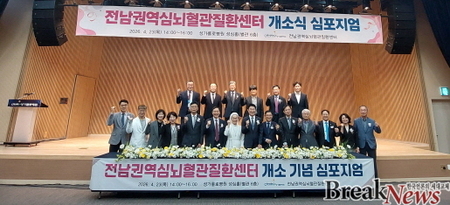
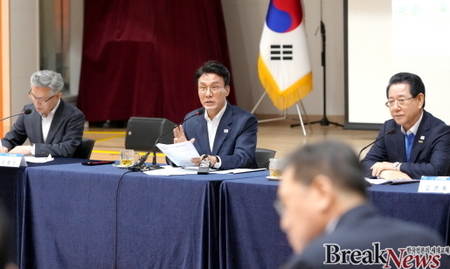
이날 창원컨벤션센터에서 부산·경남 시도민과 관계자 등 160명이 참석한 가운데 ‘경남·부산 행정통합 시도민 토론회(중부권)’를 개최했다.
이번 토론회는 지난 7월부터 부산 원도심을 시작으로 양산(동부권), 진주(서부권), 통영(남부권) 등에서 이어진 권역별 토론회의 마지막 순서로, 하반기 공론화 운영과 의견서 작성, 시도지사 전달을 위한 중요한 이정표가 될 전망이다.
토론회는 정원식·전호환 공동위원장의 개회사와 서민호 경상남도의회 의원과 허용복 경상남도의회 의원(행정통합특별위원회 위원장)의 축사로 시작됐다.
이어 하민지 경남연구원 행정체제팀장이 ‘경남·부산 행정통합의 올바른 이해’를 주제로 행정통합의 배경과 필요성, 통합지방정부의 권한과 미래상, 추진 절차 등을 설명했다.
특히 중부권의 핵심 산업 인프라와 한계, 통합 시 기대효과 등을 종합적으로 소개하며 주민들의 궁금증을 해소하는 데 주력했다.
 ▲ 경남·부산통합공론화 창원 토론회 |
지정토론에서는 정원식 위원장이 좌장을 맡고, 윤창술 경상국립대학교 교수가 ‘경남·부산 행정통합과 경남 발전 방안’을 주제로 발표했다.
윤 교수는 지방소멸 위기를 ‘검은 코끼리(Black Elephant)’에 비유하며, 수도권 중심의 구조를 지방 중심으로 전환하는 ‘코페르니쿠스적 발상의 전환’이 필요하다고 강조했다.
특히 그는 최근 ‘케이팝 데몬 헌터스’ 신드롬을 예로 들며, 문화와 산업의 결합을 통한 지역 경쟁력 강화를 언급했다.
서민호 경남도의원은 ‘행정통합이 경남 중부권에 미치는 영향’을 주제로, “방산·기계·조선·자동차 등 핵심 산업의 고도화와 차별화 전략을 통한 상생 방안을 모색해 나가야한다”고 제안했다.
안권욱 지방분권 경남연대 공동대표는 행정통합특별법 내 조례입법 특례 규정 제정을 통한 조례입법 위상 제고와 함께, 필요시 지방분권 및 균형발전 관련 법 개정, 국세의 통합자치단체 이양을 통한 세원 확대 등을 강조했다.
하혜수 경북대학교 행정학부 교수는 대구·경북 행정통합 사례를 소개하며 통합에 따른 주요 이슈와 찬반 논리를 균형 있게 제시했다. 그는 “지역의 발전을 위해서 통합 과정에서 주민들의 강력한 지지와 요구가 필요하다”고 강조했다.
이날 현장에서는 중부권 주민들의 질의와 제안도 이어졌다.
한 주민은 “행정통합에 대해 알 수 있는 뜻깊은 시간이었다. 우리가 내는 세금은 우리가 주체적 권리를 가져야 한다”며, “경남과 부산이 통합해 전국 최고의 광역자치단체가 되기 위해 조속한 행정통합 추진이 필요하다”고 의견을 피력했다.
또한 행정통합 이후 인구소멸로 인한 시군 단위 통합 및 소멸문제를 어떻게 해결할 것인지, 청년이 지역에 머물 수 있게 할 수 있는 대책이 있는지에 대해서도 질의 답변이 이어졌다.
이외에도 교통 인프라 선구축, 재정 분배 등 다양한 의견이 제시돼 행정통합에 대한 주민들의 높은 관심을 확인할 수 있었다.
위원회는 지난 7월부터 이어진 권역별 토론회를 통해 1천여 명의 시도민과 소통해왔다.
지역 특성을 반영한 세밀한 통합 방안 마련과 소외 지역에 대한 정책적 배려, 실질적이고 구체적인 주민 체감형 대책 등 토론회 과정에서 제시된 다양한 의견은 향후 공론화 결과보고서에 담아낼 계획이다.
*아래는 위 기사를 '구글 번역'으로 번역한 영문 기사의 [전문]입니다. '구글번역'은 이해도 높이기를 위해 노력하고 있습니다. 영문 번역에 오류가 있을 수 있음을 전제로 합니다. *The following is [the full text] of the English article translated by 'Google Translate'. 'Google Translate' is working hard to improve understanding. It is assumed that there may be errors in the English translation.
Public Discussion Forum on the Integration of Gyeongnam and Busan Concludes in Changwon
Committee Tours Eight Regions... Resident-Centered Integration Discussions
The public discussion forum on the integration of Busan and Gyeongnam, which began in downtown Busan in July, concluded in Changwon on the 29th.
On this day, the "Gyeongnam and Busan Administrative Integration Citizens' Forum (Central Region)" was held at the Changwon Convention Center, with 160 Busan and Gyeongnam residents and officials in attendance.
This forum marked the final round of regional discussions, which began in downtown Busan in July and continued in Yangsan (eastern region), Jinju (western region), and Tongyeong (southern region). It is expected to serve as a key milestone for the second half of the year, leading to the operation of public discussions, the drafting of opinion papers, and their delivery to provincial governors.
The discussion began with opening remarks by Co-Chairs Jeong Won-sik and Jeon Ho-hwan, followed by congratulatory remarks from Gyeongsangnam-do Provincial Council Member Seo Min-ho and Gyeongsangnam-do Provincial Council Member Heo Yong-bok (Chairman of the Special Committee on Administrative Integration).
Following this, Ha Min-ji, Head of the Administrative System Team at the Gyeongnam Research Institute, presented on the topic, "Correct Understanding of the Administrative Integration of Gyeongnam and Busan," explaining the background and necessity of administrative integration, the authority and future vision of the integrated local government, and the implementation process.
In particular, she focused on addressing residents' questions by comprehensively introducing the central region's core industrial infrastructure and its limitations, as well as the expected benefits of integration.
In the designated discussion, Chair Jeong Won-sik moderated, and Professor Yoon Chang-sul of Gyeongsang National University presented on the topic, "Administrative Integration of Gyeongnam and Busan and Gyeongnam Development Plan."
Professor Yoon likened the crisis of regional extinction to a "black elephant" and emphasized the need for a "Copernican shift in thinking" to shift the structure from a metropolitan area-centric to a regional one.
He cited the recent "K-pop Demon Hunters" phenomenon as an example and emphasized the need to strengthen regional competitiveness through the integration of culture and industry.
Gyeongnam Provincial Council Member Seo Min-ho addressed the topic of "The Impact of Administrative Integration on Central Gyeongnam," proposing, "We must explore ways to achieve mutual prosperity through advanced and differentiated strategies in key industries such as defense, machinery, shipbuilding, and automobiles."
Gyeongnam Coalition for Decentralization Coalition Member Ahn Kwon-wook emphasized the need to elevate the status of ordinance legislation by enacting special provisions for ordinance legislation within the Special Act on Administrative Integration, as well as, if necessary, amend laws related to decentralization and balanced development and expand tax revenue sources through the transfer of national taxes to integrated local governments.
Professor Ha Hye-soo of the Department of Public Administration at Kyungpook National University presented the case of the administrative integration of Daegu and Gyeongbuk, presenting a balanced presentation of key issues and arguments for and against the integration. She emphasized, "For regional development, strong support and demands from residents are essential during the integration process."
At the event, residents of the central region also raised questions and made suggestions.
One resident expressed, "It was a meaningful opportunity to learn about administrative integration. We must have the right to control the taxes we pay." He added, "Gyeongnam and Busan must quickly pursue administrative integration to become the nation's best metropolitan government."
The discussion also included questions about how to address the issues of city and county integration and the subsequent population decline following administrative integration, as well as measures to ensure youth remain in their regions.
In addition, various opinions were raised, including those on preemptive construction of transportation infrastructure and financial allocation, demonstrating the high level of public interest in administrative integration.
The committee has been engaging with approximately 1,000 residents of the city and province through regional forums since July.
The diverse ideas raised during these forums, including developing detailed integration plans that reflect regional characteristics, providing policy considerations for underserved areas, and implementing practical and tangible measures that residents can experience, will be incorporated into a future public consultation report.
원본 기사 보기:브레이크뉴스경남