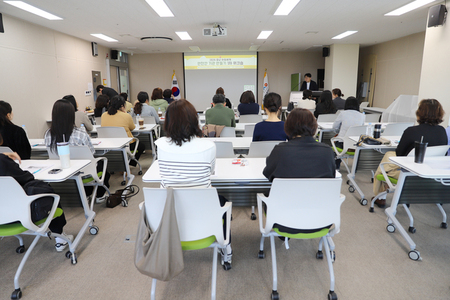
▲ 부산상의 전경 ©배종태 기자 |
[브레이크뉴스=배종태 기자] 부산지역 수출 제조업체가 내수기업에 비해 높은 수익성과 연구개발 역량을 갖추고 있다는 조사 결과가 나왔다.
부산상공회의소가 2023년 기준 부산 제조업 외감법인 546개사를 대상으로 비교 분석한 결과, 수출 비중 30% 이상인 수출 중심 기업들이 매출, 영업이익, 연구개발 투자 등 주요 재무 성과 지표에서 내수기업들을 크게 앞선 것으로 나타났다.
수출기업, 압도적인 수익성 과시
보고서에 따르면, 수출 중심 기업의 업체당 평균 매출액은 1,129억 원으로 내수기업(445억 원)의 2.5배에 달했다. 또한, 업체당 평균 영업이익은 94억 원으로 내수기업(18억 원)보다 5배 이상 높았으며, 평균 영업이익률 역시 8.4%로 내수기업(4.1%)의 두 배를 넘었다. 이는 수출기업들이 글로벌 시장 경쟁력을 바탕으로 고부가가치 제품 전략을 성공적으로 추진한 결과로 분석된다.
특히 자동차 부품 업종에서는 수출 중심 기업의 업체당 영업이익이 144억 원으로 내수기업(13억 원)의 11배에 달하는 등, 지역 주력 산업에서도 수출기업의 우위가 뚜렷하게 나타났다.
내수기업, 성장세는 보이나 구조적 한계 직면
최근 조선 및 자동차 산업 회복세에 힘입어 내수기업의 영업이익 성장률은 5년간 연평균 14.6%로 수출기업(12.5%)보다 높은 성장세를 보였다. 하지만 원청 대기업에 대한 의존도가 높고 가격 결정권이 제한적인 구조적 한계로 인해 수익성은 여전히 낮은 수준에 머물렀다. 이러한 구조는 경기 변동이나 수입 제품 확대 시 위험에 취약하다는 문제점도 드러냈다.
R&D 투자 격차 심화
연구개발 투자 부문에서도 수출기업의 우위가 확인됐다. 연구개발 조직을 보유한 수출기업의 비중은 73.0%로 내수기업(53.7%)보다 20%p 가까이 높았다. 업체당 연구개발비 역시 수출기업(19억 원)이 내수기업(4억 원)보다 5배가량 더 많이 투자하고 있었다.
업종별로는 조선기자재와 철강 업종에서 수출기업이 기술 경쟁력 확보에 적극적인 반면, 내수기업은 생산성 향상에 집중하는 경향을 보였다. 다만, 자동차 부품 업종의 경우 내수기업의 R&D 조직 보유 비중이 수출기업보다 높아 완성차 업체 대응을 위한 기술 역량을 일정 수준 갖춘 것으로 분석됐다.
부산상공회의소 관계자는 “수출 중심 기업은 통상 리스크에 직접 노출되어 어려움을 겪고 있다”며 “정부 차원의 전략적 대응과 함께 수출 잠재력을 가진 내수기업의 글로벌 시장 진출을 돕는 정책적 지원이 시급하다”고 강조했다.
[Here is the English translation of the article] Busan's Manufacturing Exporters Outperform Domestic Firms in Profitability and R&D Investment
- Export-focused firms have 2.5 times the revenue, 5 times the operating profit, and 5 times the R&D investment of domestic firms.
- Despite recent growth, domestic firms' profitability remains low due to structural limitations. Support for export conversion and managing trade risks is needed.
A recent study shows that Busan's export-oriented manufacturing companies are outperforming their domestic counterparts in overall financial performance and R&D capabilities. A comparative analysis by the Busan Chamber of Commerce and Industry of 546 manufacturing firms with over 10 billion won in sales in 2023 found that export-focused companies (with an export ratio of 30% or more) significantly surpassed domestic firms in key metrics such as revenue, operating profit, and R&D investment.
Striking Profitability Gap
According to the report, the average revenue per export-focused firm was 112.9 billion won, which is 2.5 times higher than that of domestic firms (44.5 billion won). The average operating profit per company was 9.4 billion won, more than five times higher than that of domestic firms (1.8 billion won). The average operating profit margin for export-focused firms was 8.4%, more than double that of domestic firms (4.1%). This suggests that export-oriented companies are successfully growing both revenue and profitability by leveraging their global market competitiveness and high-value product strategies.
This advantage was particularly evident in key regional industries like auto parts, shipbuilding equipment, and steel. In the auto parts sector, the average operating profit per export-focused firm was 14.4 billion won, an impressive 11 times higher than that of domestic firms (1.3 billion won).
Domestic Firms Face Structural Challenges
While domestic firms have shown rapid growth recently, benefiting from the recovery in the shipbuilding and automotive industries, their profitability remains low due to structural limitations. Their high dependence on large-scale primary contractors and limited pricing power make them vulnerable to economic fluctuations and increased competition from imported goods.
Significant Disparity in R&D Investment
The study also revealed a large gap in R&D investment. The proportion of export-focused companies with an R&D department was 73.0%, nearly 20 percentage points higher than domestic firms (53.7%). On average, export-focused companies invested 1.9 billion won in R&D, about five times more than domestic firms (0.4 billion won).
By industry, export-focused firms in shipbuilding equipment and steel were more aggressive in R&D to enhance technological competitiveness, while domestic firms in these sectors tended to prioritize production-focused investments. However, in the auto parts industry, domestic firms had a higher proportion of R&D departments than their export-focused peers, indicating that they have built up a certain level of technological capability to meet the demands of finished vehicle manufacturers.
A Busan Chamber of Commerce and Industry official stated, “Export-focused firms, a pillar of the regional economy, are concentrating on securing global competitiveness through technological innovation but face significant challenges from the changing trade environment, such as high tariffs. It is crucial for the government to provide strategic support to manage these trade risks and to nurture domestic firms with export potential to help them enter the global market.”
원본 기사 보기:부산브레이크뉴스