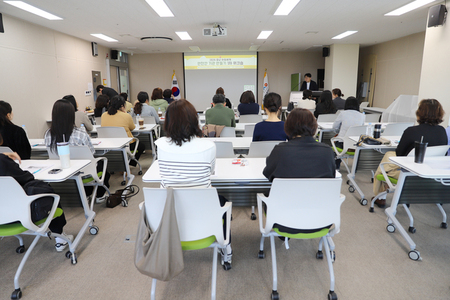
▲ 허영 더불어민주당 의원이 22일 오전 대구 육군 제2작전사령부에서 열린 국회 국방위원회의 국정감사에서 질의하고 있다. 2024.10.22. © 뉴시스 |
커피 프랜차이즈 2020년 대비 2024년. 상위 10개 본사의 매출은 131%(892억→2,062억), 영업이익은 140%(102억→245억) 증가했다. 본사는 가맹점의 수익 악화와 무관하게, 신규 계약에서 얻는 가맹비·교육비·물품 공급 이익(로열티) 등을 통해 출점이 늘수록 수익이 확대되는 구조를 보이고 있다.
거리제한 폐지 이후 과밀 출점 경쟁 심화
2012년 공정거래위원회는 '모범거래기준'을 두고 동일한 커피 프랜차이즈 브랜드의 신규 가맹점 출점 제한 거리를 500m로 제한했지만, 2014년 자유경쟁 침해를 이유로 이 기준이 폐지됐다.
출점거리 제한이 사라지자 커피 프랜차이즈 매장 간 거리는 200m도 안 될 만큼 짧아지고 브랜드 간 출점 경쟁이 격화됐고, 결국 가맹점 수익에 악영향을 끼치게 된다.
국회 정무위원회 소속 허영 더불어민주당 의원이 공정거래위원회로부터 제출받은 ‘상위 10개 커피 프랜차이즈 현황’ 자료에 따르면, 최근 5년간(2020년~2024년) 상위 10개 브랜드의 가맹점 수는 평균 7,914개에서 15,692개로 평균 98.3% 증가했으나, 이 중 6개 브랜드의 매출이 전년대비 하락했다.
같은 기간 가맹점의 평당 매출은 1,499만 원에서 1,522만 원으로 평균 1.5% 증가하는데 그쳤다. 이는 본사의 이익 증가율(140%) 과 비교하면 거의 ‘제자리걸음’ 수준이다. 반면 가맹점들의 폐업률은 2.4%에서 4.6%로 2.2%p 상승했다. 이는 거리 제한 규제가 폐지된 뒤, 매장 간 출점 간격이 좁아지고, 가맹점 간 매출이 겹치는 ‘출점 경쟁형 구조’로 변한 결과로 보여진다.
 ▲ ‘상위 10개 커피 프랜차이즈 현황’ 자료에 따르면, 최근 5년간(2020년~2024년) 상위 10개 브랜드의 가맹점 수는 평균 7,914개에서 15,692개로 평균 98.3% 증가했으나, 이 중 6개 브랜드의 매출이 전년대비 하락했다. © 김충열 정치전문기자 |
한편, 편의점 업계는 여전히 ‘상권 거리제한 자율규약’을 통해 출점을 조정하며, 동일 상권 내 점포 간 피해를 최소화하고 있다. 반면 커피 프랜차이즈 업계는 거리제한 폐지 이후 자율규제가 부재해 상권 포화와 가맹점 간 매출 잠식의 원인으로 보여진다.
허영 의원은 “커피 프랜차이즈 업계는 14년 전 거리 제한 규제가 폐지된 뒤 무제한 출점 경쟁으로 흘렀다”며, “본사는 단기 출점 경쟁을 멈추고, 가맹점과의 상생을 위해 상권 포화도와 거리 제한을 반영한 자율 규제 기준을 즉각 마련해야 한다”고 촉구했다. hpf21@naver.com
* 아래는 위 기사를 '구글 번역'으로 번역한 영문 기사의 [전문]입니다. '구글번역'은 이해도 높이기를 위해 노력하고 있습니다. 영문 번역에 오류가 있을 수 있음을 전제로 합니다. *The following is [the full text] of the English article translated by 'Google Translate'. 'Google Translate' is working hard to improve understanding. It is assumed that there may be errors in the English translation.
Heo Young: "Top 10 Coffee Franchises: Franchisee Profits Stagnant, Headquarters Profits Soar 140%"
Headquarters Operating Profits Surge 140%, While Franchisees' Sales Per Pyeong Stagnant 1.5%... Business Closure Rate Up 2.2%p
Coffee franchises: 2024 vs. 2020. The top 10 headquarters saw a 131% increase in sales (from KRW 89.2 billion to KRW 206.2 billion), and a 140% increase in operating profit (from KRW 10.2 billion to KRW 24.5 billion). Headquarters, regardless of declining franchisee profits, see their profits increase with each additional store opening, thanks to franchise fees, training fees, and royalties earned from new contracts.
Following the Abolition of Distance Restrictions, Competition Intensifies
In 2012, the Fair Trade Commission established "Model Business Practices" that limited the distance between new franchises within the same coffee franchise brand to 500 meters. However, this standard was abolished in 2014.
Since the abolition of this standard, citing concerns about infringement on free competition, the distance between coffee franchise stores has shortened to less than 200 meters, intensifying competition among brands, negatively impacting franchisee profits.
According to the data on the ‘Status of the Top 10 Coffee Franchises’ submitted by the Fair Trade Commission to Rep. Heo Young of the Democratic Party of Korea, a member of the National Assembly’s Political Affairs Committee, the number of franchise stores of the top 10 brands increased by an average of 98.3% from 7,914 to 15,692 over the past five years (2020-2024), but sales of six of these brands decreased compared to the previous year.
Over the same period, franchisee sales per pyeong increased by only 1.5%, from 14.99 million won to 15.22 million won. Compared to the headquarters' profit growth rate of 140%, this represents a near-standstill. Meanwhile, the franchisee closure rate rose by 2.2 percentage points, from 2.4% to 4.6%. This appears to be the result of a shift toward a "store opening competition" structure, where the distance between stores has narrowed and sales overlap has occurred since the distance restrictions were abolished.
Meanwhile, the convenience store industry continues to regulate store openings through "commercial area distance restriction voluntary regulations," minimizing losses between stores within the same commercial area. In contrast, the coffee franchise industry's lack of self-regulation since the abolition of distance restrictions appears to be the cause of market saturation and sales cannibalization among franchisees.
Representative Heo Young stated, "Since the abolition of distance restrictions 14 years ago, the coffee franchise industry has been mired in unlimited store opening competition." He urged, "The headquarters should stop this short-term competition and immediately establish self-regulation standards that reflect market saturation and distance restrictions to foster mutual growth with franchisees." hpf21@naver.com