브레이크뉴스 김충열 정치전문기자 = 안규백 국방부 장관은 31일 국방부 청사에서 기자회견을 열고 해병대를 ‘준(準)4군 체제’로 개편하는 방안을 공식 발표했다. 이번 개편은 해병대의 독립성과 작전 수행 능력을 강화하기 위한 것으로, 이재명 대통령의 대선 공약이자 최근 국방부 업무보고에서 강조된 사안이다.
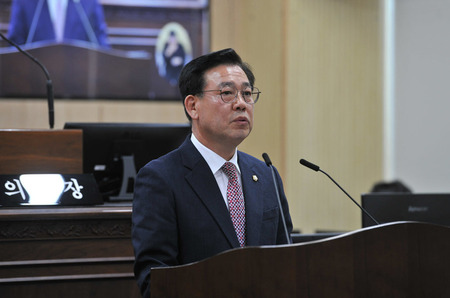
 ▲ 안규백 장관은 “해병대사령관에게 참모총장에 준하는 권한을 부여해 독립성을 보장하겠다”며 “준4군 체제에 걸맞은 지휘구조와 장비, 무기체계를 갖출 수 있도록 하겠다”고 밝혔다. (사진, 안 장관 SNS에서 캡춰) © 김충열 정치전문기자 |
해병대 주요 개혁방안은 작전통제권 환원, 작전사령부 창설 검토, 지휘권 강화,장성 진급 확대, 전력 증강 등이다.
해병대 1사단은 2026년 말까지, 해병대 2사단은 2028년 내에 육군으로부터 작전통제권을 돌려받는다. 이는 50년 만의 환원으로, 해병대가 예하 부대에 대한 온전한 작전 지휘권을 행사하게 된다. 또한 현재 서북도서방위사령부를 해병대 작전사령부로 승격하는 방안이 추진된다. 이를 통해 해병대는 육·해·공군과 동일하게 독립적인 작전사령부를 갖추게 될 전망이다. 해병대사령관에게 육·해·공군 참모총장에 준하는 수준의 지휘·감독권을 부여해 독립성을 보장한다. 뿐만 아니라 해병대 장교의 대장(4성 장군) 진급을 검토해, 해병대 최고 지휘관의 위상을 높이는 방안도 추진된다. 전력증강 차원에서 해병대의 화력, 레이더 등 전력을 조기에 보강해 도서방위 및 국가 전략기동부대로서의 역할을 강화한다.
안규백 장관은 “해병대사령관에게 참모총장에 준하는 권한을 부여해 독립성을 보장하겠다”며 “준4군 체제에 걸맞은 지휘구조와 장비, 무기체계를 갖출 수 있도록 하겠다”고 밝혔다.
이번 개편은 해병대가 단순히 해군 예하 부대가 아닌 독립적 군 조직으로서 위상을 강화하는 전환점이 될 것으로 평가된다. 특히 서북도서 방위와 상륙작전 등 국가 전략 임무 수행에서 해병대의 역할이 크게 확대될 전망이다.
해병대는 앞으로 해군 소속을 유지하면서도 독립성을 강화해 사실상 ‘준4군’으로 자리매김하게 된다. 이는 한국 군 구조 개편의 중요한 이정표로, 2040년까지 이어질 군 구조 변화의 핵심 과제로 꼽힌다. hpf21@naver.com
* 아래는 위 기사를 '구글 번역'으로 번역한 영문 기사의 [전문]입니다. '구글번역'은 이해도 높이기를 위해 노력하고 있습니다. 영문 번역에 오류가 있을 수 있음을 전제로 합니다.
*The following is [the full text] of the English article translated by 'Google Translate'. 'Google Translate' is working hard to improve understanding. It is assumed that there may be errors in the English translation.
Marine Corps Strengthens Independence After 50 Years… ‘Quasi-Fourth Army System’ Begins Full-Scale
Operational Control Returned, Command Elevated… Strengthening Marine Corps Independence
Break News, Political Correspondent Kim Choong-Lyoul = Minister of National Defense Ahn Gyu-baek held a press conference at the Ministry of National Defense building on the 31st and officially announced a plan to reorganize the Marine Corps into a ‘quasi-fourth army system.’ This reorganization, aimed at strengthening the Marine Corps’ independence and operational capabilities, is a campaign promise of President Lee Jae-myung and was emphasized in a recent Ministry of National Defense work report.
Key reform measures for the Marine Corps include the return of operational control, consideration of the establishment of an operational command, strengthening command authority, expanding promotions for generals, and strengthening combat power.
The 1st Marine Division will regain operational control from the Army by the end of 2026, and the 2nd Marine Division by 2028. This marks the first resumption of command authority in 50 years, and will see the Marine Corps assume full operational command over its subordinate units. Furthermore, a plan is being pursued to elevate the current Northwest Islands Defense Command to the Marine Corps Operations Command. This will allow the Marine Corps to establish an independent operational command, on par with the Army, Navy, and Air Force. The Marine Corps Commandant will be granted command and supervision authority equivalent to that of the Army, Navy, and Air Force Chiefs of Staff, ensuring independence. Furthermore, the promotion of Marine Corps officers to general (four-star general) will be considered, elevating the status of the Marine Corps' top commander. To strengthen its capabilities, the Marine Corps' firepower, radar, and other capabilities will be rapidly reinforced to strengthen its role as an island defense force and national strategic mobile force.
Minister Ahn Gyu-baek stated, "We will grant the Marine Corps Commandant authority equivalent to that of the Chief of Staff, ensuring independence. We will ensure that he or she has a command structure, equipment, and weapons system appropriate for a quasi-four-army system."
This reorganization is expected to be a turning point, strengthening the Marine Corps' status as an independent military organization, rather than simply a subordinate unit of the Navy. In particular, the Marine Corps' role in carrying out national strategic missions, such as the defense of the Northwestern Islands and amphibious operations, is expected to expand significantly.
The Marine Corps will maintain its status as a Navy unit while strengthening its independence, effectively establishing itself as a "quasi-fourth service." This is a significant milestone in the restructuring of the Korean military and is considered a key task for the structural transformation that will continue through 2040. hpf21@naver.com