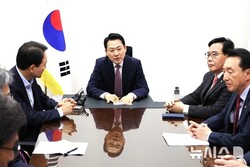
▲ 김돈곤 청양군수가 청양읍 행정복지센터를 찾아 농어촌 기본소득 신청 주민들과 소통하며, 접수 현장을 살피고 있다. © 청양군 제공 |
충남 청양군이 추진 중인 ‘농어촌 기본소득 시범사업’이 접수 개시 이후 짧은 기간 안에 높은 참여율을 기록하며 순조로운 출발을 보이고 있다. 군에 따르면 지난해 12월 22일부터 10개 읍·면사무소에서 접수를 시작한 이후, 이달 2일 기준 신청자는 1만5473명으로 집계돼 신청률이 51.6%에 이르렀다. 접수 시작 8일 만에 절반을 넘어선 수치다.
군은 이러한 흐름을 사업에 대한 주민의 관심과 기대가 실질적 참여로 이어진 결과로 해석하고 있다. 특히 접수 초기부터 읍·면 담당자 교육을 실시하고, 창구별 보조 인력을 확충해 신청서 작성과 지역사랑상품권 앱 가입을 현장에서 지원하는 등 행정 부담을 낮춘 점이 참여 확대에 기여했다는 평가다.
청양군은 미신청자를 대상으로 한 안내와 홍보를 병행하는 한편, 거동이 불편하거나 접근성이 낮은 주민을 위해 ‘찾아가는 신청서비스’를 운영해 접수 사각지대를 줄일 방침이다. 시범사업 지자체 가운데에서도 비교적 이른 시점에 접수와 현장 지원 체계를 가동하며 추진 속도를 높이고 있다는 점도 특징이다.
군정 책임자는 농어촌 기본소득을 군민 보편의 권리로 보고, 신청 누락으로 인한 배제 가능성을 최소화하는 데 행정 역량을 집중하고 있다. 동시에 이 사업을 단순한 현금성 지원에 그치지 않고, 지역 내 소비를 촉진하는 구조로 설계해 지역경제의 순환 효과와 공동체 회복을 함께 도모하겠다는 구상이다.
농어촌 기본소득 시범사업은 2026년 2월부터 2027년 12월까지 실거주 주민에게 매월 15만원 상당의 지역사랑상품권을 지급하는 제도다. 군은 현장조사반을 통해 실거주 여부를 확인하고, 신고센터 운영으로 부정수급을 차단할 계획이다. 부정 수급이 확인될 경우 지원금 환수와 함께 최대 5배의 제재부가금이 부과된다.
농어촌 인구 감소와 생활 기반 약화가 구조적 과제로 지적되는 상황에서, 청양군의 이번 시범사업은 소득 보전과 지역경제 활성화를 동시에 겨냥한 정책 실험으로 평가된다. 제도의 안정적 안착 여부는 향후 집행 과정의 투명성과 주민 체감도를 얼마나 높이느냐에 달려 있다는 점에서, 현장 중심의 운영과 엄정한 관리가 관건이 될 것으로 보인다.
*아래는 위 기사를 '구글 번역'으로 번역한 영문 기사의 [전문]입니다. '구글번역'은 이해도를 높이기를 위해 노력하고 있습니다. 영문 번역에 오류가 있을 수 있음을 전제로 합니다.<*The following is [the full text] of the English article translated by 'Google Translate'. 'Google Translate' is working hard to improve understanding. It is assumed that there may be errors in the English translation.>
The "Rural Basic Income Pilot Project" being implemented by Cheongyang County, South Chungcheong Province, is off to a smooth start, recording a high participation rate within a short period of time since the application period began. According to the county, since accepting applications at 10 township and county offices on December 22nd of last year, 15,473 people have applied as of July 2nd, representing a 51.6% application rate. This represents a 51.6% completion rate within just eight days of the application period.
The county attributes this trend to residents' interest and anticipation for the project, leading to substantial participation. In particular, efforts to reduce administrative burdens, such as providing training to township and county officials from the outset of the application process and increasing the number of support staff at each window to provide on-site assistance with application forms and signing up for the Community Love Gift Certificate app, are believed to have contributed to the increased participation.
Cheongyang County plans to provide guidance and promotional activities to those who have not yet applied, while also operating an "on-site application service" for residents with mobility difficulties or limited access to services, to reduce blind spots in application processes. Another notable feature of the pilot project is that it accelerated its implementation by launching the application and on-site support system relatively early, even among local governments.
The county government leader views the rural basic income as a universal right for all residents and is focusing its administrative capabilities on minimizing the possibility of exclusion due to missed applications. Furthermore, the project is designed to go beyond simple cash support and promote local consumption, fostering a cyclical effect on the local economy and community recovery.
The rural basic income pilot project will provide local gift certificates worth 150,000 won per month to residents from February 2026 to December 2027. The county plans to verify residency through on-site investigations and operate a reporting center to prevent fraudulent receipt of benefits. If fraudulent receipt is confirmed, the subsidy will be reclaimed and a fine of up to five times the amount will be imposed.
With the declining rural population and weakening livelihoods identified as structural challenges, Cheongyang County's pilot project is being evaluated as a policy experiment aimed at simultaneously preserving income and revitalizing the local economy. The system's stable implementation hinges on the transparency of the implementation process and the extent to which residents perceive it. Therefore, field-oriented operation and strict management will likely be key.
원본 기사 보기:브레이크뉴스대전세종충청