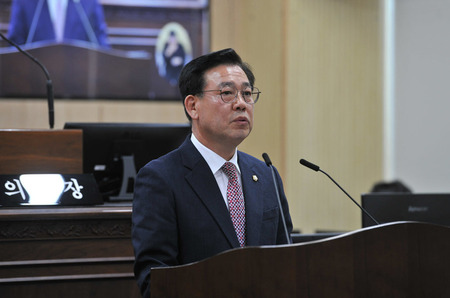
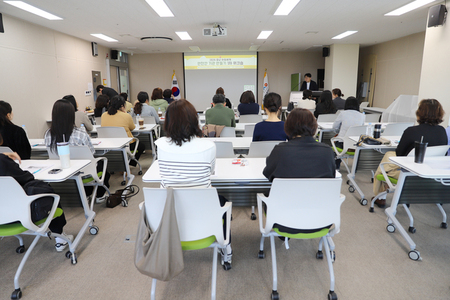
▲ 충남 천안시는 7일 시청 대회의실에서 '2026 주요업무 보고회'를 개최했다. © 천안시 제공 |
충남 천안시가 2026년을 향한 시정 운영의 큰 틀을 가다듬으며 도시 경쟁력 제고를 위한 정책 방향을 구체화했다. 시는 7일 시청 대회의실에서 주요 간부들이 참석한 가운데 ‘2026 주요업무 보고회’를 열고, 한 해 동안 추진할 핵심 과제와 실행 전략을 공유했다.
이날 보고회는 김석필 천안시장 권한대행 주재로 진행됐으며, 시정의 기본 가치로 설정한 ‘성장·안전·동행’을 중심축으로 7대 역점과제의 추진 구상이 제시됐다. 아울러 새 정부 국정과제와의 연계 가능성을 점검하고, 정책의 실효성을 높이기 위한 조정 방향도 함께 논의됐다.
천안시는 신규 사업과 핵심 정책, 주요 현안 등을 아우르는 시민 체감형 정책 600여 건의 추진 흐름을 종합적으로 점검했다. 단순한 계획 나열을 넘어, 지역 여건과 행정 여력을 고려한 우선순위 설정과 단계별 실행 전략에 초점을 맞췄다는 점이 특징이다.
올해 시가 제시한 7대 역점과제는 미래 성장동력 확충과 지역경제 회복, 도시 기반 혁신, 생활 안전 강화, 기후 대응 역량 제고, 맞춤형 돌봄 확대, 문화·여가 일상 구현으로 요약된다. 각 과제는 개별 사업 단위가 아니라 상호 연계된 정책 묶음으로 설계돼 시정 전반의 완성도를 높이겠다는 구상이다.
미래 경쟁력 확보를 위해서는 거점형 스마트도시 조성과 중부권 AI 컴퓨팅 인프라 구축, 스타트업 생태계의 단계적 성장 지원에 행정 역량을 집중한다. 연구개발특구를 중심으로 한 MICE 산업 구상과 사업화 검토 역시 중장기 성장 기반을 다지는 전략으로 제시됐다. 이는 산업·기술·도시 기능을 결합해 자족성을 높이려는 시도의 일환으로 해석된다.
지역경제 분야에서는 중소기업의 ESG 경영 역량 강화, 생활권 상권 활성화 사업, 해외 바이어 연계 수출 상담, 전략적 투자유치 방안 등이 병행 추진된다. 단기적인 경기 부양을 넘어 산업 구조의 체질 개선과 민간 활력 회복을 동시에 겨냥한 접근이다.
인구 100만 도시를 염두에 둔 도시 인프라 확충도 주요 과제로 다뤄졌다. 중장기 도시기본계획 수립을 비롯해 원도심 재생, 철도 거점 기능 강화, 대중교통 운영 체계 개선 등을 통해 균형 있는 도시 성장과 생활 편의 증진을 도모한다는 계획이다.
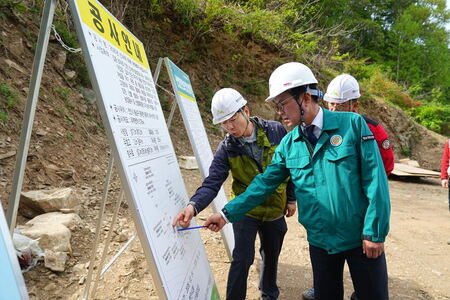
안전 분야에서는 자연재해 예방과 대응 체계를 고도화하는 데 정책의 무게를 실었다. 위험지역 정비, 재난 통합 관리 플랫폼 구축, 산불·산사태 대응력 강화, 공공 건설 현장의 스마트 안전 관리 등이 포함됐다. 이는 기후 변화에 따른 복합 재난 가능성에 선제적으로 대응하려는 행정 판단으로 풀이된다.
지속가능성 측면에서는 탄소중립 정책 추진과 스마트 농업 기술 확산, 산업단지 에너지 자립 기반 조성이 제시됐다. 환경 정책을 규제 중심이 아닌 산업·기술 전환의 기회로 활용하겠다는 점에서 정책 방향의 전환을 읽을 수 있다.
돌봄과 복지 영역에서는 저출생·고령화라는 구조적 변화에 대응해 식생활 지원, 초등 돌봄 체계 보강, 의료·돌봄 연계 서비스, 장애인 복지 인프라 확충 등을 단계적으로 확대한다. 생활 현장에서 체감 가능한 지원을 늘려 사회적 안전망의 실효성을 높이겠다는 취지다.
문화·여가 분야에서도 야간 관광 콘텐츠와 녹지형 복합문화공간 조성, 문화예술시설 확충을 통해 도시의 정주 매력과 문화적 품격을 함께 끌어올린다는 방침을 밝혔다.
김석필 권한대행은 보고회에서 공직 사회의 역할을 시민 삶의 개선과 직결된 책임으로 규정하며, 현장 중심의 행정과 시민과의 소통을 통해 정책 신뢰도를 높여야 한다는 점을 강조했다. 이는 계획 중심 행정에서 실행과 성과 중심 행정으로의 전환을 주문한 메시지로 읽힌다.
전문가들은 이번 업무 보고가 개별 사업의 나열을 넘어 도시의 중장기 구조 전환을 염두에 둔 점에서 의미가 있다고 평가한다. 성장 전략과 안전, 복지, 환경을 분절적으로 다루지 않고 하나의 정책 흐름으로 엮으려는 시도가 향후 천안시정의 방향성을 가늠하는 잣대가 될 것이라는 분석이다.
*아래는 위 기사를 '구글 번역'으로 번역한 영문 기사의 [전문]입니다. '구글번역'은 이해도를 높이기를 위해 노력하고 있습니다. 영문 번역에 오류가 있을 수 있음을 전제로 합니다.<*The following is [the full text] of the English article translated by 'Google Translate'. 'Google Translate' is working hard to improve understanding. It is assumed that there may be errors in the English translation.>
Cheonan City, South Chungcheong Province, has refined the overall framework for its municipal administration toward 2026 and concretized its policy direction to enhance the city's competitiveness. On the 7th, the city held a "2026 Key Tasks Report Meeting" in the City Hall conference room, attended by key officials, and shared key tasks and implementation strategies for the year.
Presided over by Acting Cheonan Mayor Kim Seok-pil, the meeting presented a plan for implementing seven key tasks centered on the core values of "Growth, Safety, and Partnership," which the city has established as its core values. The meeting also examined potential alignment with the new administration's national agenda and discussed adjustments to enhance policy effectiveness.
Cheonan City comprehensively reviewed the progress of approximately 600 citizen-focused policies, encompassing new projects, core policies, and major pending issues. Beyond simply listing plans, the meeting focused on prioritizing and implementing phased implementation strategies that take into account local conditions and administrative capacity.
The seven key priorities presented by the city this year can be summarized as: expanding future growth engines and revitalizing the local economy, urban infrastructure innovation, strengthening public safety, enhancing climate response capabilities, expanding customized care, and realizing cultural and leisure experiences. Each task is designed as a package of interconnected policies, rather than as individual projects, to enhance the overall quality of city administration.
To secure future competitiveness, administrative capabilities will be focused on developing a hub-type smart city, establishing AI computing infrastructure in the central region, and supporting the gradual growth of the startup ecosystem. The MICE industry initiative, centered around a research and development special zone, and the review of commercialization were also presented as strategies to solidify the foundation for mid- to long-term growth. This is interpreted as part of an effort to enhance self-sufficiency by combining industrial, technological, and urban functions.
In the local economy, parallel efforts will be made to strengthen the ESG management capabilities of small and medium-sized enterprises (SMEs), revitalize commercial districts in residential areas, provide export consultations with overseas buyers, and attract strategic investment. This approach goes beyond short-term economic stimulus and aims to simultaneously improve the industrial structure and revitalize the private sector.
Expanding urban infrastructure, with a population of one million in mind, was also highlighted as a key priority. The plan aims to promote balanced urban growth and improved convenience through the establishment of a mid- to long-term urban master plan, revitalizing downtown areas, strengthening railway hubs, and improving public transportation operations.
In the area of safety, policies prioritized enhancing natural disaster prevention and response systems. These initiatives included the development of risk areas, the establishment of an integrated disaster management platform, strengthening response capabilities to forest fires and landslides, and smart safety management at public construction sites. These initiatives are interpreted as an administrative decision to proactively respond to the potential for complex disasters caused by climate change.
In terms of sustainability, the plan proposed pursuing carbon neutrality, expanding smart agricultural technologies, and establishing energy self-sufficiency in industrial complexes. This shift in policy direction reflects the shift from focusing on regulations to using environmental policy as an opportunity for industrial and technological transformation.
In the area of care and welfare, in response to structural changes such as low birth rates and an aging population, the plan will gradually expand food support, strengthen the elementary school care system, provide medical and care-related services, and expand welfare infrastructure for the disabled. The goal is to enhance the effectiveness of the social safety net by increasing tangible support in everyday life.
In the cultural and leisure sectors, the city announced plans to enhance both the city's residential appeal and cultural prestige by developing nighttime tourism content, creating green cultural complexes, and expanding cultural and artistic facilities.
Acting Mayor Kim Seok-pil, in his briefing, defined the role of the public sector as directly linked to improving citizens' lives and emphasized the need to enhance policy credibility through field-oriented administration and communication with citizens. This message is interpreted as a call for a shift from a plan-centered administration to an execution- and performance-oriented administration.
Experts note the significance of this work report, which goes beyond a mere listing of individual projects and focuses on the city's mid- to long-term structural transformation. Analysts say the effort to integrate growth strategies, safety, welfare, and the environment into a unified policy framework, rather than treating them in separate, fragmented ways, will serve as a benchmark for assessing the future direction of Cheonan city administration.
원본 기사 보기:브레이크뉴스대전세종충청