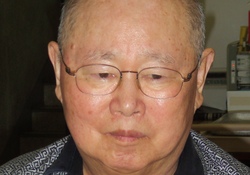
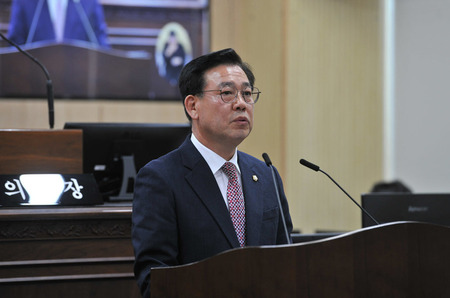
▲ 성광진 대전교육연구소장=성광진 제공 © 김정환 기자 |
대전교육감 출마를 앞둔 성광진 전국교육자치혁신연대 상임대표가 정부와 국회가 추진 중인 ‘충남대전통합특별시 설치 및 경제과학국방중심도시 조성을 위한 특별법안’(이하 통합법안)에 대해 “교육 자치의 근간을 흔드는 독소조항이 곳곳에 숨어 있다”며 강하게 반발했다.
성 대표는 2일 발표한 성명에서 “대전·충남 통합의 방향이 아이들의 성장과 교육권 보장보다는, 행정 편의와 정치적 이해에 치우쳐 설계되고 있다”며 “이대로라면 교육 공공성은 심각하게 훼손될 것”이라고 지적했다.
성 대표는 특히 통합법안 제121조부터 123조에 명시된 ‘통합특별시장에게 영재학교·국제학교·특수목적고 설립 및 지정 권한 부여’ 조항을 문제 삼았다.
그는 “학교 설립 권한을 행정 권력자가 직접 행사하도록 하는 것은 교육의 전문성과 중립성을 무시한 초법적 발상”이라며 “정치적 판단이 개입될 경우 공교육은 권력의 도구로 전락할 수 있다”고 경고했다.
이어 “이는 고교 평준화 체제를 뒤흔들 뿐 아니라, 일부 계층을 위한 특권학교를 양산해 일반 학생들에게 구조적 박탈감을 안길 것”이라고 덧붙였다.
그는 또 외국인학교·국제학교에 대해 운영비의 최대 50%를 국가와 통합특별시가 지원할 수 있도록 한 조항을 “교육 공공성을 정면으로 부정하는 조치”라고 비판했다.
성 대표는 “노후 학교 개선과 교육 복지 확대가 시급한데, 특정 학교에 막대한 재정을 우선 투입하는 것은 형평성에 어긋난다”며 “결국 부유층 중심의 특권 교육만 강화하게 될 것”이라고 주장했다.
또한 그는 외국인학교와 특목고의 입학기준을 조례로 완화하도록 한 특례 조항이 “내국인 고소득층 자녀들의 우회 입학 통로로 악용될 수 있다”고 지적했다. “입학의 문턱을 자율에 맡기면 사실상 돈이 있는 집 자녀만 진입 가능한 학교로 변질된다”고 말했다.
성 대표는 법안이 시·군·구 단위의 기초 교육자치 체계를 고려하지 않고, 단일 통합 교육청 중심으로만 구성돼 있다고 비판했다. 그는 “교육 자치는 마을과 학교에서 시작돼야 하지만, 이번 법안은 중앙집권적 방식으로 거꾸로 가고 있다”며 “행정의 효율보다 현장의 다양성을 우선해야 한다”고 강조했다.
또 통합법안이 교육지원청 교육장을 개방형·공모직으로 임용하도록 한 점에 대해서도 “교육 행정에 정치권 인사가 개입할 수 있는 길을 열었다”고 우려했다. 그는 “주민 참여를 내세운 제도이지만, 실제로는 교육 전문성이 없는 인사가 교육 현장을 좌우할 위험이 크다”며 “헌법이 보장한 교육의 중립성 원칙에 반한다”고 꼬집었다.
성 대표는 끝으로 “통합특별시는 단순한 행정 결합이 아니라 아이들의 미래와 직결된 교육의 문제”라며 “교육계와 충분한 논의 없이 법안을 밀어붙인 것은 매우 유감”이라고 밝혔다.
그는 “이 법안이 통과되면 지역 간 교육 격차와 사교육 경쟁만 확대될 것”이라며 “진정한 통합을 원한다면 교육 자치의 원칙을 지키는 것에서 출발해야 한다”고 강조했다.
한편 성광진 대표는 3일 대전광역시선거관리위원회에 대전교육감 예비후보로 등록하고, ‘교육 자치 회복과 공교육 정상화’를 핵심 기치로 내세운 선거운동을 본격화할 예정이다.
*아래는 위 기사를 '구글 번역'으로 번역한 영문 기사의 [전문]입니다. '구글번역'은 이해도를 높이기를 위해 노력하고 있습니다. 영문 번역에 오류가 있을 수 있음을 전제로 합니다.<*The following is [the full text] of the English article translated by 'Google Translate'. 'Google Translate' is working hard to improve understanding. It is assumed that there may be errors in the English translation.>
Director Seong Gwang-jin: "Daejeon-South Chungcheong Integration Act Must Be Fully Reviewed for Poisonous Provisions That Undermine Educational Autonomy"
Granting the Unified Mayor the Right to Establish Specialized High Schools Raises Concerns about 'Educational Politicization'… Provisions Supporting Foreign Schools Also Criticized
Seong Gwang-jin, standing representative of the National Alliance for Educational Autonomy Innovation and a candidate for Daejeon Superintendent of Education, strongly criticized the "Special Act on the Establishment of the Chungnam-Daejeon Special City and the Development of an Economic, Science, and Defense-Oriented City" (hereinafter referred to as the Integration Act), currently being promoted by the government and the National Assembly, stating, "Toxic provisions that undermine the foundation of educational autonomy are hidden throughout."
In a statement released on the 2nd, Representative Seong stated, "The direction of the Daejeon-South Chungcheong integration is being designed with administrative convenience and political interests in mind, rather than ensuring children's growth and the right to education. If this continues, the public nature of education will be seriously undermined."
Representative Seong specifically took issue with Articles 121 through 123 of the integrated bill, which grant the Mayor of the Integrated Special Metropolitan City the authority to establish and designate gifted schools, international schools, and special-purpose high schools.
He stated, "Giving administrative power to directly exercise school establishment authority is an extralegal idea that ignores the professionalism and neutrality of education." He warned, "If political judgment intervenes, public education could be reduced to a tool of power."
He added, "This will not only destabilize the high school equalization system, but also create a proliferation of privileged schools catering to a select few, inflicting structural deprivation on ordinary students."
He also criticized the provision allowing the central government and the Integrated Special Metropolitan City to subsidize up to 50% of the operating costs of foreign and international schools, calling it a "measure that directly negates the public nature of education."
Representative Seong argued, "While there is an urgent need to improve aging schools and expand educational welfare, prioritizing massive funding for specific schools is unfair. Ultimately, this will only reinforce privileged education for the wealthy."
He also pointed out that the special provision allowing for relaxed admission standards for international schools and specialized high schools, which is subject to ordinances, "could be abused as a bypass for high-income Korean children." He added, "If the admission threshold is left to the discretion of the school system, schools will in effect become exclusively accessible to children from wealthy families."
Representative Seong criticized the bill for ignoring the basic educational autonomy system at the city, county, and district levels and for focusing solely on a single integrated education office. He emphasized, "Educational autonomy should begin at the village and school level, but this bill takes a backwards path with its centralized approach. We must prioritize diversity on the ground over administrative efficiency."
He also expressed concern about the integration bill's requirement for open and competitive appointments of superintendents of education, saying it "opens the way for political figures to interfere in educational administration." He criticized the bill, saying, "While it promotes resident participation, in reality, there is a significant risk that personnel without educational expertise will dominate the educational landscape." He added, "This violates the principle of educational neutrality guaranteed by the Constitution."
Representative Seong concluded, "The integration of special cities is not simply a matter of administrative mergers; it is an educational issue directly linked to our children's futures. It is deeply regrettable that the bill was pushed through without sufficient discussion with the education community."
He emphasized, "If this bill passes, it will only widen the educational gap between regions and the competition for private education. If we truly desire integration, we must begin by upholding the principle of educational autonomy."
Meanwhile, Representative Seong Gwang-jin registered as a preliminary candidate for Daejeon Superintendent of Education with the Daejeon Metropolitan Election Commission on the 3rd and plans to launch a full-scale campaign with the core slogan of "restoring educational autonomy and normalizing public education."
원본 기사 보기:브레이크뉴스대전세종충청