▲ 온도 조절 이미지 © 김정환 기자 |
대전지역 특수학교 교실이 냉난방 일괄 통제 정책으로 인해 ‘고정된 온도’ 속에 갇혔다. 에너지 절감이라는 행정 효율 논리 아래, 자폐·발달장애 학생의 특성과 요구가 충분히 고려되지 않은 채 냉난방 조절 권한이 제한된 것이다.
교실마다 온도를 달리해야 하는 특수학교의 현실은 일반학교와 다르다. 하지만 대전시교육청은 에너지 비용 절감을 이유로 중앙 관리 시스템을 통해 냉난방 가동 시간을 일괄적으로 통제하고 있다. 현장 교사의 즉각적인 조정이 어렵도록 설계된 구조다.
문제는 그 ‘불편함’이 단순한 수준에 그치지 않는다는 점이다. 자폐 스펙트럼 장애 학생의 경우, 온도 변화에 대한 감각 반응이 일반 학생과 크게 다르다.
어떤 학생은 미세한 온도 변화에도 과도한 불안을 느끼고, 또 다른 학생은 위험할 정도의 열·냉 자극을 제대로 인식하지 못한다. 연구 결과에 따르면 이는 개인의 취향이 아니라 신경학적·생리적 차이에 따른 반응이다.
이 때문에 교실 온도가 학생의 감각 특성과 맞지 않으면 집중력 저하, 반복행동, 수업 이탈, 심지어 공격적 행동으로 이어질 수 있다.
특히 의사소통이 어려운 학생일수록 자신의 불편함을 언어로 표현하지 못해 ‘도전적 행동’으로 드러나는 경우가 많다. 하지만 현장에서는 이러한 행동을 개인의 문제나 보호자의 책임으로 돌리는 경향이 여전히 존재한다.
전문가들은 이를 ‘행동 중재나 지도 방식의 문제’로만 볼 일이 아니라고 지적한다. 학생의 감각 특성과 환경 요인, 예컨대 교실의 온도, 조명, 소음 등이 밀접하게 연관돼 있기 때문이다. 교육 환경이 학생의 특성에 맞지 않게 설계되면, 그 자체가 문제 행동의 원인이 되기도 한다.
이 같은 상황은 결국 특수교육의 기본 철학과도 배치된다. 특수교육은 학생 한 명 한 명의 특성과 필요를 전제로, 학습 내용과 지원 방식, 물리적 환경을 개별화교육계획(IEP)에 따라 조정하는 체계다.
그럼에도 행정 편의 중심의 일괄 기준이 우선시되면서, ‘학생 맞춤 환경 조성’이라는 본래의 취지가 무너지고 있다는 지적이 나온다.
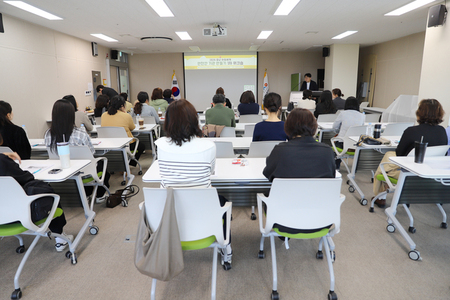
 ▲ AI가 생성한 교실 이미지 © 김정환 기자 |
법적 측면에서도 이 논란은 결코 가볍지 않다.
'장애인차별금지법'은 장애인이 동등한 조건에서 교육받을 수 있도록 ‘정당한 편의 제공’을 국가와 교육기관의 의무로 명시하고 있다. 특수학교 교실의 온도 조절 권한 부여는 이 법이 규정하는 정당한 편의의 핵심 요소로 볼 수 있다.
따라서 온도 조절 권한을 단순히 ‘행정 효율’이나 ‘비용 절감’의 문제로 치부하는 것은 타당하지 않다는 여론이 커지고 있다. 특수학교를 중앙통제에서 제외하거나, 최소한 현장 교사에게 학생 상태에 따른 온도 조정 재량을 보장해야 한다는 주장이 힘을 얻고 있다.
전문가들은 더 나아가 감각 과민·둔감 정도, 건강 상태, 약물 복용 여부 등 학생별 온도 반응 특성을 개별화교육계획에 명시하고, 이를 학교 운영 체계와 직접 연동해야 한다고 조언한다.
이는 ‘일시적 편의 제공’이 아니라, 과학적 근거 기반의 교육 환경 조정이라는 것이다.
대전교육청은 에너지 비용 증가에 따른 정부 지침에 따라 통제가 불가피하다는 입장이지만, 현장의 시선은 다르다. 행정의 효율은 중요하지만, 그것이 학습권과 안전, 교육의 질보다 우선할 수는 없다는 것이다.
냉난방이 제한된 교실에서 발생하는 불안정한 행동, 집중력 저하, 잦은 탈진은 결국 더 큰 사회적 비용으로 돌아온다.
특수학교 교실의 온도는 단순한 관리 항목이 아니다. 학생이 안전하게 머무르고, 수업에 참여하며, 하루를 무사히 마칠 수 있는지를 결정하는 기본 조건이다.
대전시교육청이 냉난방 통제라는 틀을 유지한다면, 그 기준이 누구를 위해 존재하고 누구를 배제하고 있는지 다시 묻지 않을 수 없다.
*아래는 위 기사를 '구글 번역'으로 번역한 영문 기사의 [전문]입니다. '구글번역'은 이해도를 높이기를 위해 노력하고 있습니다. 영문 번역에 오류가 있을 수 있음을 전제로 합니다.<*The following is [the full text] of the English article translated by 'Google Translate'. 'Google Translate' is working hard to improve understanding. It is assumed that there may be errors in the English translation.>
"Special Education Trapped by Temperature": Who is the Daejeon Metropolitan Office of Education's "energy efficiency" for?
Special education classrooms in Daejeon are stuck at "fixed temperatures" due to a blanket heating and cooling control policy. Under the guise of administrative efficiency and energy conservation, the authority to control heating and cooling has been restricted, failing to adequately consider the characteristics and needs of students with autism and developmental disabilities.
The reality of special education schools, where each classroom must have different temperatures, differs from that of general schools. However, the Daejeon Metropolitan Office of Education, citing energy cost savings, controls heating and cooling operating times through a central management system. This system is designed to make it difficult for teachers to make immediate adjustments.
The problem is that this "inconvenience" extends beyond simple physical limitations. Students with autism spectrum disorders experience significantly different sensory responses to temperature changes than their peers.
Some students experience excessive anxiety from even the slightest temperature fluctuations, while others struggle to perceive potentially dangerous heat and cold stimuli. Research suggests that these differences are not a matter of individual preference, but rather a response to neurological and physiological differences.
Consequently, if classroom temperatures do not match a student's sensory characteristics, this can lead to decreased concentration, repetitive behavior, class disruption, and even aggressive behavior.
Students with communication difficulties often exhibit "challenging behaviors" due to their inability to verbalize their discomfort. However, in practice, there is still a tendency to attribute such behaviors to the individual or the responsibility of their guardians.
Experts point out that this shouldn't be viewed solely as a "problem with behavioral intervention or instructional methods." A student's sensory characteristics and environmental factors—such as classroom temperature, lighting, and noise—are closely linked. If the educational environment is not designed to suit a student's characteristics, it can itself become a cause of behavioral problems.
This situation ultimately contradicts the fundamental philosophy of special education. Special education is a system that adapts learning content, support methods, and physical environments according to the individualized education plan (IEP) of each student, based on their individual characteristics and needs.
Nevertheless, criticisms are being raised that the original purpose of "creating a personalized environment" is being undermined by the prioritization of uniform standards focused on administrative convenience.
This controversy is also significant from a legal perspective.
The Act on Prohibition of Discrimination against Persons with Disabilities stipulates that the state and educational institutions are obligated to provide "reasonable accommodations" to ensure that persons with disabilities can receive education under equal conditions. Granting the authority to control temperature in special education classrooms is a key element of the law's definition of reasonable accommodation.
Therefore, public opinion is growing that it is inappropriate to simply dismiss temperature control authority as a matter of "administrative efficiency" or "cost savings." Calls are gaining ground for excluding special schools from central control, or at least granting teachers the discretion to adjust temperature based on student needs.
Experts further advise that individual student temperature response characteristics, such as sensory hypersensitivity or desensitization, health status, and medication use, should be clearly specified in individualized education plans and directly integrated into school management systems.
This is not a "temporary accommodation," but rather a scientifically evidence-based adjustment to the educational environment.
The Daejeon Office of Education maintains that control is inevitable due to government guidelines stemming from rising energy costs. However, the field has a different perspective. While administrative efficiency is important, it cannot take precedence over the right to learn, safety, and quality of education.
The unstable behavior, lack of concentration, and frequent burnout that occur in classrooms with limited heating and cooling ultimately result in greater social costs.
The temperature in special education classrooms is not simply a management issue. It is a fundamental condition that determines whether students can remain safely, participate in class, and complete the day safely.
If the Daejeon Metropolitan Office of Education maintains the framework of heating and cooling control, we cannot help but ask again who this standard serves and who it excludes.
원본 기사 보기:브레이크뉴스대전세종충청