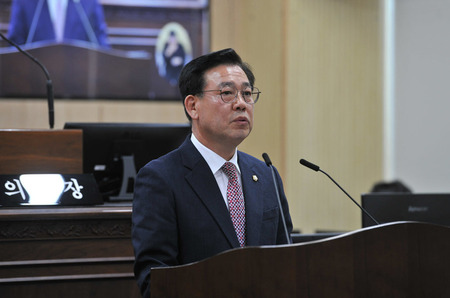
▲ 홍성 원도심 홍고통에서 사색공방 레이럴을 운영하는 김태우 대표=홍성군 제공 © 정지완 기자 |
충남 홍성군 홍성읍 원도심 옛 홍고통 일대에 조성 중인 ‘로컬스타트업빌리지’가 청년 창업가들의 자립 기반 거점으로 빠르게 자리 잡고 있다. 한때 빈 점포가 이어지던 골목은 2년여 만에 공실률이 사실상 0%에 가까운 수준으로 낮아졌고, 입주 수요 증가에 대응한 공유오피스 추가 조성도 검토되는 등 창업 생태계의 확장 조짐이 뚜렷하다.
이 공간은 지역 청년 창업가 모임 ‘집단지성’이 중심이 되어 운영하는 민간 주도형 모델이다. 행정은 제도적·행정적 뒷받침을 담당하고, 현장은 청년들이 직접 기획과 운영을 맡는 구조다. 실행력을 갖춘 창업 주체와 공공의 지원 체계가 유기적으로 맞물리며 지역형 창업 협력 사례로 평가받는 배경이다.
홍고통 스타트업빌리지는 기존의 소비·접객 위주 상권에서 벗어나 생산과 부가가치 창출에 초점을 둔 ‘업무지구형 창업 집적지’를 지향한다. 콘텐츠·디자인 분야를 비롯해 농업 기반 브랜드, 교육·문화 영역의 청년 기업들이 입주해 자립형 창업 생태계를 형성하고 있다. 단순 상업 공간을 넘어 기획·제작·유통이 연결되는 구조를 갖추려는 시도라는 점에서 원도심 재생 전략과도 맞닿아 있다.
올해는 10개 팀이 신규 입주를 준비하고 있으며, 중앙부처 창업 지원사업 참여와 공간 정비 작업도 병행되고 있다. 최근 플라워공방 ‘프롬아인’과 터프팅공방 ‘너의기억속에’가 잇따라 문을 열었고, 상반기 중 추가 창업 공간도 순차적으로 운영에 들어갈 예정이다. 이는 소규모 창작 기반 업종이 지역 생활권 안에서 정착할 수 있는 토대를 넓히는 흐름으로 읽힌다.
홍성군은 이 사업을 청년들이 스스로 운영 구조를 만들고 지속 가능성을 모색하는 창업 협력 모델로 보고, 지역이 로컬 창업의 거점으로 안착할 수 있도록 지원을 이어가겠다는 입장이다. 행정 주도의 단기 사업이 아니라, 민간 커뮤니티의 집적과 네트워크 형성을 중심에 둔 점이 차별성으로 꼽힌다.
이 같은 홍고통 사례는 원도심 공실 문제를 단순 임대 활성화로 해결하는 방식과는 결을 달리한다. 창업 집적을 통해 상권의 기능을 소비 중심에서 생산 기반으로 전환하고, 지역 자원을 활용한 브랜드 창출로 부가가치를 지역 안에 순환시키려는 구조를 취하고 있기 때문이다. 이러한 모델이 안정적으로 정착할 경우, 지방 중소도시에서 청년 창업과 도시 재생을 결합하는 하나의 실험적 대안으로 자리매김할 가능성이 높을 것으로 전망된다.
*아래는 위 기사를 '구글 번역'으로 번역한 영문 기사의 [전문]입니다. '구글번역'은 이해도를 높이기를 위해 노력하고 있습니다. 영문 번역에 오류가 있을 수 있음을 전제로 합니다.<*The following is [the full text] of the English article translated by 'Google Translate'. 'Google Translate' is working hard to improve understanding. It is assumed that there may be errors in the English translation.>
Hongseong County's Local Startup Village Transforms Vacant Alleyways into Startup Hubs
Vacancy Rate Nears 0%... A Regional Startup Collaboration Model Combining Youth Leadership and Administrative Support Emerges
The "Local Startup Village," currently under construction in the former Honggo-tong area of the downtown area of Hongseong-eup, Hongseong County, South Chungcheong Province, is quickly establishing itself as a hub for young entrepreneurs to become self-reliant. The alleyways, once lined with empty stores, have seen their vacancy rate drop to nearly 0% in just two years. Additional co-working spaces are also being considered to meet growing demand, demonstrating clear signs of expansion within the startup ecosystem.
This space is a privately-led model, operated primarily by "Collective Intelligence," a local youth entrepreneurship group. The administration provides institutional and administrative support, while the youth themselves are directly responsible for planning and operating the projects. This organic integration of capable entrepreneurs and a public support system has earned it recognition as a model for regional startup collaboration.
The Honggotong Startup Village aims to break away from the traditional focus on consumption and hospitality and become a "business district-type startup cluster" focused on production and added value creation. Young entrepreneurs in the content and design sectors, agricultural brands, and education and culture are establishing a self-sufficient startup ecosystem. This initiative, which aims to move beyond simple commercial spaces and integrate planning, production, and distribution, aligns with the city center's revitalization strategy.
Ten new teams are preparing to move in this year, and participation in central government startup support programs and space redevelopment are also ongoing. Recently, the flower shop "From Ain" and the tufting workshop "In Your Memory" opened, with additional startup spaces scheduled to open sequentially in the first half of the year. This represents a shift toward broadening the foundation for small-scale creative businesses to establish themselves within the local community.
Hongseong County views this project as a collaborative startup model where young people can create their own operational structures and explore sustainability, and it pledges to continue its support to help the region become a hub for local startups. What sets this initiative apart is its focus on the integration and networking of private communities, rather than on short-term, government-led initiatives.
This Honggotong project differs from approaches that simply address downtown vacancy issues through rental revitalization. Its structure aims to transform the commercial district's function from a consumption-centric to a production-centric one through the clustering of startups, while leveraging local resources to create brands that circulate added value within the region. If this model is successfully established, it is expected to establish itself as an experimental alternative that combines youth entrepreneurship and urban regeneration in small and medium-sized cities in the provinces.
원본 기사 보기:브레이크뉴스대전세종충청