- 김민석 총리 “대구 의견 통일” 전제 조건… 정청래 대표 “석고대죄부터” 압박
- 추미애 법사위원장, 여당의 의사일정 비협조 지적하며 ‘법사위 개최’ 회의론
- 경북 북부권 반대 여론에 여야 ‘조건부 찬성’ 전략… 2월 처리 무산 위기감 여전
【브레이크뉴스 대구 】이성현 기자=대구·경북(TK) 행정통합 특별법의 2월 임시국회 처리를 놓고 정치권의 수싸움이 치열해지면서, 과연 법안 심의의 문턱인 법제사법위원회(법사위)가 제대로 열릴 수 있을지 깊은 의문이 제기되고 있다.
여야 지도부가 앞다투어 “적극 추진”을 외치고 있지만, 각론으로 들어가면 까다로운 전제 조건들이 줄줄이 붙어 있어 사실상 ‘면피성 발언’이 아니냐는 지적까지 나온다.
김민석 총리의 ‘조건부 긍정’과 야당의 ‘공세적 전제’
지난 28일 대구를 찾은 김민석 국무총리는 이철우 경북도지사의 요청에 “이번에 하지 않으면 지역에 많은 손해가 있을 것”이라며 정부 차원의 추진 의지를 보였다. 그러나 여기에는 “대구의 의견을 하나로 모아준다면”이라는 묵직한 전제가 붙었다. 대구 내부의 이견을 중앙정부가 대신 해결해 줄 수 없다는 ‘가이드라인’을 그은 셈이다.
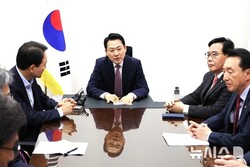
야당의 압박은 더욱 거세다. 대구에서 최고위원회의를 가진 정청래 더불어민주당 대표는 “국민의힘 의원들이 시도민에게 먼저 석고대죄하라”며 지역 정치권의 책임 있는 자세를 처리 조건으로 내걸었다. 이는 법안의 내용보다 정치적 공방에 무게를 둔 발언으로 향후 협상 과정에서 민주당이 주도권을 쥐겠다는 의도로 풀이된다.
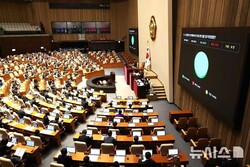
가장 큰 관문인 법사위 개최 여부는 더욱 불투명하다. 추미애 법사위원장은 최근 국민의힘이 필리버스터(무제한 토론)와 부의장의 사회 거부 등을 이어가는 상황을 지적하며, 현재의 파행 정국에서 과연 정상적인 법사위 가동이 가능하겠느냐는 취지의 메시지를 내놨다.
여기에 송언석 국민의힘 원내대표가 추미애 위원장의 메시지를 두고 몽니부린다며 거듭 비난을 쏟아 붓는 상황도 법사위 개최 여부의 불투명성을 암시하고 있다. 여야 원내 지도부가 겉으로는 ‘통합법 통과’를 말하면서도 실제로는 법사위를 열지 못할 핑계를 찾고 있다는 의구심을 지우기 어려운 이유다.
내부의 숙제 '지역구' 갈등… 안갯속에 갇힌 2월 처리
중앙 정치권의 갈등뿐만 아니라 지역 내부의 반발도 법안 통과의 발목을 잡는 핵심 변수다. 경북 북부 지역 기초의회들의 거센 반대 결의와 안동·예천을 지역구로 둔 김형동 국회의원의 공식적인 반대 입장은 여야 모두에게 법안 처리를 주저하게 만드는 강력한 명분이 되고 있다.
결국 “대구의 의견을 모아달라”는 정부의 요구와 “필리버스터를 멈추라”는 야당의 요구, 그리고 “지역구 반대 여론”이라는 삼중고에 갇힌 모양새다.
지역 정가 관계자는 “여야 모두 말로는 도와주겠다고 하지만, 각자가 내건 조건을 보면 사실상 상대방이 수용하기 어려운 독소조항을 던져놓고 책임을 전가하는 모양새”라며 “2월 임시국회가 막바지로 치닫는 상황에서 이런 평행선이 계속된다면, TK 통합법은 결국 ‘정치적 수사’만 남긴 채 표류할 가능성이 크다”고 우려했다.
시도민들 사이에서는 정치권이 법사위를 열지 못할 ‘명분 쌓기’에만 골몰하고 있다는 불안감이 확산하고 있다. 500만 시도민의 여망이 담긴 행정통합이 정치권의 정략적 계산에 가로막혀 ‘희망고문’으로 끝날지, 아니면 극적인 돌파구를 찾을 수 있을지 이번 주가 최대 분수령이 될 전망이다.
<구글 번역으로 번역한 영문 기사의 전문 입니다. 번역에 오류가 있을 수 있음을 밝힙니다.>
- Prime Minister Kim Min-seok: "Unification of Daegu's views is a prerequisite..." Representative Chung Cheong-rae pressures, saying, "We must first repent."
- Chairwoman of the Legislation and Judiciary Committee Choo Mi-ae criticizes the ruling party's uncooperativeness with the legislative agenda, raising skepticism about holding the committee.
- Opposition parties adopt a "conditional approval" strategy amid opposition from northern Gyeongbuk Province... Fears of failure to pass the bill in February persist.
[Break News Daegu] Reporter Lee Seong-hyeon = As political battles intensify over the February extraordinary session of the National Assembly regarding the Daegu-Gyeongbuk (TK) Administrative Integration Special Act, serious questions are being raised about whether the Legislation and Judiciary Committee (Legislative and Judiciary Committee), the hurdle for deliberation on the bill, will actually convene.
While the ruling and opposition party leaders are vying to "actively pursue" the bill, the stringent prerequisites attached to the specifics have led some to criticize it as a "shirking remark."
Prime Minister Kim Min-seok's "Conditional Approval" and the Opposition's "Offensive Preconditions"
Prime Minister Kim Min-seok, who visited Daegu on the 28th, responded to North Gyeongsang Province Governor Lee Cheol-woo's request, stating, "If we don't do it now, there will be significant damage to the region," demonstrating his government's commitment to pursuing the bill. However, this came with the weighty precondition of "unifying Daegu's opinions." This effectively established a "guideline" that the central government cannot resolve internal disagreements within Daegu on his behalf.
The opposition party's pressure is even more intense. Democratic Party of Korea leader Chung Chung-rae, who held a Supreme Council meeting in Daegu, demanded that local politicians take a responsible stance as a condition for the bill's passage, stating, "People Power Party lawmakers should first apologize to the citizens of the city and province." This statement, which emphasized political maneuvering rather than the substance of the bill, is interpreted as an attempt by the Democratic Party to seize control of future negotiations.
The possibility of holding a meeting of the Legislation and Judiciary Committee, the most crucial hurdle, remains even more uncertain. Chairwoman Choo Mi-ae recently pointed out the People Power Party's continued filibuster (unlimited debate) and the vice-chairperson's refusal to preside, and expressed doubts about the committee's ability to function normally amid the current political chaos.
Furthermore, People Power Party floor leader Song Eon-seok has repeatedly criticized Chairwoman Choo's message, calling it "dreaming," hinting at the uncertainty surrounding the committee's convening. This is why it's difficult to dispel suspicions that the ruling and opposition party floor leaders are outwardly talking about "passing the unified bill" while in reality, seeking excuses to prevent the committee from convening.
Internal "constituency" conflicts over the issue... February's passage shrouded in fog
In addition to conflict within the central political arena, local opposition is a key factor hindering the bill's passage. Strong opposition resolutions from local councils in northern Gyeongbuk and the official opposition of National Assemblyman Kim Hyung-dong, whose constituency includes Andong and Yecheon, are providing a powerful justification for both the ruling and opposition parties to hesitate in passing the bill.
Ultimately, the bill appears to be trapped in a triple bind: the government's demand to "gather Daegu's opinions," the opposition party's demand to "stop the filibuster," and public opposition to the bill in its constituency.
A local political insider expressed concern, saying, "Both the ruling and opposition parties say they will help, but the conditions they've put forward seem to suggest they're effectively throwing out poison pills that the other side will find difficult to accept and shifting the blame." He added, "If this parallel continues as the February extraordinary session of the National Assembly draws to a close, the TK integration bill is likely to drift, leaving behind nothing more than 'political rhetoric.'"
There is growing anxiety among residents that politicians are focused solely on "building justification" for not convening the Legislation and Judiciary Committee. This week will be a watershed moment: will the administrative integration, which embodies the aspirations of 5 million residents, be blocked by political maneuvering and end in a "tortured hope" or will it achieve a dramatic breakthrough?
원본 기사 보기:브레이크뉴스 대구경북