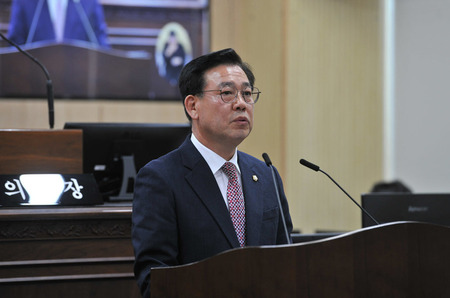
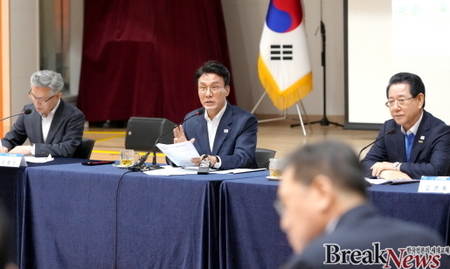
▲ 이재관 의원(충남 천안을·더불어민주당)=이재관 국회의원실 제공 © 정지완 기자 |
이재관 국회의원(충남 천안을·더불어민주당)은 배달의민족의 ‘우리가게클릭’ 광고 운영 방식과 관련해, 점주가 광고 단가의 적정성을 판단할 수 있도록 정보 공개 범위가 확대됐다고 20일 밝혔다.
이번 변화의 핵심은 광고비 판단에 필요한 비교 기준이 새로 생겼다는 점이다. 배달의민족은 이날부터 우리가게클릭 관리 영역에 ‘주변가게 데이터’ 항목을 마련해, 가게 소재지를 기준으로 인근 지역의 동일 업종 평균치를 제공하기로 했다. 여기에 최근 한 달 기준 평균 월 예산, 평균 클릭당 희망가, 평균 클릭률, 평균 주문 전환율이 포함되고, 관련 수치는 매주 월요일 갱신될 예정이다.
우리가게클릭은 업주가 직접 광고 단가와 예산을 정하는 방식의 자율형 광고 상품으로 2022년 도입됐다. 이후 2025년 3월 4일에는 클릭당 단가 범위가 기존 200~600원에서 50~1000원으로 조정됐다. 형식상 선택 폭은 넓어졌지만, 정작 점주들이 광고 노출 구조와 경쟁 강도를 충분히 알기 어려운 상태에서 비용만 높아질 수 있다는 비판도 함께 제기돼 왔다.
이재관 의원은 지난해 산업통상자원중소벤처기업위원회 국정감사에서 이 문제를 정면으로 짚었다. 당시 광고 노출 방식과 상단 배치 구조가 충분히 공개되지 않은 상황에서는 단가 선택권 확대가 실질적인 자율성으로 이어지기 어렵고, 결과적으로 소상공인에게 더 큰 부담을 지우는 구조가 될 수 있다고 문제를 제기했다. 이번 조치는 그 같은 국회 지적 이후 광고 정보의 비대칭성을 일부 줄이는 방향으로 이뤄진 후속 보완으로 읽힌다.
이번 개선은 플랫폼 광고시장에서 가장 큰 불만으로 꼽혀 온 ‘깜깜이 경쟁’ 문제를 일정 부분 완화할 가능성이 있다. 점주 입장에서는 자신의 광고비가 주변 상권과 업종 평균에 비해 어느 수준인지 가늠할 기준이 생기기 때문이다. 광고 효율을 사전에 완전히 보장하는 장치는 아니더라도, 최소한 판단 근거 없이 비용 경쟁에 내몰리는 구조를 완화하는 데는 의미가 있다.
다만 이것만으로 구조적 문제가 해소됐다고 보기는 어렵다. 플랫폼이 노출 기준과 정책 변경의 주도권을 계속 쥐고 있는 한, 정보 공개 확대와 별개로 수수료 체계와 리뷰 반영 방식, 주문 취소 시 비용 부담 구조 등은 여전히 점검 대상이라는 지적이 나온다. 실제로 이 의원은 배민 측 귀책이 있어도 주문 취소 과정에서 플랫폼 비용이 제외된 채 환불되는 방식, 배달 지연 상황에서 점주에게 불리하게 작동할 수 있는 리뷰 체계, ‘찜’ 고객의 재주문에도 동일한 중개수수료가 부과되는 구조 등도 함께 문제 삼아 왔다.
이 의원은 이번 조치로 광고 정보 부족 탓에 벌어졌던 과도한 노출 경쟁과 무리한 광고비 지출 부담이 다소 줄어들 수 있을 것으로 보고 있다. 동시에 광고 데이터 투명성 개선에 그치지 않고, 일방적 정책 변경과 과도한 수수료 같은 쟁점도 계속 협의해 나가겠다는 입장을 밝혔다.
배달 플랫폼 시장의 공정성은 단순히 수수료 수준만으로 판단하기 어렵다. 광고, 노출, 리뷰, 취소, 재주문 수수료처럼 점주의 영업 전반에 직접 영향을 미치는 규칙이 어떤 방식으로 설계되고 공개되느냐가 실제 부담을 좌우한다. 이번 정보 공개 확대는 그 구조를 조금 더 들여다볼 수 있게 만든 첫 조정에 가깝다. 남은 과제는 플랫폼이 정한 기준을 점주가 사후적으로 받아들이는 데 그치지 않고, 예측 가능하고 검증 가능한 거래 질서로 바꾸는 일이다.
*아래는 위 기사를 '구글 번역'으로 번역한 영문 기사의 [전문]입니다. '구글번역'은 이해도를 높이기를 위해 노력하고 있습니다. 영문 번역에 오류가 있을 수 있음을 전제로 합니다.<*The following is [the full text] of the English article translated by 'Google Translate'. 'Google Translate' is working hard to improve understanding. It is assumed that there may be errors in the English translation.>
Rep. Lee Jae-kwan, “Expanding Disclosure of Baemin’s Advertising Information”… First Step Toward Improving Platform Opacity
Average Data on Nearby Business Categories Provided on ‘Our Store Click’… Criteria for Small Business Owners to Judge Advertising Costs
Representative Lee Jae-kwan (Cheonan-eul, South Chungcheong Province, Democratic Party of Korea) announced on the 20th that the scope of information disclosure regarding Baedal Minjok’s ‘Our Store Click’ advertising operation method has been expanded to allow store owners to judge the appropriateness of advertising rates.
The core of this change is the introduction of new comparison criteria necessary for evaluating advertising costs. Starting today, Baedal Minjok has established a ‘Nearby Store Data’ item within the Our Store Click management area to provide average values for the same business category in nearby regions based on the store's location. This includes the average monthly budget, average asking price per click, average click-through rate, and average order conversion rate based on the past month, and the relevant figures are scheduled to be updated every Monday.
Our Store Click is an autonomous advertising product introduced in 2022, where business owners directly determine advertising rates and budgets. Subsequently, on March 4, 2025, the price range per click was adjusted from the existing 200–600 won to 50–1,000 won. While the range of choices has formally expanded, criticism has also been raised that costs could simply increase without store owners having sufficient knowledge of the ad exposure structure and competitive intensity.
Representative Lee Jae-kwan addressed this issue head-on during last year's parliamentary audit of the Trade, Industry, Energy, and SMEs Committee. At the time, he raised concerns that expanding price options would not lead to actual autonomy unless ad exposure methods and top placement structures were sufficiently disclosed, potentially resulting in a structure that places a greater burden on small business owners. This latest measure is interpreted as a follow-up supplement aimed at partially reducing the asymmetry of advertising information following such criticism from the National Assembly.
This improvement has the potential to alleviate, to some extent, the problem of "blind competition," which has been cited as the biggest complaint in the platform advertising market. This is because store owners will now have a standard to gauge how their advertising costs compare to the average of surrounding commercial areas and industries. While this measure may not be a mechanism that fully guarantees advertising efficiency in advance, it is meaningful in that it at least alleviates the structure that forces users into cost competition without a basis for judgment.
However, it is difficult to view this alone as resolving structural issues. Critics point out that as long as platforms continue to hold the initiative regarding exposure standards and policy changes, issues such as commission structures, review reflection methods, and the cost burden structure for order cancellations remain subject to review, separate from the expansion of information disclosure. In fact, Representative Lee has also raised concerns regarding the system where platform fees are excluded from refunds during the cancellation process even when Baemin is at fault, a review system that can operate disadvantageously for store owners in cases of delivery delays, and a structure where the same brokerage fee is applied to reorders by customers who have saved their order.
Representative Lee believes that this measure will somewhat reduce the burden of excessive exposure competition and unreasonable advertising expenditures caused by a lack of advertising information. At the same time, he stated his intention to continue discussions on contentious issues such as unilateral policy changes and excessive commissions, going beyond merely improving the transparency of advertising data.
The fairness of the delivery platform market is difficult to judge solely based on commission levels. The actual burden is determined by how rules that directly affect a store owner's overall business operations—such as fees for advertising, exposure, reviews, cancellations, and reorders—are designed and disclosed. This expansion of information disclosure is akin to the first adjustment that allows for a closer look into that structure. The remaining challenge is to transform the system into a predictable and verifiable transaction order, rather than merely having store owners retrospectively accept standards set by the platform.
원본 기사 보기:브레이크뉴스대전세종충청