


|
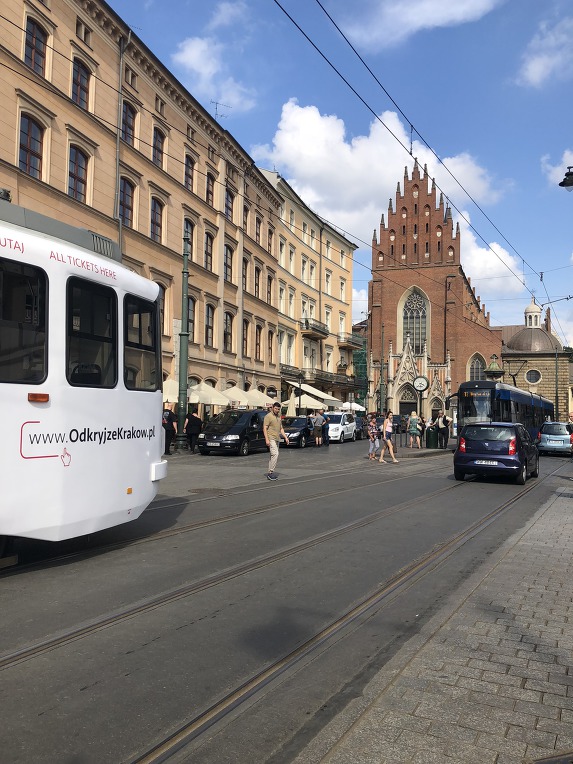
크라쿠프는 또한 크라쿠프 또는 크라쿠프라는 철자를 썼는데, 폴란드에서 두번째로 크고 오래 된 도시들 중 하나이다. 작은 폴란드 지역의 비스톨라 강에 위치한 이 도시는 7세기로 거슬러 올라가요. 크라쿠프는 전통적으로 폴란드 교육, 문화, 예술의 중심지 중 하나였으며 폴란드의 가장 중요한 경제 중심지 중 하나이다. 그곳은 1815년 크라쿠프 자유 도시, 1569년 폴란드-리투아니아 연방의 수도였다.1846년부터 1918년까지 이 도시는 1999년부터 작은 폴란드의 수도였다. 코페르니쿠스가 다닌 크라쿠프 대학과 요한 바오로 2세의 고향이며 아우슈비치 수용소와 60킬로 근방의 전 도시가 유네스코에 선정된 폴란드 제2의 도시다. 비르샤바에서는 전차로 3시간 걸린다. 일본의 교토로 생각하면 매우 쉬울 것이다.
Kraków also spelled Cracow or Krakow, is the second largest and one of the oldest cities in Poland. Situated on the Vistula River in the Lesser Poland region, the city dates back to the 7th century. Kraków has traditionally been one of the leading centres of Polish academic, cultural and artistic life and is one of Poland's most important economic hubs. It was the capital of the Crown of the Kingdom of Poland from 1038 to 1569; the Polish–Lithuanian Commonwealth from 1569 to 1596[5], the Free City of Kraków from 1815 to 1846; the Grand Duchy of Krakow from 1846 to 1918; and Kraków Voivodeship from the 14th century to 1998. It has been the capital of Lesser Poland Voivodeship since 1999.
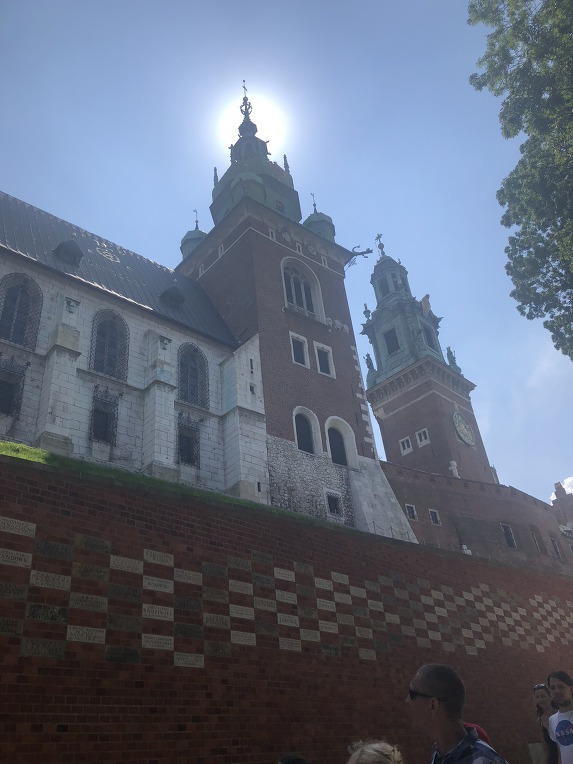
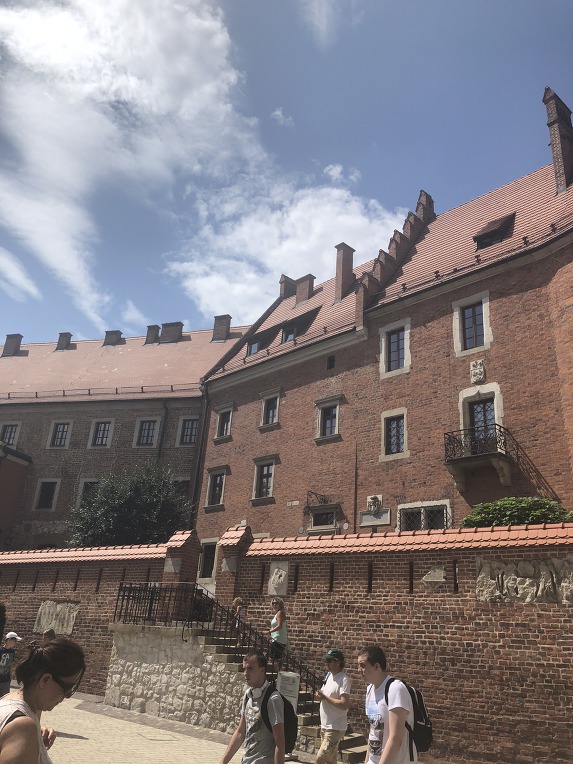
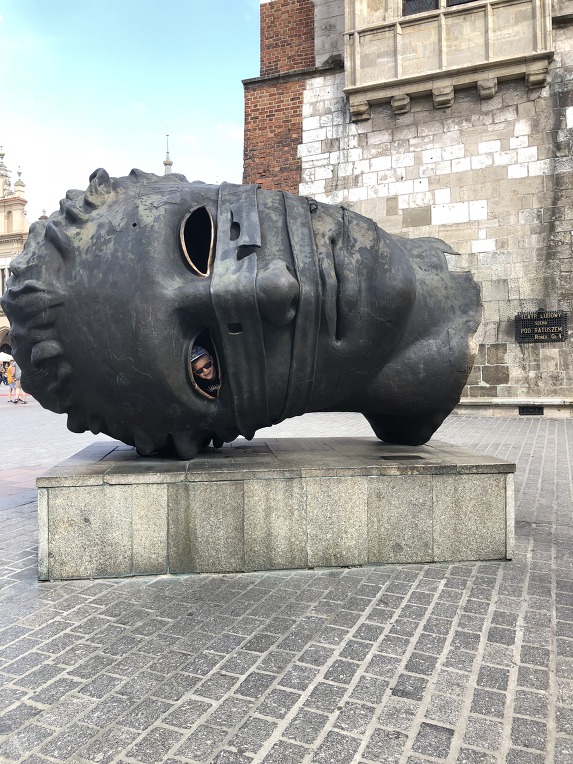
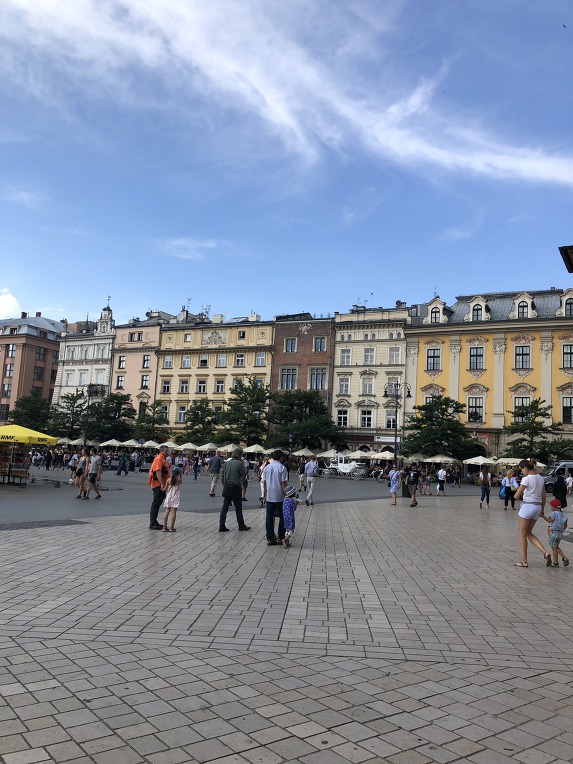
The city has grown from a Stone Age settlement to Poland's second most important city. It began as a hamlet on Wawel Hill and was already being reported as a busy trading centre of Slavonic Europe in 965. With the establishment of new universities and cultural venues at the emergence of the Second Polish Republic in 1918 and throughout the 20th century, Kraków reaffirmed its role as a major national academic and artistic centre. The city has a population of approximately 760,000, with approximately 8 million additional people living within a 100 km (62 mi) radius of its main square. After the invasion of Poland by the Nazi Regime at the start of World War II, the newly defined Distrikt Krakau (Kraków District) became the capital of Germany's General Government. The Jewish population of the city was forced into a walled zone known as the Kraków Ghetto, from which they were sent to German extermination camps such as the nearby Auschwitz never to return, and the Nazi concentration camps like Płaszów In 1978, Karol Wojtyła, archbishop of Kraków, was elevated to the papacy as Pope John Paul II — the first Slavic pope ever, and the first non-Italian pope in 455 years. Also that year, UNESCO approved the first ever sites for its new World Heritage List, including the entire Old Town in inscribing Kraków's Historic Centre Kraków is classified as a global city with the ranking of high sufficiency by GaWC. Cited as one of Europe's most beautiful cities, as well as one of the most unique destinations in the world, its extensive cultural heritage across the epochs of Gothic, Renaissance and Baroque architecture includes the Wawel Cathedral and the Royal Castle on the banks of the Vistula river, the St. Mary's Basilica, Saints Peter and Paul Church and the largest medieval market square in Europe, the Rynek Główny. Kraków is home to Jagiellonian University, one of the oldest universities in the world and traditionally Poland's most reputable institution of higher learning. In 2000, Kraków was named European Capital of Culture. In 2013 Kraków was officially approved as a UNESCO City of Literature. The city hosted the World Youth Day in July 2016
ポーランドで最も歴史ある都市の一つであり、17世紀初頭にワルシャワに遷都するまではクラクフがポーランド王国の首都であった。ポーランドの工業、文化の主要な中心地でもある。ヴィスワ川の上流に位置し、市街地はヴァヴェル城(英語版)を中心として川の両岸に広がっている。 1038年から1569年まではポーランド王国、1569年から1596年までポーランド・リトアニア共和国であった。 1794年からオーストリア帝国領となり、1846年から1918年までオーストリアのクラクフ大公国であった。 人口は766,739人で、これはワルシャワ、ウッチに続く第3の規模。
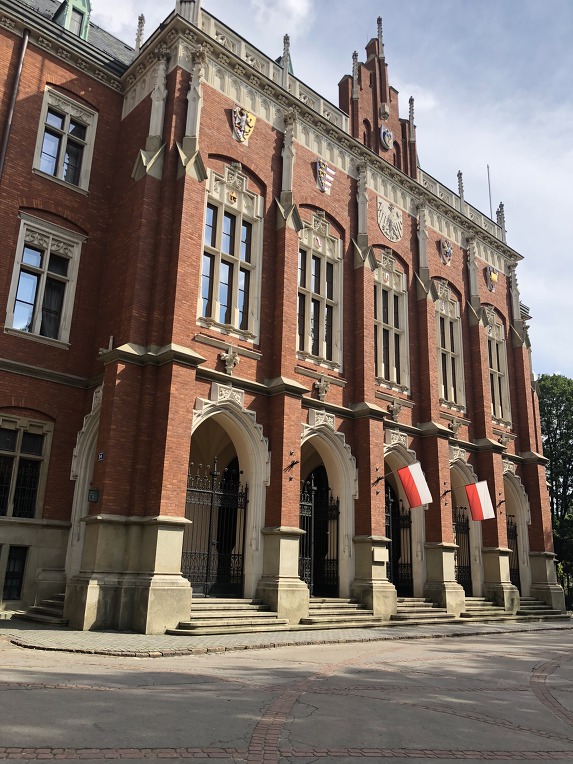
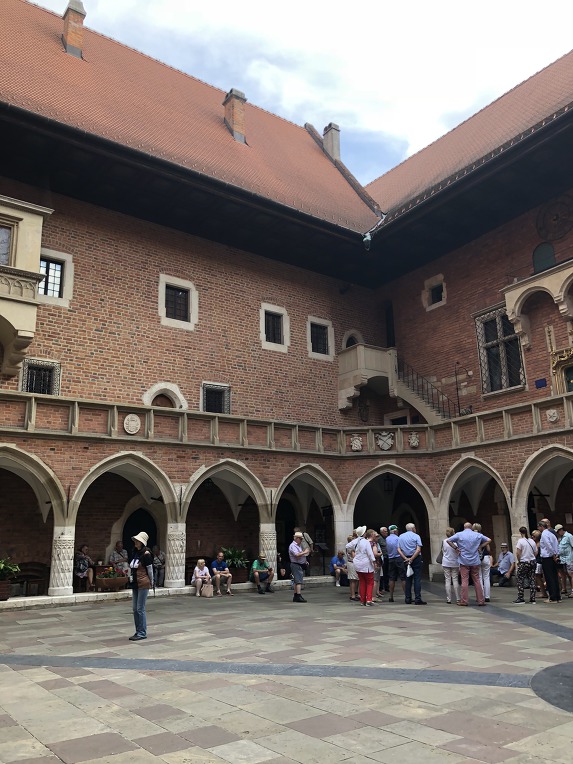
명문 크라쿠프 대학이 있으며 도시 전체가 아름다운 곳 There is a prestigious Krakow University 名門クラクフ大学があり、都市全体が美しいところ
코페르니쿠스가 공부했던 쿠라코프 대학 コペルニクスが留学したクラコフ大学 Kurakov University, where Copernicus studied
요한 바오로 2세 교황의 고향 John Paul II pope of hometown hometown ヨハネ・パウロ2世ローマ教皇の故郷 폴란드의 고풍스러운 도시 크라쿠프 Old Polish City of Krakow ポーランドの古都クラクフ
|
댓글
|
많이 본 기사
|












개인정보취급방침 ㅣ 회사소개 ㅣ 청소년보호정책 ㅣ 고충처리 ㅣ 윤리 강령 ㅣ 기사제보 ㅣ 기사검색
(주)브레이크뉴스 / 편집국 :서울시 서대문구 서소문로 55-7(옛 주소 : 서울시 서대문구 합동 21-27) 우편번호 03741
9편집국 전화 : (02)363-9546 ㅣ 팩스 : (02)363-9547 등록번호(발행일/등록일) : 서울 아00093(2003.04.19/2005.10.25)
제호 : 브레이크뉴스 / 대표이사(발행인 겸 편집인) : 문일석 /편집국장 : 문흥수
/청소년보호책임자 : 문흥수 / 사업자등록번호 : 110-81-61230 ㅣ 통신판매업신고번호 : 서대문 제485호
Copyright ⓒ 1999-2017 브레이크뉴스. All rights reserved. Contact 119@breaknews.com
