▲ 정길선 박사 ©브레이크뉴스 |
환경오염 물질 중 다이옥신에 대해서 뉴스를 통해 종종 들어보았을 것이다. 다이옥신이란 인간이 만든 물질 중 가장 위험하다고 알려진 독극물이고 주로 석탄과 석유, 담배 등을 태우거나 농약 등의 화학물질을 만드는 공장에서 발생하는데, 청산가리보다 1만 배 이상의 강한 독성을 가지고 있다. 이것이 인체에 흡수되면 반 영구적으로 축적되어 기형아 출산과 암 발생의 원인이 된다. 다이옥신이 유출되면서 발생하는 환경 재난도 종종 발생하였는데 그 중에 최악의 사건으로 불리는 것이 미국에서 있었던 타임스비치 사건으로 알려지고 있다.
타임스비치는 1925년 세인트루이스 스타타임스 신문이 메라맥 강변의 땅을 자사 신문 6개월 구독권과 함께 팔던 것에서 만들어졌다. 마을이 들어섰던 초기에는 주로 여름용 별장이 있는 휴양지 마을로 사용되었으나, 대공황에 이은 제2차 세계 대전의 여파로 인해 여름용 별장의 수요가 줄어들게 되자, 주로 저소득층 집안의 사람들이 이 마을에 거주하기 시작했으며, 미국의 66번 국도를 왕래하는 사람들을 대상으로 영업하고 있는 일부 식품업과 주유소 사업을 진행했다고 한다. 타임스비치는 매년 여름 비포장 도로의 먼지로 인해 큰 불편을 겪었다. 그래서 주민들은 이 문제를 해결하기 위해 1971년부터 수년동안 도로에 기름을 살포하기 시작했다.
본래 이 마을의 마구간이나 실내 경기장, 비포장 도로 등에서 먼지가 나는 문제를 해결하기 위해 물을 뿌렸으나 물이 금방 증발해 버리는 탓에 효과가 적었다. 그래서 물 대신 기름을 뿌려 먼지를 막았으며, 이는 대단히 효과적이였다. 그래서 이후로 마을 주민들이 기름을 가져다가 뿌렸는데, 문제는 기름을 팔던 유가 업자들이 원가를 절감하겠다고 하여 옆 마을 베로나의 NEPACCO 농약 공장에서 나온 폐유를 가져다 사용했으며 먼지를 날리지 않게 하려는 의도는 좋았지만, 이 때 폐유 속에 들어있던 다이옥신이 도로에 함께 뿌려졌다. 이러한 다이옥신은 다시 토양과 대기, 하천으로 들어가 생태계에 영향을 미치게 된다.
기름을 뿌린 이후 하늘을 날던 수십 마리의 참새가 떨어져 죽었고, 개와 고양이 등의 애완동물도 죽어갔다. 주민들은 별다른 이유 없이 몸에 통증을 느끼거나 폐암에 걸리고, 임산부들은 유산을 하였으며, 신장암, 후두암, 간질환 환자들이 많이 발생했다. 먼지를 줄이려는 기름 살포는 도로 뿐만이 아니라 목장에서도 이루어져서 1971년 5월, 인근의 모스코바빌이라는 마을의 목장에서도 기름이 뿌려졌는데, 그 후 60마리의 말이 죽고, 목장주인의 딸들이 심한 통증을 겪는 일이 벌어졌다. 인근 제퍼슨 시의 목장에서도 유사한 사건이 발생했으며, 결국 미국 질병통제예방센터(CDC)에서 조사가 이루어졌다. 타임스비치나 미주리 주의 여러 목장들에서 의문의 질병이 나타난 원인은 바로 폐유에 있었다.
이 폐유 속에 유독물질인 다이옥신이 다량으로 함유되었던 것이다. 이 폐유들은 러셀 블리스라는 사람이 운영하는 업체를 통해 뿌려진 것으로 그는 미주리 주의 한 제약 회사와 계약하여 산업 폐기물 처분을 의뢰받고, 여기에서 나온 물질을 폐유에 섞어서 뿌린거였다. 미주리 주의 목장에서 발생한 질병에 대해 조사 과정에서 타임스비치 역시 폐유 속 다이옥신에 의해 오염이 된 사실이 드러났으나, 당시에는 다이옥신의 위험성이 규명되기 전이었기 때문에 이에 대해 별다른 규제도 없었고, 시간이 지나면 자연 분해될 것으로 생각했다. 하지만 다이옥신은 자연에서 분해되지 않고 오래 잔류하며, 맹독성 역시 유지되는 물질이다.
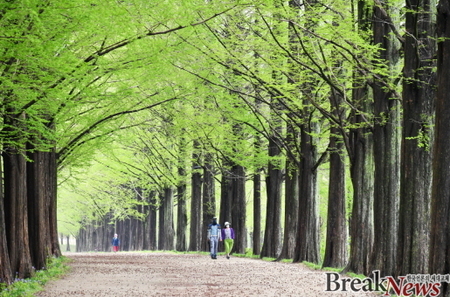
결국 1983년에 미국 연방 환경청은 3,670만 달러를 들여 이 지역의 2만 2천여 주민을 모두 다른 곳으로 이주시켰고, 마을은 통행을 금지시켰다. 다이옥신에 대해 잘 모르던 시대에 비용을 줄이려던 업자의 행태가 엄청난 파급효과를 가져온 것이다. 해당 지역은 1999년까지 정화작업을 진행하였고, 그 이후 지금은 주립공원이 되었다. 공원 가운데는 피크닉 지역도 갖추고 있고 2012년에 환경보호청 EPA에서 점검하여 방문자나 공원 관리자의 건강을 위협할 요소가 없다고 밝히게 되면서 새롭게 재탄생 되고 있다.
*필자/ 정길선.
노바토포스 회원, 역사학자, 고고인류학자, 칼럼니스트, 러시아 과학아카데미 유라시아 고고인류학연구소 연구교수.
*아래는 위 기사를 '구글 번역'으로 번역한 영문 기사의 [전문]입니다. '구글번역'은 이해도 높이기를 위해 노력하고 있습니다. 영문 번역에 오류가 있을 수 있음을 전제로 합니다.<*The following is [the full text] of the English article translated by 'Google Translate'. 'Google Translate' is working hard to improve understanding. It is assumed that there may be errors in the English translation.>
The Worst Dioxin Pollution Incident in the U.S., the Times Beach Incident
Columnist Gil-seon Jeong
You may have often heard about dioxin, an environmental pollutant, on the news. Dioxin is a poison known to be the most dangerous among man-made substances, and is mainly produced in factories that burn coal, oil, and cigarettes, or produce chemicals such as pesticides. It is 10,000 times more toxic than cyanide. When absorbed into the human body, it accumulates semi-permanently, causing birth defects and cancer. Environmental disasters caused by dioxin leaks have also occurred frequently, and the worst of these incidents is known to be the Times Beach Incident in the U.S.
Times Beach was created in 1925 when the St. Louis Star-Times newspaper sold land along the Meramack River along with a six-month subscription to its newspaper. In the early days of the town, it was mainly used as a resort town with summer cottages, but as the Great Depression and World War II led to a decrease in the demand for summer cottages, mainly low-income families began to reside in the town, and some food and gas station businesses were said to have been run targeting travelers on Route 66. Times Beach suffered greatly from the dust on the unpaved roads every summer. So, to solve this problem, the residents began to spray oil on the roads for several years starting in 1971.
Originally, water was sprayed to solve the dust problem in the town's stables, indoor stadiums, and unpaved roads, but the water evaporated quickly, so it was not very effective. So instead of water, oil was sprayed to block the dust, and this was very effective. So after that, the villagers brought oil and sprayed it, but the problem was that the oil sellers brought waste oil from the NEPACCO pesticide factory in the neighboring town of Verona to reduce the cost, and although the intention to prevent dust was good, the dioxin contained in the waste oil was sprayed on the road. This dioxin then entered the soil, air, and rivers, affecting the ecosystem.
After the oil was sprayed, dozens of sparrows fell and died while flying in the sky, and pets such as dogs and cats also died. Residents felt pain in their bodies or developed lung cancer for no apparent reason, pregnant women had miscarriages, and many patients with kidney cancer, laryngeal cancer, and liver disease occurred. Oil spraying to reduce dust was also done not only on the road but also on ranches. In May 1971, oil was sprayed on a ranch in a nearby town called Moscovaville, and after that, 60 horses died and the ranch owner's daughters suffered severe pain. A similar incident occurred at a ranch in nearby Jefferson City, which eventually led to an investigation by the Centers for Disease Control and Prevention (CDC). The cause of the mysterious illnesses at Times Beach and other ranches in Missouri was the waste oil.
The waste oil contained large amounts of the toxic substance dioxin. The waste oil was sprayed by a company run by a man named Russell Bliss, who had contracted with a Missouri pharmaceutical company to dispose of industrial waste, and mixed the substance with the waste oil and sprayed it. During the investigation into the illnesses at the Missouri ranch, it was revealed that Times Beach was also contaminated with dioxin in the waste oil. However, since the dangers of dioxin had not yet been identified, there were no specific regulations regarding it, and it was thought that it would naturally decompose over time. However, dioxin is a substance that does not decompose in nature, remains for a long time, and is highly toxic.
Eventually, in 1983, the U.S. Environmental Protection Agency spent $36.7 million to relocate all 22,000 residents of the area and closed the town to traffic. In an era when people didn’t know much about dioxin, the contractor’s actions to cut costs had a huge ripple effect. The area was cleaned up until 1999, and is now a state park. The park features a picnic area and was reborn in 2012 after the EPA inspected it and found no health risks to visitors or park staff.