국가 경쟁력을 높이기 위해선 전력 사용량이 큰 반도체 클러스터 조성, AI 및 데이터 산업 육성 등을 위해 전력망 확충이 무엇보다 중요해졌다. 하지만 중앙집중식 전력망도 중요하지만 분산형 전력망 확충은 시대적 요청으로 언제쯤 가능할까?
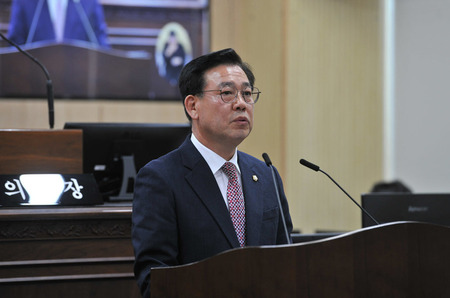
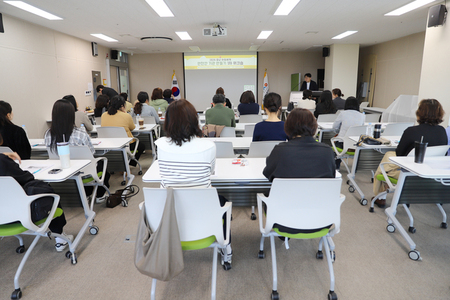
 ▲ 안호영 의원은 “전력망 특별법은 탄소중립과 안정적인 전력 공급을 위해 중요한 법안이기 때문에 시급히 처리해야 하지만 지역 주민들의 의견을 수렴 절차가 생략되면 밀양 송전탑 갈등과 같은 사회적 문제가 발생할 수 있기 때문에 법안 심사 과정에서 신중하게 검토해야 한다.”고 강조했다. (사진, 안호영 의원실 제공) © 김충열 정치전문기자 |
전력망 건설사업 인허가 절차를 대폭 개선한 가칭 ‘전력망 특별법’이 송전선로가 지나는 지역 주민들의 반대에 난항을 겪고 있는 가운데, 국가와 주민이 상생·협력하는 방안이 새롭게 제시되었다.
국회 환경노동위원장인 안호영 의원(민주당/전북 완주·진안·무주 3선)은 전력망 계획 수립부터 건설 운영까지 최소 수년에서 수십 년, 사업비는 수천억에서 수조원이 드는 국가사업은 정부가 사업 주체가 되어야 하고, 계획 수립 단계부터 주민들의 의견을 수렴하는 절차를 마련하는 등 주민 수용성을 확보하는 내용을 골자로 한「국가기간 전력망 확충 특별법」을 대표발의했다.
현재 전력 사용량이 큰 반도체 클러스터 조성, AI 및 데이터 산업 육성 등을 위해 전력망 구축 절차를 간소화하는 내용을 골자로 한 ‘전력망 특별법’이 민주당 주도로 속도를 내고 있다.
수도권에 전기를 공급하기 위해서는 장거리 송전선로의 확충이 필요하고, 이러한 송전선로 건설이 전북, 전남 등에 밀집되어 있어 지역 주민의 재산권, 환경권 등의 피해가 심각한 실정이다.
이에 안호영 의원은 전북지역 주민을 비롯한 환경단체들과 여러 차례 간담회를 통해 지금까지 발의되어 있는 ‘전력망 특별법’을 면밀히 검토하고, 주민들의 의견을 반영한 ‘주민 참여형 전력망 특별법’을 대표발의한 것이다.
안의원이 대표발의한 특별법안은 △ 사업계획의 주체를 정부(산업통상자원부)로 함. △ 주민 수용성 확보를 위해 계획 수립 단계부터 지자체와 주민의 참여 보장하고 관련 정보 공유 △ 지자체에 대한 지원방안 규정 등의 내용이 담겨있다.
전력망 건설 계획단계부터 주민들의 의견을 반영할 수 있는 절차 마련 등 주민 수용성 강화
안 의원은 “전력망 특별법은 탄소중립과 안정적인 전력 공급을 위해 중요한 법안이기 때문에 시급히 처리해야 하지만 지역 주민들의 의견을 수렴 절차가 생략되면 밀양 송전탑 갈등과 같은 사회적 문제가 발생할 수 있기 때문에 법안 심사 과정에서 신중하게 검토해야 한다.”고 강조했다.
또한 안 의원은 ‘전력망 특별법이 공표된 이후에도 지속적으로 주민들과의 의견을 교환하며 주민들의 피해를 최소화할 수 있는 방안을 마련하겠다’고 밝혔다.
안호영 의원이 대표발의한「국가기간 전력망 확충 특별법」은 안 의원을 포함한 전북 국회의원 10명 전원이 공동발의 하였다. hpf21@naver.com
* 아래는 위 기사를 '구글 번역'으로 번역한 영문 기사의 [전문]입니다. '구글번역'은 이해도 높이기를 위해 노력하고 있습니다. 영문 번역에 오류가 있을 수 있음을 전제로 합니다.
*The following is [the full text] of the English article translated by 'Google Translate'. 'Google Translate' is working hard to improve understanding. It is assumed that there may be errors in the English translation.
Rep. Ahn Ho-young proposes “Special Act on Expansion of National Power Grid”
Strengthens accountability by defining the national power grid project entity as the government (Ministry of Trade, Industry and Energy) rather than the business operator
In order to enhance national competitiveness, power grid expansion has become more important than ever to create a semiconductor cluster with high power consumption and foster AI and data industries. However, while centralized power grids are important, when will decentralized power grid expansion become possible as a demand of the times?
While the so-called “Special Act on Power Grids,” which drastically improves the permitting procedures for power grid construction projects, is facing difficulties due to opposition from residents in areas where power transmission lines pass, a new plan for the state and residents to coexist and cooperate has been proposed.
On Friday, the Democratic Party of Korea’s Ahn Ho-young (Chairman of the National Assembly Environment and Labor Committee/3rd term for Wanju, Jinan, and Muju, North Jeolla Province) proposed the “Special Act on the Expansion of National Power Grids,” which aims to secure public acceptance by establishing procedures for collecting opinions from residents from the planning stage and for national projects that take at least several years to several decades and cost hundreds of billions to trillions of won from the establishment of a power grid plan to its construction and operation.
The “Special Act on the Expansion of Power Grids,” which aims to simplify power grid construction procedures for the creation of semiconductor clusters with high power consumption and the fostering of AI and data industries, is gaining speed under the leadership of the Democratic Party.
In order to supply electricity to the metropolitan area, it is necessary to expand long-distance transmission lines, and since the construction of these transmission lines is concentrated in North Jeolla Province and South Jeolla Province, the damage to the property rights and environmental rights of local residents is serious.
Accordingly, Assemblyman Ahn Ho-young closely reviewed the ‘Power Grid Special Act’ proposed so far through several meetings with residents of the Jeonbuk region and environmental groups, and proposed the ‘Resident Participation Power Grid Special Act’ that reflects the opinions of residents.
The special bill proposed by Assemblyman Ahn includes the following: △ Making the government (Ministry of Trade, Industry and Energy) the subject of the business plan; △ Ensuring the participation of local governments and residents from the planning stage to secure resident acceptance and sharing related information; △ Provisions on support measures for local governments, etc.
Strengthening resident acceptance by establishing procedures to reflect residents’ opinions from the power grid construction planning stage
Assemblyman Ahn emphasized, “The Power Grid Special Act is an important bill for carbon neutrality and stable power supply, so it must be dealt with urgently. However, if the procedure for collecting opinions from local residents is omitted, social problems such as the conflict over the Miryang transmission tower may arise, so it must be carefully reviewed during the bill review process.”
In addition, Rep. Ahn stated, “Even after the announcement of the Special Act on Power Grids, we will continue to exchange opinions with residents and devise measures to minimize damage to residents.”
The “Special Act on the Expansion of National Power Grids,” proposed by Rep. Ahn Ho-young, was jointly proposed by all 10 members of the National Assembly from Jeollabuk-do, including Rep. Ahn. hpf21@naver.com