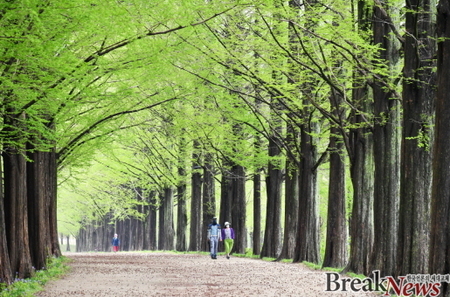
▲ 이어령 초대 문화부장관 3주기 추모식에서 이어령 박사의 시 메멘토 모리(Memento mori)를 낭송하는 연극인 박정자 © 이일영 칼럼니스트 |
지난 2월26일 국립중앙도서관 국제회의실에서 열린 이어령 초대 문화부장관 3주기 추모식을 다녀왔다. 시대의 지성 박사님의 궤적을 되새긴 추모식은 유인촌 문화체육관광부 장관과 이화여대 총장을 지내신 이배용 국가교육위원회 위원장에 이어 이근배 전 대한민국예술원 회장이 추모사를 하였다.
김주연 문학평론가의 평론에 이어 성악가 최현수와 가객 장사익의 추모 공연 속에 연극인 박정자 배우가 낭송한 이어령 박사님의 시 '메멘토 모리(Memento mori)'의 깊은 울림이 가슴을 걸어왔다.
메멘토 모리는 라틴어로 “죽음을 기억하라”는 뜻임은 잘 알려져 있다. 고대 그리스에서 술과 축제의 신 디오니소스를 찬양하는 송가 트리암보스(θρίαμβος)에서 유래하였다. 이후 로마 시대 초기 어느 장군의 개선 행진에서 깊은 지혜를 품었던 노예가 연신 겸허한 처신의 소중함을 의미하는 속삭임을 전하였다. 이러한 유래를 바탕으로 인간은 누구나 죽음을 맞이하게 된다는 불변의 진리가 품은 겸손과 성찰의 의미로 정착한 격언이 '메멘토 모리(Memento mori)'다.
이어령 박사는 어린 시절 시골에서 굴렁쇠를 굴리다 깊은 정적 속에 이유 없이 흐르던 눈물을 평생의 화두로 품었다. 이러한 바탕에서 쓰여진 시가 2008년 문학세계사에서 출판한 첫 시집 ‘무신론자의 기도’에 수록된 시 메멘토 모리(Memento mori)다.
시: 메멘토 모리
"목숨은 태어날 때부터 죽음의 기저귀를 차고 나온다. / 아무리 부드러운 포대기로 감싸도 / 수의의 까칠한 촉감은 감출 수가 없어 / 잠투정을 하는 아이의 이유를 아는가 / 한밤에 눈을 뜨면 어머니 숨소리를 엿듣던 / 긴 겨울밤 / 어머니 손 움켜잡던 내 작은 다섯 손가락
애들은 미꾸라지 잡으러 냇가로 가고 / 애들은 새 둥지 따러 산으로 가고 / 나 혼자 굴렁쇠를 굴리던 보리밭길 / 여섯 살배기 아이의 뺨에 무슨 연유로 눈물이 흘렀는가 / 너무 대낮이 눈부셨는가 / 너무 조용해 귀가 멍멍했는가
굴렁쇠를 굴리다 흐르던 눈물 / 무엇을 보았는가 / 메멘토 모리 / 훗날에야 알았네 / 메멘토 모리(Memento mori) (시 전문) " 이어령 초대 문화부장관 3주기 추모식 시-메멘토 모리 연극인 박정자 낭송 유튜브 링크. https://youtu.be/DjzgSBLf28E?si=8mP5eKn2fbIk65XC
지난 1988년 세계가 지켜본 서울올림픽 개회식에서 7살 소년의 굴렁쇠가 등장하여 세계에 깊은 울림을 전한 내용의 바탕이다. 이와 함께 고대의 역사를 품은 깊은 사유의 격언 메멘토 모리가 널리 알려진 과정에는 많은 이야기가 있다.
먼저 대한민국 기업사에서 뛰어난 통찰력으로 세계적 기업 삼성가를 일구어낸 창업주 이병철(1910~1987) 회장 이야기를 살펴야 한다. 이 회장은 암 투병 중이던 1987년 10월 한국 천주교회의 지성이었던 정의채(바오로, 1925~2023) 몬시뇰에게 종교와 신과 죽음에 대한 스물네 가지를 질문하였다.
정의채 몬시뇰은 사제품(司祭品) 후 보좌 신부로 사목하다 로마 교황청 우르바노대학에 유학하여 철학 석·박사학위를 취득했다. 이후 가톨릭대학에서 후학 양성에 헌신하였다. 현실 존재의 실상을 깊은 통찰로 헤아린 저서 ‘형이상학’에서부터 다수의 저술과 번역서를 남겼다. 2005년 주교품을 받지 않은 가톨릭 고위 성직자에게 교황이 부여하는 영예로운 경칭 몬시뇰(monsignor) 칭호를 받았다.
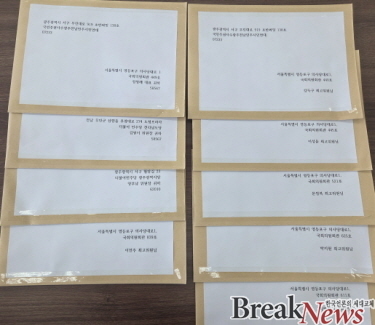
가톨릭대 교수로 재직하던 정의채 몬시뇰은 1987년 10월 어느 날 이병철 회장의 24가지 질문을 비서실에서 필사한 질문지로 절두산 성당 박희봉 신부를 통하여 전해 받았다. 질문에 답변을 준비하고 만남의 일정을 조율하던 중 다음 달 11월 19일 이 회장이 타계하면서 주인을 잃은 소중한 물음과 답변은 봉인되었다.
32년의 세월이 흐른 후 였다. 이어령 박사는 2019년 1월 7일 중앙일보와의 신년 인터뷰에서 자신의 암 투병 사실을 밝혔다. 이후 월간조선 기자가 인터뷰에서 시대를 관통한 이병철 회장과 정의채 몬시뇰의 소중한 물음과 답변을 언급하였다. 나아가 죽음의 그림자와 싸우고 있는 박사님의 입장에서 신부님과는 다른 관점의 답변이 가지는 소중한 의미를 앞세워 요청하였다.
이어령 박사는 말하였다. “당시 기자의 질문에 주저하지 않고 답변을 허락한 것은 자신의 첫 시집에 발표한 시 메멘토 모리(Memento mori)의 바탕인 유년에 까닭 모르게 흘렀던 정적의 눈물이 존재한 까닭이었다고” 시대의 지성 이어령 박사가 남긴 답변은 2022년 열림원에서 출판한 유작 저서 ‘메멘토 모리’ (이병철 회장의 24가지 질문에 답하다)에 상세하게 전해지고 있다.
 ▲ 이병철 회장의 24가지 질문 비서실 작성 필사본 © 이일영 칼럼니스트 |
참고로 삼성가 창업주 이병철 회장이 남긴 24가지의 소중한 질문 내용은 다음과 같다.
01-신의 존재를 어떻게 증명할 수 있는가? 신은 왜 자신의 존재를 똑똑히 드러내지 않는가? / 02-신은 우주 만물의 창조주라는데 무엇으로 증명할 수 있는가? / 03-생물학자들은 인간도 오랜 진화 과정의 산물이라고 하는데. 신의 인간 창조와 어떻게 다른가? 인간도 생물도 모두 진화의 산물 아닌가? / 04-언젠가 생명의 합성, 무병장수의 시대도 가능할 것 같다. 이처럼 과학이 끝없이 발달하면 신의 존재도 부인되는 것이 아닌가? / 05-신은 인간을 사랑했다면, 왜 고통과 불행과 죽음을 주었는가? / 06-신은 왜 히틀러나 스탈린 그리고 갖은 흉악범 같은 악한 사람을 만들었는가? / 07-예수님은 우리의 죄를 대신 속죄하기 위해 죽었다는데 우리의 죄란 무엇인가? / 08-성경은 어떻게 만들어졌으며 하느님의 말씀이라는 것을 어떻게 증명할 수 있나?/ 9-종교란 무엇인가? 왜 인간에게 필요한가? / 10-영혼이란 무엇인가? / 11-종교의 종류와 특징은 무엇인가? / 12-천주교를 믿지 않고는 천국에 갈 수 없는가? 무종교인, 무신론자, 타종교인들 중에도 착한 사람이 많은데, 이들은 죽어서 어디로 가는가? / 13-종교의 목적은 모두 착하게 사는 것인데 왜 천주교만 제일이고, 다른 종교는 이단시하나? / 14-인간이 죽은 후에 영혼은 죽지 않고, 천국이나 지옥으로 간다는 것을 어떻게 믿을 수 있나? / 15-신앙이 없어도 부귀를 누리고, 악인 중에도 부귀와 안락을 누리는 사람이 많은데, 신의 교훈은 무엇인가? / 16-성경에 부자가 천국에 가는 것을 낙타가 바늘 구명에 들어가는 것에 비유했는데, 부자는 악인이란 말인가? / 17-이탈리아 같은 나라는 국민의 99%가 천주교도인데 사회 혼란과 범죄가 왜 그리 많으며 세계의 모범국이 되지 못하는가? / 18-일부 신앙인은 때때로 광인처럼 되는데, 이것은 공산당원이 공산주의에 미치는 것과 어떻게 다른가? / 19-천주교와 공산주의는 상극이라고 하는데, 폴란드 등 동유럽 여러 나라와 니카라과처럼 천주교도가 많은 나라는 어떻게 공산국가가 되었나? / 20-우리나라는 두 집 건너 교회가 있고, 신자도 많은데 사회 범죄와 시련이 왜 그리 많은가? / 21-로마 교황의 결정엔 잘못이 없다는데, 그도 인간인데 어떻게 그런 독선이 가능한가? / 22-신부와 수녀는 어떤 사람인가? 또한, 왜 독신인가? / 23-천주교의 어떤 단체는 기업주를 착취자로, 노동자를 착취당하는 자로 단정하여 기업의 분열과 파괴를 조장하는데 자본주의 체제와 미덕을 부인하는 것인가? / 24-지구의 종말은 오는가?
죽음을 앞둔 극한의 상황에서 이와 같은 질문을 남긴 고 이병철 회장의 깊은 사유의 정신과 인간적인 면모에 옷깃을 여미게 된다. 이는 시대를 관통한 대 기업인으로 평가되는 사실을 넘어 일생의 철학과 행보에 대한 많은 연구가 있어야 할 것이다.
오랜 경륜의 진정한 배우 박정자 연극인이 낭송한 메멘토 모리의 깊은 울림이 가슴에 있다. artwww@naver.com
필자: 이일영
한국미술센터 관장. 칼럼니스트. 시인.
*아래는 위 기사를 '구글 번역'으로 번역한 영문 기사의 [전문]입니다. '구글번역'은 이해도 높이기를 위해 노력하고 있습니다. 영문 번역에 오류가 있을 수 있음을 전제로 합니다.<*The following is [the full text] of the English article translated by 'Google Translate'. 'Google Translate' is working hard to improve understanding. It is assumed that there may be errors in the English translation.>
The 3rd anniversary of the death of Minister of Culture, Sports and Tourism Lee Eo-ryeong... The narrative of Memento Mori
- Lee Il-young Columnist
I attended the 3rd anniversary memorial service for the first Minister of Culture, Sports and Tourism Lee Eo-ryeong held at the International Conference Room of the National Library of Korea on February 26. The memorial service, which reflected on the trajectory of the intellectual Dr. Lee Eo-ryeong of the times, was followed by the eulogy by Minister of Culture, Sports and Tourism Yoo In-chon and former President of Ewha Womans University and Chairman of the National Education Commission Lee Bae-yong, followed by the eulogy by former President of the National Academy of Arts of the Republic of Korea Lee Geun-bae.
Following the literary critic Kim Ju-yeon’s critique, the deep resonance of Dr. Lee Eo-ryeong’s poem “Memento mori” recited by actor Park Jeong-ja during a memorial performance by vocalist Choi Hyun-soo and guest Jang Sa-ik touched my heart.
It is well known that “Memento mori” means “remember death” in Latin. It originated from the ancient Greek hymn Triambos (θρίαμβος) praising Dionysus, the god of wine and festivals. Later, during a general’s triumphal procession in the early Roman era, a slave who possessed deep wisdom repeatedly whispered to him the importance of humble conduct. Based on this origin, “Memento mori” became a maxim that was established as a meaning of humility and reflection that contained the immutable truth that all humans will face death.
Dr. Lee Eo-ryeong took the tears that flowed without reason in the deep silence while rolling a hoop in the countryside as a childhood and held them as a lifelong theme. The poem written on this basis is Memento Mori, which was included in the first poetry collection, ‘Atheist’s Prayer’, published by Munhaksegyesa in 2008. Poem: Memento Mori
"Life comes out wearing the diaper of death from the moment it is born. / No matter how soft the swaddle is, / The rough texture of the shroud cannot be hidden. / Do you know the reason why the child is sleeping? / When I opened my eyes in the middle of the night, I eavesdropped on my mother's breathing / On long winter nights / My five small fingers held my mother's hand.
The children went to the stream to catch loaches / The children went to the mountain to dig a bird's nest / On the barley field road where I rolled the hoop alone / Why did tears flow down the cheeks of a six-year-old child? / Was the daytime too dazzling? / Was it so quiet that my ears were deaf?
The tears that flowed while rolling the hoop / What did you see? / Memento Mori / I only found out later / Memento Mori (Full poem) " Lee Eo-ryeong, the first Minister of Culture, 3rd anniversary memorial service Poem - Memento Mori Theater person Park Jeong-ja's recitation YouTube link. https://youtu.be/DjzgSBLf28E?si=8mP5eKn2fbIk65XC
This is the basis of the story of the 7-year-old boy's hoop appearing at the opening ceremony of the Seoul Olympics in 1988, which resonated deeply around the world. In addition, there are many stories about the process by which the ancient history-filled proverb Memento Mori, which contains deep thoughts, became widely known.
First, we should look at the story of Chairman Lee Byung-chul (1910-1987), the founder of Samsung, a global company with outstanding insight in the history of Korean companies. In October 1987, while battling cancer, Chairman Lee asked Monsignor Jeong Ui-chae (Paul, 1925-2023), an intellectual of the Catholic Church in Korea, twenty-four questions about religion, God, and death.
After being ordained as a priest, Monsignor Jeong Ui-chae served as an assistant priest and then studied abroad at the Pontifical Urbaniana University in Rome, where he earned his master’s and doctoral degrees in philosophy. He then devoted himself to nurturing future generations at Catholic University. He left behind numerous works and translations, including his book “Metaphysics,” which deeply explores the reality of real existence. In 2005, he received the title of monsignor, an honorary title given by the Pope to high-ranking Catholic clergy who have not been ordained as bishops.
Monsignor Jeong Ui-chae, who was working as a professor at Catholic University, received 24 questions from Chairman Lee Byung-chul on a questionnaire he had copied in his secretary’s office one day in October 1987 through Father Park Hee-bong of Jeoldusan Church. While preparing answers to the questions and coordinating the schedule for the meeting, the precious questions and answers were sealed when Chairman Lee passed away on November 19 of the following month.
It was 32 years later. Dr. Lee Eo-ryeong revealed his cancer battle in a New Year’s interview with JoongAng Ilbo on January 7, 2019. Afterwards, a reporter from Monthly Chosun mentioned the valuable questions and answers of Chairman Lee Byung-chul and Monsignor Jeong Ui-chae, who had transcended the times, in the interview. Furthermore, the reporter asked for the valuable meaning of answers from a different perspective from the priest’s, from the perspective of the doctor who was fighting the shadow of death.
Dr. Lee Eo-ryeong said, “The reason I allowed the reporter’s questions without hesitation at the time was because of the tears of silence that I had shed in my childhood, which were the basis of the poem Memento Mori published in my first poetry collection.” The answers left by Dr. Lee Eo-ryeong, an intellectual of the times, are described in detail in his posthumous book, Memento Mori (Answering 24 Questions of Chairman Lee Byung-chul), published by Yeollimwon in 2022.
▲ 24 Questions of Chairman Lee Byung-chul, handwritten by the secretary's office © Columnist Lee Il-young
For reference, the contents of the 24 valuable questions left by Chairman Lee Byung-chul, the founder of Samsung, are as follows:
01- How can we prove the existence of God? Why doesn't God clearly reveal his existence? / 02- They say God is the creator of all things in the universe, but how can we prove it? / 03- Biologists say that humans are also the product of a long evolutionary process. How is this different from God's creation of humans? Aren't humans and all living things the product of evolution? / 04- It seems that someday the synthesis of life and the era of longevity without illness will be possible. If science continues to develop like this, won't the existence of God be denied? / 05- If God loved humans, why did he give them pain, misfortune, and death? / 06- Why did God create evil people like Hitler, Stalin, and all kinds of vicious criminals? / 07-Jesus died to atone for our sins, but what are our sins? / 08-How was the Bible created, and how can we prove that it is the word of God? / 9-What is religion? Why does man need it? / 10-What is the soul? / 11-What are the types and characteristics of religions? / 12-Can one not go to heaven without believing in Catholicism? There are many good people among non-religious people, atheists, and followers of other religions. Where do they go after they die? / 13-The purpose of all religions is to live a good life, so why is Catholicism the best and other religions considered heretical? / 14-How can we believe that the soul of a human being does not die after death, but goes to heaven or hell? / 15-There are many people who enjoy wealth and honor even without religion, and many wicked people enjoy wealth and comfort. What is God's teaching? / 16- The Bible compares a rich man going to heaven to a camel going through a hole in the ground. Does that mean that rich people are evil? / 17- In a country like Italy, where 99% of the population is Catholic, why is there so much social chaos and crime and why can’t the country become a role model for the world? / 18- Some believers sometimes go crazy. How is this different from the effect that communists have on communism? / 19- Catholicism and communism are said to be polar opposites, but how did countries with many Catholics, such as Poland and many Eastern European countries and Nicaragua, become communist countries? / 20- In our country, there is a church every other house and many believers, so why are there so many social crimes and hardships? / 21- They say the Pope of Rome’s decisions are not wrong, but how is such self-righteousness possible when he is also human? / 22- What kind of people are priests and nuns? Also, why are they celibate? / 23-Some Catholic groups categorize business owners as exploiters and workers as exploited, and promote division and destruction of businesses. Is this denying the capitalist system and virtue? / 24-Is the end of the world coming?
The deep contemplative spirit and humane aspect of the late Chairman Lee Byung-chul, who asked such questions in an extreme situation facing death, makes us close our collars. This goes beyond the fact that he is evaluated as a great businessman who transcended the times, and there should be much research on his life’s philosophy and actions.
The deep resonance of Memento Mori recited by Park Jeong-ja, a true actor with many years of experience, resonates in our hearts. artwww@naver.com
Author: Lee Il-young
Director of the Korean Art Center. Columnist. Poet