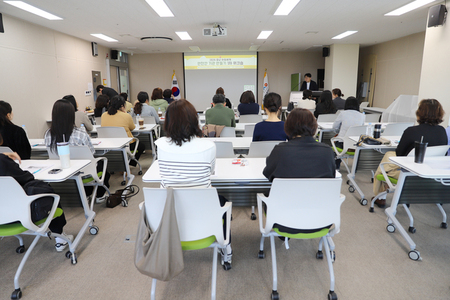
경제정의실천시민연합(경실련)은 제21대 대통령선거를 앞두고 후보들의 공약화 실태를 점검하고 있다. 지난주 더불어민주당 이재명 후보의 공약을 평가하며 개혁의 실종과 우클릭 경향을 지적한 데 이어, 19일, 경실련 강당에서 국민의힘 김문수 후보 공약을 비교·평가했다.
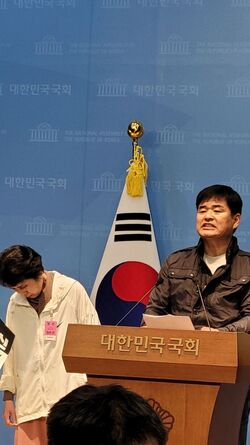
 ▲ 경실련은 ”김문수 후보는 전체적으로 시장 자율과 민간 중심 접근을 강조하며, 공약 전반에서 권위주의적 통치 구조의 회귀 조짐도 보인다.“며, ”대통령 권한 분산, 국회 견제력 강화, 헌법기관 독립성 보장 등 구조적 권력개혁 과제를 전혀 제시하지 않았다. 오히려 감사관 파견제 도입, 공수처 폐지, 사법방해죄 신설, 간첩죄 적용범위 확대, 대공수사권 국정원 환원 등 권위주의적 통치 질서로의 회귀를 우려하게 하는 공약들을 제시하고 있다.”고 비판했다. (사진, 경실련 제공) © 김충열 정치전문기자 |
이번 대선은 비상계엄과 대통령 탄핵이라는 전례 없는 상황에서 치러지는 조기 대선으로, 단순한 정권 교체가 아니라 헌정질서 복원과 구조개혁의 기회가 되어야 한다. 그러나 두 후보 모두 핵심 개혁과제에 대한 인식과 대안 제시가 부재하거나 미흡한 상황이며, 일부 공약에서는 오히려 과거 회귀적 통치기조가 드러나고 있다.
경실련은 ”김문수 후보는 전체적으로 시장 자율과 민간 중심 접근을 강조하며, 공약 전반에서 권위주의적 통치 구조의 회귀 조짐도 보인다.“며, ”대통령 권한 분산, 국회 견제력 강화, 헌법기관 독립성 보장 등 구조적 권력개혁 과제를 전혀 제시하지 않았다. 오히려 감사관 파견제 도입, 공수처 폐지, 사법방해죄 신설, 간첩죄 적용범위 확대, 대공수사권 국정원 환원 등 권위주의적 통치 질서로의 회귀를 우려하게 하는 공약들을 제시하고 있다.”고 비판했다.
이들 공약은 “‘부패 척결’, ‘안보 강화’ 등을 명분으로 하지만, 감사원 권한 확대나 고위공직자 수사기구 폐지, 수사권력 재집중, 표현의 자유 위축, 정치적 남용 가능성 등을 동반함으로써 헌정기관의 독립성과 시민의 기본권을 약화시킬 위험이 크다”고 평가했다. 권력기관에 대한 민주적 통제를 약화시키는 결과로 이어질 수 있어 재검토가 필요하다고 분석헀다.
한편, 김문수 후보는 “선거제도의 대표성과 비례성 강화를 위한 개혁 공약은 전혀 제시하지 않은 반면, 선거관리위원회(선관위)에 대한 감사 허용, 사전투표제 폐지 등 선거 제도에 대한 통제와 제한 중심의 공약을 제시하고 있다. 특히 선관위 감사 허용 공약은 윤석열 정부 시기 제기된 ‘부정선거설’에 기반한 것으로, 제도적 근거가 부족한 주장에 입각하고 있다“고 분석했다.
겅실련은 ”독립 헌법기관에 대한 행정부 감사는 헌법 정신에 반하는 조치로 평가된다. 사전투표 폐지 및 본 투표 이틀제 전환은 유권자의 투표 접근성을 저해하고, 선거 신뢰의 제도적 기반을 훼손할 우려가 있다.“며, ”전반적으로 김문수 후보의 선거 관련 공약은 제도 개선보다는 정치적 불신을 제도화하려는 시도로서, 민주주의 기본 원칙과 충돌하는 문제적 요소를 다수 내포하고 있다.“고 밝혔다.
지방자치 분야에서 김문수 후보는 ”지방분권을 명시적으로 다룬 제도개혁 공약을 제시하지 않고, 지역 간 균형개발을 강조한 일부 인프라 중심 공약에 집중하고 있다.“며, ”GTX 전국 확대, 초광역권 메가프리존 신설, 중앙정부 권한의 지방 이양 등은 지역 성장전략의 일환으로 제시되었으나, 생활권 기반 자치 확대나 지방정부의 자치입법권 강화, 헌법적 제도개편 등 실질적 분권 과제는 부재하다.“고 지적했다.
특히 ”메가시티·메가프리존 구상은 대기업 유치 중심의 성장 전략으로 귀결될 우려가 있으며, 권한 이양 공약도 선언적 수준에 머물러 실효성이 낮다.“며, ”종합적으로 김 후보의 공약은 지역 인프라 확충에 초점이 맞춰진 분산형 접근이며, 자치권 확대나 지방자치 제도개혁에 대한 구체적 실행 전략은 결여되어 있다.“고 비판했다.
통일 분야에서 김문수 후보는 ”남북관계에 있어 평화전략이나 대화 재개 방안 없이 강경 안보 중심 공약만을 제시하고 있으며, 이는 군사적 긴장 고조와 국제 규범 위반 우려를 동시에 초래하고 있다.“며, ”전술핵 재배치 및 NATO식 핵공유 공약은 실현 가능성이 낮고, 한반도 비핵화 원칙 및 국제 비확산 체제에 반하며, 외교적 해법을 약화시킬 수 있다는 점에서 철회가 요구된다.“고 밝혔다.
경실련은 ”우라늄 농축 및 플루토늄 재처리 기술 확보를 통한 핵잠재력 강화 공약은 NPT 체제와의 충돌 소지와 주변국 반발 가능성이 크고, 한국의 비핵국가 정체성을 훼손할 수 있어 신중한 재검토가 필요하다.“며, ”전반적으로 김 후보의 대북정책은 억제력 강조에 치우쳐 외교적 해법과 국제적 신뢰 확보에는 부합하지 않는 방향으로 평가된다.“고 비판했다.
경제 분야에서도 김문수 후보는 ”감세와 규제 완화를 통해 대기업과 자산가 중심의 경제를 강화하려는 방향성이 두드러진다. 상속세 최고세율 인하 및 유산취득세 전환, 법인세 인하, 배당소득세 폐지 등은 모두 재벌 일가의 자산 승계를 용이하게 하고, 조세정의와 정면으로 배치되는 공약이다.“며, ”금융감독체계 개편이나 공정거래 질서 확립을 위한 제도개혁 공약도 존재하지 않는다.“고 날선 비판을 했다.
부동산 정책 역시 ”민간 중심 공급 확대와 세제 완화, GTX 건설 등 대규모 토목사업에 초점을 맞추고 있다. 개발사업으로 발생한 막대한 이윤은 토지주와 개발업자들에게만 집중되어 고질적인 사회 양극화를 심화시킬 수 있다. 특히 한국형 화이트존과 같은 무분별한 규제완화 정책은 전면적인 재검토가 필요해 보인다.“며, ”공공택지 민간 매각, 분양원가 비공개, 선분양제 유지 등은 부동산 공공성 회복과 거리가 멀다. 후분양제 확대, LH 기능 개편, 개발이익 환수제 강화 등 핵심 개혁 과제는 공약에 포함되지 않았다.“고 지적했다.
사회·복지 부문에서는 ”의료개혁을 ‘원점 재검토’하겠다는 공약을 내세우며 공공의료 인프라 확충, 의료사고 피해구제, 건강보험 개혁 과제를 배제하고 있다.“며, ”노후소득보장 강화를 위한 퇴직연금 기금화 등 공적연금 구조개혁, 공공노인요양시설 확충, 아동 돌봄권 강화를 위한 노동시장 개편 공약도 전무하다.“고 비판했다.
경실련은 환경 분야에서 김 후보 정책을 ”원전 비중 60% 확대 공약만 제시되어 있으며, RE100 실현, 재생에너지 확대, 그린벨트 보존 등 탄소중립을 위한 구조적 정책은 모두 부재하다.“며, ”헌정질서와 시민권 보호, 공공성 강화를 정면으로 거스르며, 강력한 재검토 또는 철회가 필요하다.“고 역설했다. hpf21@naver.com
* 아래는 위 기사를 '구글 번역'으로 번역한 영문 기사의 [전문]입니다. '구글번역'은 이해도 높이기를 위해 노력하고 있습니다. 영문 번역에 오류가 있을 수 있음을 전제로 합니다.
*The following is [the full text] of the English article translated by 'Google Translate'. 'Google Translate' is working hard to improve understanding. It is assumed that there may be errors in the English translation.
Citizens' Coalition for Economic Justice (CCEJ) "People's Power candidate Kim Moon-soo's presidential campaign pledges, right-wing competition and structural reform disappearance... publicness and fairness take a backseat"
Return to authoritarian rule, repeated far-right pledges centered on anti-communism and tax cuts
The Citizens' Coalition for Economic Justice (CCEJ) is examining the actual state of the candidates' pledges ahead of the 21st presidential election. Last week, while evaluating the pledges of Democratic Party candidate Lee Jae-myung, we pointed out the disappearance of reform and right-wing tendencies. On the 19th, we compared and evaluated the pledges of People's Power candidate Kim Moon-soo at the CCEJ auditorium.
This presidential election is an early election held in the unprecedented situation of martial law and impeachment of the president, and it should be an opportunity to restore constitutional order and structural reform rather than simply change the regime. However, both candidates lack awareness of key reform tasks and present alternatives, and some of their pledges reveal a regressive governing tone from the past.
The Citizens' Coalition for Economic Justice said, "Candidate Kim Moon-soo emphasizes market autonomy and a private-sector-centered approach overall, and there are also signs of a return to an authoritarian ruling structure throughout his pledges." In the political realm, Candidate Kim "has not presented any structural power reform tasks such as decentralizing presidential authority, strengthening the National Assembly's checks and balances, and guaranteeing the independence of constitutional institutions." Rather, it criticized, “They are proposing pledges that raise concerns about a return to an authoritarian ruling order, such as the introduction of an auditor dispatch system, the abolition of the Public Prosecutor’s Office, the establishment of a new crime of obstruction of justice, the expansion of the scope of application of the espionage crime, and the return of the National Intelligence Service’s counterintelligence investigation authority.”
These pledges, “although they are made under the pretext of ‘eradicating corruption’ and ‘strengthening security,’ are accompanied by expansion of the Board of Audit and Inspection’s authority, abolition of the investigation agency for high-ranking public officials, re-concentration of investigative power, suppression of freedom of expression, and the possibility of political abuse, which greatly risks weakening the independence of constitutional institutions and the basic rights of citizens.” It analyzed that they need to be reexamined as they could result in weakening democratic control over power agencies.
Meanwhile, candidate Kim Moon-soo “has not proposed any reform pledges to strengthen the representation and proportionality of the election system, while proposing pledges that focus on controlling and restricting the election system, such as allowing audits of the National Election Commission (NEC) and abolishing the early voting system.” In particular, the promise to allow audits by the National Election Commission was analyzed as being based on the ‘election fraud theory’ raised during the Yoon Seok-yeol administration, and is based on an argument that lacks institutional basis.
The Korea Center for International Finance said, “The audit of an independent constitutional institution by the executive branch is evaluated as a measure that goes against the spirit of the Constitution. The abolition of early voting and the conversion of the main voting system to a two-day system are likely to hinder voters’ accessibility to voting and undermine the institutional foundation of trust in elections,” he said, adding, “Overall, candidate Kim Moon-soo’s election-related pledges are attempts to institutionalize political distrust rather than reform the system, and contain many problematic elements that conflict with the basic principles of democracy.”
In the area of local autonomy, candidate Kim Moon-soo “has not presented institutional reform pledges that explicitly address decentralization, but is focusing on some infrastructure-centered pledges that emphasize balanced development between regions.” He pointed out, “The nationwide expansion of GTX, the establishment of mega-free zones in ultra-wide areas, and the transfer of central government authority to local governments were presented as part of regional growth strategies, but there are no substantive decentralization tasks such as expanding autonomy based on living areas, strengthening local governments’ autonomous legislative authority, or reorganizing constitutional systems.”
In particular, “there is concern that the megacity/mega-free zone plan will result in a growth strategy centered on attracting large corporations, and the pledges to transfer authority remain at a declarative level.” “It is ineffective,” he said, criticizing, “Overall, Candidate Kim’s pledges are a decentralized approach focused on expanding regional infrastructure, and lack specific implementation strategies for expanding autonomy or reforming the local government system.”
In the area of unification, Candidate Kim Moon-soo said, “In terms of inter-Korean relations, he is only proposing hardline security-centered pledges without a peace strategy or a plan to resume dialogue, which is simultaneously raising concerns about heightened military tensions and violations of international norms.” He added, “The pledges to redeploy tactical nuclear weapons and share NATO-style nuclear weapons are unlikely to be realized, are against the principles of denuclearization of the Korean Peninsula and the international nonproliferation regime, and could weaken diplomatic solutions, so they should be withdrawn.”
The Korea Center for International Finance said, “The pledge to strengthen nuclear potential by securing uranium enrichment and plutonium reprocessing technology is likely to clash with the NPT regime and provoke opposition from neighboring countries, and could undermine Korea’s identity as a non-nuclear state, so careful reexamination is needed.” He added, “Overall, Candidate Kim’s The North Korea policy is evaluated as being focused on deterrence and not in line with diplomatic solutions and securing international trust.”
In the economic sector, candidate Kim Moon-soo criticized, “The direction of strengthening the economy centered on large corporations and the wealthy through tax cuts and deregulation is prominent. The reduction of the highest inheritance tax rate and conversion to an inheritance tax, reduction of corporate tax, and abolition of dividend income tax are all pledges that facilitate the inheritance of assets by conglomerate families and are directly at odds with tax justice.” He also made a sharp criticism, saying, “There are no pledges for institutional reform to reorganize the financial supervision system or establish a fair trade order.”
The real estate policy is also focused on “expanding private-sector-centered supply, easing taxation, and large-scale civil engineering projects such as the construction of the GTX. The enormous profits generated from development projects are concentrated only on landowners and developers, which could deepen the chronic social polarization. In particular, indiscriminate deregulation policies such as the Korean-style white zone seem to require a comprehensive review,” he said. “Public land sale to the private sector, nondisclosure of the sale cost, and maintenance of the pre-sale system are far from restoring the public nature of real estate. He pointed out that key reform tasks such as the expansion of the post-sale system, reorganization of LH functions, and strengthening of the development profit recovery system were not included in the pledges.
In the social and welfare sectors, he criticized, “They are excluding the tasks of expanding public medical infrastructure, providing relief for medical accident victims, and reforming health insurance by putting forth a pledge to ‘reexamine’ medical reform from the beginning,” and “There are no pledges for structural reform of public pensions such as the creation of retirement pension funds to strengthen old-age income security, expansion of public elderly care facilities, or labor market reform to strengthen child care rights.”
In the environmental sector, he emphasized, “Only a pledge to increase the proportion of nuclear power plants to 60% has been presented, and structural policies for carbon neutrality such as realizing RE100, expanding renewable energy, and preserving the green belt are all absent.” He emphasized, “It directly goes against the constitutional order, protection of civil rights, and strengthening of publicness, and a strong reexamination or withdrawal is necessary.” hpf21@naver.com