더불어민주당 선거대책위원회 산하 디지털자산위원회(위원장 민병덕)는 이창용 한국은행 총재가 비은행권 원화 스테이블코인 발행에 대해 신중론을 피력한 것과 관련해 2일 공식 논평을 발표했다.
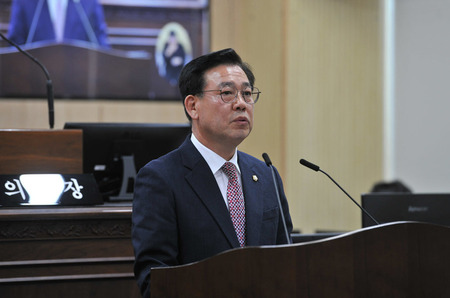
 ▲ 민병덕 디지털자산위원장은 “글로벌 규제 흐름은 민간의 혁신을 적극 활용하면서도 투명한 감독을 통해 안정성을 확보하는 방향으로 나아가고 있다”면서, 한국도 이러한 추세에 부합하도록 각 주체가 제 역할을 다하는 민관 협력 모델을 통해 원화 스테이블 코인 생태계를 선진적으로 육성해나가야 한다“고 강조했다. © 김충열 정치전문기자 |
디지털자산위원회는 디지털자산의 본질이 민간 주도 생태계에 있음을 분명히 하며, 한국은행은 규제기관이 아닌 만큼 통화정책과 금융안정이라는 본연의 임무에 충실할 것을 주문했다.
최근 한국은행이 원화 스테이블 코인을 ‘사실상의 화폐’로 간주해 비은행 기관의 발행이 통화정책을 저해할 수 있다고 우려한 데 대해서도, 중앙은행 중심 인허가· 감독권 행사 방식의 접근이 글로벌 규제 및 기술 동향에 부합하지 않을 수 있다는 점을 지적했다. 실제로 미국과 유럽 등 해외 주요국은 중앙은행이 아니라 금융당국이 스테이블 코인에 대한 감독권한을 행사하고 있고 중앙은행은 통화정책과 금융안정 측면에서 제한적인 역할을 수행하고 있다.
위원회는 디지털자산 관련 규제 권한은 국회 입법을 통해 민주적으로 정립될 사안임을 강조했다. 특정 기관이 선제적으로 관할권을 주장하기보다는, 입법 과정을 거쳐 사회적 합의와 전문적 검토를 바탕으로 규율 체계를 마련하는 것이 원칙이라는 설명이다. 실제로 민병덕 의원이 대표발의 예정인 디지털자산기본법 초안에는 원화 기반 스테이블 코인의 발행 요건으로 100% 준비자산 확보 및 최소 자본금 요건을 명시하고, 인가 권한을 금융위원회에 부여하는 등의 제도적 틀이 담겨 있다.
그럼에도 한국은행이 스테이블 코인 발행 인가 단계부터 중앙은행에 실질적 권한이 부여될 필요가 있다며 감독권 확보를 주장하는 상황에 대해서 위원회는 발행 주체를 둘러싼 주도권 다툼처럼 비치는 양상이 디지털자산 산업 발전과 국익에 전혀 도움이 되지 않는다고 강하게 우려했다. 아울러, 한국은행은 금융안정을 최우선 목표로 하는 기관이므로, 스테이블 코인을 비롯한 디지털자산 산업을 진흥, 육성하기에 적절한 위치에 있지 않은 점도 함께 지적하였다.
원화 스테이블 코인은 디지털경제 시대 우리나라의 주권 확보와 글로벌 경쟁력 제고를 위한 전략적 자산이라는 점도 논평의 핵심으로 부각됐다. 위원회는 “원화 스테이블 코인은 국내 결제수단뿐 아니라 기존 플랫폼 산업과의 결합을 통한 시너지 창출 등 활용 가능성이 다양하다”며, “이러한 창의적 활용처 발굴은 소수의 국내 은행이 아닌 민간 영역에 맡길 때 효과가 극대화될 수 있다” 고 강조했다.
다시 말해 원화 기반 스테이블 코인의 잠재력을 극대화하려면 초기부터 민간의 혁신 역량이 충분히 발휘될 수 있는 민관 협력 생태계의 구축과 확장이 필수적이라는 뜻이다. 위원회는 “만약 원화 스테이블 코인 발행 주체를 은행 등 일부로 제한해 독점적 구조로 갈 경우 글로벌 네트워크와의 상호 운용성 부족, 제한된 참여로 인한 활용처 부족 등으로 스테이블 코인이 유명무실해질 수 있다“며, “궁극적으로는 국내 시장이 달러 기반 스테이블 코인에 잠식당하는 결과까지 초래될 수 있다“고 경고했다.
실제로 당국 간 이견으로 제도화 논의가 지연되는 사이 해외 달러 스테이블 코인이 무제한 국내로 유입되어 자금 유출과 금융주권 훼손이 우려된다는 지적도 나오고 있다.
달러스테이블 코인으로 주도권을 가진 미국의 경우 GENIUS 법안 등이 빠르게 통과될 것으로 예상되는 반면, 아직 국내는 기본법을 준비하고 있기 때문이다.
이와관련 런던코인 LDXG 김봉겸 대표는 기자와 전화인터뷰에서 스테이블코인은 민간 주도로 해야 하는 이유를 "혁신과 유연성: 민간 기업은 빠르게 변화하는 기술과 시장에 유연하게 대응할 수 있어 혁신적인 서비스를 빠르게 출시할 수 있다"며, "글로벌 경쟁력: 민간 주도 스테이블코인은 국경을 넘어 경쟁하며 국제적인 수요에 맞는 제품을 개발할 수 있다"고 밝혔다.
김 대표는 "정부의 중립성 유지: 정부가 화폐 발행과 금융 시스템의 규제자 역할을 유지하면서 직접 스테이블코인을 발행하면 이해 충돌이 생길 수 있다"며, "재정 리스크 최소화: 정부가 직접 스테이블코인을 운영하면 시스템 실패 시 국민 세금으로 부담해야 할 위험이 있다. 그런 차원에서 다양성 보장: 민간 주도는 다양한 종류의 스테이블코인 개발을 가능하게 해 사용자에게 더 많은 선택권을 제공해야 한다"고 주장했다.
민병덕 디지털자산위원장은 “글로벌 규제 흐름은 민간의 혁신을 적극 활용하면서도 투명한 감독을 통해 안정성을 확보하는 방향으로 나아가고 있다”면서, 한국도 이러한 추세에 부합하도록 각 주체가 제 역할을 다하는 민관 협력 모델을 통해 원화 스테이블 코인 생태계를 선진적으로 육성해나가야 한다“고 강조했다. hpf21@naver.com
* 아래는 위 기사를 '구글 번역'으로 번역한 영문 기사의 [전문]입니다. '구글번역'은 이해도 높이기를 위해 노력하고 있습니다. 영문 번역에 오류가 있을 수 있음을 전제로 합니다.
*The following is [the full text] of the English article translated by 'Google Translate'. 'Google Translate' is working hard to improve understanding. It is assumed that there may be errors in the English translation.
Democratic Party Digital Asset Committee: "KRW stablecoin is a strategic asset, and the Bank of Korea should focus on its original mission"
Respect decentralized ecosystem, public-private cooperation according to legislation should prepare for global standards
The Digital Asset Committee (Chairperson Min Byeong-deok) under the Election Campaign Committee of the Democratic Party of Korea announced an official commentary on the 2nd regarding Bank of Korea Governor Lee Chang-yong's cautious opinion on the issuance of KRW stablecoins by non-banks.
The Digital Asset Committee made it clear that the essence of digital assets lies in the private-led ecosystem, and requested that the Bank of Korea, as it is not a regulatory agency, remain faithful to its original mission of monetary policy and financial stability.
Regarding the recent concern that the Bank of Korea regards KRW stablecoins as "de facto currencies" and that issuance by non-bank institutions could hinder monetary policy, the committee pointed out that the central bank-centered licensing and supervision approach may not be in line with global regulatory and technological trends. In fact, major overseas countries such as the United States and Europe, not central banks, but financial authorities exercise supervisory authority over stable coins, and central banks play a limited role in terms of monetary policy and financial stability.
The committee emphasized that regulatory authority related to digital assets should be established democratically through legislation by the National Assembly. The explanation is that rather than a specific organization preemptively asserting jurisdiction, the principle is to establish a regulatory system based on social consensus and professional review through the legislative process. In fact, the draft of the Basic Digital Asset Act, which Representative Min Byeong-deok is planning to propose, includes an institutional framework that stipulates the requirements for issuing won-based stable coins, such as securing 100% reserve assets and minimum capital, and granting the Financial Services Commission the authority to approve them.
Nevertheless, regarding the situation in which the Bank of Korea insists on securing supervisory authority, saying that the central bank needs to be granted actual authority from the stable coin issuance approval stage, the committee expressed strong concerns that this aspect, which appears to be a struggle for leadership over the issuer, will not help the development of the digital asset industry or the national interest at all. In addition, the Bank of Korea pointed out that it is not in an appropriate position to promote and foster the digital asset industry, including stable coins, as it is an institution that prioritizes financial stability.
The fact that the won stable coin is a strategic asset for securing Korea’s sovereignty and enhancing global competitiveness in the digital economy era was also highlighted as a key point of the commentary. The committee emphasized that “the won stable coin has diverse potential for use, such as not only as a domestic payment method but also for creating synergy through combination with existing platform industries,” and that “the discovery of such creative uses can be maximized when it is left to the private sector, not a small number of domestic banks.”
In other words, in order to maximize the potential of won-based stable coins, it is essential to build and expand a public-private cooperative ecosystem where the private sector’s innovative capabilities can be fully utilized from the beginning. The committee warned, “If the issuers of won stable coins are limited to banks and other entities, leading to a monopolistic structure, stable coins could become ineffective due to lack of interoperability with global networks and limited use due to limited participation,” and “ultimately, this could result in the domestic market being encroached by dollar-based stable coins.”
In fact, while institutionalization discussions are delayed due to differences of opinion between authorities, there are concerns that overseas dollar stable coins will flow into Korea without limit, resulting in capital outflows and damage to financial sovereignty.
In the case of the United States, which has taken the lead in dollar stable coins, the GENIUS bill is expected to pass quickly, while Korea is still preparing basic laws.
Min Byeong-deok, Chairman of the Digital Asset Committee, emphasized, “The global regulatory trend is moving toward securing stability through transparent supervision while actively utilizing private innovation,” and emphasized that Korea should also foster the won stable coin ecosystem in an advanced manner through a public-private cooperation model in which each entity plays its role in line with this trend. hpf21@naver.com