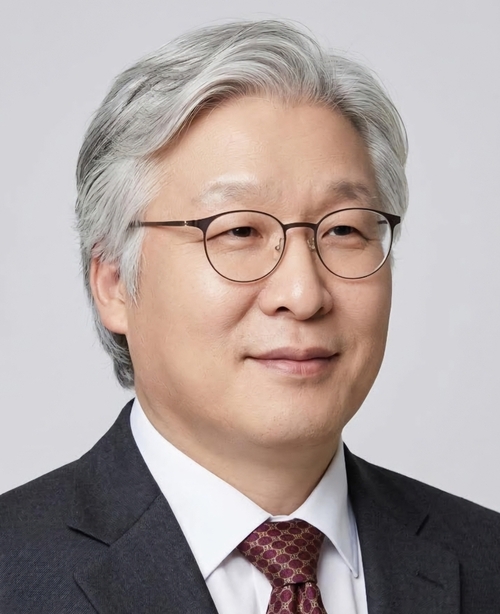
▲필자/ 이래권 작가. ©브레이크뉴스 |
한 해 100만 이상의 자영업자가 망하고 있다. 대학 졸업자의 70% 이상이 캥거루족으로 허송세월하며 각종 알바로 희망 없이 산다. 미국 관세 누그러뜨리려 5,000억 달러, 즉 1인당 1,400만 원 빚을 진 상태다. 선진국 자살 1위 대국이다. 온 나라 젊은이들이 그나마 보수가 낫다며 빚내 오토바이 타고 통닭 피자 배달부로 전락했다. 정녕 우리에게 희망이 남아 있는가? 없다면, 다음과 같은 정책 전환 권고를 참고하길 바란다.
새 정부 출범과 함께 걸었던 기대는 산산이 무너져 내리고 있다. 진보는 손뼉 치며 환호했다. 보수는 욕했지만, 민생지원금을 받으러 은행에 길게 늘어선 노인들로 초기 며칠은 은행 업무가 마비될 지경이었다. 즉, 보수성향이 강한 노인네들 주머니가 너무 말라 있었다. 나는 66세라 비교적 젊어 축에 끼지도 못하고 그 대기 줄을 고개 숙이고 빠져나왔다. 가난함이 괜히 죄인처럼 여겨져 집에 돌아와 기다렸다가 나중에 체크카드에 지원금을 충전했다. 어디에 쓸 것인가? 고민 끝에, 서울시 연신내 재래시장에 가서 15만 원 전부 서리태콩을 사서 부엌 쌀통 옆에 쌓아두었다. 왠지 모를 뿌듯함이 온몸을 희열감으로 감싸고 흥분에 흥얼거리기까지 하며 거실을 마장마술 하는 말처럼 탭댄스를 잠시 춰댔다. 진보나 보수나 살기가 강퍅했단 반증으로 민생지원금 2차 지급을 기다리는 속내의 간절함을 숨길 수는 없다. 그만큼 살기가 전쟁통이나 마찬가지란 얘기다.
서민 삶이 이처럼 바닥으로 나락 진 데에는 여러 가지 원인이 있다.
첫째는 일등기업 기술이 초격차로 줄어든 사이 중국의 저가 수출로 전 세계 소비자들이 생필품으로 구매하기 때문이다. 이는 제조업 연쇄도산으로 서민 노동자들 일자리가 날로 축소 또는 공동화됐기 때문이다. 가전 핸드폰은 이미 인도 베트남으로 옮긴 지 이십여 년이 넘고, 이젠 자동차 철강마저 동유럽 미국으로 인건비와 관세 문제를 극복하려 무더기로 공장을 옮겨야만 할 절체절명의 위기에 봉착했다.
둘째는 분배보다는 성장을 우선시하다 보니 기업에 대한 과도한 법인세 소득세를 깎아줘서 국세 징수 세원을 마르게 했다는 것도 한몫했다. 세금 따라 기업이 해외로 공장을 옮기는 게 아니다! 싼 인건비와 파업을 상대국이 막아주기 때문이다. 인도와 베트남에서, 노동자들이 삼성 현대 한국인 관리자만큼 임금인상을 요구했다 철수라는 강경책을 쓰자 모디 총리와 베트남 서기장이 나서서 사과한 것은 주지의 사실이다.
제조업 국외 탈출을 막고 국내 노동자들 일자리를 제공할 방법은 없는가? 국부의 대부분을 창출하는 현대 삼성 한화 포철 등 대기업 노동자들이 파업을 통한 수출 물량 납기 지연을 볼모로 과도한 임금인상과 성과급을 요구하는 동반자살 겁박을 제도적으로 막아야 한다. 노란봉투법을 부활시킨 이재명 정부는 표는 얻고 기업 활동에 족쇄를 채운 것은 유감이다. 지금은 저임금 혹사시켜 기업의 파이를 키우는 시대가 아니라 기업의 기술개발이 처지면 금세 해외 소비자들로부터 외면 받는 위기 상황이다. 즉, 망하는 건 시간문제란 뜻이다. 나이 든 민노총 지도부가 연봉 1억에다 수천만 원의 성과급을 요구하는 것은 신입 노동자의 취업을 막는 악성 태클이다.
인상과 성과급보다 임금 피크제를 55세 정도로 정해 이후 임금을 1인당 국민소득 3만 6천 달러, 즉 5천만 원 정도로 삭감하는 국민적 동의를 구하기 위해 즉각 국민투표로 정할 필요가 있다. 2030의 50%와 6070의 70% 이상, 약 천만 이상이 월 240 정도의 최저임금을 받는 게 사실이다. 물론 인건비 재료비가 약 30%씩 60%가 들고 유통 물류 광고비 세금이 30% 정도로 총생산유통비가 90% 든다. 10% 정도의 이윤을 남기기 힘든 글로벌 경쟁구조에서 기업에 가장 큰 타격은 과도한 인건비다.
제조업에서 기업의 도산과 국외 탈출은 기술 개발력보다 과도한 인건비를 못 견딘 자구책의 결과이다. 멀리, 산업혁명 발상지 영국의 맨체스터 유나이티드는 가장 먼저 먼지 날리는 공업도시로 슬럼화됐다. 박지성 선수가 공을 찼고 비틀즈가 저임금 노동자의 사랑을 노래했지만 결국 돌아다니는 개도 말라비틀어진 황량한 거리로 쇠락했다. 자본주의의 심장 미국의 러스트 벨트, 북동부와 중서부의 공업도시 또한 과도한 인건비로 폭망해서 공장 출입문의 쇠사슬이 벌겋게 녹슬고 노동자는 일용직 혹은 실업자로 전락했다. 우리도 예외는 아니었다. 거제 부산 울산 포항도 그간 휴일마다 흥청거렸던 삼겹살집마저도 50% 이상 문을 닫고 노동자의 불룩한 지갑이 토해내는 안정적 수입은 하수구로 들어간 지 오래다. 보너스로 집값은 70% 이상 폭락한 곳도 부지기수다.
국민 평균소득 3.6만 불 통계가 뻔한 데도 연봉 성과급 한 해 10만 불을 내라며 떼쓰는 귀족노조의 신입 노동자에 대한 근친 테러요, 국가 경제발전을 가로막는 탐욕 그 이상 이하도 아닌 아메바 적 발상이다.
이런 역사적 국제적 국내적 문제점의 근본 원인은 물론 세계화에 따른 인건비가 큰 원인이다. 민노총 수뇌부의 과도한 임금인상과 성과급 요구가 전적인 원인은 아니다. 그럼에도 그 영향은 노동계 전체에 미쳐 그나마 인건비로 살아남는 저 기술 숫자 늘리기 중소기업엔 사형선고나 마찬가지다. 주장대로, 대기업은 인건비 문제가 아니라 기술개발 능력이 부족하므로 채산성이 떨어지고 신규 인력 채용을 줄이거나 아예 없애는 쓴 자구책을 쓴다.
이에, 수도권 집중을 막고 기업의 임금 부담을 줄이며 전문성과 숙련도가 그리 필요하지 않은 제조업 지방 특구를 만들어 연봉 5천만 원을 고정하는 광주형 일자리를 지방 곳곳에 만들도록 하는 것도 방법이다. 모든 법인세나 소득세를 아예 없애 실질소득을 보장하는 획기적 경제개발 정책을 쓸 때이다. 거기다 교육 의료 주거까지 지원하면 지역경제는 덤으로 살아난다. 공장이 없어 한 푼 소득이 없는 것보다 지역에 거주하는 임원과 노동자가 쏟아내는 부가세 10%만 국세나 지방세만 쌓여도 엄청난 돈이다. 1조면 1천억의 부가세가 쌓여 지방 자치단체 예산으로 전용하면 이삭줍기보다 낫다.
어렵고 장기과제라 말하지 말라! 일본과 우리의 항공노선을 보면, 우린 하네다(羽田)공항 하나로 입국하는데, 일본으로 가는 항공노선은 지방 전체를 보면 26개 노선이 있다. 물론 우리 여행객들이 대부분이어서 일본 공장 견학 가는 것은 아니다. 관광지와 음식 여행이 대부분이라지만, 우리처럼 바가지도 불친절도 없고 우동 하나를 가업(家業)으로 잇는 장인정신에서 나오는 한결같은 풍미를 느끼고 깊은 감명을 받고 돌아온다. 사소한 관광숙박업에도 일본은 백 년 이상의 자부심과 실력 친절이 쌓여 우리보다 실질 국민소득이 뒤처진 일본의 서민 지방 생존력의 뿌리가 깊음을 방증한다. 왜놈 증오만 할 것이 아니라 배울 건 배우고, 시간이 걸리면 벤치마킹이라도 해야 할 의무가 여야 지도층에 있음을 알아야 한다.
셋째, 이런 문제의식이 저변에 깔려 있어 국가 기겁 경쟁력이 날로 추락하는 현 위기에 대안은 없는가? 있다! 기득권부터 반격이 격렬하고 다음으로 납세자인 서민들도 “내 돈은 못 내!”라고 정권퇴진 운동 소동을 벌이겠지만, 다 죽게 생겼는데 해야만 할 특단의 조치를 집권당이 앞장서야 한다.
북유럽형 국가 사회주의 형 복지와 분배강화를 위한 증세 퍼스트다!
“원칙은 모든 소득이 있는 곳에 반드시 세금이 있다!”라는 것은 자본주의 어느 나라나 다 마찬가지인데, 국민연금 고갈 국채 재정으로 눈 가리고 아웅식으로 미래세대에 부도난 창고를 넘겨주는 것은 국가가 앞장선 미래세대에 대한 테러니, 즉각 국민투표를 해서 전 분야에 걸친 증세를 물어야 한다.
북유럽 서유럽 캐나다 평균 부가가치세를 20%로 올려야 한다. 또한 소득세 평균 6%를 올리는 것을 심각히 여야와 국민 합의를 시작할 절체절명의 상황이다. 이 증세로 의료 교육 주거 연금 문제를 크게 개선할 수 있다. 당장 소비가 줄겠지만, 인간이 쓸 것은 쓰게 돼 있다. 혹자는 소비가 줄어 부가세가 역으로 덜 걷힐 것이라고 게거품을 물겠지만, 명품보다는 생활에 필수품만 사는 현명한 소비로 오히려 건전하고 안정적인 생계관리가 확실해질 것이다.
북유럽이나 캐나다 국가 사회주의 형 분배 복지정책 성공에는 석유 가스 철강 농산물 생산 부국이란 기초 자원이 밑받침해서 우리와 다른 기초재정 산업이 튼튼하단 것을 무시할 순 없다. “있는 나라도 저리 쥐어짜는데, 없는 우리는 뭘 더 짜낸단 말인가?”라고 반문할 사람이 많을 것이다. 6, 25 후 산타이던 미국이 이젠 과도한 관세를 매겨 우리에게 혹독한 관세를 안겼다. 국민 일 인당 1,400만 원의 빚문서를 던진 것이다. 이것 역시 미래세대에 전가될 엄청난 세금 부담이다. 이것저것 따지다간 우린 버티지만, 미래세대엔 제2의 필리핀화 된 부도 경제를 물려주는 천인공노할 범죄자들이 우리가 될 수 있음을 자각해야 한다.
법인세 소득세 인하로 기업 성장을 돕던 시대는 끝났다. 초 고도화된 연구개발자들 소수가 국가 경제의 흥망을 좌우하는 시대다. 더 이상 노동자의 헌신과 성실함만으론 경제가 살아나지 않는다. 우린 이미 세계화 깊이 빠졌고, 인건비 생산기지 조건에 적합한 곳이라면 북·중·러만 빼고 당장 공장을 옮기는 시대를 살고 있다. 노동자의 애국심은 사라진 지 오래다. 오직 산업생산성과 이익만을 따라 국경을 넘는다.
금호 아시아나는 국내 공장을 폐쇄하고 동유럽으로 곧 옮긴다. 삼성 현대 등 대기업은 미국으로 반도체 자동차 공장마저 헌납기로 했다. 5천억 달러가 미국으로 들어간다. 수십만의 전문 기술자들이 곧 실직하거나 취업 장기 대기자로 전락함을 의미한다.
미국에 인질 경제로 잡힌 것은 살기 위한 고육책임을 다 안다. 미국 국채가 36조 달러고, 국방비와 이자를 합해 한 해 2조 달러를 내야 하는 속 빈 강정이요 빚쟁이 된 미국을 살린 것은 이번 관세전쟁의 전리품인 것은 전문가들이 입을 모아 지적한다. 세계 경제 질서를 단숨에 무너뜨린 트럼프는 공공의 적이 됐지만 자신은 내심 노벨상 타기를 원한다니 정의가 사라진 약육강식의 힘만이 존재하는 세상이 돼버렸다.
당장 우리도 국민연금 고갈과 국채로 미국 짝이 나지 말란 법이 없고, 손자 대에 가선 국가부도가 기다리고 있는 게 사실이다.
해결할 방법은, 빚내서 틀어막는 것보단 괴롭더라도 국민 각자의 주머니를 더 털어서 국가에 내국세를 내는 것이 유일한 방법이다. 경제학자들이 각론에선 정할 일이고, 우선 부가세 20%로 소득세 6% 더 증세해서 국가부채 증가를 억제하고 남는 재원으로 의료 교육 주거 연금 등에 쓰면 된다. 상속세 양도세도 있는 실소득에서 떼는 것이니, 소수 반발을 무너뜨릴 방책은 다수가 지지하는 국민투표에 부쳐 정하면 정의와 공정에 맞다.
추위 탓에 북위선이 미국에 닿아 있는 캐나다의 20% 지역에 도시와 공장들이 몰려 있다. 별반 산업 규모가 크지 않은 데도 캐나다의 복지 중 의료는 상상 불가 소비자 위주 정책이다. 모든 의료비는 공짜다. 약제비와 치과 의료비만 본인이 부담하면 된다. 부가세는 연방마다 다르지만, 보통 17~2%의 부가세를 내도 조세저항 없이 국가가 잘 관리되고 있다. 65세부턴 약 월에 100만 원, 70세부턴 월 1,120만 원 정도의 기초생활수급비를 누구나 다 받는다. 연금을 부었던 아니든지 간에 기초생계비 하한선이 이 정도다.
여행객이 거의 없고, 실체 없는 한류(韓流)에 흥청망청 무리 지어 방한하지 않는다. 꼭 필요한 데에만 쓰는 합리적 소비와 근검절약이 몸에 뱄기 때문이다. 그렇게 된 근본 원인은 경제 활동기 동안 부가세 소득세를 다른 자본주의 국가 국민보다 16% 이상 납세의무를 받아들인 성숙한 시민의식이 자리 잡고 있어서이다.
우리는 지금 시한폭탄 폭발 시점을 미래세대에 맞춰 놓고 흥청망청하고 있다. 공동 정범이다. 북유럽과 캐나다는 건전재정으로 미래까지 탄탄하게 국가 경제를 유지하고 있는데, 왜 우리만 빚잔치요 실업자 자살자 천국으로 방치하고 있는가? 현실의 고달픔보다도 미래로 갈 긴 다리를 빚과 방치로 임시방편적 위기모면 정책에 활용하려는 것은 국가의 존재 이유가 못 된다. 여야 동수로 해외 연수지를 북유럽 복지선진국으로 한정하여, 세금 복지정책 연구 활동단으로 보낼 것을 권고한다. 국채 문제해결과 복지 강화를 위해선 증세가 답이다.
자기들 황금 주머니를 털라는 것도 아니고, 서민들 십시일반 세금 좀 더 내고 노후에 되받으라고 하는 계몽 선도에 마다할 이유는 하등에 없다. 방치하다 솥 태우지 말고, 서민의 궁색한 아궁이 불을 살펴 밥이 없으면 죽이라도 만들어 내야 할 것 아닌가? 300명 황금 족은 이참에 밥값하고, 서민과 미래를 살리는 역사적 과업에 무거운 사명감으로 논의를 시작하길 촉구해 본다. 남들 다 하는데, 못 하겠다는 지도층은 국채 증가와 연금고갈로 겪을 미래세대에 대한 직무유기를 넘는 테러리스트나 다름없다. samsohun@naver.com
*필자/이래권 작가.
*아래는 위 기사를 '구글 번역'으로 번역한 영문 기사의 [전문]입니다. '구글번역'은 이해도 높이기를 위해 노력하고 있습니다. 영문 번역에 오류가 있을 수 있음을 전제로 합니다.<*The following is [the full text] of the English article translated by 'Google Translate'. 'Google Translate' is working hard to improve understanding. It is assumed that there may be errors in the English translation.>
The Lee Jae-myung administration must shift course toward a Nordic-style state-socialist economy!
- Author Lee Rae-kwon
More than a million self-employed people are going bankrupt each year. Over 70% of college graduates are wasting their time as kangaroos, working various part-time jobs without hope. They've incurred $500 billion in debt, or 14 million won per person, in an attempt to ease US tariffs. Korea has the highest suicide rate among developed countries. Young people across the country, claiming they're better paid, have borrowed money and become motorcycle deliverymen, delivering chicken and pizza. Is there truly any hope left for us? If not, consider the following policy shift recommendations.
The hopes that accompanied the new administration's inauguration are being shattered. Progressives applauded and cheered. Conservatives decried the situation, but long lines of senior citizens waiting to receive livelihood support funds paralyzed banks for the first few days. In short, the pockets of these conservatively inclined senior citizens were starving. At 66, I was relatively young, so I couldn't even join the ranks. I bowed my head and left the line. Feeling guilty about my poverty, I returned home and waited, later loading the relief money onto my check card. What should I spend it on? After much deliberation, I went to the Yeonsinnae traditional market in Seoul and bought all 150,000 won worth of frozen soybeans, stacking them next to the kitchen rice bin. A strange sense of pride enveloped me, and I even hummed with excitement, briefly tap dancing around the living room like a dressage horse. Whether progressive or conservative, I couldn't hide the fervor of those waiting for the second round of livelihood relief payments, a testament to the stubbornness of their resolve. It's a testament to how desperately they struggle to survive.
There are several reasons why ordinary people's lives have fallen to such a low point.
First, while the technological gap between leading companies has narrowed dramatically, China's low-cost exports have driven consumers around the world to buy essential goods. This is because the string of manufacturing bankruptcies has led to a sharp decline or hollowing out of jobs for ordinary workers. Home appliances and mobile phones have already been moving to India and Vietnam for over twenty years, and now even automobile and steel production is facing a desperate crisis, having to relocate factories en masse to Eastern Europe and the United States to overcome labor costs and tariffs.
Secondly, prioritizing growth over distribution has also led to excessive corporate and income tax cuts for companies, drying up national tax revenue sources. Companies aren't moving factories overseas because of taxes; they're relying on low labor costs and the protection of strikes by the partner countries. It's well known that in India and Vietnam, workers demanded wage increases comparable to those of Korean managers at Samsung and Hyundai, but when the government adopted the hardline policy of withdrawing, Prime Minister Modi and the Vietnamese General Secretary apologized.
Is there no way to prevent the exodus of manufacturing and provide jobs for domestic workers? We must institutionally prevent the suicide threats of workers at large corporations like Hyundai, Samsung, Hanwha, and Pohang Iron and Steel Co., which generate the majority of the nation's wealth, using strikes to delay export shipments as leverage to demand excessive wage increases and performance-based bonuses. It's regrettable that the Lee Jae-myung administration, which revived the "Yellow Envelope Law," has shackled corporate activities while garnering votes. This is not an era where companies can expand their profits through low wages and overwork. Instead, companies face a crisis where sluggish technological development quickly leads to the shunning of overseas consumers. In other words, failure is only a matter of time. The aging leadership of the Korean Confederation of Trade Unions (KCTU) is demanding an annual salary of 100 million won plus tens of millions of won in performance-based bonuses, a vicious attack that hinders new workers from finding employment.
Rather than increasing wages and performance-based bonuses, we need to establish a peak wage system around 55 years of age, with subsequent wage cuts to around 50 million won, equivalent to a per capita income of $36,000. To secure public support, an immediate referendum is needed. It's true that 50% of those in their 20s and 30s, and over 70% of those in their 60s and 70s—approximately 10 million people—receive a minimum wage of around 240,000 won per month. Of course, labor and material costs each account for approximately 30%, while distribution, logistics, advertising, and taxes account for approximately 30%, making up 90% of total production and distribution costs. In a global competitive landscape where even a 10% profit margin is difficult to achieve, excessive labor costs are the biggest blow to companies.
In the manufacturing industry, corporate bankruptcies and exodus are the result of self-rescue measures driven by an inability to endure excessive labor costs, rather than technological development. Manchester United, the birthplace of the Industrial Revolution, was the first to be reduced to a dusty industrial city slum. Despite Park Ji-sung's kicks and the Beatles' odes to the love of low-income workers, ultimately, even stray dogs were reduced to desolate streets. The heart of capitalism, America's Rust Belt, and the industrial cities of the Northeast and Midwest, also collapsed due to excessive labor costs. The chains on factory doors rusted red, and workers were reduced to day laborers or the unemployed. We were no exception. In Geoje, Busan, Ulsan, and Pohang, even the once bustling pork belly restaurants that once thrived on holidays have closed more than 50% of their businesses. The steady income that workers once relied on for their bulging wallets has long since vanished. In countless places, housing prices have plummeted by over 70% due to bonuses.
Despite the obvious statistics of an average national income of $36,000, demanding a $100,000 annual performance bonus is an act of incestuous terrorism by aristocratic unions against new workers. This is nothing more or less than greed that hinders national economic development. It is an amoeba-like mindset.
The root cause of these historical, international, and domestic problems is, of course, the rising labor costs brought on by globalization. The excessive demands for wage increases and performance-based pay from the leadership of the Korean Confederation of Trade Unions (KCTU) aren't the sole cause. Nevertheless, their impact reverberates throughout the labor sector, effectively sending a death sentence to small and medium-sized enterprises (SMEs) that rely on labor costs to expand their workforce. As the argument goes, large corporations are not struggling with labor costs, but rather with a lack of technological development capabilities. This leads them to resort to harsh self-help measures, such as reducing or eliminating new hires.
Therefore, solutions include preventing concentration in the Seoul metropolitan area, reducing the wage burden on companies, and creating regional manufacturing special zones that don't require specialized skills and expertise, thereby creating Gwangju-style jobs with a fixed annual salary of 50 million won. Eliminating all corporate and income taxes is a groundbreaking economic development policy that guarantees real income. Furthermore, supporting education, healthcare, and housing will boost the local economy. Even a mere 10% of the value-added tax paid by local executives and workers is a significant amount, even if it's only national and local taxes, rather than a penny lost due to the absence of factories. If 1 trillion won in VAT were to be accumulated and diverted to local government budgets, it would be a better option than gleaning.
Don't tell me it's a difficult or long-term task! Considering our air routes to Japan, we enter through Haneda Airport alone, but there are 26 regional routes to Japan. Of course, most Korean travelers don't tour Japanese factories. They mostly travel for sightseeing and food, but unlike us, they are deeply impressed by the consistent flavor of udon, a craftsman's spirit that has been passed down through generations, without any rudeness or rudeness. Even in the small-scale tourism and accommodation sector, Japan has accumulated over a century of pride, skill, and hospitality, demonstrating the deep roots of Japan's rural survival despite its lag in real national income. Leaders of both the ruling and opposition parties must recognize that they have a responsibility to learn from the Japanese, not merely to hate them, but to benchmark them, even if it takes time.
Third, is there no alternative to the current crisis, where national competitiveness is declining day by day, due to this underlying sense of crisis? There is! The vested interests will fiercely counterattack, and then the common people, the taxpayers, will stage a movement demanding the government's resignation, chanting, "I can't pay for it!" However, with everyone facing imminent death, the ruling party must take the lead in extraordinary measures.
Tax increases are a top priority for Nordic-style state socialism and strengthened distribution!
"The principle is that where there is income, there must be taxes!" This principle holds true in all capitalist countries. Using government bonds to deplete the national pension fund and blindly pass on a bankrupt warehouse to future generations is a state-led act of terrorism against future generations. We must immediately hold a national referendum demanding tax increases across all sectors.
The average value-added tax in Northern Europe, Western Europe, and Canada should be raised to 20%. Furthermore, the average income tax increase of 6% is a critical situation that requires a serious, nationally coordinated approach. This tax increase could significantly improve healthcare, education, housing, and pension issues. While consumption may decline immediately, people will spend what they need. Some might fret, claiming that reduced consumption will lead to lower VAT revenues. However, wise consumption, focusing on only essential items rather than luxury goods, will ensure a healthy and stable livelihood.
The success of the national socialist-style distribution welfare policies of Northern Europe and Canada cannot be ignored. This success stems from the country's strong basic resources—oil, gas, steel, and agricultural production—which, unlike ours, are based on robust basic financial industries. Many will likely ask, "Even countries with resources are being squeezed, so what more can we squeeze from those without?" After the Korean War, the United States, once a scapegoat, has now imposed excessive tariffs on us, imposing a debt burden of 14 million won per person. This, too, represents a massive tax burden that will be passed on to future generations. We must recognize that while we may endure this and that, we could become heinous criminals who pass on to future generations a bankrupt economy reminiscent of the Philippines.
The era of corporate and income tax cuts to support corporate growth is over. We live in an era where a small number of highly skilled researchers and developers determine the rise and fall of a national economy. The dedication and diligence of workers alone no longer suffice for economic revitalization. We are already deeply immersed in globalization, and we live in an era where factories are readily relocated to any location with suitable labor costs, except for North Korea, China, and Russia. Workers' patriotism has long since vanished. They cross borders solely in pursuit of industrial productivity and profit.
Kumho Asiana is closing its domestic factories and soon relocating them to Eastern Europe. Large corporations such as Samsung and Hyundai have even decided to dedicate their semiconductor and automobile factories to the United States. $500 billion will flow into the United States, meaning hundreds of thousands of skilled workers will soon be unemployed or forced to wait in line for a long-term job.
We all know that being held hostage by the United States is a desperate struggle to survive. Experts unanimously point out that the spoils of this tariff war are what saved the United States from becoming a hollow shell and debtor, with $36 trillion in US Treasury debt and $2 trillion in annual defense spending and interest. Trump, who has destroyed the global economic order in an instant, has become a public enemy, yet he secretly desires a Nobel Prize. The world has become one where justice has vanished, where only the law of the jungle prevails.
There's no guarantee that we won't soon be on par with the United States in terms of national pension depletion and national debt, and it's a fact that national bankruptcy awaits our grandchildren.
The only solution, even if it's painful, is for each citizen to pay more taxes to the government, rather than borrowing to shore up the economy. Economists will determine the specifics, but a 6% income tax increase, along with a 20% VAT, could curb the national debt growth. The remaining funds could be used for healthcare, education, housing, and pensions. Since inheritance and transfer taxes are also deducted from actual income, a measure that would overcome minority opposition through a referendum supported by the majority would be just and fair.
Due to the cold, cities and factories are concentrated in the 20% of Canada's northern latitude bordering the United States. Despite Canada's relatively small industrial base, healthcare, Canada's welfare system, is incredibly consumer-oriented. All medical expenses are free. Individuals only have to pay for medication and dental care. While VAT varies by state, the country is well-managed without any resistance, even with a VAT of 17-2%. Everyone receives a basic living allowance of approximately 1 million won per month from age 65, and 11.2 million won from age 70. This is the minimum standard of living, regardless of whether or not they are receiving pension contributions.
If you visit Myeongdong or Hongdae, you'll find few tourists from Northern Europe, and they don't flock to Korea in droves, driven by the hollow Korean Wave. This is because rational consumption and frugality are ingrained in Koreans, with only essential needs in mind. The root cause of this is the mature civic consciousness that has taken root during their economically active years, having accepted a VAT income tax rate of 16% higher than that of citizens in other capitalist countries.
We are currently recklessly spending money, aiming for a ticking time bomb for future generations. We are accomplices. Northern Europe and Canada maintain sound fiscal policies, ensuring a robust national economy well into the future. Why are we left to our own debt-ridden, unemployed, and suicidal tendencies? Using debt and neglect as a temporary measure to avoid a crisis, rather than addressing the hardships of the present, is not the purpose of a nation. I recommend that an equal number of representatives from both the ruling and opposition parties limit overseas training to the welfare-advanced countries of Northern Europe and send them to a research group on tax and welfare policies. To address the national debt problem and strengthen welfare, tax increases are the answer.
We're not asking them to empty their pockets, and there's absolutely no reason to shy away from enlightening the common people to pay a little more in taxes and reap the rewards in their later years. Instead of neglecting the situation and burning the pot, shouldn't we be looking after the poor and struggling to find a way to make porridge if they can't? I urge the 300 "golden tribe" to take this opportunity to earn their keep and begin discussions with a sense of responsibility about the historic task of saving the common people and their future. Those in power who refuse to do what everyone else is doing are nothing less than terrorists, dereliction of duty toward future generations who will suffer from rising national debt and depleted pensions. samsohun@naver.com
*Author: Lee Rae-kwon.