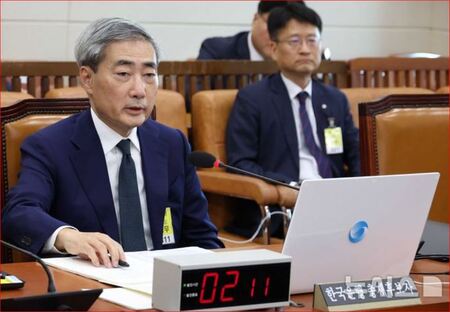
▲ 이재명(오른쪽)-트럼프 한미정상회담. |
이번 한미 정상회담은 성공적으로 끝났다. 이재명 대통령과 트럼프 대통령은 APEC이 열리는 경주에서 약 87분간의 정상회담을 했는데, 가장 중요한 이슈들 중 하나는 관세 협상이 세부적으로 이번 정상회담에서 타결되느냐의 문제였다. 특히 미국이 제시한 3,500억 달러 한국의 대미 투자를 어떤 방식으로 마련할 것인지를 놓고 한미 사이에 입장의 차이가 워낙 커서 과연 APEC에 맞추어 협상이 타결될 수 있을지에 많은 국내외 전문가도 매우 회의적이었다. 일단 대통령실에서 발표한 세부 합의 내용을 보면, 총 3,500억 달러 중 현금투자는 2,000억 달러로 하되, 연간 투자 상한액이 200억 달러로 설정되니까 10년간 투자하는 것이 되고, 나머지 1,500억 달러는 조선업 협력으로 사용하게 된다는 것이다. 여기에 대미 투자 리스크에 대한 안전 정치로 외환 시장이 불안해질 경우를 대비해서 납입 시기 및 금액 조정은 별로도 근거를 마련하기로 했다. 다음으로 원리금 상환 전에는 한미가 5대 5로 배분하고, 20년 내에 원리금 전액을 상환받지 못할 경우, 수익배분에서 조정이 가능하게 했다. 또한 원금 회수에서의 안전장치로는 상업적 합리성이 있는 프로젝트만 추진하기로 합의하기로 했고 이를 양해각서에 명기하기로 했다. 관세율을 보면 자동차 관세는 25%에서 유럽 연함 및 일본과 마찬가지로 15%로 인하했고, 상호관세율은 7월 합의 이후로 15%로 적용되는 것으로 확인했다. 품목별 관세에서 의약품, 목재 등은 최혜국 대우를 받기로 했으며, 항공기 부품, 복제약 의약품, 미국 내에서 생산되지 않은 천연자원 등은 무관세로 적용받는 것으로 합의했다. 여기에서 철강, 알루미늄에 대한 50% 관세율은 한국이 낮추지 못해 다소 아쉽다. 그리고 한국이 나름대로 방어한 것은 쇠고기와 쌀을 포함해서 농업 분야의 추가 개방하지 않기로 했다는 것과 반도체의 경우 대만에 비해 불리하지 않는 수준에서 관세 적용에 합의했다는 점이다.
이렇게 놓고 보면 한미 정상회담에서 관세 협상은 한국으로서는 미국의 파상공세에 맞서 상당히 선방했다고 하겠다. 한국은 협상의 원칙을 지키면서도 벼랑 끝 전술로 한국의 의견을 미국 측에 관철하기 위해 많은 노력을 쏟아부었고 나름대로 성과를 보여주었다. 처음에 3,500억 달러를 마련하기 위해서 한국으로서는 현재 외환 보유고 기준으로 약 35% 정도의 자금이 한꺼번에 빠져나가는 것은 한국의 경제 수준에서 보면 감당하기 어렵다는 주장을 펼쳤다. 이에 대해 미국은 일본과 동일한 잣대로 협상이 타결되기를 원했다. 그 이유는 간단한데, 그것이 미국에 훨씬 이익이기 때문이다. 그러던 중 한국이 미국에 제시한 것은 통화 스와프인데 – 한국은 이를 아마도 하나의 안으로만 생각하면서 미국의 반응을 지켜보는 정도였을 것이다 - 미국으로서는 긴급한 상황도 아닌데 굳이 통화스와프를 한국과 체결하는 것이 무리라는 판단이 있었던 것으로 보인다. 그렇다면 대안은 당연히 분할 투자 방식일 것인데, 미국은 연간 250억 달러를, 한국은 150억 달러를 제시했는데, 결국 서로 한 걸음씩 물러나 200억 달러로 합의했던 것이다. 구체적인 것은 이른바 팩트 시트(요약문)가 공개되면 정확히 알 수 있을 것이다. 통상 한국은 한미 정상회담이든 통상협상이든 예스맨으로 사대주의 외교라든가 미국 앞에만 서면 왜 굽신거리는 굴종 외교로 상당히 많은 비판을 받아왔다. 그런데 이번 한국의 협상팀은 국익을 위해 미국 측 인사들과 상당히 많은 실무협상을 하면서 미국 측 인사들을 설득시키면서도 협상 시한에 쫓겨서 급하게 협상을 타결하는 것보다는 협상을 길게 끄는 것 – 중국이 미국과 관세 협상 과정을 지켜보면서 – 도 나쁠 것이 없다는 정무적 판단도 있었다. 거기에 이번 한미 관세 협상 타결은 미일의 경우와 비교해 보더라도 한국이 미국에 양보를 일본보다 더 많이 받아낸 것이라는 분석도 있는데, 일본은 미일 정상 회담 전에 선거가 있어서 사실상 전임 이시바 총리와 트럼프와 협상한 것을 그대로 인정할 수밖에 없었다, 그러나 결과적으로 일본이 이번 미국과의 협상에서 한국보다 불리한 상황에서 협상을 타결한 것은 차후 다카이치 총리에게 부담으로 작용할 것이다.
그러면 이제 한미 정상회담에서 다른 중요한 이슈는 안보와 관련해서 핵잠수함 건조 문제라 하겠다. 이재명 대통령은 트럼프 대통령에게 먼저 한국의 잠수함에 핵연료를 미국으로부터 공급게 해 줄 수 없느냐는 식으로 운을 뗐는데, 트럼프는 즉답을 피했지만, 정상회담 이후 10월 30일 한국의 핵잠수함 건조를 승인했다. 사실 이것은 군사적으로 보면 한국이 삼면으로 해안선을 지니고 있어서 디젤 잠수함으로는 이 모든 해안을 장시간 잠항하기 어렵다는 현실적 안보와 연관된 문제다. 디젤 잠수함은 디젤 기관 및 연료 전지를 사용하고 최대 수중 속도가 20노트로 느리고 수중 작전도 최대 2주이기는 하지만, 문제는 1일 2번 이상 수면 위로 부상을 해서 스노클링을 해야만 하는 치명적 단점이 있다. 이에 반대로 핵 추진 잠수함(SSN)은 소형 원자로를 사용하고, 최대 수중 속도도 25노트 이상일뿐만 아니라 수중 작전도 3∼6개월이고, 핵연료만 공급받을 수 있다면 사실상 무제한 수중작전도 가능하다. 더욱이 핵 추진 잠수함은 적에게 탐지되기도 어렵지만, 설사 탐지되더라도 빠르게 탐지반경을 벗어날 수 있다. 그런데 핵 추진 잠수함은 적의 수상함이나 잠수함을 공격하는 잠수함이므로 핵무기(예를 들어 SLBM) 탑재가 가능한 전략 잠수함(SSBN)과 구별된다. 북한은 후자를 염두에 두고 있어서 한국에 위협적이다. 더 나아가 중국이든 일본이든 잠수함 능력에서 한국이 열세이므로 핵 추진 잠수함은 한국으로서는 비대칭적인 상황에서 4척 이상 보유해야 할 것이다.
이재명 대통령의 언급은 그렇게 함으로써 미국의 부담을 축소하고 한국의 국방력을 강화할 수 있는 것 중 하나가 SSN이라고 강조한 것이다. 거기에 헤그세스 장관이 한국의 전시 작전권 환수 문제에 관해서 대체로 긍정적으로 생각한다는 발언도 주한 미군의 감축을 염두에 둔 것이라 하겠다. 이에 대해 중국은 은근히 견제구를 날라고, 일본도 다소 예민하게 반응하고 있다. 푸틴 대통령은 최근 핵 추진 드론인 ‘포세이돈’을 핵연료로 실험하는 것에 성공했다고 공개했다. 트럼프는 이에 미국도 핵 실험을 재개하겠다고 선언했고, 프랑스도 핵무기를 업그레이드 했다고 한다, 이러한 상황은 핵무기 경쟁을 유발하는 것일 뿐만 아니라, 그와 같은 경쟁을 확산하는 일이라고 하지 않을 수 없다. 이란 등도 이 기회를 놓칠 리가 없고, 핵 도미노로 나가게 되면 NPT는 무용지물이 될 것이 불을 보듯 뻔하다.
그런데 한국의 핵 추진 잠수함 건조가 트럼프의 승인만으로 충분한가? 그렇지 않다. 일단 이를 위해서는 한미원자력 협정이 수정되어야 하고, 미국 의회의 찬성도 있어야 하고, 무엇보다도 기술적으로 상당한 시일이 걸릴 것이다. 한국은 아마도 5,000톤 이상의 크기로 우라늄 농축도 20% 이하로 하면 핵 추진 잠수함 건조에 약 10년 정도 소요될 것이다. 사실 핵 추진 잠수함 보유국은 2024년 기준으로 미국(66척), 러시아(32척). 중국(12척), 영국(10척), 프랑스(9척), 인도(2척)이고, 호주는 미국으로부터 공급 예정이지만 현재 답보상태이고, 북한은 건조 중이라고 알려져 있다.
 ▲ 필자/권기환 박사. ©브레이크뉴스 |
이번 한미 정상회담이 세간의 관심을 모았던 것은 북미 회담이 혹시 가능하지 않을까라는 점이었다. 트럼프는 여러 번 북한의 김정은과 개인적 친분을 내세우면서 만남을 원했지만, 북한의 반응은 전혀 없었다. 트럼프는 물론 그렇더라도 내년에는 김정은과 북미 회담을 추진할 것으로 보인다. 지금 한국에서는 한미 정상회담, 미중 정상회담, 한일 정상회담, 중일 정상회담, 한중정상회담으로 외교전이 전개되었을 뿐만 아니라 이재명 대통령도 아세안 순방에 이어 APEC 회원국들의 정상들과도 회담할 것이다. 러시아는 푸틴이 우크라이나와 전쟁으로 인해 참석하지 않았지만, 국제문제 부총리와 대표단이 참석해서 북극항로 프로젝트와 관련해서 여러 언급들을 할 것으로 예상된다. 동시에 러시아는 북한에도 대표단을 보내서 북러 밀착을 강화하고 있다. 한미 정상회담 이후 동북아는 현재 관세 협상보다는 오히려 한국의 핵 추진 잠수함 문제로 요동칠 것이다. 한국은 이제 또 다른 안보 질서에 대비해야 한다. jgfichte@naver.com
*필자/권기환
철학박사. 동국대에서 석사학위를, 독일 지겐대 제 1학부(역사-철학과)에서 철학박사학위(Dr. phil.)를 취득했다. 경희대, 경기대, 명지대, 상명대, 강남대, 홍익대 등에서 강의를 했다. 현재는 가천대에서 강의를 하고 있다. 주요 관심사는 독일 관념론, 독일 초기 낭만주의, 프랑스 현상학, 해석학, 동서 비교 철학 등이다. 한국 헤겔학회, 한국칸트학회, 한국해석학회, 한국 현상학회(전 정보이사), 서양 근대철학회 등에서 활동하고 있다.
*아래는 위 기사를 '구글 번역'으로 번역한 영문 기사의 [전문]입니다. '구글번역'은 이해도 높이기를 위해 노력하고 있습니다. 영문 번역에 오류가 있을 수 있음을 전제로 합니다.<*The following is [the full text] of the English article translated by 'Google Translate'. 'Google Translate' is working hard to improve understanding. It is assumed that there may be errors in the English translation.>
What are the outcomes of the South Korea-US summit and what will become of the international situation going forward?
- Kwon Ki-hwan, Columnist
The South Korea-US summit concluded successfully. President Lee Jae-myung and President Trump held an approximately 87-minute meeting in Gyeongju, where APEC is being held. One of the most important issues was whether tariff negotiations would be concluded in detail during the summit. In particular, the differences between South Korea and the US over how to finance the US$350 billion proposed by the US for South Korea's investment in the US were so significant that many domestic and international experts were skeptical that negotiations could be concluded in time for APEC. According to the detailed agreement announced by the Presidential Office, of the total $350 billion, $200 billion will be invested in cash. The annual investment cap is set at $20 billion, meaning the investment will be made over a ten-year period. The remaining $150 billion will be used for shipbuilding cooperation. In addition, in preparation for the foreign exchange market's instability due to the safety policy regarding investment risks in the US, a separate basis for adjusting the payment period and amount was established. Furthermore, prior to repayment of principal and interest, Korea and the US will share the proceeds 50-50, with adjustments to profit distribution possible if the full principal and interest are not repaid within 20 years. Furthermore, as a safeguard against principal recovery, it was agreed to pursue only commercially viable projects, and this will be stipulated in the MOU. Regarding tariff rates, the automobile tariff was reduced from 25% to 15%, similar to the EU and Japan. The reciprocal tariff rate was confirmed to remain at 15% from the July agreement. Regarding tariffs by product, pharmaceuticals and lumber will receive most-favored-nation treatment, while aircraft parts, generic drugs, and natural resources not produced in the US will be duty-free. It is somewhat disappointing that Korea failed to lower the 50% tariff on steel and aluminum. South Korea's defensive measures included agreeing not to further liberalize the agricultural sector, including beef and rice, and agreeing to tariffs on semiconductors at a level comparable to Taiwan's.
In this light, the tariff negotiations at the South Korea-US summit proved a significant defensive effort for South Korea against the US's aggressive offensive. While adhering to the principles of negotiation, South Korea exerted considerable effort to push its position through brinkmanship, achieving some success. Initially, South Korea argued that raising the $350 billion would require a sudden outflow of approximately 35% of its current foreign exchange reserves, a cost it could not afford given its economic status. The US, however, wanted to conclude the negotiations on the same terms as Japan. The reason for this was simple: it was far more beneficial to the US. Meanwhile, South Korea proposed a currency swap to the United States – likely considering it as a mere proposal, with South Korea merely observing the US's response. The US appears to have judged it unreasonable to conclude a currency swap with South Korea, given the lack of urgency. The obvious alternative, then, would have been a split investment. The US proposed $25 billion annually, while South Korea offered $15 billion. Ultimately, both sides backed down and settled on $20 billion. The specifics will become clear when the so-called fact sheet is released. South Korea has been heavily criticized for its "yes-man" diplomacy, whether in the US-ROK summit or trade negotiations, or its subservient diplomacy, bowing to the US. However, this time, the South Korean negotiating team engaged in numerous working-level negotiations with US officials to ensure national interests. While persuading them, they also made the political judgment that prolonging the negotiations – with China observing the progress of the US-China tariff negotiations – would not be a bad idea, rather than rushing to a conclusion under a tight deadline. Some analysts argue that the recent agreement between South Korea and the US in tariff negotiations, compared to the US-Japan situation, shows that South Korea received more concessions from the US than Japan. However, Japan, with its election coming before the US-Japan summit, had no choice but to acknowledge the negotiations between former Prime Minister Ishiba and Trump. However, the fact that Japan ultimately concluded the negotiations with the US at a disadvantage compared to South Korea will likely weigh heavily on Prime Minister Takaichi in the future.
The other key issue at the South Korea-US summit is the issue of nuclear submarine construction, a security-related issue. President Lee Jae-myung initially asked President Trump if the US could supply nuclear fuel for South Korea's submarines. Trump avoided a direct answer, but after the summit, on October 30th, he approved South Korea's nuclear submarine construction. From a military perspective, this issue is related to realistic security, as South Korea has a coastline on three sides, making it difficult for diesel submarines to operate underwater for extended periods of time. Diesel submarines, powered by diesel engines and fuel cells, have a slow maximum underwater speed of 20 knots and can operate underwater for up to two weeks. However, they face a critical drawback: they must surface for snorkeling at least twice a day. In contrast, nuclear-powered submarines (SSNs) use small nuclear reactors, boast a maximum underwater speed of over 25 knots, and can operate underwater for three to six months. As long as they have a nuclear fuel supply, they can operate indefinitely. Furthermore, nuclear-powered submarines are difficult to detect, but even if detected, they can quickly escape detection radius. However, nuclear-powered submarines are designed to attack enemy surface ships and submarines, distinguishing them from strategic submarines (SSBNs) capable of carrying nuclear weapons (e.g., SLBMs). North Korea, considering the latter, poses a threat to South Korea. Furthermore, given South Korea's inferior submarine capabilities to both China and Japan, South Korea must possess at least four nuclear-powered submarines in an asymmetrical situation.
President Lee Jae-myung's remarks emphasized the SSN as one of the ways to reduce the burden on the US and strengthen South Korea's national defense. Furthermore, Secretary Hegses's remarks that he generally views the issue of South Korea's return of wartime operational control (OPCON) are likely based on the potential reduction of US forces stationed in South Korea. China has been subtly asserting its position, and Japan has also reacted somewhat sensitively. President Putin recently announced the successful testing of the nuclear-powered Poseidon drone using nuclear fuel. Trump responded by declaring that the US would resume nuclear testing, and France has also reportedly upgraded its nuclear arsenal. This situation not only triggers a nuclear arms race, but also escalates it. Iran and others are unlikely to miss this opportunity, and if a nuclear domino effect develops, the NPT will undoubtedly become useless.
But is Trump's approval sufficient for South Korea's construction of nuclear-powered submarines? No. First, this would require revisions to the South Korea-US nuclear agreement, approval from the US Congress, and, above all, significant technical time. South Korea would likely need to build a nuclear-powered submarine, with a capacity of 5,000 tons or more and a uranium enrichment level of 20% or less, which would take approximately ten years. As of 2024, the countries possessing nuclear-powered submarines are the US (66), Russia (32), China (12), the UK (10), France (9), and India (2). Australia is expected to receive supplies from the US, but these are currently at a standstill, while North Korea is reportedly building submarines.
The public's attention focused on the possibility of a North Korea-US summit. Trump has repeatedly expressed his desire to meet with North Korea's Kim Jong-un, emphasizing his personal relationship with him, but North Korea has received no response. Trump, of course, is expected to pursue a North Korea-US summit with Kim Jong-un next year. In South Korea, diplomatic battles have unfolded, with summits such as the US-ROK, US-China, Japan-ROK, China-Japan, and China-ROK summits. President Lee Jae-myung will also meet with leaders of APEC member countries following his visit to ASEAN. While Putin did not attend due to the war in Ukraine, the Deputy Prime Minister for International Affairs and a delegation are expected to attend and make various comments related to the Northern Sea Route project. At the same time, Russia is strengthening its ties with North Korea by sending a delegation to North Korea. Following the US-ROK summit, Northeast Asia will likely be turbulent, not due to the current tariff negotiations, but rather due to the issue of South Korea's nuclear-powered submarines. South Korea must now prepare for a new security order.