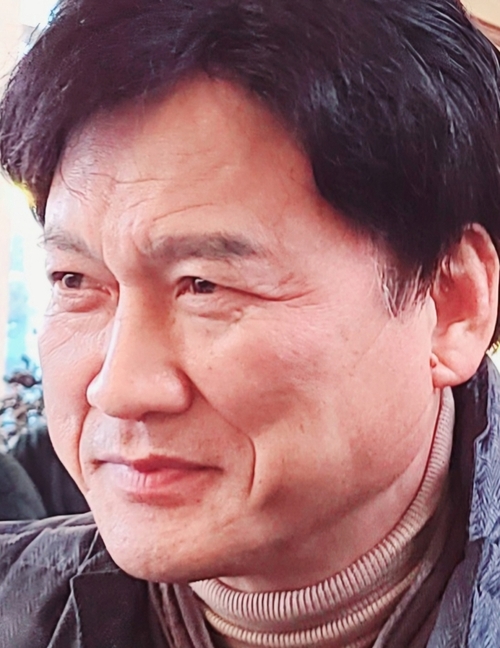
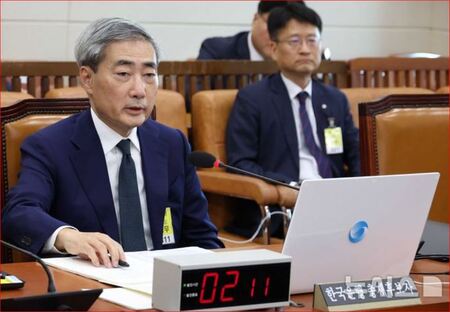
▲ 전북자치도가 미래 청정 에너지로 불리는 '인공태양 핵융합 연구시설' 유치를 위해 2009년부터 공을 들이고 있는 가운데 김관영(가운데) 도지사가 4일 국회 소통관에서 "새만금은 넓고 안정적인 부지ㆍ충분한 전력ㆍ냉각수 공급 여건ㆍ항만·도로 등 물류 인프라 접근성 및 주변 산업단지·연구기관과 연계성 등에서 최적의 경쟁력을 갖추고 있다"며 "정부와 한국핵융합에너지연구원이 새만금을 최종 입지로 선정해 줄 것"을 촉구하는 기자회견을 하고 있다. / 사진제공 = 전북특별자치도청 © 박동일 기자 |
전북자치도가 미래 청정 에너지로 불리는 '인공태양 핵융합 연구시설' 유치 활동에 나선 가운데 4일 국회 소통관에서 군산시ㆍ도내 지역 국회의원들과 기자회견을 갖고 정부와 한국핵융합에너지연구원이 새만금을 최종 입지로 선정해 줄 것을 건의했다.
이날 기자회견은 김관영 도지사와 도내 국회의원ㆍ공동유치위원장인 유희열 전 과학기술부 차관ㆍ새만금개발청ㆍ군산시ㆍ전북대학교와 군산대학교 관계자 등 16명이 참석했으며 새만금을 미래 에너지의 중심지로 육성하겠다는 뜻을 밝혔다.
김 지사는 이 자리에서 "핵융합 연구시설의 최적 입지인 새만금은 국가 교통 허브로 RE100 기반의 청정에너지 인프라를 갖춘 국내 유일의 과학기술 실증형 복합산업단지"라고 제시했다.
특히 "이 같은 특성은 인공태양(핵융합) 연구시설이 들어서기에 최적의 환경임을 보여준다"며 "전북도와 군산시는 지난 2009년부터 한국핵융합에너지연구원의 전신인 국가핵융합연구소와 협약을 체결한 데 이어 2012년에는 플라즈마기술연구소를 개소해 핵융합 연구의 기반을 마련했다"고 강조했다.
그러면서 "전북자치도는 연구시설 유치를 위한 인프라 구축과 입지 여건 개선에 지속적으로 노력해 왔다"며 "지난 2011년 수립된 새만금 종합개발계획(MP)에 한국형 핵융합 실증로 및 인공광합성 연구단지 조성이 반영돼 있다"고 설명했다.
이어 "새만금은 넓고 안정적인 부지ㆍ충분한 전력ㆍ냉각수 공급 여건ㆍ항만·도로 등 물류 인프라 접근성 및 주변 산업단지·연구기관과 연계성 등에서 최적의 경쟁력을 갖추고 있다"고 덧붙였다.
끝으로 "그동안의 핵융합 연구 협력 경험과 새만금의 인프라를 토대로 대한민국 미래 에너지의 중심지로 도약하겠다"며 "전북 정치권이 모두 한마음 한뜻으로 힘을 모은 만큼, 반드시 핵융합 연구시설을 유치할 수 있도록 끝까지 최선을 다하겠다"고 말했다.
한편 '인공태양'은 수소 원자핵 결합을 통해 수소 1g에서 석유 8t에 준하는 막대한 에너지를 생산하면서도 이산화탄소를 거의 배출하지 않는 탄소중립 시대 궁극의 에너지로 핵융합 기술의 토대를 마련하는 초대형 국책사업이다.
태양의 에너지 생성 원리를 지구에서 구현하는 핵융합은 바닷물 속 수소를 연료로 사용해 막대한 전력을 생산하는 차세대 청정에너지다.
과학기술정보통신부 주관으로 진행되는 이번 공모에 전북특별자치도 군산시와 전남 나주ㆍ경북 포항ㆍ경주ㆍ울산ㆍ대전 유성구ㆍ경남 창원 등 7곳이 유치를 신청할 것으로 알려졌다.
과기정통부는 오는 13일 유치계획서를 접수한 뒤 14일부터 20일까지 입지 적합성과 연구 인프라ㆍ정책 부합성 등을 기준으로 현장 실사를 거쳐 최종 발표할 예정이다.
'인공태양' 핵융합 연구시설은 2027년 착공해 2036년 완공이 목표다.
유치하면 10조 원 규모의 경제 파급효과와 300여 개 기업 입주ㆍ1만 개 일자리 창출이 기대된다.
☞ 아래는 위 기사를 구글 번역이 번역한 영문 기사의 '전문' 입니다.
구글 번역은 이해도를 높이기 위해 노력하고 있으며 영문 번역에 오류가 있음을 전제로 합니다.
【Below is the 'full text' of the English article translated by Google Translate.
Google Translate is working hard to improve understanding, and assumes that there are errors in the English translation.】
Jeonbuk Province Takes on the Challenge of Attracting Nuclear Fusion Research Facilities
Saemangeum… Optimal location for RE100 clean energy infrastructure and transportation hubs
Reporter Park Dong-il
As the Jeonbuk Autonomous Province is working to attract the 'Artificial Sun Nuclear Fusion Research Facility', which is called the clean energy of the future, it held a press conference with local lawmakers from Gunsan City and the province at the National Assembly Communication Center on the 4th and suggested that the government and the Korea Institute of Fusion Energy select Saemangeum as the final site.
The press conference, attended by 16 people including Governor Kim Kwan-young, provincial National Assembly members, former Vice Minister of Science and Technology Yoo Hee-yeol, who is the co-chair of the bidding committee, and officials from the Saemangeum Development and Investment Agency, Gunsan City, Chonbuk National University, and Kunsan National University, announced the intention to foster Saemangeum as a future energy hub.
Governor Kim stated, "Saemangeum, the optimal location for a nuclear fusion research facility, is the only science and technology demonstration complex in Korea equipped with RE100-based clean energy infrastructure as a national transportation hub."
In particular, he said, "These characteristics show that it is the optimal environment for an artificial sun (nuclear fusion) research facility to be established," and "Jeonbuk Province and Gunsan City signed an agreement with the National Fusion Research Institute, the predecessor of the Korea Institute of Fusion Energy, in 2009, and opened the Plasma Technology Research Institute in 2012, laying the foundation for nuclear fusion research."
Governor Kim stated at the event, "Saemangeum, the optimal location for a nuclear fusion research facility, is a national transportation hub and the only science and technology demonstration complex in Korea equipped with RE100-based clean energy infrastructure."
He emphasized, "These characteristics demonstrate that it is an optimal environment for an artificial sun (nuclear fusion) research facility." He added, "North Jeolla Province and Gunsan City signed an agreement with the National Fusion Research Institute, the predecessor of the Korea Institute of Fusion Energy, in 2009, and in 2012, they opened the Plasma Technology Research Institute, laying the foundation for nuclear fusion research."
He explained, "The Jeonbuk Autonomous Province has continuously strived to build infrastructure and improve site conditions for attracting research facilities. The Saemangeum Comprehensive Development Plan (MP), established in 2011, reflects the development of a Korean-style nuclear fusion demonstration reactor and artificial photosynthesis research complex."
He added, "Saemangeum boasts optimal competitiveness, including a large and stable site, ample power and cooling water supply, access to logistics infrastructure such as ports and roads, and connectivity with surrounding industrial complexes and research institutes."
Finally, he said, "Based on our experience in nuclear fusion research cooperation and the infrastructure of Saemangeum, we will leap forward as the center of future energy in Korea," and "As the entire political circle in Jeollabuk-do has joined forces with one mind and one purpose, we will do our best until the end to ensure that we can attract a nuclear fusion research facility."
Meanwhile, the 'Artificial Sun' is a massive national project that lays the foundation for nuclear fusion technology, the ultimate energy source for a carbon-neutral era. It produces a massive amount of energy equivalent to 8 tons of oil from 1 gram of hydrogen through nuclear bonding, while emitting virtually no carbon dioxide.
Nuclear fusion, which replicates the solar energy generation principle on Earth, is a next-generation clean energy source that generates massive amounts of electricity using hydrogen in seawater as fuel.
Seven cities, including Gunsan City in North Jeolla Province, Naju in South Jeolla Province, Pohang, Gyeongju, and Ulsan in North Gyeongsang Province, Yuseong District in Daejeon, and Changwon in South Gyeongsang Province, are expected to apply for this competition hosted by the Ministry of Science and ICT.
The Ministry of Science and ICT will accept applications for hosting on the 13th and conduct on-site inspections from the 14th to the 20th, based on factors such as site suitability, research infrastructure, and policy compliance, before making a final announcement.
Construction on the 'Artificial Sun' nuclear fusion research facility is scheduled to begin in 2027 and be completed by 2036. If successfully established, it is expected to generate an economic ripple effect of 10 trillion won, attracting approximately 300 companies and creating 10,000 jobs.
원본 기사 보기:브레이크뉴스 전북판