|
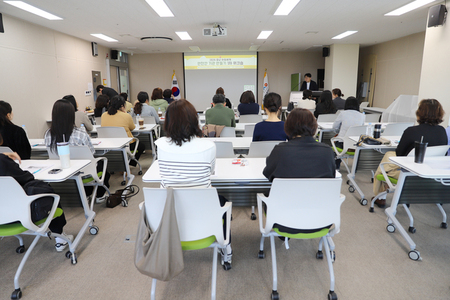
【충북 브레이크뉴스】김봉수 기자=충북 진천군은 26일 엔포드호텔 직지홀에서 제21회 생거진천 미래포럼을 성황리에 개최했다.
이번 포럼은 ‘기본사회를 실현하기 위한 생거진천의 실험목록(부제:패자부활전이 권리인 기회의 땅 만들기)’을 주제로 진행됐다.
행사는 생거진천미래포럼(대표 정재호), (사)스마트경영포럼(회장 김해수) 주최, 우석대학교 산학협력단(단장 정희석) 주관으로 열렸다.
현장에는 송기섭 진천군수, 염우 (사)풀꿈환경재단 대표이사, 남창현 (사)충북과학기술포럼협회 회장, 김동호 (사)주민참여도시만들기연구원 원장, 포럼 회원, 충북도민 등 250여 명이 참석했다.
식전 행사로는 진천군이 충북 군 단위 최초로 창단해 운영 중인 생거진천 군립교향악단이 품격 있는 공연을 펼쳤다.
좌장은 이경기 박사(우석대학교 특임 교수)가 맡았으며, 발제는 전병제 원장(한얼경제사업연구원)이 진행했다.
토론자로는 △노영숙 충북대학교 국제개발연구소 선임연구위원 △심의보 충청대학교 명예교수 △윤성진 국토연구원 청년주거정책연구단 부단장 △이영성 충북대학교 의과대학 교수 △최승호 충북연구원사회정책연구부 수석연구위원이 참여했다.
전병제 원장은 “AI(인공지능)·고령화·격차 심화 시대에 기본사회는 선택이 아니라 생존 전략”이라고 강조하며, 새 정부 1호 복지 모범사례인 진천형 통합돌봄, 전 군민 무료버스 운영, 풀뿌리 으뜸 도시 계획단 등 진천군에서 추진 중인 정책들을 ‘충북에서 가장 앞서 기본사회를 실험하는 대표 모델’이라고 평가했다.
이어 기본사회가 안정적으로 작동하기 위해서는 주인의식·행정역량·지속가능 재원·기술·세대공존 등 지역 기반의 패자부활전 구조가 필요하다고 제시했다.
먼저 노영숙 연구위원은 기술 발전·기후위기·불평등 심화 속에서 요구되는 안전의 개념을 설명하며 “기본사회는 인간의 안전과 사회적 회복력을 중심으로 재설계되어야 한다”고 주장했다.
또한 관계·연대·우분투(Ubuntu)의 가치가 새로운 안전 패러다임의 기반이라고 강조했다.
심의보 교수는 “AI 시대에는 암기 중심이 아니라 창의·문해·문제해결 중심의 인간교육이 핵심”이라며 학습격차·디지털 격차를 줄이기 위한 새로운 평생교육 체계의 필요성을 강조했다.
윤성진 부단장은 “주거는 가장 어려운 기본서비스 영역으로, 시장만으로는 해결할 수 없는 구조적 한계가 있다”고 지적하며 주거의 비동질성·비이동성·공급 시차 등을 근거로 기본사회에서의 주거정책 방향을 제시했다.
이영성 교수는 의료·돌봄의 공공성 강화 필요성을 강조하며 “필수의료 기반 확충과 지역사회 통합돌봄은 기본사회 실현의 핵심 과제”라고 밝혔다.
최승호 연구위원은 기본사회를 ‘기본적 삶을 보장하는 새로운 사회계약’으로 규정하며 안정적 소득보장, 기본서비스(의료·주거·교육·금융·통신), 열등한 경제주체의 단체교섭권 보장이 기본사회의 세 축이라고 설명했다.
또한 ‘산업화 30년–민주화 30년–기본사회 30년’이라는 패러다임 전환 필요성도 제시했다.
참석자들은 이번 포럼이 충북에서 기본사회를 제도적으로 확장하는 데 중요한 첫걸음이 될 것이라며 다양한 분야에서의 연대와 협력을 기대한다고 입을 모으며 행사를 마무리했다.
송기섭 진천군수는 “모든 국민의 기본적인 삶이 보장받는 기본사회로의 전환은 시대적 요구”라며 “실패해도 다시 일어설 수 있고 누구나 기회를 얻을 수 있는 ‘생거진천형 기본사회’가 시대적 변화의 기반이 되길 기대한다”고 말했다.
아래의 위 기사를 '구글 번역'으로 번역한 영문 기사의 [전문]입니다. '구글번역'은 이해도 높이기를 위해 노력하고 있습니다. 영문 번역에 오류가 있을 수 있음을 전제로 합니다.
The following is [the full text] of the English article translated by 'Google Trans한late'. 'Google Translate' is working hard to improve understanding. It is assumed that there may be errors in the English translation.)
Jincheon County Hosts 21st Saenggeo-Jincheon Future Forum Theme: "Saenggeo-Jincheon's Experimental List for Realizing a Basic Society"
Beyond the Realization of a Saenggeo-Jincheon-Type Basic Society, to the Realization of a North Chungcheong-type Basic Society
Jincheon County, North Chungcheong Province, successfully held the 21st Saenggeo-Jincheon Future Forum on the 26th at the Jikji Hall of the Enford Hotel.
The forum was themed "Saenggeo-Jincheon's Experimental List for Realizing a Basic Society (Subtitle: Creating a Land of Opportunity Where the Right to Resurrect Losers is a Right)."
The event was hosted by the Saenggeo-Jincheon Future Forum (CEO Jeong Jae-ho) and the Smart Management Forum (Chairman Kim Hae-soo), and organized by the Woosuk University Industry-Academic Cooperation Foundation (Director Jeong Hee-seok).
Approximately 250 people attended the event, including Jincheon County Mayor Song Ki-seop, CEO Yeom Woo of the Pulkkum Environmental Foundation, Chairman Nam Chang-hyeon of the Chungbuk Science and Technology Forum Association, and Director Kim Dong-ho of the Citizen Participation City Development Research Institute, forum members, and residents of North Chungcheong Province.
The pre-event featured a prestigious performance by the Saenggeo Jincheon County Symphony Orchestra, the first orchestra established and operated by Jincheon County in North Chungcheong Province.
Dr. Lee Gyeong-gi (Special Professor at Woosuk University) served as the moderator, and the opening remarks were delivered by Director Jeon Byeong-je of the Hanul Economic Research Institute.
The panelists included Noh Young-sook, Senior Research Fellow at the International Development Institute of Chungbuk National University; Shim Eui-bo, Professor Emeritus at Chungcheong National University; Yoon Seong-jin, Deputy Director of the Youth Housing Policy Research Group at the Korea Research Institute for Human Settlements; Lee Young-seong, Professor of the College of Medicine at Chungbuk National University; and Choi Seung-ho, Senior Research Fellow at the Social Policy Research Department of the Chungbuk Research Institute.
Director Jeon Byeong-je emphasized, "In an era of AI (artificial intelligence), aging populations, and widening inequality, a basic society is not a choice, but a survival strategy." He praised policies being implemented in Jincheon County, including the new administration's first welfare best practice, the Jincheon-style integrated care system, the free bus service for all residents, and the Grassroots Leading City Planning Group, as "a representative model for experimenting with a basic society in North Chungcheong Province."
He then suggested that for a basic society to function stably, a regionally-based, resilient structure is needed, encompassing a sense of ownership, administrative capacity, sustainable finances, technology, and intergenerational coexistence.
Research Fellow Noh Young-sook first explained the concept of safety required amidst technological advancements, climate crises, and deepening inequality, asserting, "A basic society must be redesigned with a focus on human safety and social resilience."
He also emphasized that the values of relationship, solidarity, and Ubuntu are the foundation of a new safety paradigm.
Professor Sim Eui-bo emphasized the need for a new lifelong education system to bridge the learning and digital divides, stating, "In the AI era, human education focused on creativity, literacy, and problem-solving, not memorization, is key."
Vice Director Yoon Seong-jin pointed out, "Housing is the most challenging basic service area, with structural limitations that cannot be addressed by the market alone." He proposed a direction for housing policy in a basic society, based on the heterogeneity, immobility, and supply lag of housing.
Professor Lee Young-seong emphasized the need to strengthen the public nature of healthcare and care, stating, "Expanding essential healthcare infrastructure and integrated community care are key tasks for realizing a basic society."
Research Fellow Choi Seung-ho defined a basic society as "a new social contract that guarantees a basic life," explaining that its three pillars are stable income security, basic services (healthcare, housing, education, finance, and communications), and guaranteeing collective bargaining rights for disadvantaged economic entities.
They also highlighted the need for a paradigm shift: "30 Years of Industrialization - 30 Years of Democratization - 30 Years of Basic Society."
Attendees concluded the event by unanimously agreeing that this forum would be a crucial first step toward institutionally expanding basic society in North Chungcheong Province and expressing their anticipation for solidarity and cooperation across various sectors.
Jincheon County Mayor Song Ki-seop stated, "The transition to a basic society where all citizens are guaranteed a basic standard of living is a demand of our time." He added, "I hope that a 'Jincheon-style basic society' where people can bounce back from failure and everyone has a chance will serve as the foundation for this era of change."
원본 기사 보기:충북 브레이크뉴스