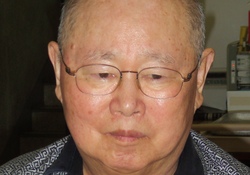
▲ 정길선 박사 ©브레이크뉴스 |
류큐 신화에서는 천신(天神) 아마미쿄(アマミキョ)의 후손이 천손씨(天孫氏) 왕조를 세우고 25대를 계승한 것으로 되어 있다. 천제(天帝)가 여신 아마미쿄(阿摩美久, 阿摩彌姑)와 남신 시네리쿄(志仁禮久)를 보내어 류큐 열도를 만들게 하였다. 그리고 나서 아마미쿄와 시네리쿄 혹은 천제의 아들 딸이 3남2녀를 낳았고, 장남이 천손씨(天孫氏), 차남이 아지(按司), 삼남이 백성의 시조가 되었으며, 장녀가 키미기미(君々), 차녀가 노로(ノロ)의 시조가 되었다고 한다. 손씨 왕조는 마지막 왕이 간신 이용(利勇)에게 시해 당해 멸망한 것으로 나타나고 있다. 이러한 류큐의 신화는 북방의 신화와 유사한 부분이 많다. 큐슈와 대만 사이의 태평양에 점도 있게 펼쳐있는 류큐 군도의 섬들에는 10세기경부터 부족 국가의 형태들이 출현하였다. 이들 섬에는 저마다 아지(按司)라고 불리는 족장들이 지배하고 있었으며 족장의 지위는 서로 평등하였고 이들은 평화로운 교류를 하고 있었다. 그러던 중 11~12세기경부터 오키나와 섬 각지와 주변 섬들에 구스쿠(御城)라는 성들이 등장하기 시작하였다.
이 때부터 대륙과 일본의 철기가 도입되고 정착 농경문화가 확립된 것으로 보인다. 이로 인해 인구도 상당수 증가했다. 이 시기 농업은 물이 잘 빠지는 석회암 대지에 밀과 조를 심고, 주변 저지대는 논으로 개간하는 형태였다. 현재 오키나와의 특산물이 된 사탕수수는 17세기가 되어서야 전해지고 있다. 구스쿠와 함께 성을 다스리는 족장 혹은 영주인 아지(按司)들은 각 지역의 실세로 등장하였다. 이들과의 경쟁과 충돌에 의해 구스쿠 시대는 전국 시대와 같은 양상을 보이게 된다. 구스쿠(城, 御城, ぐすく)는 류큐 제도에 세워진 성 또는 요새들을 말한다. 오키나와 어에는 스(す)가 시(し)로 변하는 음운 현상이 있어서 구시쿠(ぐしく)라고도 한다. 구시쿠라는 단어는 오키나와에서 현대에 많이 사용되는 발음인 것 같다. 현대 오키나와 본도에 많이 분포해 있으며 이 외에도 아마미 군도 등에도 분포되어 있다. 모든 구스쿠들을 합하면 300여개 가까이 되고 있다. 가장 빠른 시기는 11~12세기부터 구스쿠가 오키나와에서 등장하게 되는데 이전에는 석기와 금속기를 같이 사용하다가 철제와 같은 선진 문물을 받아들이면서 군장 국가 사회로 발전하게 되었기 때문으로 보인다.
구스쿠와 그 일대를 다스리는 족장 혹은 영주들을 앞서 말한 것과 같이 아지(按司)라고 불렀다. 또한 이 시기부터 류큐 왕국의 건국까지를 구스쿠 시대라고 부른다. 구스쿠는 성의 영향권 하에 놓인 지역을 의미하기도 한다. 나카구스쿠구스쿠(中城城) 같은 경우에는 나카구스쿠에 있는 구스쿠이기 때문에 나카구스쿠구스쿠라고 하는 것이고 한국으로 예를 들면 한성 및 한양을 지칭하는 것과 유사한 부분이다. 2000년에 나키진구스쿠(今帰仁城), 자키미구스쿠(座喜味城), 카츠렌구스쿠(勝連城), 나카구스쿠구스쿠(中城城), 슈리성(首里城)이 다른 유적들과 함께 류큐 왕국의 구스쿠 유적지와 관련 유산(琉球王国のグスク及び関連遺産群)이라는 이름으로 세계 유네스코 문화유산에 지정되었다. 이러한 구스쿠의 초창기 등장 원인으로는 4가지의 설이 존재하고 있다. 첫 번째 성역 설은 오키나와 사람들이 신성시하던 곳이라는 설이 존재한다. 오키나와의 류큐 신토에는 제사를 지내는 성소인 우타키(御嶽)가 있는데, 초창기의 구스쿠는 우타키(御嶽)의 역할을 했을 것이라는 주장이다. 이러한 우타키(御嶽)는 류큐 신도에서 제사 등을 하는 시설이다. 류큐 왕국이 제정한 류큐 신앙 성소의 총칭으로, 그 이전에는 다양한 호칭이 각 지방에 있었다.
이 호칭은 주로 오키나와 주변 섬에서 사용하였다. 우타키는 류큐 신화의 신이 존재하거나 방문하는 장소이며, 또한 조상신을 모시는 장소이기도 하다. 지역 제사에서는 주요 시설이며, 지역을 수호하는 성소이다. 류큐의 신앙은 신을 섬기는 것은 여성만이 가능하므로 왕국 시대는 완전히 남자는 금지이었다. 지금도 특정 지역에서는 남자의 입장을 허용하지 않는다. 특히 난죠시(南城市)에 위치한 타마구스쿠구스쿠(玉城城)의 경우에는 아직도 참배가 이루어지고 있는 현실이다. 또한 여러 구스쿠의 내부에는 우타키(御嶽)가 자리하고 있기도 하다. 두 번째 집락 설은 오키나와 사람들이 외부의 침입으로부터 공동체를 지키기 위해 건설했을 것이라는 설이 존재하고 있다. 세 번째 성관 설은 아지와 같은 유력자의 거점으로 건설되었다는 설이 있고 네 번째 삼별초 설이 존재하는데 몽골과 항쟁하던 삼별초 군이 제주도에서 패배한 이후 일부 생존자들이 오키나와로 이동하여 건설하였다는 설이다. 그리고 이와 같은 삼별초 설에 대한 근거로 구스쿠에서 출토된 기와가 고려 삼별초 시대에 제작된 기와의 문양과 유사한 제작자와 만든 시기가 기와에 표시되어 있다.
아지(按司, あじ)와 같은 호족들은 각 오키나와의 섬들 및 지역마다 성들을 건설하여 세력을 굳혔다. 류큐 왕국 시대에는 방계 왕족을 지칭하는 단어가 되었지만 3왕국 시대 이후에는 호족들이 모두 사라졌다. 또한 이러한 아지는 안지(あんじ)로 읽기도 한다. 어원은 일본어로 주인을 뜻하는 아루지(あるじ, 主)로 추정되고 있다. 12세기부터 류큐에 농경문화가 발달하면서 구스쿠 시대가 시작되었다. 이 때 등장한 지배자가 아지들은 성(城)인 구스쿠를 쌓고 그 일대를 다스렸으며 상업도 장려하여 동남아시아와 동북아시아의 해양 실크로드를 이어주는 가교 역할을 하였던 것으로 보인다. 류큐의 창세 신화에 의하면, 창세 신인 아마미키요(アマミキョ)와 시네리키요(シネリキヨ)가 낳은 3남 2녀 가운데 둘째 아들이 아지의 조상이라고 한다. 아지 이 외에도 요노누시(世の主, 세상의 주인)과 같은 칭호도 있었다. 아지와 비슷한 존재들로 아마미 군도에는 우후야(大親), 미야코지마(宮古島)에는 투유미야(豊見親)라는 신들이 있었다. 당시에는 슌텐 왕조(舜天王朝), 에이소 왕조(英祖王朝) 등의 왕조들에 국왕들이 존재하였으나, 이들은 중앙 집권 국가의 수장이라기보다 여러 아지들을 대표하는 존재였을 것으로 추정하고 있다.
사시키(佐敷)의 아지였던 쇼하시(尚巴志)가 삼산(三山)을 통일하면서 류큐 왕국이 시작되었다. 이 때부터 왕족들 또한 아지라는 칭호를 사용하기 시작하였다. 이러한 제2 쇼씨 왕조(第2 尚氏王朝)의 임금인 쇼신(尚真) 왕은 중앙집권화를 추진하면서 각지에 흩어져 있던 아지들을 수도 슈리에 모여 거주하게 하였다. 아지들을 대신하여 아지웃치(按司掟)라는 관리들을 파견하여 지방을 다스렸다. 그러나 점차 세월이 흐르면서 방계 왕족들만이 아지라고 불리게 되었다. 기존에 오키나와 각지에 할거하던 호족들은 아지 대신에 웨카타(親方, うぇーかた)라고 불리게 되었다. 이러한 아지가 거주하는 저택을 우둔(御殿, うどぅん)이라고 불렀으며, 그 가문의 주인인 아지를 부르는 호칭으로도 사용되었다.19세기 말의 아지들은 26개로 오로쿠(小祿), 윤탄자(讀谷山), 요시무라(義村), 요나시로 / 요나구스쿠(與那城), 토미구스쿠(豊見城), 오오자토(大里), 우라소에(浦添), 타마가와(玉川), 쿠니가미 / 쿤쟌(国頭), 오오무라 / 우후무라(大村), 모토부(本部), 미사토(美里), 하네지(羽地), 나고(名護), 친(金武), 마부니(摩文仁), 나카자토(仲里), 고에쿠(護得久), 오오기미(大宜見), 구시챤(具志頭), 마카베(真壁), 타마구스쿠(玉城), 구시카와(具志川), 타카미네(高嶺), 쿠시(久志), 카츠렌(勝連)이다.
구스쿠 시대 후기인 1187년 슌텐 왕이 첫 왕조인 슌텐 왕조를 개창했다. 2대 왕 슌바준키(舜馬順煕)의 선정에도 불구하고 슌텐 왕조는 3대 기혼왕(義本王) 때 멸망하고, 왕위를 찬탈한 신하 에이소가 에이소 왕조를 세우고 남송으로부터 불교를 받아들였으나 5대 만에 멸망한다. 이후 14세기 말 류큐 군도의 최대 섬인 오키나와에 남산(南山), 중산(中山), 북산(北山)의 세 왕조가 건국되었다. 이를 두고 류큐의 삼산시대 또는 삼국시대가 시작된 것이다. 삼국 중에는 오키나와 섬 가운데 위치한 중산왕국의 국력이 가장 강했고 북산왕국이 가장 최약체 국가였다. 류큐의 삼국시대에는 류큐 군도 북부의 아마미 제도와 남부의 사키시마 제도는 아직 문명적으로 미개한 상태였다. 세 왕국이 심한 내전을 벌이던 중 오키나와 섬 남부 사시키(佐敷)의 아지인 쇼 하시(尚巴志)가 등장하게 된다. 그는 1406년에 중산을 멸망시키고 아버지 쇼 시쇼(尚思紹)를 중산왕에 옹립했다. 이 때 명나라로부터 책봉을 받았는데, 왕을 죽이고 왕위를 찬탈했다고 쓸 수 없었기 때문에 왕이 죽고 세자인 쇼 시쇼가 승계했다고 보고했다. 그리고 당시 수도를 우라소에에서 슈리로 옮기고 슈리성을 왕궁으로 삼았다.
1416년에는 북산왕 한안지(攀安知)에게 불만을 가진 북산의 여러 아지들과 세력을 결집하여 북산의 수도 나키진(今帰仁)을 공격했다. 이 전투에서 북산왕 한안지는 자결하고 북산은 멸망하여 중산에 흡수되었다. 1421년에 쇼 시쇼 왕이 붕어하자 쇼 하시가 중산왕에 즉위했다. 1425년에는 명나라의 영락제가 보낸 책봉사가 도착하여 쇼 하시의 중산왕 즉위를 인정했다. 1429년 쇼 하시는 남산을 멸망시켜 마침내 삼산을 통일했다. 1430년 쇼하시는 명나라의 선덕제(宣德帝)에게 사신을 보내 “우리 류큐국은 세 왕이 다스리기를 100여 년, 전쟁이 그치지 않아 백성들이 허덕였습니다. 이를 보다 못한 제가 두 왕을 토벌했습니다. 이제 류큐는 태평성세가 되어 백성의 생활이 안정되었습니다.” 라고 보고했다. 그러자 선덕제는 “내 마음에 드는 정치이다. 자만하지 말고 나라를 안정시켜라.” 라고 답서를 파견했다. 당시 명나라 황제의 입장에서 오키나와에 대한 편견을 가지고 있었던 것도 아니고 그저 류큐 지역에서 자기들끼리 서로 전쟁을 벌였기 때문에 조공을 받는데 차질이 생기는 것에 그다지 좋아하지 않았던 것이다.
삼산이 통일된 1429년부터 제1 쇼씨(尚氏) 왕조가 시작되어 1470년까지 이어졌으며, 이 때부터 류큐 왕국으로 불리기 시작한다. 중산이 통일을 이루었기 때문에 류큐의 왕은 삼산 시대에 책봉 받은 유구국 중산왕(琉球國中山王)의 칭호를 후일 류큐가 일본에 합병되어 나라가 멸망할 때까지 사용하게 된다. 명나라와 청나라로부터 대대로 그 칭호로 책봉 받았고 조선 등 다른 나라에 국서를 보낼 때도 이 칭호를 사용했다. 또한 중산은 류큐의 별칭으로 자리 잡아 류큐의 역사서 제목에 들어가기도 했다. 恵祖世主는 '세상의 주인'이라는 뜻인데 아지와 같이 류큐의 호족을 이르는 칭호였다. 티다노코(てぃーだのこ, 日子)는 테다코(てだこ)라고도 하는데, 오키나와 어에서는 '에' 음이 '이'음으로 변하는 음운현상이 있다. 『中山世鑑)』,『中山世譜』등이 오키나와를 대표하는 역사서이기 때문에 위와 같은 사실들이 적시되어 있다. 우선 오키나와 섬은 중세 때 외부에서 바라보는 입장에 의하면 통일되었지만, 내부적으로는 여러 문제가 존재하고 있었다. 쇼 하시가 죽고 나서 왕족들 사이에 잦은 내분이 발생했다. 쇼 하시 이후 제1 쇼씨 왕조의 왕들 가운데 재위기간이 10년을 넘긴 경우가 거의 없었다.
특히 1453년, 5대 왕 쇼 킨푸쿠(尚金福) 사후 왕위를 놓고 벌어진 전투인 시로 · 후리의 난(志魯 · 布里の乱) 당시에는 슈리성이 화재로 전소되기도 했다. 1458년에는 고사마루 · 아마와리의 난(護佐丸·阿麻和利の乱)이 일어난다. 일설에 의하면 아마와리가 당시 국왕이던 쇼 타이큐에게 고사마루가 모반을 꾀하고 있다고 한 밀고가 사건의 발단이라고 전해지고 있다. 쇼 타이큐는 처음에는 이를 믿지 않았지만 신하에게 나카구스크 성을 정찰시킨 결과, 무기와 갑옷을 갖추고 있고 병사들을 훈련시키는 등의 군사준비가 이루어져 있었기에 이를 반란의 준비로써 받아들이게 되었다. 그리고 결국 쇼 타이큐는 아마와리에게 고사마루 토벌을 명령했다. 그런데 고사마루가 강화하고 있던 군사 준비는 카츠렌 반도에서 세력을 넓혀가고 있던 아마와리로부터 슈리 왕 정부를 지키고자 했던 것이었으나 왕실의 오해를 사게 된 셈이다. 당시 고사마루(護佐丸)와 아마와리(阿麻和利)는 나카구스쿠구스쿠(中城城)와 카츠렌구스쿠(勝連城)를 거점으로 한 아지들로 류큐국에서 무시할 수 없는 비중의 세력을 가진 존재들이었다. 이들 중 아마와리는 상당히 뛰어난 인물로, 그를 경계한 고사마루가 만약을 대비하여 군사를 훈련시켰다.
아마와리는 이를 역적모의로 보고 쇼 타이큐 왕에게 이를 알렸고, 왕명을 받은 아마와리는 고사마루를 공격했다. 고사마루는 왕의 군대와 맞서 전투를 벌일 수 없다며 자결하였다. 이어 자신을 견제할 세력이 없어지자 아마와리는 슈리를 공격하여 류큐 왕국을 정복하고자 했으나 결국 이러한 저항 전쟁은 실패하여 아마와리는 살해되고 말았다. 이 사건은 당시 류큐 왕국의 왕권이 약했다는 것을 보여주고 있다.
*필자/ 정길선.
노바토포스 회원, 역사학자, 고고인류학자, 칼럼니스트, 러시아 과학아카데미 유라시아 고고인류학연구소 연구교수.
*아래는 위 기사를 '구글 번역'으로 번역한 영문 기사의 [전문]입니다. '구글번역'은 이해도 높이기를 위해 노력하고 있습니다. 영문 번역에 오류가 있을 수 있음을 전제로 합니다.<*The following is [the full text] of the English article translated by 'Google Translate'. 'Google Translate' is working hard to improve understanding. It is assumed that there may be errors in the English translation.>
Okinawa Ryukyu Mythology and the History of the Founding of the Ryukyu Kingdom and the Unification of the Okinawa Islands
Columnist Jeong Gil-seon
Ryukyu mythology describes the descendants of the heavenly god Amamikyō as founding the Tenson clan dynasty, which continued for 25 generations. The emperor sent the goddess Amamikyō and the male god Shinerikyou to create the Ryukyu Islands. Then, Amami-kyo and Shinerikyo, or the sons and daughters of the Emperor, gave birth to three sons and two daughters. The eldest son became the Tenson clan (天孫氏), the second son became Aji (按司), the third son became the progenitor of the people, the eldest daughter became the progenitor of Kimigimi (君々), and the second daughter became the progenitor of Noro (ノロ). The Son dynasty is said to have fallen when the last king was assassinated by the treacherous official Yi Yong (利勇). These Ryukyu myths have many similarities with northern myths. In the Ryukyu archipelago, which is dotted across the Pacific Ocean between Kyushu and Taiwan, tribal states began to appear around the 10th century. Each of these islands was ruled by a chieftain called Aji (按司), and the chieftains' status was equal, and they interacted peacefully. Then, around the 11th and 12th centuries, castles called gusuku (御城) began to appear throughout Okinawa and its surrounding islands.
It seems that ironware from the continent and Japan was introduced around this time, and a settled agricultural culture was established. This led to a significant population increase. Agriculture during this period consisted of planting wheat and millet on well-drained limestone soil, and reclaiming the surrounding lowlands for rice paddies. Sugarcane, now a specialty of Okinawa, was not introduced until the 17th century. Aji (按司), chieftains or lords who ruled castles alongside gusuku, emerged as powerful figures in each region. Competition and conflict with these leaders gave the Gusuku period a pattern reminiscent of the Warring States period. A gusuku (御城, ぐすく) refers to a castle or fortress built in the Ryukyu Islands. In Okinawan, the sound "su" (す) changes to "shi" (し), leading to the term "gushiku" (ぐしく). The word "gushiku" appears to be a pronunciation widely used in modern Okinawa. They are widely distributed on the main island of Okinawa, as well as in the Amami Islands and other areas. Altogether, there are nearly 300 gusuku. Gusuku first appeared in Okinawa in the 11th or 12th century. This is likely due to the adoption of advanced technologies like iron, which had previously been used alongside stone tools. Gusuku developed into a military-dominated society.
As mentioned above, the chieftains or lords who ruled the gusuku and their surrounding areas were called "aji" (按司). The period from this period to the founding of the Ryukyu Kingdom is called the Gusuku Period. Gusuku also refers to the area under the sphere of influence of a castle. In the case of Nakagusukugusuku (中城城), it is called Nakagusukugusuku because it is a gusuku in Nakagusuku, and it is similar to how it refers to Hanseong and Hanyang in Korea. In 2000, Nakijingusuku (今帰仁城), Zakimigusuku (座喜味城), Katsurengusuku (勝連城), Nakagusukugusuku (中城城), and Shurijo Castle were designated as UNESCO World Heritage Sites under the name of Gusuku Sites and Related Properties of the Kingdom of Ryukyu, along with other sites. There are four theories about the initial appearance of these gusuku. The first theory is that they were sacred places that the Okinawan people held sacred. In Okinawa's Ryukyu Shinto, there are utaki (御嶽), sacred places for rituals. It is argued that the early gusuku served as utaki. These utaki (御嶽) are facilities for rituals and other activities in Ryukyu Shinto. This general term for Ryukyu religious sacred places was established by the Ryukyu Kingdom, and prior to that, various names existed in each region.
This term was primarily used on the islands surrounding Okinawa. Utaki are places where gods of Ryukyu mythology reside or visit, and are also places for ancestral spirits. They are key facilities for local rituals and sacred places that protect the area. Ryukyu faith allows only women to worship gods, so during the kingdom era, men were completely banned. Even today, certain areas do not permit men to enter. In particular, worship at Tamagusuku-gusuku (玉城城) in Nanjo City continues to be practiced. Additionally, many gusuku sites house utaki (temples). A second theory suggests that the Okinawans built them to protect their communities from external invasion. A third theory suggests that they were built as strongholds for influential figures like Aji. A fourth theory, the Sambyeolcho theory, suggests that some survivors of the Sambyeolcho army, who were fighting against the Mongols and were defeated on Jeju Island, moved to Okinawa and built them. This theory is supported by the fact that tiles excavated from gusuku sites bear marks indicating the maker and date of construction, similar to tiles made during the Goryeo Sambyeolcho period.
Lords like Aji (按司, あじ) solidified their power by building castles on each island and region of Okinawa. During the Ryukyu Kingdom, the term "Aji" referred to collateral royal families, but after the Three Kingdoms period, all such families disappeared. Also, these Ajis are sometimes read as Anji (あんじ). It is thought that the etymology is aruji (あるじ, lord) in Japanese, meaning master. Starting in the 12th century, as agricultural culture developed in Ryukyu, the Gusuku period began. The rulers who emerged at this time, the Ajis, built Gusuku castles and governed the area. They also promoted commerce and seem to have served as a bridge connecting the maritime Silk Road of Southeast Asia and Northeast Asia. According to the Ryukyu creation myth, the second son of the three sons and two daughters born to the creation god Amamikiyo (アマミキョ) and Shinerikiyo (シネリキヨ), is said to be the ancestor of Aji. In addition to Aji, there were also titles such as Yononushi (世の主, lord of the world). Similar beings to Aji existed in the Amami Islands, such as Ufuya (大親) and Tuyumiya (豊見親) on Miyakojima. While dynasties like the Shunten Dynasty and the Eisō Dynasty had kings at the time, it is believed that these kings represented various Aji rather than heads of centralized power.
The Ryukyu Kingdom began when Shō Hashi, Aji of Sashiki, unified the three mountains. From this time on, the royal family also began using the title Aji. King Shō Shin, the king of the Second Shō Dynasty, promoted centralization and brought the Aji, who were scattered throughout the region, together in the capital, Shuri. Instead of the ajis, officials called ajiutchi (按司掟) were dispatched to govern the provinces. However, as time passed, only the collateral royal family came to be called aji. The local clans that had previously ruled various parts of Okinawa began to be called wekata (親方, うぇーた) instead of aji. The mansion where these aji lived was called Udun (御殿, うどぅん), and it was also used as a title for the aji, the head of the family. There were 26 aji in the late 19th century: Oroku, Yuntanza, Yoshimura, Yonashiro / Yonagusuku, Tomigusuku, Oozato, Urasoe, Tamagawa, Kunigami / Kunjan, Oomura / Uhumura, Motobu, Misato, Haneji, Nago, Chin, Mabuni, They are Nakazato, Goeku, Oogimi, Gushichan, Makabe, Tamagusuku, Gushikawa, Takamine, Kushi, and Katsuren.
In 1187, during the late Gusuku period, Emperor Shunten founded the Shunten Dynasty, the first dynasty. Despite the good governance of the second emperor, Shunba Junki, the Shunten Dynasty was destroyed by the third emperor, Emperor Gihon. His usurper, Eiso, established the Eiso Dynasty, which adopted Buddhism from the Southern Song Dynasty, but it also fell after five generations. Later, in the late 14th century, the three dynasties of Nanzan, Chuzan, and Hokuzan were established on Okinawa, the largest island in the Ryukyu Islands. This marked the beginning of the Ryukyu Sanzan period or Three Kingdoms period. Of the three kingdoms, the Chuzan Kingdom, located in the center of Okinawa Island, was the strongest, while the Hokuzan Kingdom was the weakest. During the Three Kingdoms period, the Amami Islands in the northern part of the Ryukyu Islands and the Sakishima Islands in the southern part were still underdeveloped. While the three kingdoms were engaged in a fierce civil war, Sho Hashi, a vassal of Sashiki in southern Okinawa Island, emerged. He destroyed Chuzan in 1406 and installed his father, Sho Shisho, as the King of Chuzan. At this time, he received investiture from the Ming Dynasty. However, since it was impossible to report that he had killed the king and usurped the throne, he reported that the king had died and that his son, Crown Prince Shō Shisho, had succeeded him. He then moved the capital from Urasoe to Shuri and made Shuri Castle the royal palace.
In 1416, he joined forces with several of the Hokuzan vassals dissatisfied with Hokuzan King Han Anji and attacked the Hokuzan capital, Nakijin (present-day Taijin). In this battle, Hokuzan King Han Anji committed suicide, and Hokuzan was destroyed and absorbed into Zhongshan. When Shō Shisho died in 1421, Shō Hashi ascended to the throne as Zhongshan King. In 1425, an investiture envoy from the Yongle Emperor of the Ming Dynasty arrived, acknowledging Shō Hashi's ascension to the throne. In 1429, Shō Hashi destroyed Nanshan, ultimately unifying the Three Mountains. In 1430, Shō Hashi sent an envoy to the Ming Emperor Xuande, reporting, "Our Ryukyu Kingdom has been ruled by three kings for over a century, and war has been relentless, causing suffering for the people. Unable to bear this, I subdued two of them. Now, Ryukyu has entered a period of peace and prosperity, and the people's lives are stable." The Ming Emperor responded, "This is a policy I like. Don't be complacent and stabilize the country." The Ming emperor at the time wasn't prejudiced against Okinawa; he simply wasn't pleased with the disruption to tribute collection caused by the wars between the Ming and Ming within the Ryukyu region.
The First Shō Dynasty began in 1429, following the unification of the three mountains, and lasted until 1470. From this time, the Ryukyu Kingdom began to be known as the Ryukyu Kingdom. Because the Central Plains achieved unification, the king of Ryukyu was given the title of King of Ryukyu Kingdom, King of Chuzan (琉球國中山王), which was granted during the Sansan period, and later Ryukyu was incorporated into Japan. It was used until the country was annexed and destroyed. They were granted this title by the Ming and Qing Dynasties for generations, and this title was also used when sending state letters to other countries such as Joseon. In addition, Chuzan became established as an alias for Ryukyu and was included in the title of a Ryukyu history book. 恵祖世主 means “lord of the world,” and like Aji, it was a title referring to a powerful family in Ryukyu. Tidanoko (てぃーだのこ, 日子) is also called Tedakō (てだこ), and in Okinawan, there is a phonetic phenomenon in which the sound “e” changes to the sound “i.” Since 『中山世鑑』 and 『中山世譜』 are representative history books of Okinawa, the above facts are written about them. First of all, although Okinawa Island was unified from an external perspective during the Middle Ages, there were various internal problems. After Shō Hashi's death, frequent internal strife erupted within the royal family. After Shō Hashi, few kings of the First Shō Dynasty lasted more than ten years.
Notably, in 1453, during the Shiro-Furi Rebellion (志魯-布里の乱), a battle for the throne following the death of the fifth king, Shō Kinpuku, Shuri Castle was completely destroyed by fire. In 1458, the Gosamaru-Amawari Rebellion (護佐丸-阿麻和利の乱) broke out. According to one theory, the incident began when Amawari informed the then-Emperor Shō Taikyū that Gosamaru was plotting a rebellion. Shō Taikyū initially disbelieved this, but upon having his retainers reconnoiter Nakagusuku Castle, he discovered that it was equipped with weapons, armor, and trained soldiers, leading him to accept this as a rebellion. Ultimately, Shō Taikyū ordered Amawari to subdue Gosamaru. Gosamaru's strengthened military preparations were intended to protect the Shuri royal government from Amawari, who was expanding his influence in the Katsuren Peninsula. However, this led to a misunderstanding within the royal family. At the time, Gosamaru and Amawari, both based in Nakagusuku-gusuku and Katsuren-gusuku, were significant figures in the Ryukyu Kingdom. Among them, Amawari was a particularly prominent figure, and Gosamaru, wary of him, trained his troops in preparation for a possible attack.
Amawari, believing this to be a treasonous plot, reported it to Emperor Shō Taikyū. Following the king's orders, Amawari attacked Gosamaru. Unable to fight against the king's forces, Gosamaru committed suicide. Left with no other forces to challenge him, Amawari attempted to conquer the Ryukyu Kingdom by attacking Shuri. However, this resistance ultimately failed, and Amawari was killed. This incident demonstrates the weakness of the Ryukyu Kingdom's royal authority at the time.