|
【충북 브레이크뉴스】김봉수 기자=충청북도의 열악한 필수의료 현실을 개선하고 도민의 생명권을 확보하기 위한 강력한 호소문이 발표됐다. 충북의 '치료가능사망률'이 전국 최하위 수준인 심각한 상황을 지적하며, 응급의료 인프라 확충을 위한 네 가지 핵심 과제를 정부와 국회에 촉구했다.
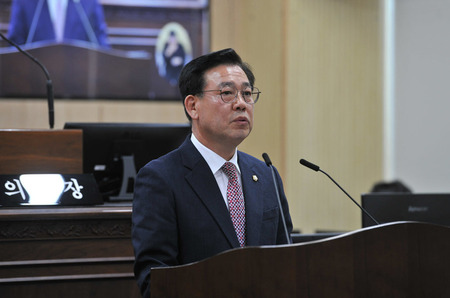
송기섭(사진) 진천군수는 12일 호소문을 통해 "충북의 치료가능사망률(49.94명)은 전국 17개 시·도 중 최하위"라고 밝히며, 이는 "제때 적절한 치료만 받았다면 살릴 수 있었던 소중한 생명을 지키지 못했다는 뼈아픈 현실"이라고 강조했다. 치료가능사망률은 지역 의료체계의 수준을 보여주는 핵심 지표로, 충북 도민이 응급 상황 시 생명을 위협받는 구조에 놓여 있음을 경고했다.
현재 충북은 권역응급의료센터가 충북대학교병원 단 1곳에 불과해 도 전역의 중증·응급환자를 감당하기에 턱없이 부족한 실정이다. 강원도 2곳, 전북도 2곳, 전남 3곳과 비교해 현저히 낮은 수준이다.
특히, 충북 남부권(보은·옥천·영동)은 권역응급센터를 보완할 지역응급의료센터가 전무하여 도민들이 응급 상황 발생 시 '골든타임'을 지키기 어려운 의료 사각지대에 놓여 있다고 지적했다.
육로뿐 아니라 하늘길 응급 이송망에서도 충북은 소외되어 있다. 전국적으로 8대의 닥터헬기가 운영되고 있지만, 충북에는 단 한 대도 배치되지 않은 몇 안 되는 지역이다.
송 군수는 이 같은 현실을 타개하기 위해 ▲국립소방병원 권역응급의료센터 신규 지정 ▲남부권 지역응급의료센터 신규 지정·육성 ▲충북도 닥터헬기 배치 추진 ▲필수의료 특별법 조속 제정 촉구 등 4대 과제를 반드시 실현해야 한다고 호소했다.
특히, 곧 개원을 앞둔 국립소방병원의 권역응급의료센터 지정은 선택이 아닌 필수 과제임을 강조했다. 이 병원이 권역응급센터로 지정되어야 진천, 음성, 증평, 괴산 등 중부 4군의 응급환자 수요를 분산하고 충북 북부권 전역을 관할하는 새로운 응급의료망의 축을 세울 수 있다는 주장이다. 이는 충북대병원에 집중된 응급 수요를 분담하고 지역 전체의 균형 있는 응급의료망을 구축하는 가장 현실적인 해법으로 제시됐다.
또한, 의료 안전망이 취약한 남부권에 지역응급의료센터를 신규 지정·육성하여 의료 사각지대를 해소하는 것이 필수적이라고 덧붙였다.
국회에서 논의 중인 '필수의료 강화 및 지역의료 격차 해소를 위한 특별법(필수의료 특별법)'의 조속한 제정도 강력히 촉구했다. 이 법안은 국가와 지방자치단체가 필수의료 종합계획을 수립하고 인프라를 확충하도록 의무를 부여하며, 의료 인력과 시설의 지역 격차 해소를 위한 내용을 담고 있다.
송 군수는 이 법이 통과되면 응급·중증환자는 물론 분만, 소아 등의 의료 인프라 부족을 겪는 의료 취약지에 대한 지원이 획기적으로 강화될 것으로 기대된다고 밝혔다.
송 군수는 "아플 때 제때 치료받지 못해 도민이 생명을 잃는다면 그것은 공허한 발전일 뿐*이라며, 충북의 의료 인프라 격차 해소는 더 이상 미룰 수 없는 절박한 과제임을 역설하며 호소문을 마무리했다.
아래의 위 기사를 '구글 번역'으로 번역한 영문 기사의 [전문]입니다. '구글번역'은 이해도 높이기를 위해 노력하고 있습니다. 영문 번역에 오류가 있을 수 있음을 전제로 합니다.
The following is [the full text] of the English article translated by 'Google Trans한late'. 'Google Translate' is working hard to improve understanding. It is assumed that there may be errors in the English translation.)
Jincheon County Mayor Song Ki-seop Issues SOS for Improvement of Essential Medical Infrastructure, Noting that Chungcheongbuk-do's Treatable Mortality Rate is the Lowest in the Nation
Calls for Four Key Tasks, Including the Designation of the National Fire Hospital as a Regional Emergency Center and the Introduction of a Doctor Helicopter
A powerful appeal has been released to improve the poor state of essential medical care in North Chungcheong Province and secure the right to life of its residents. Pointing out the dire situation of North Chungcheong Province's "treatable mortality rate," which is among the lowest in the nation, the appeal calls for the government and the National Assembly to implement four key tasks to expand emergency medical infrastructure.
Jincheon County Mayor Song Ki-seop (pictured) stated in his appeal on the 12th, "North Chungcheong Province's treatable mortality rate (49.94) is the lowest among 17 cities and provinces nationwide." He emphasized, "This is a painful reality that precious lives that could have been saved with timely and appropriate treatment have not been preserved." The treatable mortality rate is a key indicator of the quality of the local medical system, and he warned that North Chungcheong Province residents are facing life-threatening situations in emergency situations.
Currently, North Chungcheong Province has only one regional emergency medical center, Chungbuk National University Hospital, which is woefully inadequate to handle the severe and emergency patients across the province. This is significantly lower than the two in Gangwon Province, two in North Jeolla Province, and three in South Jeolla Province.
In particular, the southern region of North Chungcheong Province (Boeun, Okcheon, and Yeongdong) lacks any regional emergency medical centers to complement the regional emergency centers, leaving residents in a medical blind spot, unable to access the "golden hour" in emergency situations.
North Chungcheong Province is also excluded from the airborne emergency transport network, as well as from land transport. While eight doctor helicopters are in operation nationwide, North Chungcheong Province is one of the few regions without a single one.
To overcome this current situation, Governor Song urged the implementation of four key tasks: ▲designating a new Regional Emergency Medical Center at the National Fire Hospital, ▲designating and fostering a new Regional Emergency Medical Center in the southern region, ▲promoting the deployment of the Doctor Helicopter in North Chungcheong Province, and ▲urging the swift enactment of the Special Act on Essential Medical Services.
He emphasized that the designation of the National Fire Hospital, which is scheduled to open soon, as a Regional Emergency Medical Center is not an option but a necessity. He argued that this hospital's designation as a Regional Emergency Medical Center would distribute emergency patient demand from the four central counties of Jincheon, Eumseong, Jeungpyeong, and Goesan, and establish a new axis of an emergency medical network covering the entire northern part of North Chungcheong Province. This designation was presented as the most realistic solution to share the emergency needs currently concentrated at Chungbuk National University Hospital and establish a balanced emergency medical network throughout the region.
He also added that it is essential to designate and foster new Regional Emergency Medical Centers in the southern region, where the medical safety net is weak, to address medical blind spots.
They also strongly urged the swift enactment of the "Special Act on Strengthening Essential Medical Care and Resolving Regional Medical Disparities (Special Act on Essential Medical Care)" currently under discussion in the National Assembly. This bill mandates the central and local governments to establish comprehensive plans for essential medical care and expand infrastructure, and includes provisions to address regional disparities in medical personnel and facilities.
Governor Song stated that if this law passes, it is expected to significantly enhance support for medically vulnerable areas suffering from insufficient medical infrastructure, including those requiring emergency and critical care, as well as for delivery and pediatric care.
Governor Song concluded his appeal by emphasizing that "if residents lose their lives due to lack of timely treatment when sick, it would be nothing but wasted progress*," emphasizing that resolving the gap in North Chungcheong Province's medical infrastructure is an urgent task that can no longer be delayed.
원본 기사 보기:충북 브레이크뉴스