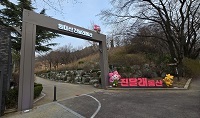
▲ 이재명 대통령이 보건복지부에 이른바 '응급실 뺑뺑이'와 관련된 대책 마련을 지시한 가운데 전북ㆍ광주 119 구급대와 전북대병원 의료진의 협력이 빛을 발산해 두 생명을 지켜냈다. (전북권역 응급의료센터 전경) / 사진제공 = 전북대학교병원 © 김현종 기자 |
이재명 대통령이 보건복지부에 이른바 '응급실 뺑뺑이'와 관련된 대책 마련을 지시한 가운데 전북대학교병원이 생명을 지키는 공공의료 중심으로 부각해 화제를 모으고 있다.
국립중앙의료원 중앙응급의료센터가 발표한 '2024 주요 중증 응급질환 지표' 등에 따르면 도내 응급의료기관에 내원한 중증 응급환자가 거주하는 지역 내 응급실에 내원한 비율은 90.7%로 나타났다.
중증 응급환자는 ▲ 심근경색 ▲ 뇌졸중 ▲ 중증 외상 등 3대 중증 응급질환을 비롯 28개 질환을 지닌 환자다.
관내 이용률은 지역에 거주하는 환자의 총 의료 이용량 중 해당 지역에 있는 의료기관을 이용한 비율로, 지역 내 의료자원 이용 정도를 나타낸다.
특히 전북대학교병원은 지역을 넘어 작동한 응급의료 협력체계가 빛을 발산했다.
지난 7일 광주에서 갑작스러운 경련으로 쓰러진 어린이 환자가 전북대병원으로 긴급 이송돼 생명을 구했다.
당시 원인 불명의 급성 경련으로 생과 사의 고비를 넘나드는 위태로운 상황에 직면했으나 해당 지역 내에서 치료가 어려운 상태로 판단됐다.
119 구급대는 '응급실 뺑뺑이'라고 불리는 긴급환자 병원 탐색 과정이 반복되는 선택의 시간이 빠르게 줄어드는 가운데 아이를 살릴 수 있는 최선의 판단으로 광주를 넘어 전북대학교병원으로 긴급 이송을 결정했다.
의료진은 아이가 병원에 도착한 즉시 지체 없는 처치로 호흡과 의식을 지켜냈고 작은 생명을 지키기 위해 모든 역량을 집중한 결과, 안정을 되찾았으며 현재 회복 단계에 접어 들었다.
또 ▲ 전주 덕진소방서 ▲ 송천지구대 ▲ 전북대병원 의료진의 신속한 공조로 세 차례의 심정지를 극복한 사례가 최근 커뮤니티 게시판에 올라온 한 보호자의 감사 글이 공감과 울림을 얻고 있다.
사연에 따르면 환자는 자택에서 갑작스럽게 심정지로 쓰러졌고 전주 덕진소방서 119 구급 대원의 신속한 심폐소생술(CPR)로 생명을 되찾았다.
응급실 이송 과정에 덕진경찰서 송천지구대 경찰관들은 구급차가 신속하게 병원에 도착할 수 있도록 이동 동선의 교통을 지원해 전북대병원 응급의료센터에 무사히 도착했다.
하지만, 이송하는 과정에 또 한차례 심정지가 발생했고 전북대병원 응급의료센터 의료진의 즉각적인 심폐소생술로 멈춘 심장이 다시 뛰기 시작했다.
이후, 또 한 번의 심정지가 발생하는 생명의 위기를 맞았으나 심장내과 의료진의 신속한 대응과 집도로 고비를 넘겨 현재 일상생활이 가능할 정도로 회복해 가족과 함께 지내고 있다.
보호자는 "세 차례의 심정지 상태를 눈앞에서 지켜보며 사흘 동안 의식 없는 어머니가 깨어나기만을 간절히 기도했다"며 "이제는 좋아하는 꽃을 가꾸며 제 곁에 계시고 구급대원과 의료진의 헌신에 깊은 감사를 드리며 받은 도움을 잊지 않고 살아가겠다"는 게시글을 통해 소식을 알렸다.
양종철 전북대병원장은 "응급의료는 병원 안에서만 완성되지 않는다"며 "이 두 사례의 공통점은 어느 한 기관의 힘만으로는 불가능했고 권역 책임의료기관으로 지역과 지역을 잇는 최종 안전망 역할을 수행하고 있음을 보여주는 상징적 장면"이라고 설명했다.
그러면서 "앞으로도 119ㆍ경찰ㆍ타 지역 의료기관과 긴밀한 협력을 통해 가장 절박한 순간에도 신뢰받는 병원이 될 수 있도록 현장과 병원을 잇는 응급의료 협력체계를 공고하게 구축하는데 최선을 다하겠다"고 덧붙였다.
☞ 아래는 위 기사를 구글 번역이 번역한 영문 기사의 '전문' 입니다.
구글 번역은 이해도를 높이기 위해 노력하고 있으며 영문 번역에 오류가 있음을 전제로 합니다.
【Below is the 'full text' of the English article translated by Google Translate.
Google Translate is working hard to improve understanding, and assumes that there are errors in the English translation.】
Jeonbuk National University Hospital Leads the Way as a Regional Responsible Medical Institution
Jeonbuk and Gwangju emergency medical teams collaborated to save two lives!
Reporter Kim Hyun-jong
As President Lee Jae-myung instructed the Ministry of Health and Welfare to develop measures to address the so-called 'emergency room roundabout,'Chonbuk National University Hospital is attracting attention for its role as a leading public health center that protects lives.
According to the '2024 Major Critical Emergency Disease Indicators'released by the National Medical Center's Central Emergency Medical Center, 90.7% of critically ill patients admitted to emergency medical institutions in the province visited emergency rooms within their local area.
Severely ill patients are those with 28 conditions, including the three most common critical emergencies: myocardial infarction, stroke, and severe trauma.
The regional utilization rate represents the proportion of total medical use by patients residing in a region who utilize medical institutions within that region, indicating the extent of regional medical resource utilization.
In particular, Chonbuk National University Hospital's emergency medical cooperation system, operating across regional boundaries, shined.
On the 7th, a child in Gwangju collapsed from a sudden seizure and was rushed to Chonbuk National University Hospital, saving his life.
At the time, the child was in a critical condition, teetering on the brink of death due to an acute seizure of unknown cause, but treatment within the region was deemed difficult.
The 119 rescue team, faced with a rapidly dwindling timeline for emergency hospitals, often called 'ER roundabouts,'decided to urgently transport the child to Chonbuk National University Hospital, across Gwangju, as the best option to save the child's life.
The medical team immediately administered immediate treatment to the child upon arrival at the hospital, preserving his breathing and consciousness.
Focusing all their resources on preserving the little life, the child regained stability and is now in the recovery phase.
A recent post on a community bulletin board by a guardian resonated with the story of a patient who overcame three cardiac arrests thanks to the swift cooperation of medical staff from Jeonju Deokjin Fire Station, Songcheon District Police Station, and Jeonbuk National University Hospital.
According to the story, the patient suddenly collapsed into cardiac arrest at home and was revived by the Jeonju Deokjin Fire Station's 119 emergency medical personnel who performed rapid cardiopulmonary resuscitation (CPR).
During the transport to the emergency room, officers from the Songcheon District Police Station at Deokjin Police Station assisted with traffic management to ensure the ambulance arrived at the hospital quickly, safely arriving at the Chonbuk National University Hospital Emergency Medical Center.
However, during the transport, another cardiac arrest occurred, and the Chonbuk National University Hospital Emergency Medical Center medical staff immediately administered CPR, restarting the patient's heart.
Afterwards, he faced another life-threatening cardiac arrest, but thanks to the quick response and surgery of the cardiology team, he recovered to the point where he is now able to lead a normal life and is living with his family.
The guardian announced the news through a post saying, "I watched my mother go into cardiac arrest three times right before my eyes and prayed fervently for three days for her to wake up while she was unconscious."
He added, "Now, I will live my life growing my favorite flowers and being deeply grateful for the dedication of the paramedics and medical staff, never forgetting the help I received."
Yang Jong-cheol, the president of Jeonbuk National University Hospital, said, "Emergency medical care cannot be completed within the hospital alone," and explained, "The commonality between these two cases is that it was impossible for any one institution to handle them alone, and it is a symbolic scene that shows that regional medical institutions are performing the role of the final safety net connecting regions."
He added, "We will continue to work closely with 119, the police, and other regional medical institutions to establish a strong emergency medical cooperation system that connects the field and the hospital so that we can become a hospital that is trusted even in the most urgent moments."
원본 기사 보기:브레이크뉴스 전북판