브레이크뉴스 김충열 정치전문기자 = 우원식 국회의장은 28일, 의장집무실에서 ‘시민개헌넷’ 대표단을 만나, 2026년 지방선거를 계기로 한 단계적 개헌과 이를 위한 국민투표법 개정의 시급성을 강조했다.
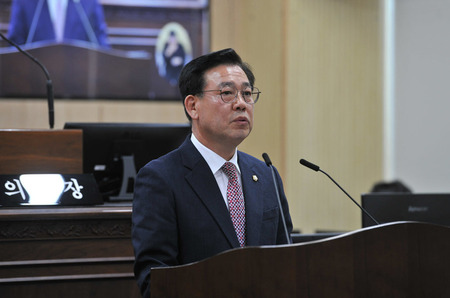
 ▲ 우원식 의장은 "각 정당이 개헌의 유불리를 따지며 논의를 공전시켰던 과거의 과오를 되풀이해서는 안 된다"며, “다가오는 지방선거를 기점으로 여야 합의와 국민 의견 수렴이 가능한 범위 내에서의 '단계적 개헌'을 추진해야 한다”고 제안했다. © 국회의장실 |
사회 변화 반영한 '단계적 개헌' 제안
우 의장은 이날 간담회에서 "AI 기술 발전 등 급격한 사회 변화를 담아내고, 단순한 지방 분권을 넘어 지역 균형 발전을 실현하기 위한 새로운 헌법적 토대가 필요하다"고 밝혔다.
특히 "각 정당이 개헌의 유불리를 따지며 논의를 공전시켰던 과거의 과오를 되풀이해서는 안 된다"며, “다가오는 지방선거를 기점으로 여야 합의와 국민 의견 수렴이 가능한 범위 내에서의 '단계적 개헌'을 추진해야 한다”고 제안했다.
국민투표법 개정이 개헌의 첫 단추
우 의장은 개헌 실현을 위한 구체적인 로드맵으로 '국민투표법 개정'을 최우선 과제로 꼽았다. 현재 헌법재판소의 헌법불합치 결정 이후 방치된 국민투표법을 정상화해야 실질적인 개헌 논의가 가능하다는 판단이다.
"윤 전 대통령 내란 재판 1심 이후 개헌 동력 확보될" 전망
그는 "윤석열 전 대통령의 내란 재판 1심 선고 이후 민주주의 강화를 위한 개헌의 결정적 시기가 올 수 있다"며 "남은 시간이 촉박한 만큼, 우선 국민투표법 개정에 집중해 개헌 논의가 급물살을 탈 수 있는 여건을 조성해야 한다"고 설명했다.
시민사회 "주권자의 권리 복원과 대한민국 바로 세우기“
시민사회 대표단 역시 개헌의 필요성에 적극 공감하며 국회의 결단을 촉구했다. 한상희 참여연대 공동대표는 "국민이 진정한 주권자로 바로 서기 위해 개헌은 필수적이며, 이는 국민 스스로 삶과 공동체를 바꿔나가는 과정"이라고 강조했다. 이어 윤복남 민변 회장은 "시민의 힘으로 막아낸 내란 상황을 완전히 극복하려면 헌법 개정이 필요하다"며 "박탈된 국민투표권을 신속히 복원해 시민의 열망을 담은 개헌에 나서달라"고 요청했다.
이날 접견에는 시민개헌넷 측에서 ▲한상희 참여연대 공동대표 ▲윤복남 민변 회장 ▲양이현경 한국여성단체연합 상임대표 ▲류종열 전국시국회의 공동대표 ▲연성수 국민참여개헌시민행동 공동대표 등이 참석했으며, 국회 측에서는 이원정 정책수석비서관과 박태서 공보수석비서관이 배석했다.
 ▲ 우원식 의장은 "윤석열 전 대통령의 내란 재판 1심 선고 이후 민주주의 강화를 위한 개헌의 결정적 시기가 올 수 있다"며 "남은 시간이 촉박한 만큼, 우선 국민투표법 개정에 집중해 개헌 논의가 급물살을 탈 수 있는 여건을 조성해야 한다"고 설명했다. © 사진, 국회의장실 제공 |
한편, 국민주권정부를 표방하는 이재명 정부에서 국민들은 왜 개헌을 추진하지 않은지 의구심을 갖고 있는 것도 사실이다. 필요 할때만 개헌을 부르짖고 정권을 잡으면 언제 그랬냐는 식으로 돌아서는 것은 이재명 정부도 똑같은가?
하지만 이재명 더불어민주당 대표가 대선 후보 시절부터 개헌을 강조했음에도 불구하고, 실제 추진 과정에서 동력이 떨어지거나 지연된 이유에 대해서는 분분하다.
1. 여야 간 '개헌 범위'에 대한 동상이몽
가장 큰 이유는 개헌의 내용과 범위에 대한 여야의 합의가 사실상 불가능했기 때문이다.
당시 이재명 후보 측: 대통령 단임제를 4년 중임제로 변경하고, 지방분권 강화, 국민 기본권 확대 등을 포함하는 종합적인 개헌을 선호했다.
국민의힘(여권) 측: 권력 구조 개편(내각제적 요소 도입 등)에 대해 당내 의견이 갈렸고, 무엇보다 현직 대통령의 임기 및 권한과 직결되는 문제라 논의 자체에 소극적이었다.
2. '개헌 유불리'를 따지는 정치적 계산
대선 직후에는 정권 교체에 따른 국정 동력 확보가 우선이었고, 이후 총선을 앞둔 시점에서는 개헌 논의가 모든 이슈를 빨아들이는 '블랙홀'이 될 것을 우려해 지도부 차원에서 속도 조절을 한 측면이 있다.
3. 국민투표법의 공백 (법적 걸림돌)
실무적으로 가장 큰 문제는 현재 국민투표법이 헌법재판소의 헌법불합치 결정 이후 개정되지 않은 상태라는 점이다. 재외국민의 투표권 제한 문제로 법이 효력을 상실한 상태라, 현재로서는 개헌안이 국회를 통과하더라도 국민투표를 치를 법적 근거가 부실하다. 우 의장이 "국민투표법 개정"을 먼저 강조한 이유도 이 장애물을 먼저 치워야 하기 때문이다.
4. 시급한 현안에 밀린 우선순위
대선 이후 이재명 대표는 각종 사법 리스크 대응과 경제 현안, 당내 통합 등에 집중해야 했다. 특히 윤석열 정부와의 대립각이 가팔라지면서, 여야 합의가 필수적인 개헌 논의는 우선순위에서 뒤로 밀리게 되었다.
5. '내란 사태' 등 정국 변화
최근 윤석열 전 대통령의 내란 혐의 등 급격한 정세 변화가 오히려 개헌의 새로운 명분(민주주의 강화 등)을 제공하고 있는 상황이다. 이전까지는 추진 동력이 부족했다면, 이제는 '새로운 대한민국'을 건설하자는 차원에서 다시 논의를 시작하려는 움직임으로 볼 수 있다.
개헌의 의지는 있었으나 여야 합의 실패, 법적 근거(국민투표법) 부재, 그리고 정치적 이해관계가 맞물리면서 실질적인 추진에 이르지 못했던 것이다.
결론적으로 6.3 지방선거 동시 투표는 비용과 참여도 측면에서 최선의 방안이지만, 이를 위해서는 늦어도 올해 2월 안에 국회가 국민투표법 개정안을 통과시켜야만 하는 상황이다. 2월 임시국회에서 여야가 국민투표법 개정안에 합의하느냐가 6.3 지방선거 개헌 투표 여부를 결정짓는 분수령이 될 것이다. 만약 이 시기를 놓치면 개헌은 다시 차기 정부의 과제로 넘어갈 가능성이 높아 보인다. hpf21@naver.com
*아래는 위 기사를'구글 번역'으로 번역한 영문 기사의[전문]입니다. '구글번역'은 이해도 높이기를 위해 노력하고 있습니다.영문 번역에 오류가 있을 수 있음을 전제로 합니다.*The following is [the full text] of the English article translated by 'Google Translate'. 'Google Translate' is working hard to improve understanding. It is assumed that there may be errors in the English translation.
National Assembly Speaker Woo Won-shik: "Phasalistic Constitutional Amendment Needed During Local Elections...Revision of National Referendum Act Should Prioritize"
"Foreign President Yoon's Insurrection Trial Expected to Gain Momentum for Constitutional Amendment"
Meeting with Citizens' Constitutional Amendment Network Delegation, Discussion of Constitutional Amendment Reflecting Social Changes, Including AI
Break News, Political Reporter Kim Choong-Lyoul = National Assembly Speaker Woo Won-shik met with representatives from the Citizens' Constitutional Amendment Network in his office on the 28th and emphasized the urgency of phasing in constitutional amendments, particularly around the 2026 local elections, and revising the National Referendum Act to support this.
Proposal for 'Phasalistic Constitutional Amendment' Reflecting Social Change
At the meeting, Speaker Woo stated, "A new constitutional foundation is needed to accommodate rapid societal changes, such as the advancement of AI technology, and to achieve balanced regional development beyond mere decentralization."
In particular, he stated, "We must not repeat the mistakes of the past, when each political party stalled discussions by weighing the pros and cons of constitutional amendments." He proposed, "We must pursue a 'step-by-step constitutional amendment' within the scope of bipartisan agreement and public opinion, starting with the upcoming local elections."
Revision of the National Referendum Act: The First Step toward Constitutional Amendment
Chairman Woo identified "revision of the National Referendum Act" as the top priority as a concrete roadmap for achieving constitutional amendment. He believes that the National Referendum Act, currently neglected following the Constitutional Court's ruling of unconstitutionality, must be normalized to enable substantive discussions on constitutional amendment.
"Forecast: Momentum for Constitutional Amendment Will Grow After the First Trial of Former President Yoon Seok-yeol's Insurrection Trial"
He explained, "The first trial of former President Yoon Seok-yeol's insurrection trial could be a crucial moment for constitutional amendment to strengthen democracy. With time running out, we must prioritize revision of the National Referendum Act and create the conditions for rapid progress in constitutional amendment discussions."
Civil society representatives strongly agreed on the need for constitutional amendment and urged the National Assembly to make a decision.
Han Sang-hee, co-representative of People's Solidarity for Participatory Democracy, emphasized, "Constitutional amendment is essential for the people to truly stand up as sovereigns, and it is a process in which the people themselves transform their lives and communities." Yoon Bok-nam, president of Minbyun, stated, "Constitutional amendment is necessary to completely overcome the civil war that was prevented by the power of the people." He urged, "Please swiftly restore the right to vote, which has been stripped away, and work toward a constitutional amendment that reflects the aspirations of the people."
Attendees from the Citizens' Constitutional Amendment Network included Han Sang-hee, co-representative of People's Solidarity for Participatory Democracy; Yoon Bok-nam, president of Minbyun; Yang Lee-hyungyeong, standing representative of the Korean Women's Association United; Ryu Jong-yeol, co-representative of the National Assembly Conference; and Yeon Seong-soo, co-representative of the Citizens' Action for Participatory Constitutional Amendment. From the National Assembly, Lee Won-jung, senior secretary for policy, and Park Tae-seo, senior secretary for public relations, were present.
Meanwhile, it's true that the public is skeptical about why the Lee Jae-myung administration, which advocates a government of popular sovereignty, hasn't pursued constitutional amendments. Is the Lee Jae-myung administration the same, only calling for constitutional amendments when necessary and then turning a blind eye to them once it takes power?
However, despite Democratic Party of Korea leader Lee Jae-myung's emphasis on constitutional amendments since his presidential campaign, there is considerable disagreement about why the actual process has faltered or been delayed.
1. Diverging Visions on the "Scope of Constitutional Amendment" Between the Ruling and Opposition Parties
The primary reason is the virtual impossibility of reaching an agreement between the ruling and opposition parties on the content and scope of the constitutional amendments.
Lee Jae-myung's camp at the time favored a comprehensive constitutional amendment that included changing the single-term presidential system to a four-year term, strengthening local decentralization, and expanding basic rights for citizens.
The People Power Party (ruling party) was divided on restructuring the power structure (including the introduction of cabinet-style elements). Furthermore, because the issue directly affected the incumbent president's term and authority, they were reluctant to discuss it.
2. Political Calculation: Weighing the Pros and Cons of Constitutional Amendment
Immediately after the presidential election, securing national momentum following the change of government was the priority. However, with the general election approaching, the leadership seemed to have slowed down the pace of discussions on constitutional amendments, fearing they would become a "black hole" that would suck up all other issues.
3. Vacancy in the National Referendum Act (Legal Obstacle)
The most significant practical issue is that the National Referendum Act remains unamended after the Constitutional Court ruled it unconstitutional. Because the law has lost its effect due to restrictions on voting rights for overseas Koreans, even if the constitutional amendment passes the National Assembly, the legal basis for holding a national referendum is currently weak. Speaker Woo's priority for "amending the National Referendum Act" stems from the need to clear this obstacle first.
4. Priorities over Urgent Issues
After the presidential election, Chairman Lee Jae-myung had to focus on addressing various judicial risks, economic issues, and internal party unity. In particular, as the conflict with the Yoon Seok-yeol administration intensified, discussions on constitutional amendments, which require bipartisan agreement, have been pushed back in priority.
5. Political Changes, Including the 'Insurrection Incident'
The recent rapid political changes, including the accusations of insurrection against former President Yoon Seok-yeol, are providing new justifications for constitutional amendments (such as strengthening democracy). While previously lacking momentum, this can now be seen as a move to renew discussions with the aim of building a "new Republic of Korea."
While the will to amend the constitution existed, the failure of bipartisan agreement, the absence of a legal basis (National Referendum Act), and conflicting political interests prevented any substantial progress.
In conclusion, holding simultaneous voting for the June 3 local elections is the best option in terms of cost and participation. However, this requires the National Assembly to pass the National Referendum Act amendment by February of this year at the latest. Whether the ruling and opposition parties agree on the National Referendum Act amendment during the February extraordinary session of the National Assembly will be a watershed moment, determining whether a constitutional amendment vote will be held in the June 3 local elections. If this opportunity is missed, constitutional revision will likely be passed on to the next administration. hpf21@naver.com