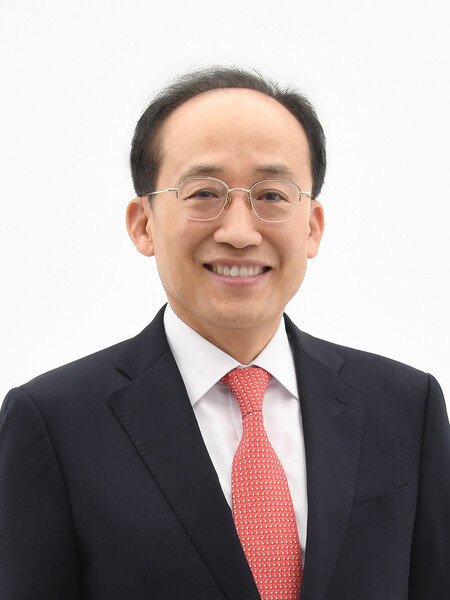
▲필자/ 이양승 군산대 교수. ©브레이크뉴스 |
설탕세와 설탕부담금은 닮아 보이지만 본질적으로 다르다. 설탕세는 일반 조세다. 가격을 올려 소비를 억제하고, 걷힌 세금은 일반 재정으로 편입된다. 반면 설탕부담금은 ‘비용 내부화’ 메커니즘이고 그 목적이 분명하다. 설탕 과다섭취로 사회적 비용이 발생한다고 파악하고 그 비용의 일부를 공급자가 분담케 하는 것이다.
설탕부담금 논쟁은 흔히 ‘증세냐 아니냐’의 문제로 축소되지만, 더 근본적인 질문은 따로 있다. 정보가 충분치 않은 상태에서 특정 성분을 겨냥한 가격 정책이 과연 식품 안전성과 공중보건에 바람직한가라는 물음이다. 이 질문에 답하지 않은 채 제도를 밀어붙인다면, 선의의 정책이 의도치 않은 부작용을 낳을 위험을 피할 수 없다.
설탕 과다섭취가 건강에 해롭다는 사실 자체는 논쟁의 대상이 아니다. 문제는 그 다음 단계다. 설탕부담금은 설탕을 ‘비용이 큰 성분’으로 낙인찍고, 시장에 강한 대체 압력을 가한다. 자연스럽게 등장하는 해법은 인공감미료 또는 대체감미료일 것이다. 현재 허용된 인공감미료들이 “허용 기준 내에서는 안전하다”는 평가를 받는 것은 사실이다. 하지만 국민 먹거리를 놓고 독성학적 안전성만을 기준으로 삼을지는 따로 논쟁이 필요하다. 예를 들어, 치약은 인체에 무해한 것으로 알려져 있지만 굳이 먹으려는 사람은 거의 없다.
문제는 설탕부담금이 먹거리에 대한 불안감을 증폭시킬 가능성도 있다. 가격 신호는 식품기업으로 하여금 레시피를 바꾸도록 유도한다. 하지만 그 변화가 반드시 ‘더 안전한 방향’으로만 진행된다는 보장은 없다. 설탕을 줄이는 대신 여러 종류의 감미료를 조합하거나, 소비자가 인지하기 어려운 방식으로 단맛을 유지하는 전략이 확산될 가능성도 배제할 수 없다. 이 경우 위험은 사라지지 않고 형태만 바뀐다.
또 하나의 문제는 정보의 비대칭성이다. 소비자는 설탕이 줄어든 제품을 “건강해졌다”고 인식하기 쉽지만, 실제로 어떤 대체 성분이 얼마나 사용됐는지, 그 장기적 영향이 무엇인지는 알기 어렵다. 이는 식품 선택의 자유를 넓히는 것이 아니라, 불완전한 정보 위에서의 선택을 강요하는 결과로 이어질 수 있다.
식품안전 정책의 기본 원칙은 ‘예방 원칙’일 것이다. 불확실성이 큰 영역에서는 속도를 늦추고, 충분한 데이터와 감시 체계를 먼저 구축하는 것이 상식이다. 그런데 설탕부담금은 이 순서를 거꾸로 만들 위험이 있다. 설탕이라는 명확한 표적에 집중하는 사이, 대체 성분에 대한 체계적 연구와 사후 감시는 정책의 부수적 과제로 밀려날 수 있는 것이다.
더 나아가, 특정 성분을 단독으로 문제 삼는 접근은 영양과 식생활의 총체성을 훼손할 우려도 있다. 건강은 단일 성분의 문제가 아니라 식단, 생활습관, 사회경제적 조건이 복합적으로 작용한 결과다. 설탕만을 비용의 원흉으로 지목하는 정책은, 복잡한 문제를 단순한 적으로 환원함으로써 오히려 잘못된 인식을 고착화할 수 있다.
이러한 비판은 설탕부담금을 무조건 반대하자는 주장이 아니다. 다만 정보가 충분하지 않은 상태에서의 성급한 도입은, 공중보건 정책이 지켜야 할 안전 마진을 스스로 좁히는 선택이 될 수 있다는 지적이다. 설탕부담금이 정당성을 얻으려면, 대체감미료의 장기 영향에 대한 공개적 연구, 성분 표시의 강화, 사후 모니터링과 즉각적 조정 메커니즘이 전제되어야 한다.
정책은 의도가 아니라 결과로 평가받는다. 설탕 부담금이 진정으로 사회적 비용을 줄이려면, 설탕을 밀어낸 자리에 무엇이 들어오는지까지 책임지는 설계가 필요하다. 정보가 부족한 상태에서의 단순한 가격 정책은, 정의로운 정산이 아니라 위험의 이전이 될 수도 있다. 국민 먹거리를 놓고 벌이는 공론화의 포인트는 ‘돈’이 아니라 ‘안전성’일 수도 있다. yslee1992@hotmail.com
*필자/이양승
군산대 교수. 국제경제, 게임이론 그리고 지역 발전전략에 대해 연구하는 학자이다. 현재 국립 군산대 무역학과 교수로 재직 중이다. 이전엔 캐나다 앨버타 대학교(University of Alberta) 경제학과에서 ‘게이임(gaming)’에 대해 연구와 강의를 했으며, 한국건설산업연구원에서 연구위원으로 근무했다.
전북 남원에서 출생해 전주한일고와 전북대 상과대학을 졸업했다. 이후 미국으로 건너가 노스 캐롤라이나 주립대학교 (North Carolina State University)에서 통계학과 경제학을 공부해 석사를 받았으며, 캔자스 대학교(The University of Kansas)에서 산업조직과 게임이론에 대한 연구로 경제학 박사를 받았다.
저서로는 '메트로 이코노미 (타임라인)'과 ‘와일드 게임이론 (박영사)’, ‘무역학개론(공저, 두남)’, ‘문화지체에 빠진 건설산업 (공저, 한국건설산업연구원)’ '자유무역론(박영사)' 등이 있고, 36편의 단독연구 학술논문이 있다.
*아래는 위 기사를 '구글 번역'으로 번역한 영문 기사의 [전문]입니다. '구글번역'은 이해도 높이기를 위해 노력하고 있습니다. 영문 번역에 오류가 있을 수 있음을 전제로 합니다.<*The following is [the full text] of the English article translated by 'Google Translate'. 'Google Translate' is working hard to improve understanding. It is assumed that there may be errors in the English translation.>
Is the Sugar Tax Policy Safe Given the Lack of Information?
To reduce the social costs of the sugar levy, what will replace sugar? "Responsible Design Required"
- Professor Lee Yang-seung, Kunsan National University
While sugar taxes and sugar levies may seem similar, they are fundamentally different. A sugar tax is a general tax. It raises prices to discourage consumption, and the collected taxes are incorporated into the general budget. A sugar levy, on the other hand, is a "cost internalization" mechanism with a clear purpose: to identify the social costs incurred by excessive sugar consumption and have suppliers share a portion of those costs.
The sugar levy debate is often reduced to a question of "whether to raise a tax or not?", but a more fundamental question arises: is a pricing policy targeting specific ingredients in the absence of sufficient information truly beneficial for food safety and public health? Pushing ahead without answering this question risks unavoidable consequences for well-intentioned policies.
The fact that excessive sugar consumption is detrimental to health is not itself a matter of debate. The question lies in what comes next. The sugar tax stigmatizes sugar as a "costly ingredient" and places strong pressure on the market for replacement. The natural solution would be artificial sweeteners or sweetener substitutes. It's true that currently permitted artificial sweeteners are considered "safe within acceptable limits." However, whether toxicological safety should be the sole criterion for the nation's food supply requires a separate debate. For example, toothpaste is known to be harmless to the human body, but few people bother to consume it.
The problem is that the sugar tax could exacerbate food anxiety. Price signals encourage food companies to change their recipes. However, these changes are not necessarily directed toward a "safer" direction. Strategies such as combining different sweeteners instead of reducing sugar or maintaining sweetness in ways that are difficult for consumers to perceive could also spread. In these cases, the risk remains, but only changes in form.
Another issue is information asymmetry. While consumers may easily perceive reduced-sugar products as "healthier," it's difficult to know which substitute ingredients were actually used and in what quantities, or what their long-term impacts are. This doesn't expand freedom of food choice; rather, it forces them to make choices based on incomplete information.
The fundamental principle of food safety policy is the "precautionary principle." In areas of significant uncertainty, it's common sense to slow down and prioritize the establishment of sufficient data and monitoring systems. However, a sugar levy risks reversing this order. While focusing on the clear target of sugar, systematic research and follow-up monitoring of substitute ingredients could be relegated to a secondary policy task.
Furthermore, an approach that singles out a specific ingredient as the sole issue risks undermining the holistic nature of nutrition and diet. Health is not a problem of a single ingredient, but rather the result of a complex interplay of diet, lifestyle, and socioeconomic conditions. Policies that single out sugar as the primary cost driver can perpetuate misconceptions by reducing complex problems to a simple enemy.
This criticism does not imply unconditional opposition to a sugar levy. However, some argue that hasty introduction without sufficient information could narrow the safety margins that public health policies should maintain. For a sugar levy to be justified, public research on the long-term effects of alternative sweeteners, strengthened ingredient labeling, post-market monitoring, and immediate adjustment mechanisms are essential.
Policies are evaluated by their results, not their intentions. For a sugar levy to truly reduce social costs, it must be designed to account for what replaces sugar. A simple pricing policy without sufficient information could result in a transfer of risk rather than a fair settlement. The key to public debate over the nation's food supply may not be "money," but "safety." yslee1992@hotmail.com
*Author/Yangseung Lee
Professor at Kunsan National University. He studies international economics, game theory, and regional development strategies. He currently serves as a professor in the Department of International Trade at Kunsan National University. Previously, he researched and lectured on gaming at the Department of Economics at the University of Alberta, Canada, and served as a research fellow at the Korea Construction and Economy Research Institute.
Born in Namwon, North Jeolla Province, he graduated from Jeonju Hanil High School and Chonbuk National University's College of Commerce. He later moved to the United States, where he earned a master's degree in statistics and economics from North Carolina State University and a doctorate in economics from the University of Kansas for his research on industrial organization and game theory.
His publications include "Metro Economy" (Timeline), "Wild Game Theory" (Parkyoungsa), "Introduction to Trade" (co-authored, Doonam), "The Construction Industry in Cultural Lag" (co-authored, Construction and Economy Research Institute of Korea), and "Free Trade" (Parkyoungsa). He has also published 36 independent academic papers.