▲ 필자/이양승 군산대 교수. ©브레이크뉴스 |
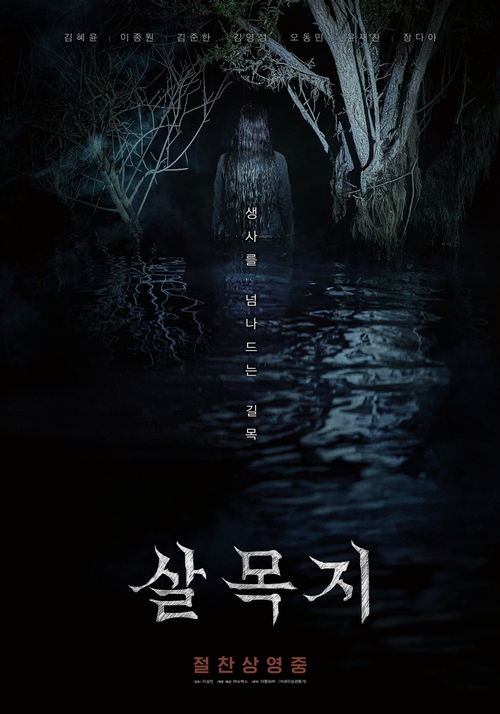
국민의힘 주인은 누구인가? 유튜버 전한길이 귀국, 국민의힘 당 대표 장동혁을 향해 “당 대표가 되기까지 누구의 지지를 받았는가” 묻고 “윤 전 대통령과 절연하면 장동혁 대표를 버릴 것”이라고 최후통첩을 날렸다. 자신이 만든 ‘12.3 계엄 영화’도 보라고 강권했다. 이쯤 되면 국민의힘이란 정당의 주인이 누구인지 물어야 할 것 같다.
정당은 공적 제도다. 특정 개인의 소유물이 아니며, 외부 영향력에 종속되어서도 안 된다. 하지만 최근 국민의힘을 둘러싼 상황은 이 기본 원칙이 심각하게 훼손되어 있다. 유튜버 전한길의 발언이 당내 의사결정과 권력 구도에까지 직접적인 영향을 미치는 행태는 이 조직이 여전히 ‘정당’이라 불릴 수 있는지 근본적 의문이 제기될 수밖에 없다.
문제의 본질은 표현의 자유가 아니다. 한 시민이 정치적 의견을 강하게 표명하는 것 자체는 민주주의의 일부다. 문제는 특정 유튜버의 선동 능력이 당 지도부를 압도하고, 공천과 노선, 인사 문제까지 침범하는 단계에 이르렀다는 점이다. 이는 정당의 자율성과 책임성을 동시에 무너뜨리는 위험한 신호다.
당대표 장동혁의 리더쉽도 시험대에 올랐다. 정당 지도부의 역할은 지지층의 목소리를 듣되, 외부 압력으로부터 당의 결정권을 지키는 데 있다. 하지만 지금의 모습은 지도부가 중심을 잡기보다 외부 영향력의 눈치를 보며 반응하는 구조에 가깝다. 이는 리더십이 아니라 관리에 불과하다. ‘대표’가 아니라 ‘매니저’란 얘기다. 비정상적 지배구조인 것이다.
그러한 비정상적 지배구조가 공천을 앞두고 큰 갈등을 만들 가능성이 크다. 입지자들의 정책 경쟁이 아니라 '줄'이 작용하기 때문이다. 외부 영향력에 의존하는 것이다. 만약 당내 인사들이 당헌·당규보다 유튜버의 심기를 먼저 살핀다면, 그 정당의 내부 민주주의는 이미 기능을 상실한 것이다.
‘배신자’ 프레임의 남용 역시 우려스럽다. 정치적 이견이나 전략적 판단을 도덕적 배신으로 단순화하는 방식은 단기적 결집에는 도움이 될지 몰라도, 정당을 지속 가능하게 만들지는 못한다. 한동훈 전 대표의 퇴출 과정에서 확인됐듯, 이 프레임은 토론을 제거하고 증오를 남길 뿐이다.
정당의 주권을 외부 인물 즉 유튜버에게 사실상 위임하는 순간, 정당은 정치적 책임 주체가 아니라 '프랜차이즈'로 전락한다. 더구나 전직 대통령 윤석열 문제까지 외부 선동의 도구로 소비되는 구조라면, 이는 보수 정치 전체의 신뢰를 갉아먹는 일이다.
국민의힘이 회복해야 할 것은 상술이 아니라 정당성이다. 유튜브 알고리즘이 아니라 내부 민주주의, 선동이 아니라 정책과 책임의 정치로 돌아가지 않는다면, 이 정당의 미래는 분열이나 붕괴 외에 다른 선택지를 찾기 어렵다. 정당은 ‘프랜차이즈’가 아니다. 이 단순한 원칙을 회복하는 것, 그것이 지금 보수 정치에 가장 절실한 과제다. yslee1992@hotmail.com
*필자/이양승
군산대 교수. 국제경제, 게임이론 그리고 지역 발전전략에 대해 연구하는 학자이다. 현재 국립 군산대 무역학과 교수로 재직 중이다. 이전엔 캐나다 앨버타 대학교(University of Alberta) 경제학과에서 ‘게이임(gaming)’에 대해 연구와 강의를 했으며, 한국건설산업연구원에서 연구위원으로 근무했다.
전북 남원에서 출생해 전주한일고와 전북대 상과대학을 졸업했다. 이후 미국으로 건너가 노스 캐롤라이나 주립대학교 (North Carolina State University)에서 통계학과 경제학을 공부해 석사를 받았으며, 캔자스 대학교(The University of Kansas)에서 산업조직과 게임이론에 대한 연구로 경제학 박사를 받았다.
저서로는 '메트로 이코노미 (타임라인)'과 ‘와일드 게임이론 (박영사)’, ‘무역학개론(공저, 두남)’, ‘문화지체에 빠진 건설산업 (공저, 한국건설산업연구원)’ '자유무역론(박영사)' 등이 있고, 36편의 단독연구 학술논문이 있다.
*아래는 위 기사를 '구글 번역'으로 번역한 영문 기사의 [전문]입니다. '구글번역'은 이해도 높이기를 위해 노력하고 있습니다. 영문 번역에 오류가 있을 수 있음을 전제로 합니다.<*The following is [the full text] of the English article translated by 'Google Translate'. 'Google Translate' is working hard to improve understanding. It is assumed that there may be errors in the English translation.>
"People Power Party = Jeon Han-gil's franchise?" "Party leader = franchise manager?"
- Professor Lee Yang-seung, Kunsan National University
Who owns the People Power Party? YouTuber Jeon Han-gil returned to Korea and challenged People Power Party leader Jang Dong-hyuk, asking, "Who supported you before becoming party leader?" and threatening, "If you break with former President Yoon, I will abandon you." He also urged the party to watch the "December 3 Martial Law Film," which he produced. At this point, it seems we must ask who owns the People Power Party.
A political party is a public institution. It is not the property of a specific individual, nor should it be subject to external influence. However, the recent situation surrounding the People Power Party has seriously undermined this fundamental principle. The fact that YouTuber Jeon Han-gil's comments directly influence internal party decision-making and power dynamics raises fundamental questions about whether this organization can still be called a "political party."
The core issue is not freedom of expression. The very act of a citizen expressing strong political opinions is a part of democracy. The problem is that the power of a particular YouTuber to incite influence has overpowered the party leadership, infringing on nominations, party policy, and even personnel matters. This is a dangerous signal that undermines both the party's autonomy and accountability.
Party leader Jang Dong-hyuk's leadership is also being put to the test. The role of party leadership is to listen to the voices of the supporters while protecting the party's decision-making power from external pressure. However, the current structure is closer to a system where the leadership reacts to external influences rather than maintaining a central position. This is not leadership, but merely management. They are "managers," not "representatives." This is an abnormal governance structure.
Such an abnormal governance structure is highly likely to create significant conflict ahead of the nomination process. This is because the "strings" are at play, rather than policy competition among potential candidates. This reliance on external influence is paramount. If party members prioritize the sentiments of YouTubers over the party constitution and rules, the party's internal democracy has already lost its function.
The abuse of the "traitor" frame is also concerning. Simplifying political disagreements or strategic decisions into moral betrayals may help with short-term unity, but it fails to make a party sustainable. As the ouster of former leader Han Dong-hoon demonstrated, this framing eliminates debate and leaves behind hatred.
The moment a party effectively delegates its sovereignty to an outsider, say, a YouTuber, the party devolves from being a politically responsible entity into a "franchise." Furthermore, if the issue of former President Yoon Seok-yeol is exploited as a tool for external agitation, this undermines the credibility of conservative politics as a whole.
What the People Power Party must restore is not commercialism, but legitimacy. Unless it returns to internal democracy, not YouTube algorithms, and to politics based on policy and accountability, not agitation, the future of this party is limited to division or collapse. A political party is not a "franchise." Restoring this simple principle is the most urgent task for conservative politics today. yslee1992@hotmail.com
*Author/Lee Yang-seung
Professor at Kunsan National University. He is a scholar specializing in international economics, game theory, and regional development strategies. He currently serves as a professor in the Department of International Trade at Kunsan National University. Previously, he researched and lectured on gaming at the Department of Economics at the University of Alberta, Canada, and served as a research fellow at the Korea Construction and Economy Research Institute.
Born in Namwon, North Jeolla Province, he graduated from Jeonju Hanil High School and Chonbuk National University's College of Commerce. He later moved to the United States, where he earned a master's degree in statistics and economics from North Carolina State University and a doctorate in economics from the University of Kansas, focusing on industrial organization and game theory.
His books include 'Metro Economy (Timeline),' 'Wild Game Theory (Parkyoungsa),' 'Introduction to Trade Studies (co-authored, Doonam),' 'The Construction Industry in Cultural Lag (co-authored, Korea Construction Industry Research Institute),' and 'Free Trade Theory (Parkyoungsa),' and he has published 36 independent academic papers.